I’m going all nursy today. I have two things I want to talk about.
1. Go clean your medicine cabinet.
A while back I was part owner of a very cool compounding pharmacy. I did all the PR , videos, blog, etc. I even produced a radio show. I wanted to do a segment called “What’s in your medicine cabinet?” because you know me. I’m nosy! I talked to some of friends about this but no one was willing to let me see. LOL!
The worse thing you can do is actually put medications in your medicine cabinet. On Grace and Frankie there was a scene where the Martin Sheen character Robert was having a fight with the Sam Waterston character Sol about where Sol should put his medicines.
“They belong in the medicine cabinet in the bathroom.” Robert said. Sol defended himself by saying he left them out so he would remember to take them. I’m with Sol. Put them in some kind of container and put them somewhere you’ll remember to take them. Keep them out the bathroom. It’s too hot and humid in there.
When i was growing up even my ocd mom had 500 year old Mercurochrome in the medicine cabinet. So if your not willing to part with it at least check the expiration dates.
We have a bad habit of putting things in there and then thinking well maybe one day we’ll use them and they just grow old and icky. There’s nothing as nasty as sad old Mercurochrome.
The other thing you should do is check your aspirin bottle to make sure your aspirin in not disintegrated. I buy little bottles of aspirin. Why?
Aspirin is chemically known as acetyl salicylic acid. After some time, or when stored in non ideal conditions, it will easily deteriorate into acetic acid and salicylic acid even without the presence of other chemicals.
The Chemical Nature of Vinegar
Vinegar came from the fermented juices of fruits that contain sugars. The initial fermentation of the freshly extracted juices will result to the creation of wine. If the fermentation is allowed to continue, the alcohol in the wine will further be converted into acetic acid. Acetic acid gives that sour flavor and distinct odor to vinegar and related products.
Why Aspirin Smells Like Vinegar
When aspirin starts to decompose, its molecules will separate into salicylic acid and acetic acid. Having acetic acid as the product of decomposition of aspirin gives it a similar odor as that of vinegar (which has diluted amounts of acetic acid as its component).
How to Store Aspirin
To slow down the decomposition process of aspirin, it must be stored in suitable conditions.
1. Store the container in a cool and dry place.
Exposure to moisture will facilitate the hydrolysis of the aspirin molecules into its decomposition products.
2. Keep the container tightly closed.
Exposure to air provides the oxygen that is required for the oxidation of aspirin into acetic acid and salicylic acid.
3. Keep aspirin (and other medications) away from areas in which there is strong sunlight.
Strong lighting conditions can also hasten the deterioration of many medications. They are best stored in amber bottles.
Several years after the manufacture of aspirin, it is expected to slowly deteriorate and lose ifs efficiency. To slow down the deterioration process, follow the proper storage procedures. And if you have aspirin tablets that smell strongly of vinegar, discard them.”
I’m looking forward to the final video with all the slides but this will get you really excited about seeing the entire finished product.
This piece is so important because not only can I share with you guys but I can share with my patients. Most medical people do not pay attention to this information and do not know anything about Metabolic Dysfunction. My own ARNP told me my fatty liver was genetic ( which I don’t doubt its part of it being that I’m Jewish and my ancestors ate things like chicken schmaltz, chopped liver, bagels and cream cheese. The list goes on.
One of things that I learned is that its impossible to loose weight when you have fatty liver disease. The whole thing makes me very sad when I’ve spent a life time taking good care of my liver and now its screwed up.
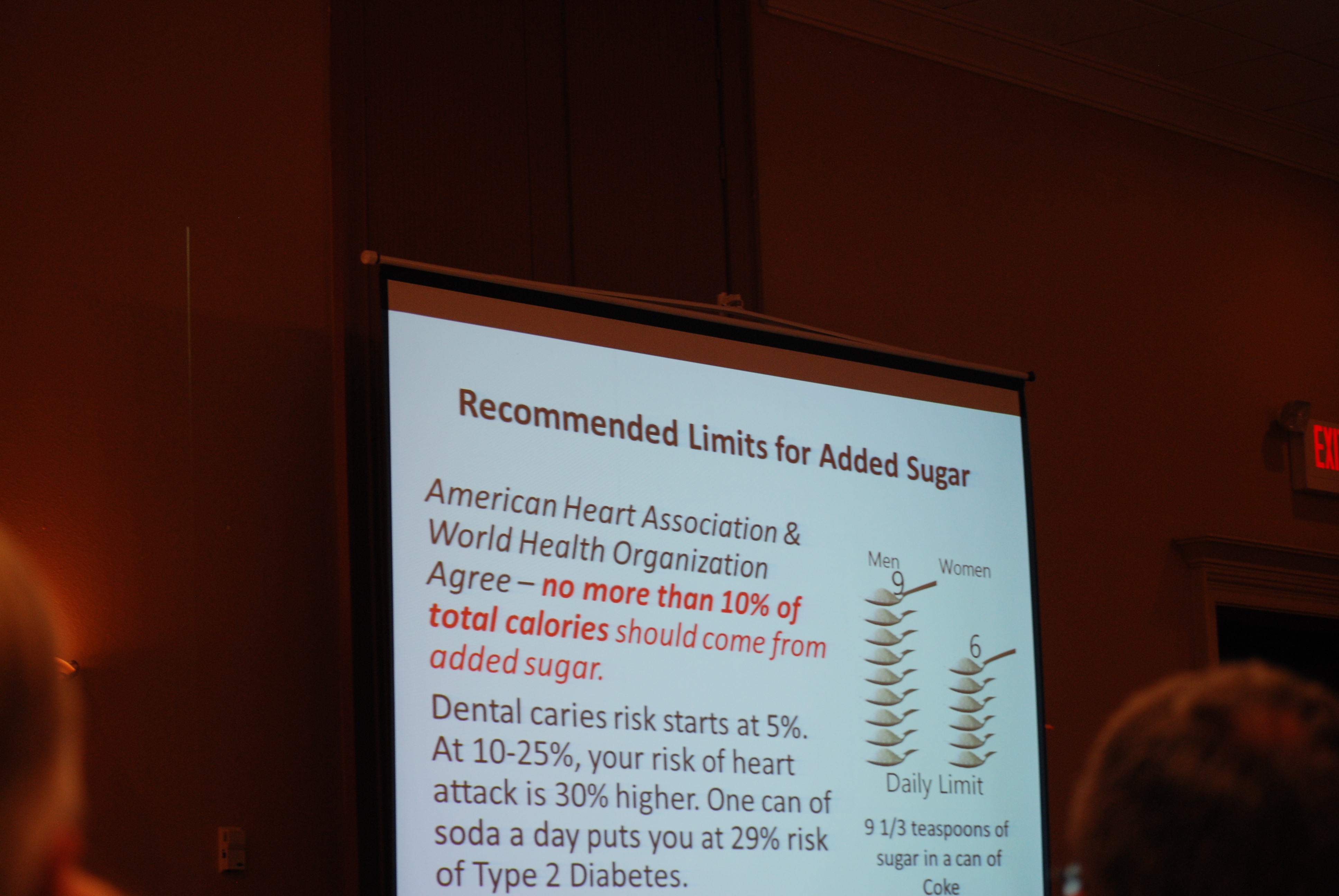
Sugar is a huge part of this and also a huge part of the inflammatory process.
I can tell people this stuff (Including my own cardiologist who looked at me like I have 14 heads) (and my cousins who blow me off.) I can tell them that a peanut and jelly and white is not a heart healthy diet. I can tell them they can give me a smoothie with whole milk if they don’t have almond milk because whole milk has less sugar in it that low fat milk. I can tell them anything that is low fat is high in sugar which is worse for us that the fat and in fact we need fat for our brains.
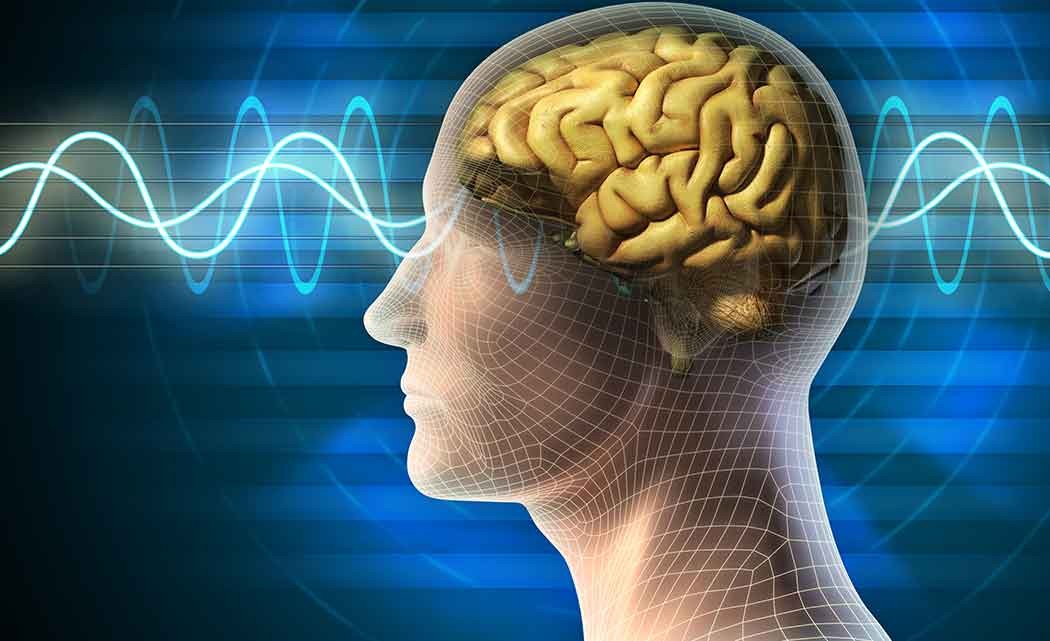
The Best Foods for Your Brain (And Why We Might Owe Fat an Apology)
(I’m talking good fat so don’t get too excited.)
“The Top 3 Dietary Fats for Better Brain Health
1. Polyunsaturated Fat
Polyunsaturated fats contain the essential fatty acids (EFAs) omega-3 and omega-6. Our brains need these fats to function properly (studies also show that eating high quantities of omega-3 fatty acids are linked to reduced rates of major depression, but our bodies are unable to produce them. This means it’s important that we include these fat sources in our diets.
2. DHA
An omega-3 fatty acid, DHA has been shown to help brain functions like memory, speaking ability, and motor skills. Increasing dietary levels of omega-3s has been shown to help improve conditions such as depression, bipolar disorder, and ADHD.
3. Saturated Fat
Saturated fat is actually one of the main components of brain cells, and is therefore necessary for healthy brain function. In one study, it was found that people who ate more saturated fat reduced their risk for developing dementia by 36 percent. Saturated fat also provides benefits for the liver and immune system and helps maintain proper hormone balance.”
Because if you have dementia does it really matter if your cholesterol is high?
And if you have fatty liver disease what are these statins doing to you? For a long time every doctor is ordering statins for people and what is the connection between this dementia. No offense to them but they don’t have to take care of our elderly parents with dementia.
As nurses, teaching nutrition is our greatest gift because we need a doctors order to tell patients to take Omegas but we certainly don’t need one to tell them to eat foods rich in omegas. We can tell people “Eat a healthy diet that’s low in saturated fat, trans fat, refined carbohydrates and salt, and rich in fruits, vegetables, fish, and whole grains.”
or
“Eat good whole foods. Don’t eat anything from a can or a box. Eat lots of fruits and vegetables.”
Why? Because there is sugar in everything. It’s added to make thing taste better.
Sorry for the rant. Back to Wolfram. Here are some noteworthy quotes.
“75% percent of our healthcare costs are related to preventable conditions.”
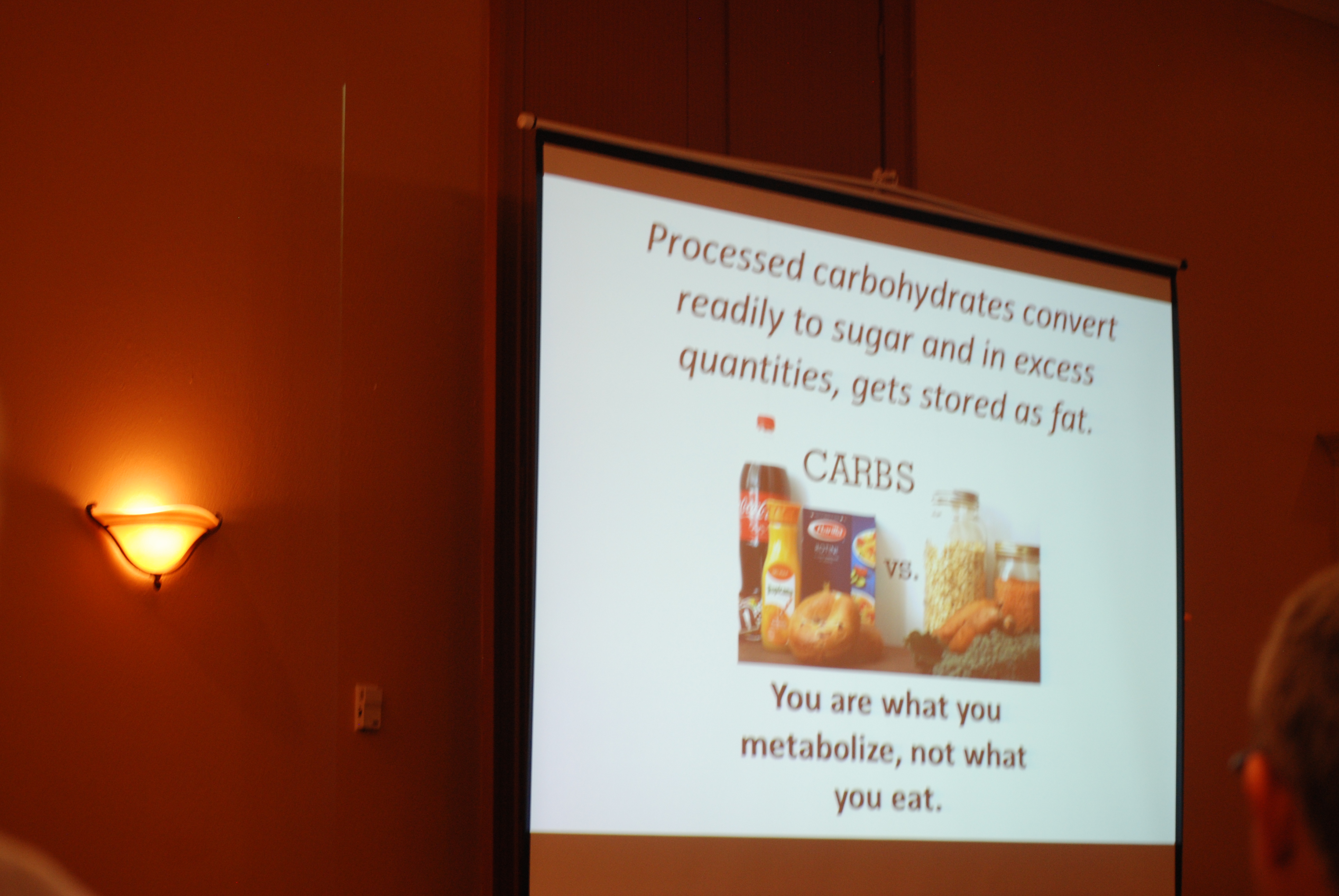
“You are what you metabolize not what you eat.”
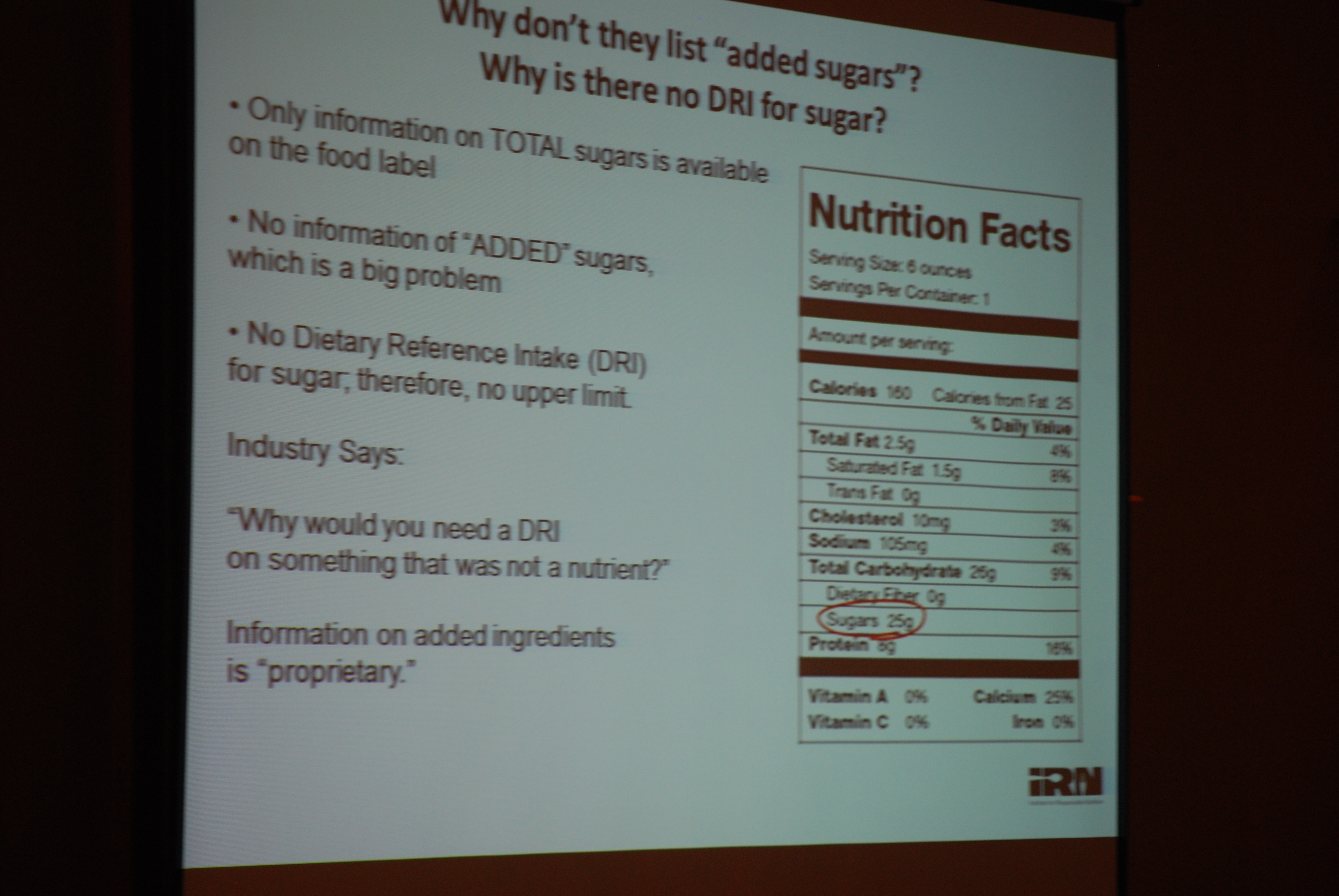
“74% of food at the supermarket has added sugar in it.”
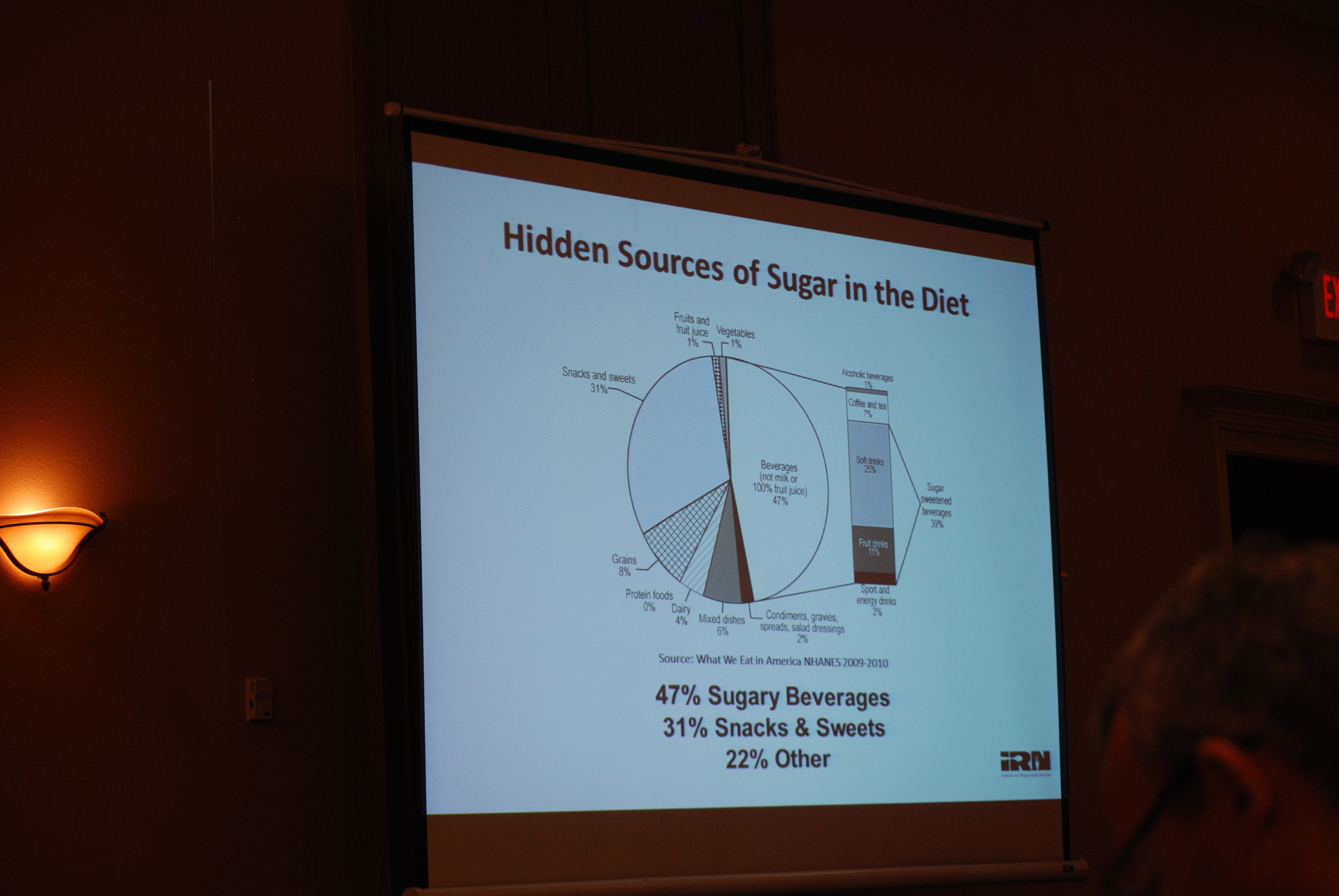
“Sugar is hidden in our food supply. 47% in sugary beverages.”
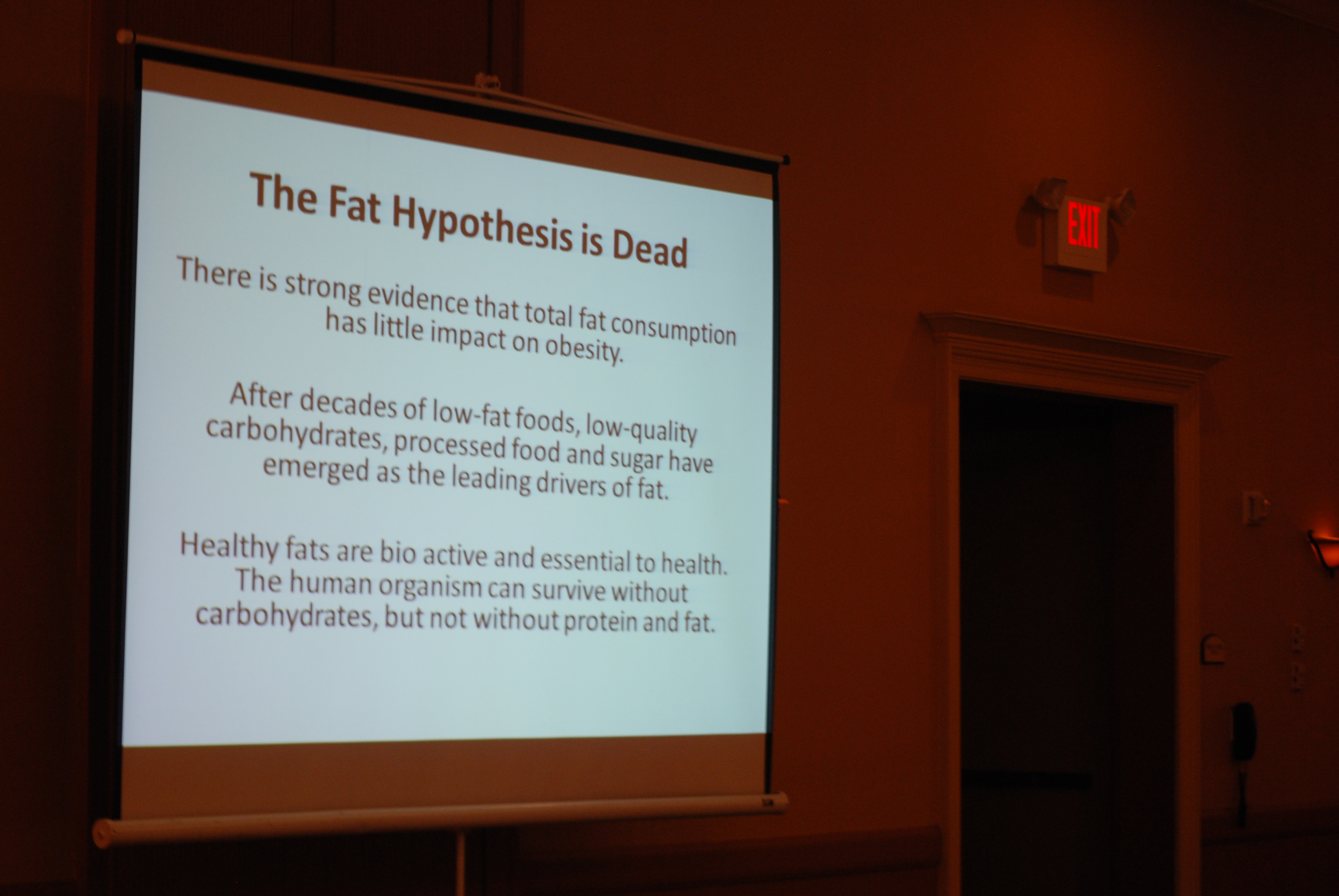
“Total fat consumption has little impact on obesity.”
“if you look back at the last decades at the low food marketing scam which has been selling us low quality carbohydrates with processed food and added sugar in it.”
“The human organism can survive without carbohydrates but not without protein and fats.”
All of us in healthcare need to embrace this and learn more and make it part of our lives the daily conversations with our patients so I hope we can engage Wolfram in more of these conversations.
Like for instance. What do you do for a fatty liver besides cutting out all the bad foods?
Thank you Wolfram for coming to our conference and we hope to hear lots more from you!
The Florida Legislature Gags Health Care Workers. How not to save a life.
Just file this under “Kick me in the head.”
As well as others, like people who don’t want their houses to float away in Miami, or their drinking water to be all salty, or just us folks here in Stuart/Jensen Beach that don’t want to have to worry about pollution, trains with bombs, and getting flesh eating bacteria when we go to the beach only to be eaten by horny sharks.
Honestly. I’d rather be some sharks dinner than have to figure out how to deal with this garbage.
The people who couldn’t even pass half the credentialing that’s needed to work in the health care field passed a terrible law again to punish all of us that are trying to do our jobs.
This whole mess started when a woman took her child to the pediatrician in Ocala. Pediatricians go to meetings with other pediatricians. and in those meeting they come up with a list of things to “educate” their clients. Just like us nurses do. Especially now that everything is computerized we can’t upload our admission unless all the questions are answered. Many of our safety questions are mandated. That’s just for regular medical people. I’m not even talking about psych.
Let me repeat that one more time. WE CAN’T UPLOAD OUR PAPERWORK UNLESS THE ALL THE QUESTIONS ARE ANSWERED.
At any rate, the pediatrician is doing his job and this girl totally goes off on him and she gets in touch with her state rep who lives in Sanford. The Florida NRA gets a hold of all this and they just run with it. I’d have to go back and look it up but I think the pediatrician refused to see the patient not because of the gun. Because she went off. Doctor’s have the right to tell patients they don’t want to come back. It happens all the time.
Guess what. One of those questions is “Do you have a gun?” or “Do you have any weapons?” or “Do you have any fire arms? ” We ask this question, honestly ,with the same tone in our voices as did you poop today? It’s just one more question in a zillion questions when you are doing an assessment of a patient. It’s just one little bit of education. We talk about all kinds of things: scatter rugs, seat belts, steps. Anything that is about the safety of patient is OUR business. Because that’s our job. Our first priority is to make sure our patients are safe and if they are not we have a legal/moral/ethical responsibility to make sure we fixed the situation so the patient is safe.
I’ve have never in all my years as a nurse had anyone who was upset about this question. I’ve had some great discussions about safety especially when children are involved.
I’m not antigun. We had Dad’s army guns in the house and we had guns in Maine at our camp. I was a sharpshooter at summer camp in New Hampshire and I carried a rifle on my back in the field of the kibbutz I lived on in Israel. I was taught to be responsible.
There are some cases that I do need to know if someone has gun. Because if I don’t ask and the person hurts them self or someone else its malpractice. It beyond malpractice. It’s immoral. It’s beyond reason. Just the thought that I could after all my hard work be responsible for the death of someone because my legislators are idiots just slays me.
“Several years ago, the American Medical Association advised doctors to ask their patients about firearms and “educate patients to the dangers of firearms to children” in the name of public health. But doctors in Florida may be suppressed from giving this medical advice, now that a federal appeals court upheld a Florida law that became known as the “physician gag rule” because it punishes doctors for talking about guns.”
Except it not just about physicians. It’s about all health care workers. We are all gagged and we are all open to disciplinary action.
“The American Academy of Pediatrics likens counseling on gun safety to counseling on lead paint avoidance or seat belt use. Pediatricians, the group’s recent policy statement reads, are “urged to counsel parents about the dangers of allowing children and adolescents to have access to guns inside and outside the home.” Doctors are encouraged to promote trigger locks, lock boxes, and gun safes. Some distribute cable locks. The American College of Physicians is similarly proactive, calling gun violence a public health issue “requiring immediate attention.” The group, of which most practicing internal-medicine doctors are members, declared in its recent position statement: “Physicians must become more active in counseling patients about firearm safety.” The college implores doctors to open that conversation by asking patients (with and without children in their homes) about gun ownership.”
790.338 Medical privacy concerning firearms; prohibitions; penalties; exceptions.—
(1) A health care practitioner licensed under chapter 456 or a health care facility licensed under chapter 395 may not intentionally enter any disclosed information concerning firearm ownership into the patient’s medical record if the practitioner knows that such information is not relevant to the patient’s medical care or safety, or the safety of others.
(2) A health care practitioner licensed under chapter 456 or a health care facility licensed under chapter 395 shall respect a patient’s right to privacy and should refrain from making a written inquiry or asking questions concerning the ownership of a firearm or ammunition by the patient or by a family member of the patient, or the presence of a firearm in a private home or other domicile of the patient or a family member of the patient. Notwithstanding this provision, a health care practitioner or health care facility that in good faith believes that this information is relevant to the patient’s medical care or safety, or the safety of others, may make such a verbal or written inquiry.
(3) Any emergency medical technician or paramedic acting under the supervision of an emergency medical services medical director under chapter 401 may make an inquiry concerning the possession or presence of a firearm if he or she, in good faith, believes that information regarding the possession of a firearm by the patient or the presence of a firearm in the home or domicile of a patient or a patient’s family member is necessary to treat a patient during the course and scope of a medical emergency or that the presence or possession of a firearm would pose an imminent danger or threat to the patient or others.
(Because EMT’s have nothing better to do while they are saving the life of your family member.)
(4) A patient may decline to answer or provide any information regarding ownership of a firearm by the patient or a family member of the patient, or the presence of a firearm in the domicile of the patient or a family member of the patient. A patient’s decision not to answer a question relating to the presence or ownership of a firearm does not alter existing law regarding a physician’s authorization to choose his or her patients.
(5) A health care practitioner licensed under chapter 456 or a health care facility licensed under chapter 395 may not discriminate against a patient based solely upon the patient’s exercise of the constitutional right to own and possess firearms or ammunition.
(Who does this anyway? How do you people come up with this garbage? We’re health care workers. It’s our job NOT to judge anyone. Just because your judgmental doesn’t mean we are. A case of pure projection.)
(6) A health care practitioner licensed under chapter 456 or a health care facility licensed under chapter 395 shall respect a patient’s legal right to own or possess a firearm and should refrain from unnecessarily harassing a patient about firearm ownership during an examination.
(7) An insurer issuing any type of insurance policy pursuant to chapter 627 may not deny coverage, increase any premium, or otherwise discriminate against any insured or applicant for insurance on the basis of or upon reliance upon the lawful ownership or possession of a firearm or ammunition or the lawful use or storage of a firearm or ammunition. Nothing herein shall prevent an insurer from considering the fair market value of firearms or ammunition in the setting of premiums for scheduled personal property coverage.
Another care of guilty until proven innocent.
(8) Violations of the provisions of subsections (1)-(4) constitute grounds for disciplinary action under ss. 456.072(2) and 395.1055.
History.—s. 1, ch. 2011-112.
If violated we get to go in front of disciplinary board.
How would you suggest we not ask this question since it required? I’m pretty sure we all similar computer programs which ask basically the same question.
Almost 20,000 people committed suicide in the United States with firearms in 2011. More than 11,000 were killed by firearms that year, and more than 200 were killed in accidents with guns. In 2009, almost 7,400 children were hospitalized because of injuries related to guns.
Doctors who ask about guns aren’t doing so because they’re nosy. They’re doing so because the vast majority of those deaths and injuries are preventable.
It’s entirely possible to keep a gun in your home safely. But studies show that the majority of people who keep guns in their homes do so in an unlocked space. Few have any kind of trigger locks. More than 10 percent report keeping their guns loaded or near ammunition, in an unlocked area.
That’s often how children get hurt. Few people argue that young children should have access to guns or ammunition. But that’s what’s happening in far too many homes in the United States. Research shows that guns kept in the home are more likely to be involved in accidents, crimes, or suicides than in self-defense.
The gag law, nicknamed the Docs vs. Glocks law by its detractors, was passed by an overwhelmingly Republican Legislature brimming over with money from NRA lobbyists. It would seem to be an obvious First Amendment violation: For asking a patient a question that could save his child’s life, a doctor in Florida could lose her medical license or be fined $10,000. The state has no rational—let alone compelling—interest in censoring doctors from asking this basic question, much less preventing doctors from making evidence-based recommendations about public health and safety. And the law is so broad and vague that even an indirect inquiry could potentially qualify as illegal “harassment of a patient regarding firearm ownership.”
I can’t wait for next year! I bet we won’t be able to ask people if they pooped.
“More specifically, state Sen. Joe Negron, R-Palm City, advocated cuts to so-called soft services, which include mental health and drug-addiction programs, because many of these services address what Negon views as “a lack of willpower, a lack of discipline, a lack of character.” Negron was the chair of appropriations for health and human services in the state Senate.”
This attitude has got to change. We cannot have legislators that do not believe in taking care of our most vulnerable people and do not believe in science.
Mental illness knows no parties. It is a bipartisan disease.
Let’s educate our legislators. Let’s make a difference.
Let’s make June “Educate your legislators on mental illness month.”
Society is Judged By How They Treat the Most Vulnerable.
Brain circuit problem likely sets stage for the ‘voices’ that are symptom of schizophrenia
Scientists have identified problems in a connection between brain structures that may predispose individuals to hearing the ‘voices’ that are a common symptom of schizophrenia. Researchers linked the problem to a gene deletion. This leads to changes in brain chemistry that reduce the flow of information between two brain structures involved in processing auditory information.
Here is a video by ROCHE that is a simple explanation on schizophrenia.
The biology of schizophrenia.
Mental Disorders as Brain Disorders: Thomas Insel at TEDxCaltech
I think its very difficult when your not an alcoholic and you have you have to deal with people who are actively. It’s impossible to be around their behavoir especially when someone doesn’t go to AA and think they can do this themselves or think just not drinking is the answer. It’s even harder when that person is a fellow nurse or doctor or healthcare worker because in that case you have an ethical responsibility to do something. Actually the responsibility goes beyond ethical. In Florida is required.
We, nurses, have an ethical responsibility to report. We have an ethical responsibility to help. Don’t let anyone tell you any different.
Moral courage helps us address ethical issues and take action when doing the right thing is not easy. Moral courage involves the willingness to speak out and do what is right in the face of forces that would lead us to act in some other way.
Your a nurse 24 hours a day.
Take a moment to remember the nurse who said she wasn’t working as a nurse and therefore she wasn’t going to perform cpr.
So I found this article and I really loved it. It deals with one issue. EGO and ego. This is one thing that can drive you crazy while dealing with a patient. client , friend or family member. I hope it will help others understand.
Dr. Harry M. Tiebout, a psychiatrist, was an early pioneer in coupling the principles and philosophy of Alcoholics Anonymous with psychiatric knowledge of alcoholism. A strong supporter of A.A. throughout his life, he consistently worked for acceptance of his views concerning alcoholism the medical and psychiatric professions. He served on the Board of Trustees for A.A. from 1957 to 1966, and was chairman of the National Council on Alcoholism in 1950.”
“The first question, what factors in the individual must surrender received passing attention in the article on compliance. There, relative to the difficulty of surrender, I noted that “the presence of an apparently unconquerable ego became evident. It was this ego which had to become humble.” The first part of the present communication will be devoted to an elaboration of the nature of this ego factor.”
“Let us take the same trait of doing everything in a hurry and apply it to the word “immature.” Few will deny that jumping at conclusions, doing things as speedily as possible, give evidence of immaturity. It is youth that drives fast, thinks fast, feels fast, moves fast, acts hastily in most situations. There can be little question that one of the hallmarks of the immature is the proneness to be under inner pressure for accomplishment. Big plans, big schemes, big hopes abound, unfortunately not matched by an ability to produce. But the effect upon the adult of the persisting infantile quality to do everything in less than sufficient time can now be seen in a clearer light. The adult trait is surely a survival from the original psyche of the infant.”
“Inability to Accept Frustration
The last trait carried over from infancy is the inability to accept frustration. In an obvious sense, this inability is another aspect of the king within, since one of the prerogatives of royalty is to proceed without interruption. For the king to wait is an affront to the royal rank, a slap at his majesty. The ramifications of this inability to endure frustration are so widespread, and the significance of much that occurs in the behavior of the alcoholic is so far-reaching, that it seems advisable to discuss this trait under a separate heading.”
There are plenty of incredible articles written by Dr Tiebout and how I wish I just knew one psychiatrist who put the amount of thought and compassion into his work as opposed to being there to write a prescription every fifteen minutes. Drugs have taken over our beloved practice of psychiatry. Sometimes good. Sometimes not so good.
Florida has an awesome impaired practitioner program. Here is the one for nurses. There is also one for doctors and for pharmacists.
Florida is one of the first programs and the program is an alternative to discipline. It’s approach is non punitive. Here is a link to some great videos. It’s actually grounds for disciplinary action not to report. So it even goes beyond ethics to being a part of the Florida Nurse Practice Act.
I feel like all the work I do for the water is a full time job. It was great this week that I got to take a day off and do some training with my fellow Medical Reserve Corp volunteers.
The Florida Medical Reserve Corps Network was established to effectively facilitate the use of private volunteers in emergency response.
What is the Medical Reserve Corps (MRC)?
The Medical Reserve Corps (MRC) is a national network of local groups of volunteers committed to improving the health, safety and resiliency of their communities. MRC volunteers include medical and public health professionals, as well as others interested in strengthening the public health infrastructure and improving the preparedness and response capabilities of their local jurisdiction. MRC units identify, screen, train and organize the volunteers, and utilize them to support routine public health activities and augment preparedness and response efforts.
Program Overview
The Florida Medical Reserve Corps Network comprises 33 Florida MRC units covering all 67 Florida counties.
Florida Medical Reserve Corps units are community-based and function to locally organize and utilize health professionals and other volunteers who want to donate their time and expertise to promote community health and respond to emergencies.
The following occupations represent some of Florida’s MRC Volunteer specialties.
Advanced Registered Nurse Practitioner
Clinical Social Worker
Counselor, Mental Health
EMT-Basic
Licensed Practical Nurse
Marriage & Family Therapist
Medical Records and Health Information Technologist
Medical and Clinical Lab Technician
Medical and Clinical Lab Technologist
Paramedic
Pharmacist
Physician
Physician Assistant
Psychologist
Radiologic Technologist / Technician
Registered Nurse
Respiratory Therapist
Social Worker
Veterinarians
Also, the MRC needs non medical people to assist. By joining I’ve been able to go to some really interesting educational opportunities and some I even get credit for. I’d much rather go to active learning then sit in a chair all day and it gives you a good opportunity to meet other medical people in your community besides the ones you work with.
The Florida MRC has saved the state over 1 billions dollars.
Every time there is a disaster I ache to go there and help. The first time I did work like this was after Hurricane Andrew.
me in homestead after hurricane andrew
homestead after hurricane andrew
hurricane andrew medical team
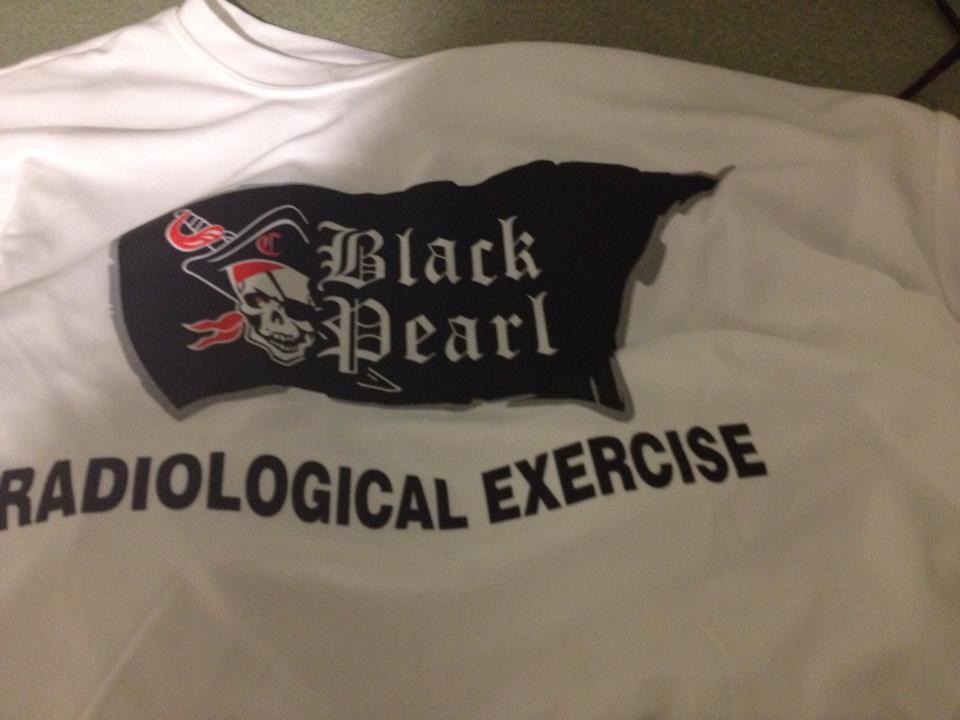
The exercise was called the
Black Pearl Radiological Exercise.
cool swag t
Black Pearl is the name of the room at the really awesome Treasure Coast Public Safety Complex in PSL. The same training center the fireman complained about during the last election. Seriously great venue. I think if its good enough for the entire state to come to it should be good enough for the Martin County Firemen. Took me 35 minutes to get there from Jensen Beach
We hope it never happens but in reality we have to be ready if it does.
One of the best parts of the day is pets were included today and we had some awesome dogs.
I am pleased we are including pets and other animals. In case of an emergency we just can’t leave them and run. One of the issues we had after Hurricane Katrina is that a bunch of NGO’s went up there and created more havoc then good. One of goals of this team is to reunite pets with their families. That made me so happy.
A while back there was a huge fire in Boulder and people had relocate their horses to the fairgrounds. Once an area was evacuated there was no going back.
We have a lot different kinds of animals and they need to be dealt with. Cows, goats, chickens (I’m not sure if you can decontaminate a chicken.)
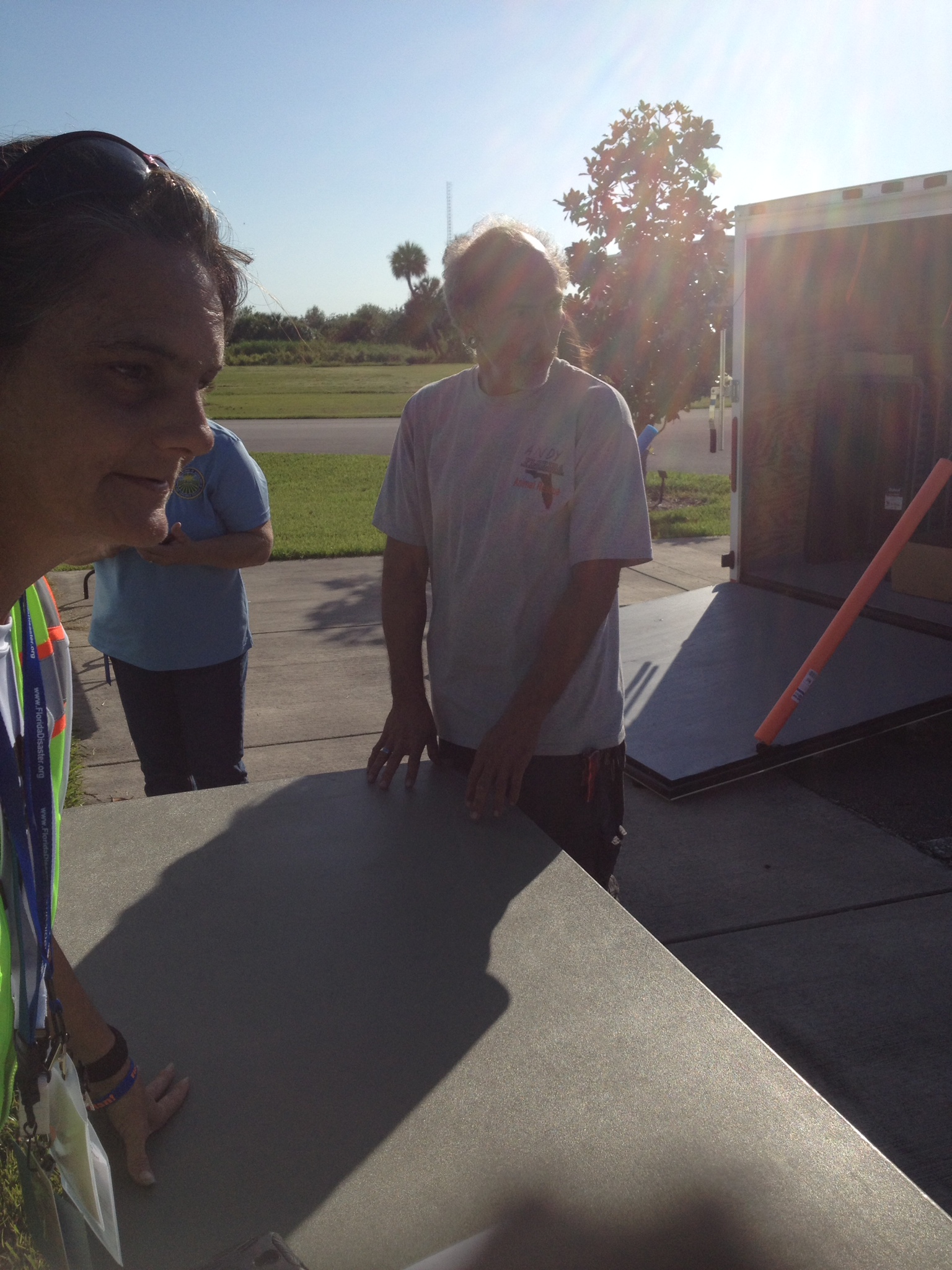
I felt like I was with my people! Andy made this – He called it SART Identification! LOL So good to know there are compassionate experts on the ground in case of a disaster.
I love the paw marks.
You don’t have to be an expert to be part of the team. I’m certainly not. Experts are provided. We had plenty of acronyms there today.
So if you have some time contact your local Medical Reserve Corp. I promise they will only call you when they need you.
Dorothea Dix was an educator and social reformer whose devotion to the welfare of the mentally ill led to widespread international reforms.
Synopsis
Born in Hampden, Maine, in 1802, Dorothea Dix was a social reformer whose devotion to the welfare of the mentally ill led to widespread international reforms. After seeing horrific conditions in a Massachusetts prison, she spent the next 40 years lobbying U.S. and Canadian legislators to establish state hospitals for the mentally ill. Her efforts directly affected the building of 32 institutions in the United States.
It was a good idea to let the Mentally ill be separate from those who are in jail. Unfortunately, what happened next is not a pretty story leading up to the emptying of state hospital and now we are back to where she is now where people cannot get good mental health care and many people end up in jail instead of treatment where they belong.
The following is a document written by Dorothea Dix to lay out the requirements for women who would work in the nursing service for the Union Army during the American Civil War.
Circular No. 8., by Dorothea Dix
Washington, D. C., July 14, 1862,
No candidate for service in the Women’s Department for nursing in the Military Hospitals of the United States, will be received below the age of thirty-five years, nor above fifty.
Only women of strong health, not subjects of chronic disease, nor liable to sudden illnesses, need apply. The duties of the station make large and continued demands on strength.
Matronly persons of experience, good conduct, or superior education and serious disposition, will always have preference; habits of neatness, order, sobriety, and industry, are prerequisites.
All applicants must present certificates of qualification and good character from at least two persons of trust, testifying to morality, integrity, seriousness, and capacity for care of the sick.
Obedience to rules of the service, and conformity to special regulations, will be required and enforced.
Compensation, as regulated by act of Congress, forty cents a day and subsistence. Transportation furnished to and from the place of service.
Amount of luggage limited within small compass.
Dress plain, (colors brown, grey, or black,) and while connected with the service without ornaments of any sort.
No applicants accepted for less than three months service; those for longer periods always have preference.
In the early 1850s, Nightingale returned to London, where she took a nursing job in a Middlesex hospital for ailing governesses. Her performance there so impressed her employer that Nightingale was promoted to superintendant within just a year of being hired. The position proved challenging as Nightingale grappled with a cholera outbreak and unsanitary conditions conducive to the rapid spread of the disease. Nightingale made it her mission to improve hygiene practices, significantly lowering the death rate at the hospital in the process. The hard work took a toll on her health. She had just barely recovered when the biggest challenge of her nursing career presented itself.In October of 1853, the Crimean War broke out. The British Empire was at war against the Russian Empire for control of the Ottoman Empire. Thousands of British soldiers were sent to the Black Sea, where supplies quickly dwindled. By 1854, no fewer than 18,000 soldiers had been admitted into military hospitals.At the time, there were no female nurses stationed at hospitals in the Crimea. The poor reputation of past female nurses had led the war office to avoid hiring more. But, after the Battle of Alma, England was in an uproar about the neglect of their ill and injured soldiers, who not only lacked sufficient medical attention due to hospitals being horribly understaffed, but also languished in appallingly unsanitary and inhumane conditions.
These permanent dates enhance planning and position National Nurses Week as an established recognition event.
A Brief History of National Nurses Week
1953
–
Dorothy Sutherland of the U.S. Department of Health, Education, and Welfare sent a
proposal to President Eisenhower to proclaim a “Nurse Day” in October of the following year.
The proclamation was never made.
1954
–
“National Nurse Week” was observed from Oct 11-16 in observance of Flo’s mission to Crimea.. Representative
Frances P. Bolton sponsored the bill for a nurse week. Apparently, a bill for a National Nurse Week was introduced in 1955 in Congress but no action was taken.
1974
In February of 1974, a week was designated by the White House as National Nurse Week
–
In February, the ANA Board
ANA Board of Directors formally acknowledged May 6, 1982 as “National Nurses Day.”
The action affirmed a joint resolution of the United States Congress designating May 6 as a National Day for Nurses.
–
The ANA Board of Directors expanded the recognition of nurses to a week long celebration declaring May 6 12, 1991 Nurses Week.
So you have a lot of time to say thank you to a nurse that you know and perhaps give them a wonderful gift.
Things nurses like:
Spa Days
Tropical Week long vacations with room service.
Spa Days
Don’t get us new scrubs, Blood pressure cuffs or stethoscopes. We buy that stuff. It’s a tax write off.
Home Health nurses I think would appreciate someone cleaning their cars.
I’d like to wish my fellow nurses a Happy Nurses Day! All these folks are very dedicated doing great work to keep our clients and patients healthy. I’m a blessed to work beside all of you.
Here’s to another great year of good compassionate nursing and great outcomes.
As a nurse, I get to interact with all kinds of patients. Many who make a full time job of going to the doctors. those who hate going to the doctors, those who go and don’t listen, those who go and follow all instructions to a t.
As a patient. I’m a bad patient. Not really really bad. I just have a lot of disagreements with what is the right path. And honestly I don’t want to hear it. I don’t want to be talked to – i want to have a conversation.
My first trip to the hospital in 33 years had to do with a nasty gallbladder. All kinds of health care practitioners marched into my room in the er and even my sister remarked “well you won’t be eating that food anymore.”
I feel I need to tackle this any maybe someone somewhere will read it and be able to help someone. The only goodness that comes out of a suicide death of a friend or a family is perhaps one can gain a little knowledge and understanding.
As a spiritual counselor and as psych rn sometimes my views run into each other and I have to figure out how to reconcile things. If you do not agree thats fine but even better if this gives you something to think about and one day it will save a life.
1. When someone kills themselves they are not in their right minds. period end of story. and I differentiate this from someone who is at the end of their life and chooses hospice -that is different. When I come across someone who is in this situation a referral to hospice is appropriate. When I come across someone who I feel is depressed and they want to die then all bets are off. Go get assessed and treated then tell me how you feel.
2. If someone you may think is depressed and they have taken all sorts of antidepressants and non of them work its pretty reasonable to think maybe they are not clinically depressed.
3. Depression is chemical pure and simple. I’m not a proponent of drugs but when people need them they need them.
4. People who are bipolar usually don’t want to be treated because they really enjoy the upswing ( and really who wouldn’t) (and we enjoy the upswing too if your honest about it -its a relief from the other behavor) and many people who are very creative will not seek treatment because they feel they will destroy they’re creativity.