BIG SUGAR ENTERTAINMENT or not: Fanjul’s try to control movies, TV, what’s next?

BIG SUGAR ENTERTAINMENT or not: Fanjul’s try to control movies, TV, what’s next? Maybe a reality show. That would be fun.  (The making part. Not the thousands of swarming lawyers trying to stop you)

sugar-th

Kudo’s to all these documentary filmmakers. One especially Amy Serrano. And big Kudos to my friend Michael Posner, founder of the Delray Beach Film Festival. Read on and you’ll see why.

I did a little recon to see what else is out there on the subject of Big Sugar and I found:

CBC Big Sugar 1 of 2 Documentary on the Political History of the Sugar Industry

Part 2 of 2

This film was made by a Canadian

http://www.imdb.com/title/tt0820840/

Very interesting eye-opener. Very well made film that makes the viewer understand that the name Big Sugar is as fitting for describing the business as Big Tobacco is to tobacco. Very similar businesses indeed. It was quite shocking to learn that the industry today probably is worse than tobacco industry, as I am aware of there are no slaves in the present tobacco industry… And shocking to learn that the industry is so heavily subsidized in the USA. It’s funny that what may eventually make people use less sugar is not the corruption, lies and misuse of power that the industry represents, but instead the effect it has on their own health. Who cares about other people, specially the poor?

The Price of Sugar narrated by Paul Newman.

The Price of Sugar

From Wikipedia, the free encyclopedia

The Price of Sugar is a 2007 documentary by Bill Haney about exploitation of Haitian immigrants in the Dominican Republic involved with production of sugar, and the efforts of Spanish priest Father Christopher Hartley to ameliorate their situation. It is narrated by actor Paul Newman. The documentary shows the poor working conditions in the sugar cane plantations, and political control exerted by the Vicini family to stifle efforts to change the situation….. the movie has resulted in several lawsuits from the Vicini family.

http://www.vicinigroup.com/

Story in TIME magazine and CNN explaining the Fanjul Casa de Campo sugar business:
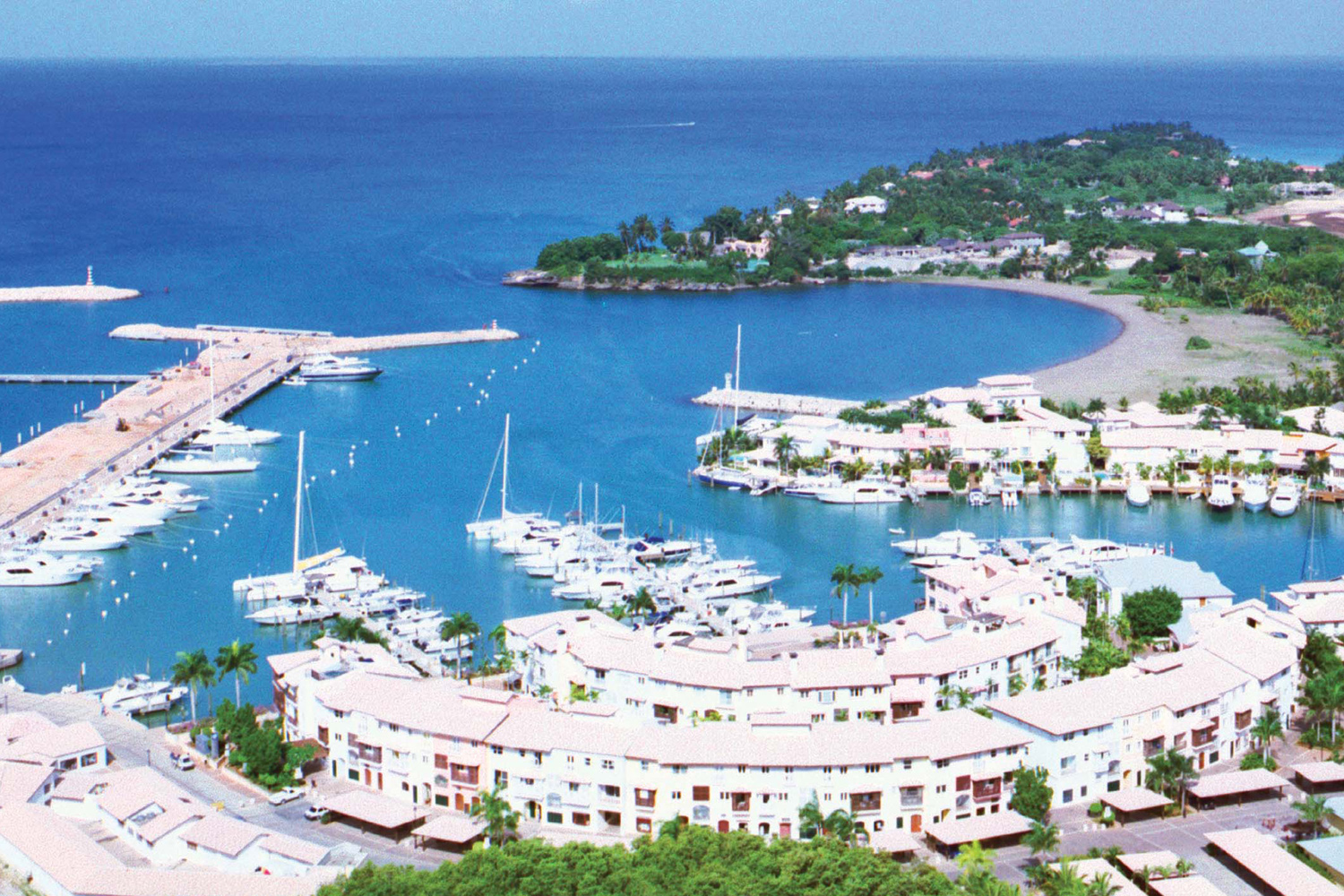
FOR TRAVEL--- CASA DE CAMPO, LA ROMANA, DOMINICAN REPUBLIC, AERIAL

FOR TRAVEL— CASA DE CAMPO, LA ROMANA, DOMINICAN REPUBLIC, AERIAL

Sweet deal why are these men smiling? The reason is in your sugar bowl

By Donald L. Barlett and James B. Steele

Occupying a breathtaking spot on the southeast coast of the Dominican Republic, Casa de Campo is one of the Caribbean’s most storied resorts. It bills itself as “a hedonist’s and sportsman’s dream,” and that’s truth in advertising. The place has 14 swimming pools, a world-class shooting ground, PGA-quality golf courses and $1,000-a-night villas.

A thousand miles to the northwest, in the Florida Everglades, the vista is much different. Chemical runoff from the corporate cultivation of sugar cane imperils vegetation and wildlife. Polluted water spills out of the glades into Florida Bay, forming a slimy, greenish brown stain where fishing once thrived.

Both sites are the by-product of corporate welfare.

In this case the beneficiaries are the Fanjul family of Palm Beach, Fla. The name means nothing to most Americans, but the Fanjuls might be considered the First Family of Corporate Welfare. They own Flo-Sun Inc., one of the nation’s largest producers of raw sugar. As such, they benefit from federal policies that compel American consumers to pay artificially high prices for sugar.

Since the Fanjuls control about one-third of Florida’s sugar-cane production, that means they collect at least $60 million a year in subsidies, according to an analysis of General Accounting Office calculations. It’s the sweetest of deals, and it’s made the family, the proprietors of Casa de Campo, one of America’s richest.

The subsidy has had one other consequence: it has helped create an environmental catastrophe in the Everglades. Depending on whom you talk to, it will cost anywhere from $3 billion to $8 billion to repair the Everglades by building new dikes, rerouting canals and digging new lakes.

Growers are committed to pay up to $240 million over 20 years for the cleanup. Which means the industry that created much of the problem will have to pay only a fraction of the cost to correct it. Government will pay the rest. As for the Fanjuls, a spokesman says they are committed to pay about $4.5 million a year.

How did this disaster happen? With your tax dollars. How will it be fixed? With your tax dollars.

It is not news that sugar is richly subsidized, or that the Fanjuls have profited so handsomely. Even as recently as 1995, when Congress passed legislation to phase out price supports for a cornucopia of agricultural products, raw sugar was spared. Through a combination of loan guarantees and tariffs on imported sugar, domestic farmers like the Fanjuls are shielded from real-world prices. So in the U.S., raw sugar sells for about $22 a pound, more than double the price most of the world pays. The cost to Americans: at least $1.4 billion in the form of higher prices for candy, soda and other sweet things of life. A GAO study, moreover, has estimated that nearly half the subsidy goes to large sugar producers like the Fanjuls.

A spokesman for Flo-Sun, Jorge Dominicis, said the company disagrees with the GAO’s estimate on the profits the Fanjuls and other growers derive from the program.

“That is supposed to imply somehow that our companies receive $60 million in guaranteed profits,” he said, “and that is flat-out not true. Our companies don’t make anywhere near that kind of profit.”

Dominicis, like other proponents of the sugar program, contends that it doesn’t cost taxpayers a penny and is not unlike government protection of other American industries. “If our [sugar policy] is corporate welfare, which I don’t believe it is, then all trade policy is corporate welfare,” he says.

Flo-Sun is run by four Fanjul brothers, Alfonso (“Alfie”), Jose (“Pepe”), Andres and Alexander. Their family dominated Cuba’s sugar industry for decades, and they came to this country with their parents in 1959, after Fidel Castro seized power. The Fanjuls arrived just as a U.S. Army Corps of Engineers project to control the flow of water in the Florida Everglades made large-scale development possible. The total acreage planted in sugar cane there soared–from 50,000 acres in 1960 to more than 420,000 today.

Within that swampy paradise lies yet another subsidy. Each year, according to a 1997 estimate, the Army Corps of Engineers spends $63 million to control water flow in central and south Florida. This enables growers to obtain water when they need it or restrain the flow during heavy rains. Of the $63 million, the Corps estimates $52 million is spent on agriculture, mainly sugar-cane farmers, in the Everglades.

Even with the additional production from the Glades, propped up by price supports, the U.S. can’t produce all the sugar it needs. The Federal Government rations access to the lucrative U.S. market by assigning quotas to 40 sugar-producing nations, most of them developing countries. And, remarkably, the Fanjuls have found riches here too. Every year, the country that receives the largest sugar quota is the Dominican Republic. With a per-capita income of $1,600 a year and an unemployment rate hovering around 20%, that Caribbean nation needs all the economic help it can get. And who is the largest private exporter of Dominican sugar? The Fanjuls, thanks in part to their long-standing relationship with the Dominican Republic’s politicians. Through a subsidiary, Central Romana Ltd., the brothers grow sugar cane and operate the world’s largest sugar mill there. The profit margin is substantial, partly because cane cutters on the island earn about $100 a month, making production costs much lower than in Florida. From their Dominican plantation the Fanjuls export roughly 100,000 tons of raw, duty-free sugar each year to the U.S.

Whether they sell sugar from their holdings in the Everglades or from their mill in the Caribbean, the Fanjuls are guaranteed a U.S. price that is more than double anywhere else in the world. As might be expected, having it both ways has propelled the Fanjuls into the ranks of the richest Americans. Their wealth is counted in the hundreds of millions of dollars.

And although they appear frequently in the society pages, the Fanjuls won’t be caught dead in the financial section. As Emilia Fanjul, the wife of Pepe, once confided to a society reporter, “We like to be private about the business.”

Depending on the season, the Fanjuls can be found shooting game in Scotland, skiing in Switzerland or relaxing at their spectacular Casa de Campo. These 7,000 acres overlooking the sea have long been a favorite playground of the wealthy. But Palm Beach is still their real home, and Florida is still the heart of their financial empire. They now farm an estimated 180,000 acres of cane-producing land in the Everglades–43% of the total–making them one of the two-largest sugar growers in the state.

For decades, this region has been home to one of the worst jobs in America–hacking cane with a machete. Until the work was mechanized in the 1990s, the growers had to bring in thousands of cane cutters from the Caribbean every season. Yet in preserving the subsidy that has made millionaires of the Fanjuls, Congress has cited the fact that it saves American jobs.

Migrant-labor organizations and legal-aid groups in Florida have long waged an ongoing battle with the Fanjuls and other growers over the abysmal conditions. Greg Schell, an attorney with the Migrant Farmworkers Justice Project in Belle Glade, Fla., contends that of all the growers, the Fanjuls have treated their workers the worst. “They are in a class by themselves,” he said. A lawsuit seeking back wages and benefits is expected to go to trial next spring.

Every few years, critics of the sugar program attempt to roll back the subsidy that has enriched the Fanjuls and kept sugar prices high. And every time they fail, largely because of the power of the sugar lobby, which includes not just large growers like the Fanjuls but thousands of small sugar-beet farmers in other parts of the nation.

Though by no means the largest special interest in Washington, the sugar lobby is one of the most well-heeled. And among growers, the Fanjuls are big givers. Family members and corporate executives have contributed nearly $1 million so far in this decade, dividing the money fairly evenly between political parties.

This knack for covering all political bases carries all the way to the top of the Fanjul empire. Alfonso Fanjul served as co-chairman of Bill Clinton’s Florida campaign in 1992. His brother Pepe was national vice chairman of finance for Bob Dole’s presidential campaign in 1996 and was host to a $1,000-a-head fund raiser for Dole at his Palm Beach mansion. After Clinton’s 1992 victory, Alfie was a member of the select group invited by the Clinton camp to attend the President-elect’s “economic summit” in Little Rock, Ark.

That’s access.  Source: CNN.com

The Sugar Babies

https://en.wikipedia.org/wiki/The_Sugar_Babies

The film officially premiered at the Montreal International Haitian Film Festival, but preview screenings in Paris and Miami led to heated controversy.[1][2]

The Miami screening of the film, which included many members of the hispanic media of South Florida and from the Dominican Republic, was the subject of a cease and desist order one hour before the time of screening, as well as a bribery scandal when several radio producers came forward to state that Dominican diplomats had offered them bribes to disrupt the screening and give the film a bad review.[3][4] The Paris screening of the film was also the subject of a sabotage attempt.[5]

The film made “Official Selection” at Unifem‘s Through Women’s Eyes Film Festival, the New Orleans International Human Rights Film Festival, and the Buffalo Niagara Film Festival. The film also made “Official Selection” at both the Miami International Film Festival and the Women’s International Film Festival but was ostensibly withdrawn from both South Florida festivals due to pressure from the sugar industry.

The Sugar Babies won the Jury Prize for Best Documentary at the Delray Beach Film Festival,  continues to be screened in film festivals and educational venues, and is on tour with Amnesty International in France.

The Sugar Babies won the Jury Prize for Best Documentary at the Delray Beach Film Festival: Love you Michael Posner!

(Michael Posner is President founder and programme director.) (PS My film got it’s first award at the Delray Beach Film Festival)

http://www.sptimes.com/2008/03/09/news_pf/State/Filmmaker__festival_a.shtml

Filmmaker, festival at odds

The creator accuses Florida’s powerful sugar industry of blackballing Sugar Babies.

Associated Press
Published March 9, 2008


MIAMI – From their perch atop Florida’s sugar industry, the Fanjul family wields political and cultural power from the sunny sands of Palm Beach to the corridors of Washington.

Now filmmaker Amy Serrano believes the family has used that power to block the showing of her documentary critical of the family’s umbrella company, Flo-Sun Inc., at the Miami International Film Festival. And she says her project about the Fanjuls is not the only one to run into trouble in recent months. She points to the fight the CBS-TV series Cane faced before it was aired.

“I feel like my film has been blackballed,” said Serrano of her documentary, The Sugar Babies. It’s about the mistreatment of Haitian sugar workers in the Dominican Republic, where the Fanjul family and other companies harvest cane.

Gaston Cantens, a spokesman for the Fanjuls’ West Palm Beach Florida Crystals Corp., called any accusation that the Fanjuls exerted undue pressure ridiculous.

Serrano’s film was rejected from the festival, which ends today, days before the final lineup was announced. The rejection came despite initial support from the festival’s organizers and acclaim at more than a dozen other festivals worldwide.

Serrano said she has no proof the Fanjuls were behind the decision but maintains explanations for her film’s rejection and the subsequent response from another Miami festival were suspicious.

Films about other sugar families are running into direct opposition from their subjects.

The Dominican Republic’s Vicini sugar family recently hired a Washington, D.C., law firm to sue the makers of another documentary, The Price of Sugar, for defamation.

Cantens said the sugar industry is tired of one-sided portrayals of “big sugar.”

“For years we kind of took it on the chin,” he said of stories alleging worker mistreatment and environmental pollution. “We’re tired of taking it on the chin, and we’re fighting back.”

The Fanjuls’ political influence is no small thing. It was the Cuban-American patriarch Alfie Fanjul’s telephone call that interrupted President Bill Clinton during an indiscreet moment with Monica Lewinsky in the Oval Office. The family and its network have already given more than $300,000 so far in the 2008 election cycle to political committees and candidates from both major parties.

Serrano, a Cuban-American and Miami native, said festival officials initially gushed over her film in November. Back then, she told organizers she had already exhibited it elsewhere, including for students at Florida International University in Miami. It was a private showing but made local headlines when media showed up with the Dominican consul, who denounced the portrayal of his country.

Film festival officials originally said the FIU showing was fine, according to e-mail exchanges with Serrano. But, on Jan. 25, Serrano got another letter telling her the showing was a problem because of the media coverage, which disqualified it.

Festival director Patrick de Bokay denied the Fanjuls pressured him, saying “you have to make hard decisions, and you cannot take all the films.”

Bokay said he offered to hold a special screening for The Sugar Babies at a later date.

That would mean much less publicity – and less controversy, Serrano said.

Days after the film festival’s rejection, the Women’s International Film Festival in Miami, which opens March 26, also began to backpedal on its invitation to show the film, Serrano said. Eventually the organizers offered a small theater with a forum to bring in different views.

Serrano, who has lined up a number of other festivals, plans to decline.

The Fanjuls dropped their lawsuit against Cane, a Cuban-flavored mix of Dynasty and Dallas set among South Florida’s sugar fields, only after producers changed details.

I wrote about this yesterday.

https://cyndi-lenz.com/2015/06/11/throwback-thurs-cane-the-tv-show/

That’s all that I can find right now.

Do we need another documentary that will not get shown because of political pressure from the Fanjuls?

I think we need something that will amass a bigger audience. Like a reality show. I don’t actually watch reality shows but I bet you guys that do would have some great ideas.

You have to watch this so funny

ACOE and the Herbert Hoover Dike: We should be up in arms together!

To the people of Clewiston, Florida

ACOE and the Herbert Hoover Dike: We should be up in arms together!

Army_CoE_sign_Hoover_Dike

Let’s take a moment to remember when the discharges came back in 2013 and we all went to Phipp’s Park. 7000 of us together in true Solidarity. The day most of us met each other.

That day we all heard this speech from the Indian RiverKeeper Marty Baum.

For many of us this was a call to action. For the people of Clewiston it was a call to flood them and make them float away. Of course, that’s not what Marty said. He didn’t say flood the houses. He said flood the fields and he was referring big sugars ability to keep their water at the exact height needed.

I posted that video of Marty on my old video blog on UVU which was part of WPBT2. I’m not sure what happened to UVU but I posted a lot of content there.

DSC_0076

I posted Mark Perry, the video of the march to the locks, and others that got a decent amount of views. Marty’s video got 2400 views which is huge.

After the Sugarland Rally, when the people of Clewiston were accusing us of wanting to flood them I realized that probably every person in Clewiston probably saw that video. There was no explaining to them what the intention was. Their minds were set.

We heard that we HAD to have to discharges to protect the people that live south of the lake. Most of us understand that. That was 2 years ago and many millions of dollars.

Are the people south of lake any safer today than they were then?

This is from 2013

http://www.hurricaneanalytics.com/2013/02/three_levee_fact

. The levee is expected to fail. I know that sounds bad, and it is. FEMA is apparently planning to update flood assessments this summer and redraw flood maps for Palm Beach and Martin counties. These flood maps are expected to be drawn as if the levee around Lake Okeechobee didn’t exist. In other words, they are not counting on the levees to protect against flooding.

2. The Herbert Hoover Dike is in the highest failure category of the Army Corps risk scale. Current efforts are being directed at reducing the risk category, but as it stands (and even after millions of dollars worth of improvements) the levee protecting the area still carries the highest risk classification (DSAC 1) of any dam in the United States.

3. There is no emergency spillway, nor is one planned to be built. There is no good, controlled way to drain off excess water from the lake should a large amount of rain fall in a short amount of time. Lake Okeechobee fills six times faster than it can be drained, and a foot of rainfall would result in 3 to 4 feet of water rise in the lake. Current levees will start to fail when the lake rises above 18.5 feet above mean sea level (it’s at roughly 14 feet currently), and significant levee problems are almost certain to occur when the lake reaches 20 feet over MSL.

This is from 2015.

http://www.constructionequipmentguide.com/Improvements-Continue-for-Herbert-Hoover-Dike/21625/

“In what appears to be a never-ending task, U.S. Army Corps of Engineers crews in Florida continue working on the outdated Herbert Hoover Dike surrounding Lake Okeechobee — the state’s largest freshwater lake. Since 2007, teams have performed various tasks to reduce the risk of dike failure due to flooding from high water levels.”

Because of the construction methods used in the 1930s, the dike is susceptible to erosion of the earthen embankment,” said John Campbell, public affairs specialist of the Jacksonville District, U.S. Army Corps of Engineers (USACE). “Over the past six years, we have installed a 21.4 mile concrete barrier known as a cutoff wall into the southeast quadrant of the dike. The cutoff wall is designed to reduce seepage and prevent erosion.”

The cutoff wall extends from roughly 6 ft. (1.8 m) from the top of the dike through the foundation to several feet beyond the limestone bedrock, averaging between 60 to 80 ft. (18.3 to 24.4 m) below the crest of the dike. It’s considered crucial to the rehabilitation effort, although is by no means a solution to a complex problem. Despite a multi-million dollar effort by USACE, the dike remains on a national shortlist of unsafe class 1 dams, with a category defined as either “almost certain to fail under normal operations” or at “extreme risk of failure with high fatalities and economic losses.” Campbell said progress has been made, but there is a long way to go.

“The $200 million invested so far made it possible to install the cutoff wall in the southeast quadrant of the dike between Port Mayaca and Belle Glade,” said Campbell.

TWO HUNDRED MILLION DOLLARS and the people are no safer than they were two years ago.

Anyone say Big Dig?

People of Clewiston you should be up in arms!

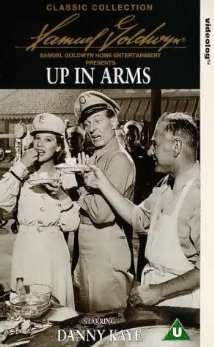
Up in arms

We should be up in arms because as long as this is the case our discharges will never stop.

We should be up in arms together.

I feel  like Danny Kaye in this clip.

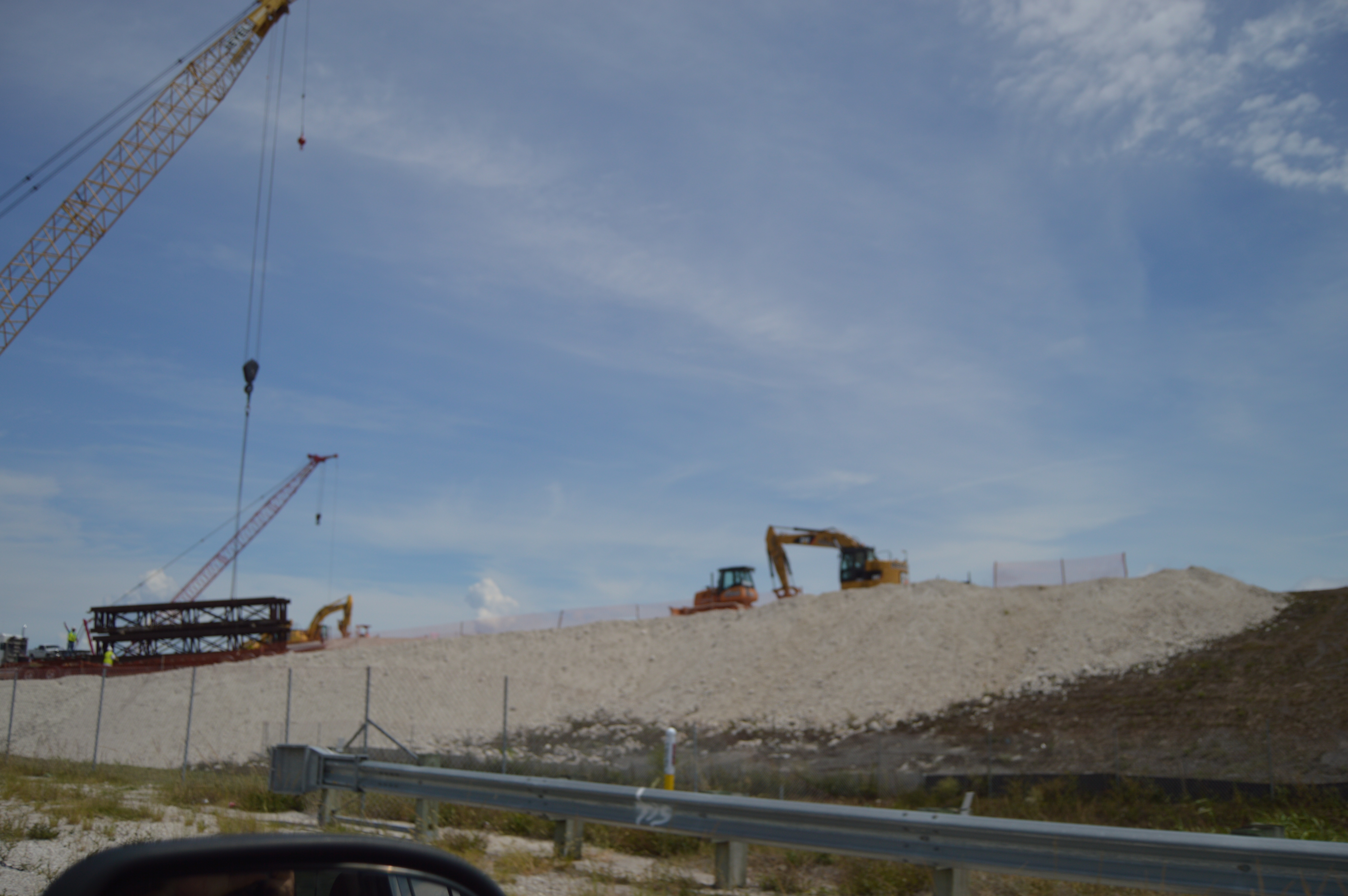
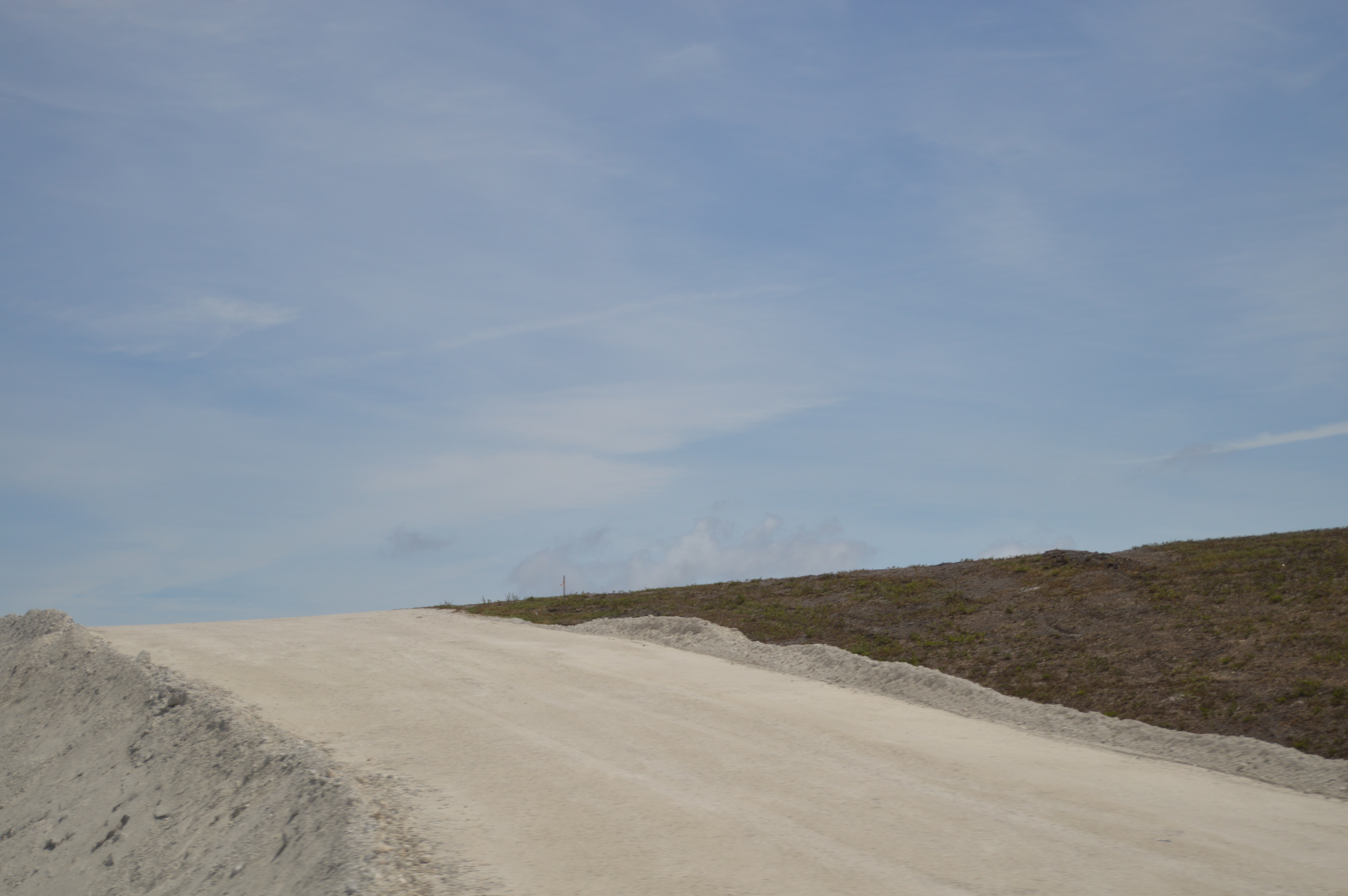
Here are some photo’s I took from the car as Julie and I whizzed by last weekend.

DSC_0015 DSC_0014 DSC_0013 DSC_0012 DSC_0011 DSC_0010 DSC_0009

There was one spot that looked like a giant sand bag. Not a lot of confidence going into hurricane season.

The reason I bring this up is because our campaign to build a reservoir ended with discharges and toxic green algae sightings and it felt like what went around came around and we were back to square one with the ACOE. The people south of the lake are still in grave danger.

Don’t you think that having a reservoir south of the lake would take some pressure off those dikes and help to keep those people safer?

It felt like ring around the rosey.

It felt like deja vu all over again.

So just a note to the folks out in Clewiston. If you want to be upset with someone be upset with the ACOE and be upset with your bosses at big us sugar corp who are against anything that will keep you safe.

gumbe

DSC_0054

Our STA 5/6 and their good neighbor US Sugar Corp

@SFWMD

@joenegronfl

Our STA 5/6  and their good neighbor US Sugar Corp

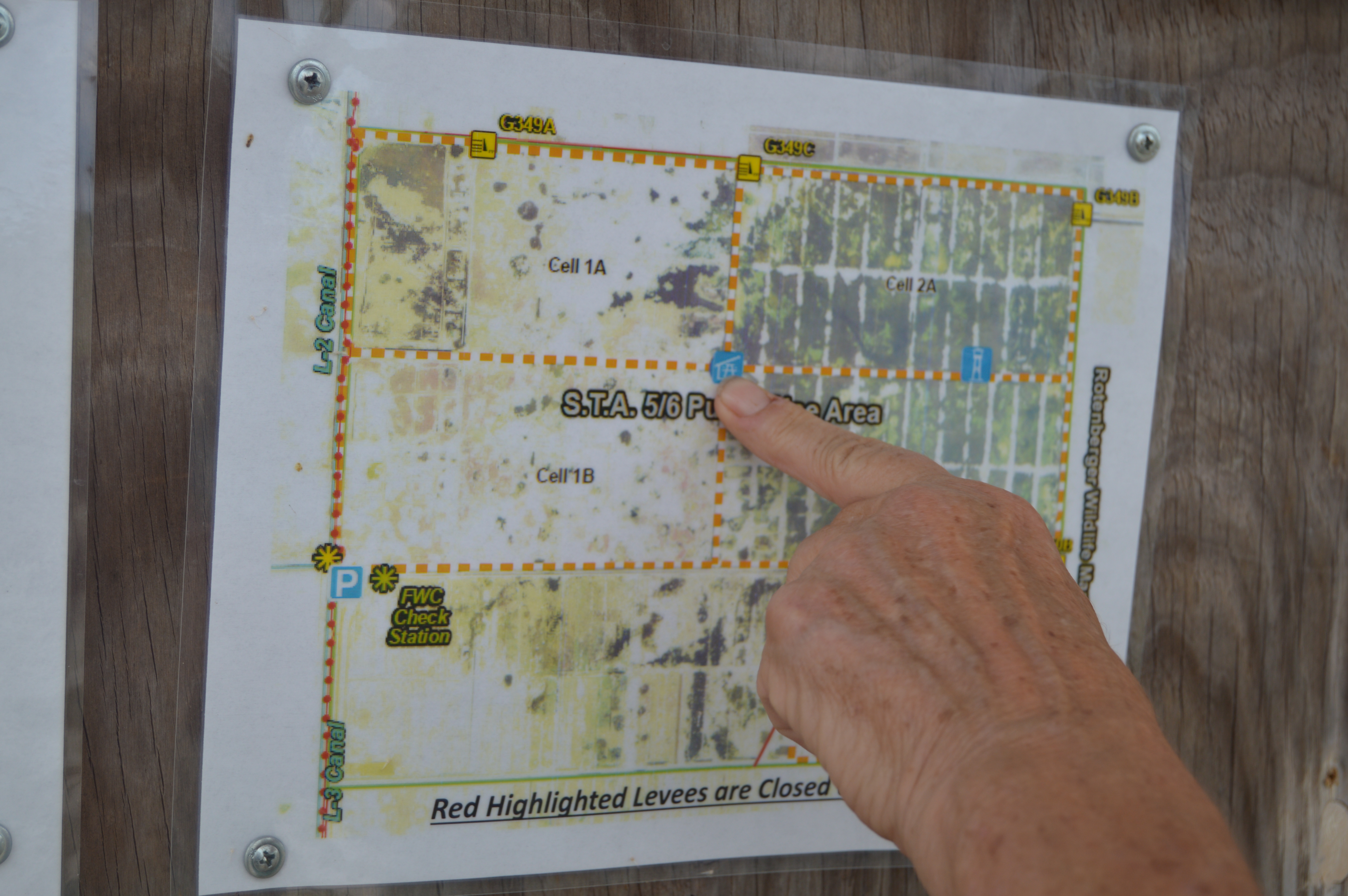
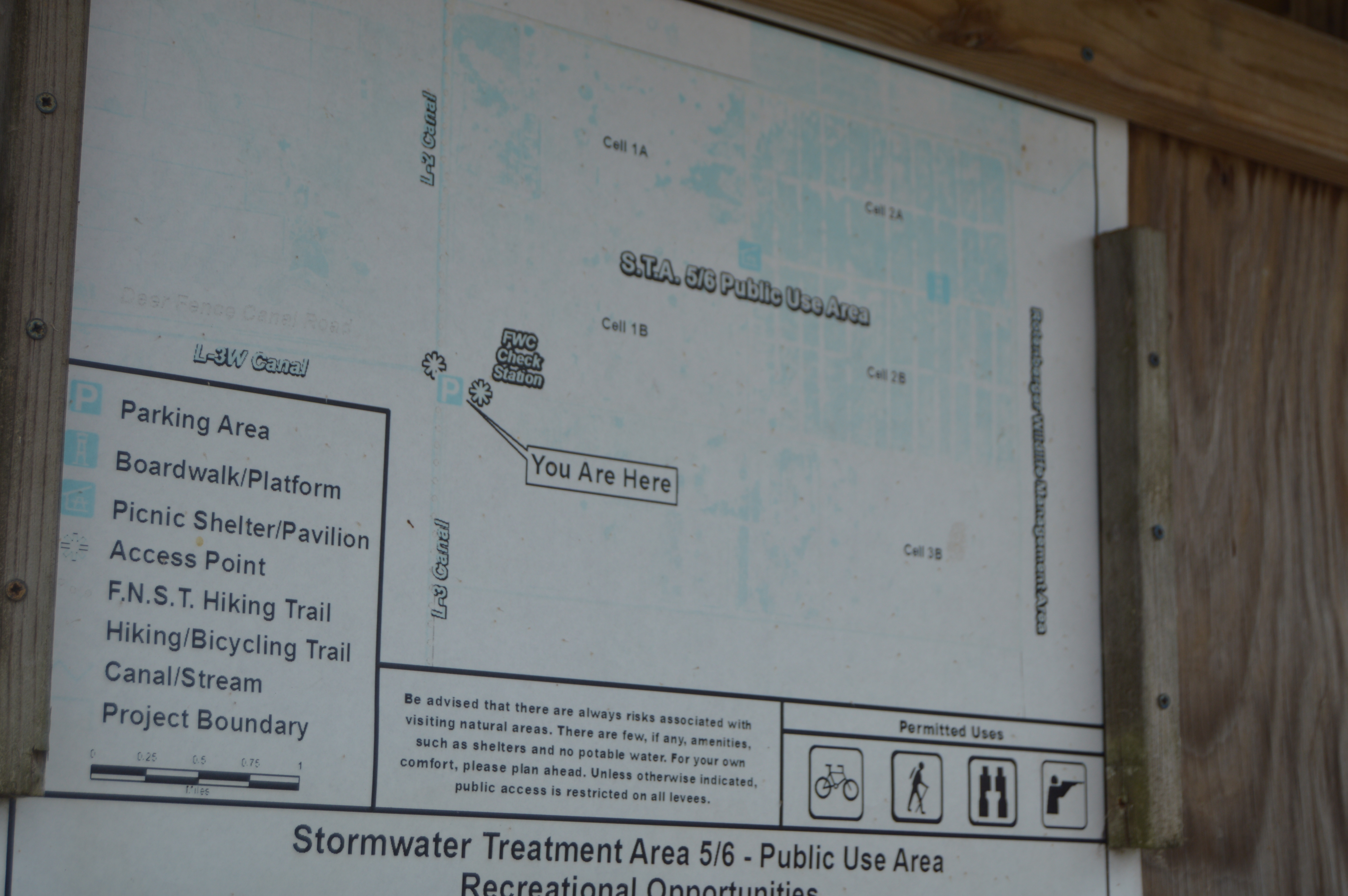
This past weekend my friend Jules and I went to visit STA 5/6. I wanted to see the STA’s. The Board of Governors were all over these places and how fabulous they were. I needed to see for myself. They could not have been talking about this place. Do you think they have even been here?

What is an STA?

Here’s a good link

http://www.sfwmd.gov/portal/page/portal/xrepository/sfwmd_repository_pdf/bts_sta.pdf

This is what they had on their website for STA 5

http://my.sfwmd.gov/portal/page/portal/pg_grp_sfwmd_landresources/pg_sfwmd_landresources_recopps_se_sta5

Photo on TOP

777_subsite_landresources

So this is what I thought I was going to be seeing

Stormwater Treatment Area 5/6 (STA-5/6)

Stormwater Treatment Areas (STAs) are constructed wetlands designed to aid in Everglades restoration. STAs remove phosphorus from runoff water by channeling it through shallow marshes filled with aquatic plants such as cattail, southern naiad and algae. These plants take up or absorb phosphorus from water traveling through, reducing to very low levels the amount of the nutrients reaching the Everglades or Lake Okeechobee.

STAs provide another bonus – prime home and visiting territory to wildlife including wading birds, ducks and American alligators. A variety of nature-based recreational activities are allowed at several of these wetland locations.

Located on approximately 17,000 acres in eastern Hendry County, Stormwater Treatment Area 5/6 (STA-5/6) has become one of the premier bird-watching areas in Florida through a long-standing partnership with the Hendry-Glades Audubon Society. More than 200 bird species have been spotted at STA-5/6 on the seasonal, guided bird-watching tours offered by the local Audubon chapter. The site is also popular as a waterfowl hunting area managed by the Florida Fish and Wildlife Conservation Commission (FWC).

Access to STA-5/6 was expanded in 2013 with a public use area with shell-rocked parking, an informational kiosk,

DSC_0084 DSC_0082 DSC_0081

DSC_0087 DSC_0086 DSC_0085 DSC_0084

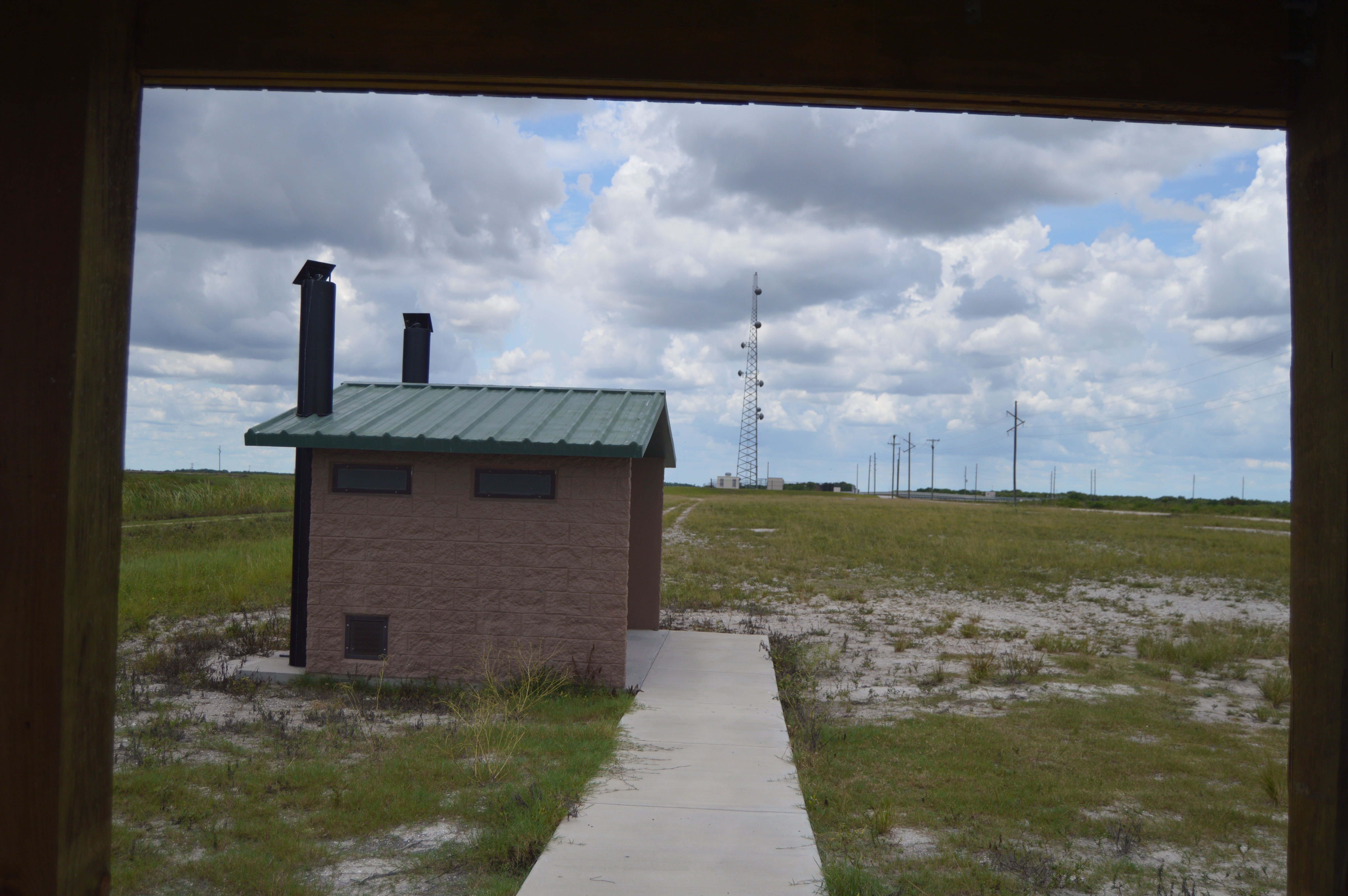
restrooms

DSC_0080

Gross inside and filled with spiders.

and a trail that includes a covered shade shelter and a boardwalk. Hiking, bicycling and bird-watching are among the activities visitors can enjoy from the public use area. In addition, a portion of the Florida National Scenic Trail runs along the L-3 levee on the west side of the STA.

The Trip to STA 5/6

The road to STA 5/6

The road to STA 5/6

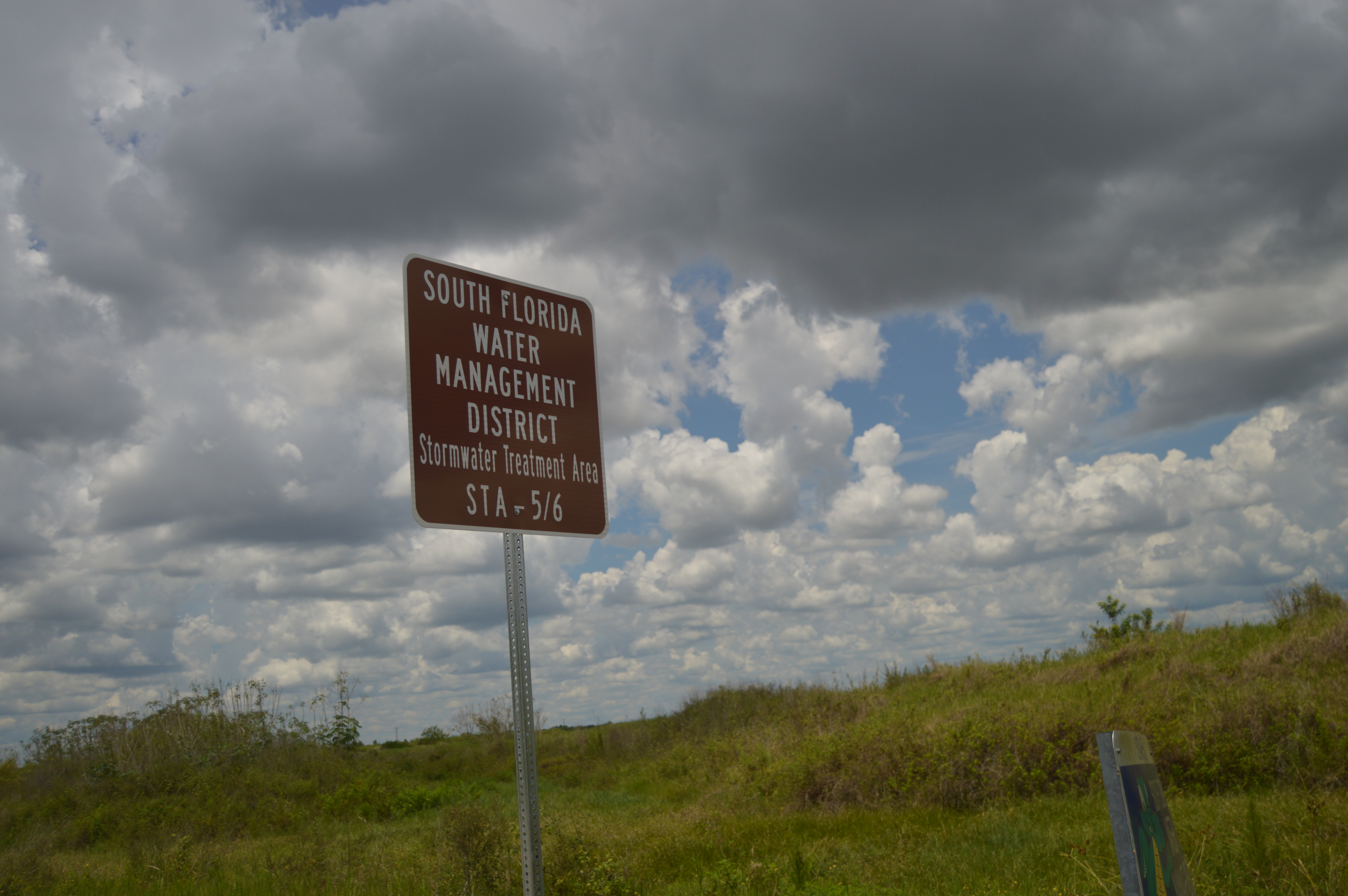
Signage for STA

Signage for STA

DSC_0039

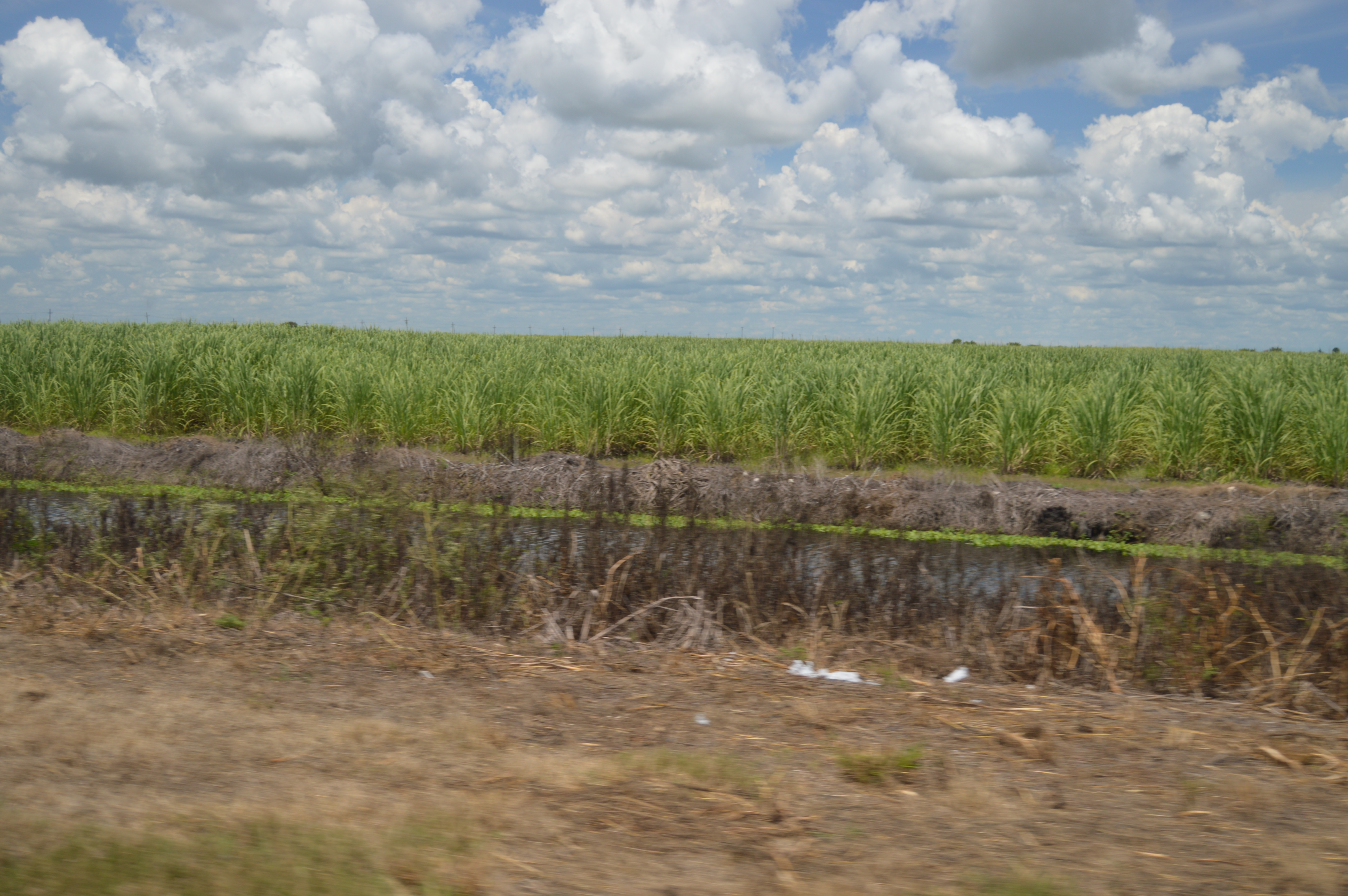
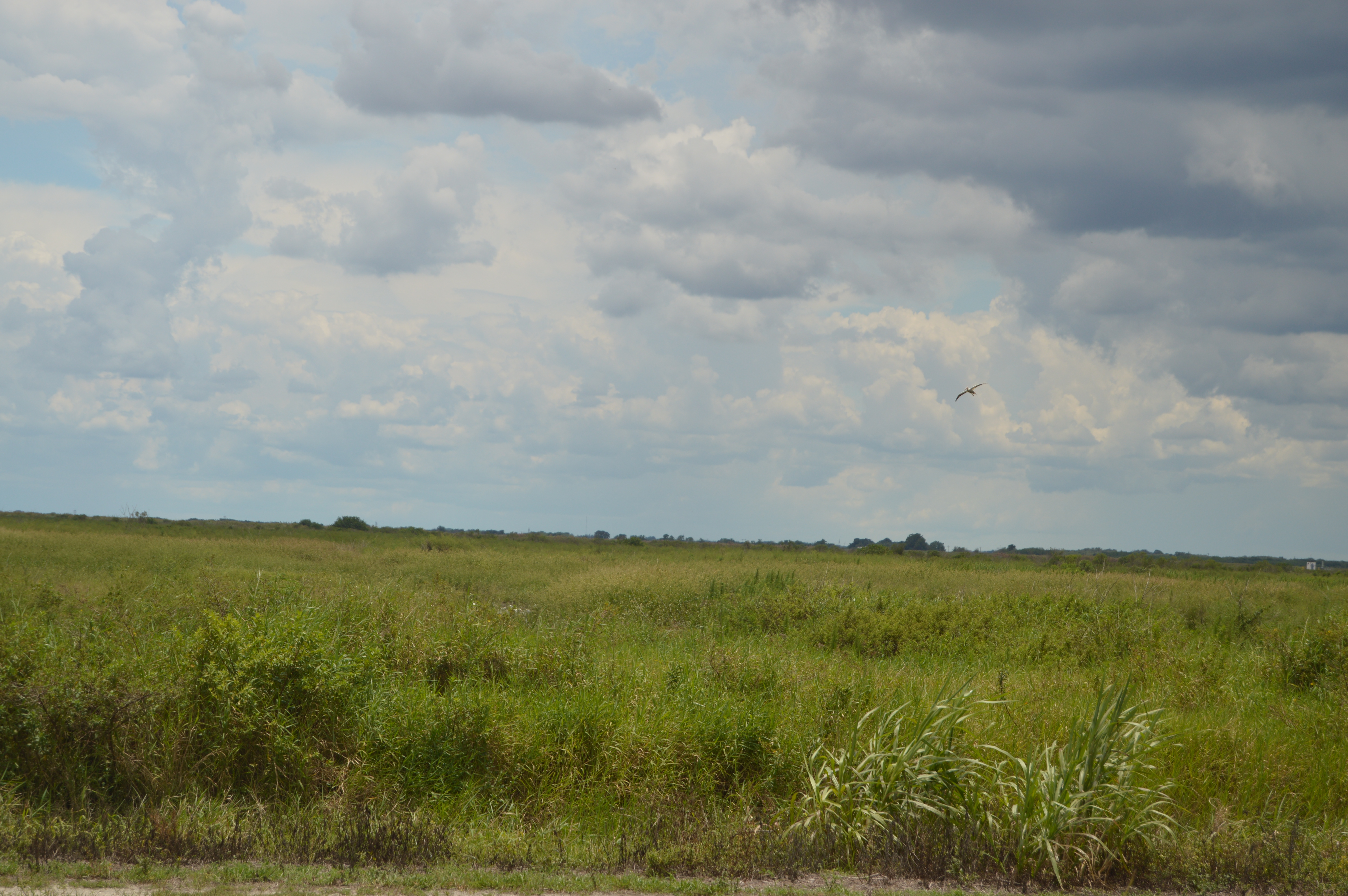
sugar fields in Clewiston. Notice the brown stuff near the water.  herbacides?

DSC_0042

These are canal on the side of the road filled with vegetation.

DSC_0041

and then we got lost

DSC_0052

and then we were found.

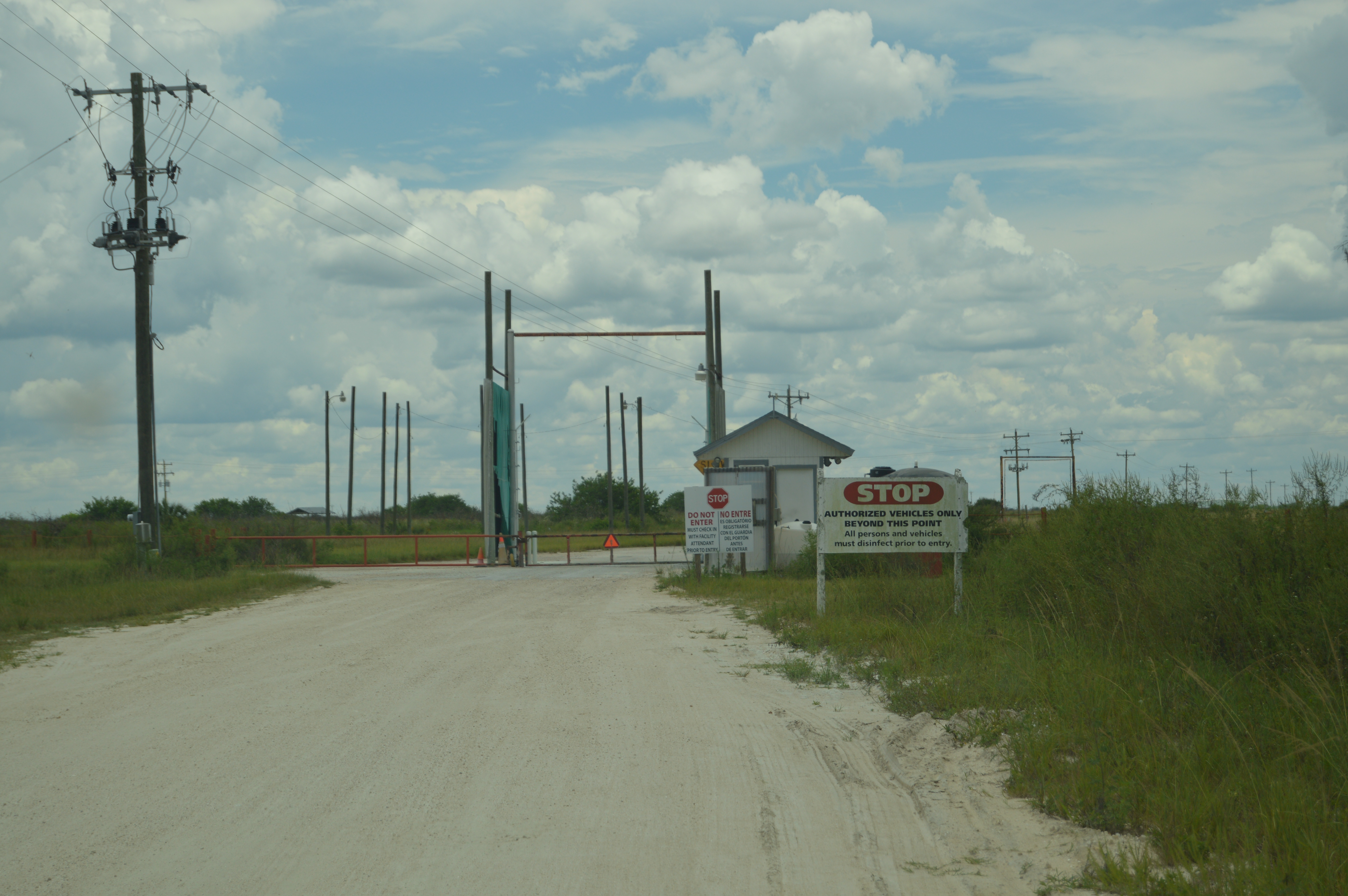
So when you pull onto Deerfence Canal Road  the STA is straight ahead and to the right to US Sugar Corp.

DSC_0055

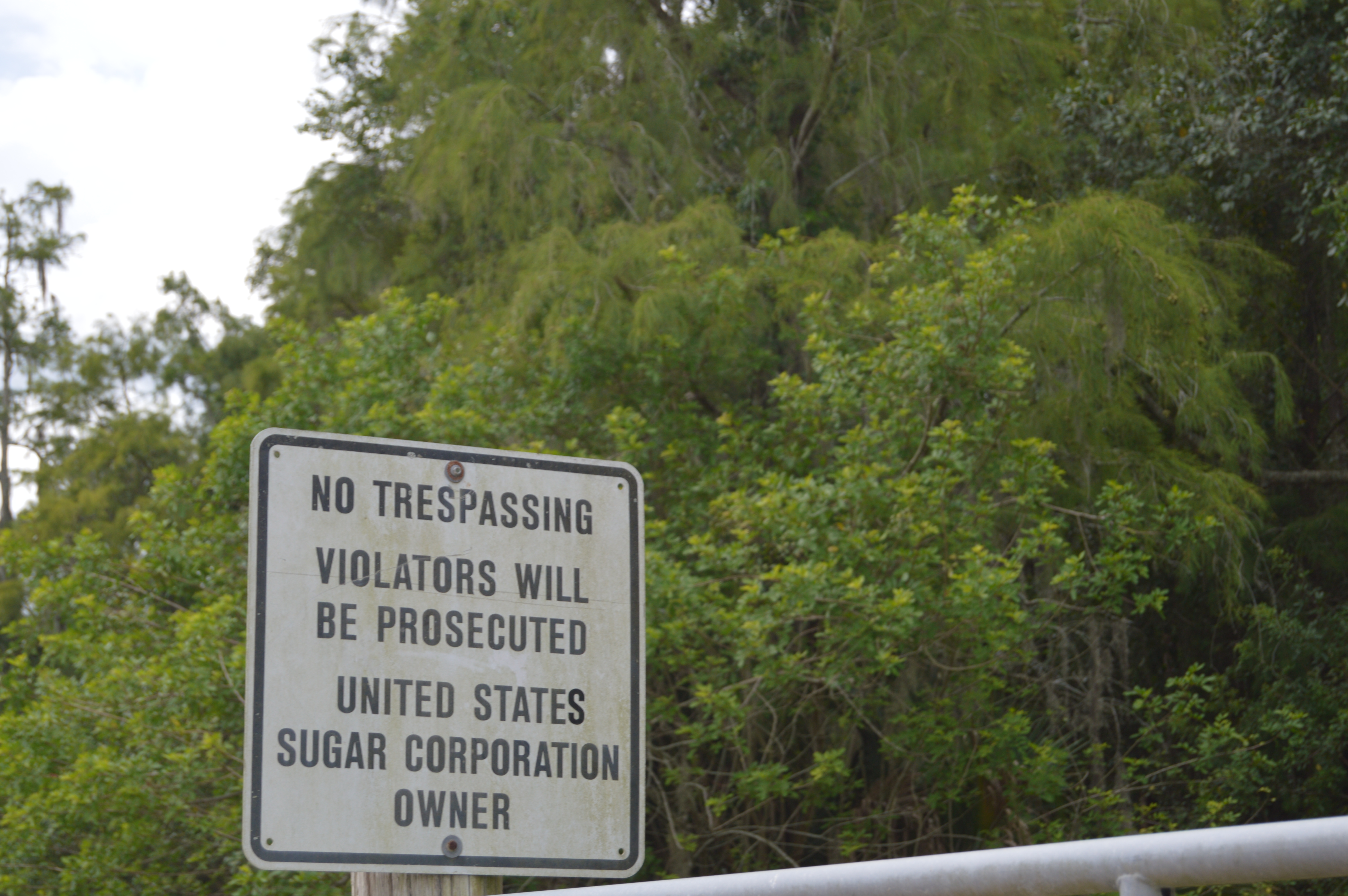
Gate for US Sugar Corp

DSC_0054

DSC_0060

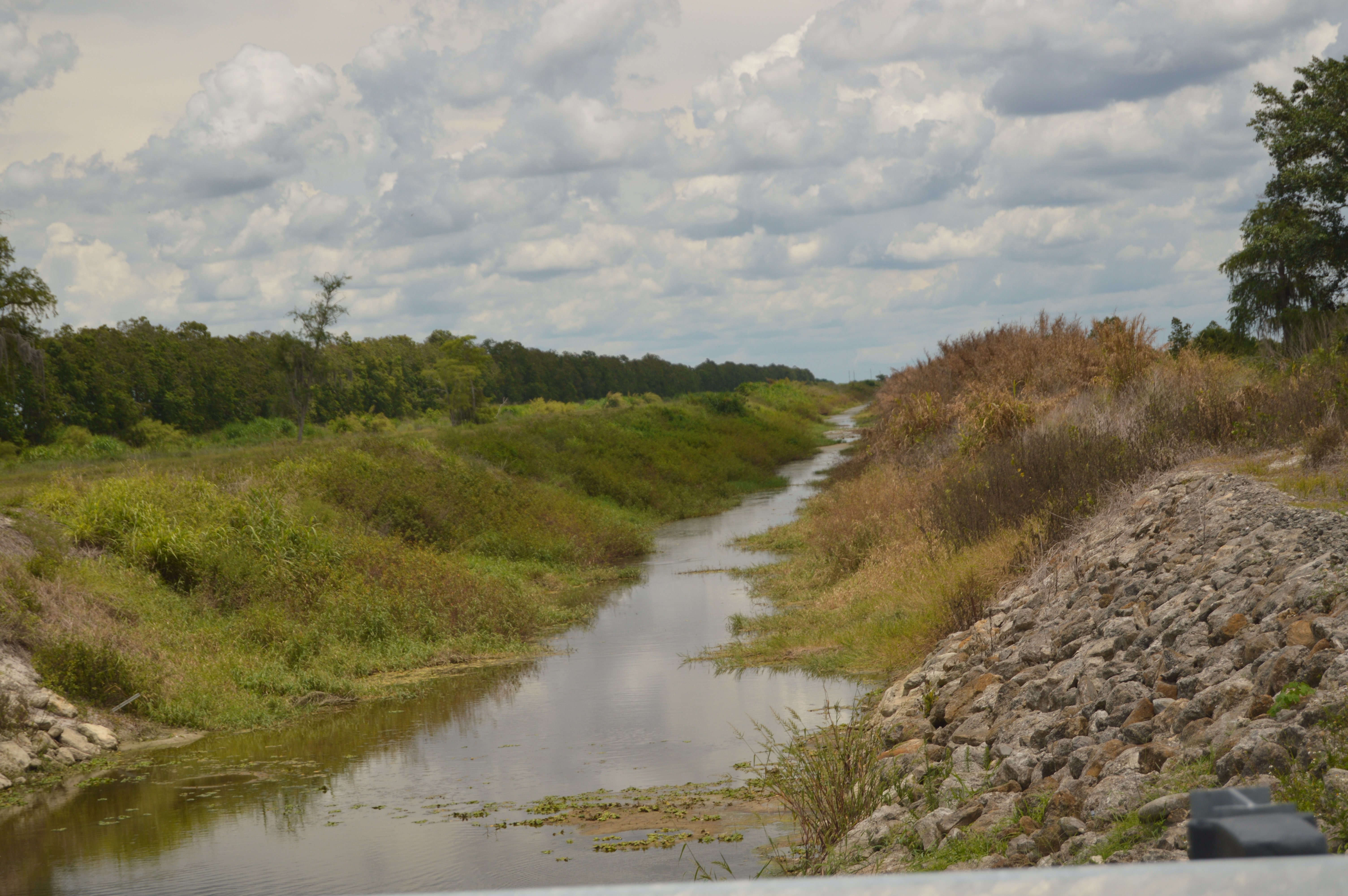
This is the water coming from the west running along side US Sugar Corp

DSC_0056

This is the water going towards the STA. Note Brown decayed vegetation on right looks like its bee sprayed with herbacides.

DSC_0058

DSC_0067

This is the water on the other side of the street going toward the STA

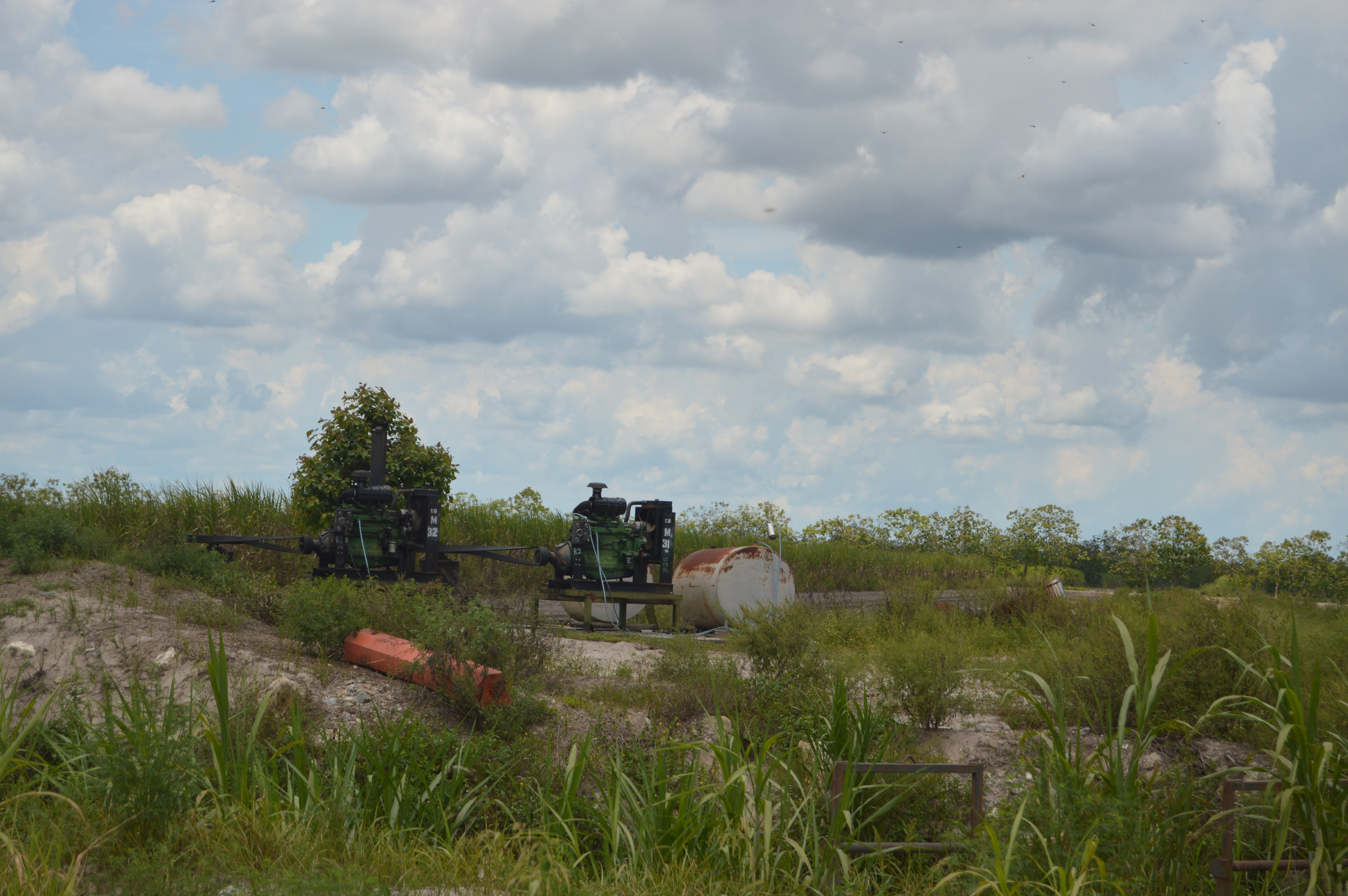
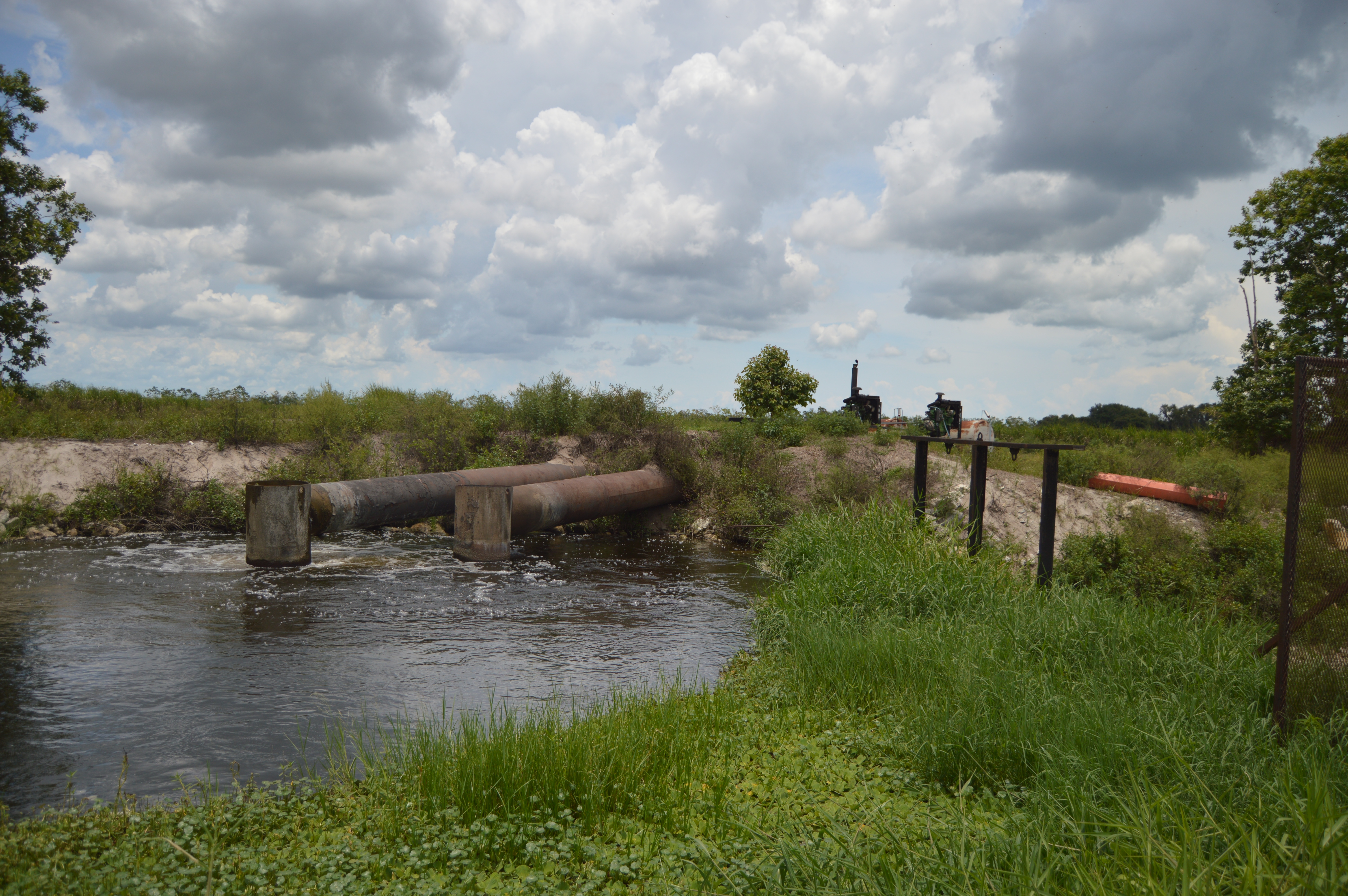
Then we got here. I have no idea what this is or what’s it for.

DSC_0066

DSC_0063

DSC_0068

but then after the water looked like this.

DSC_0069

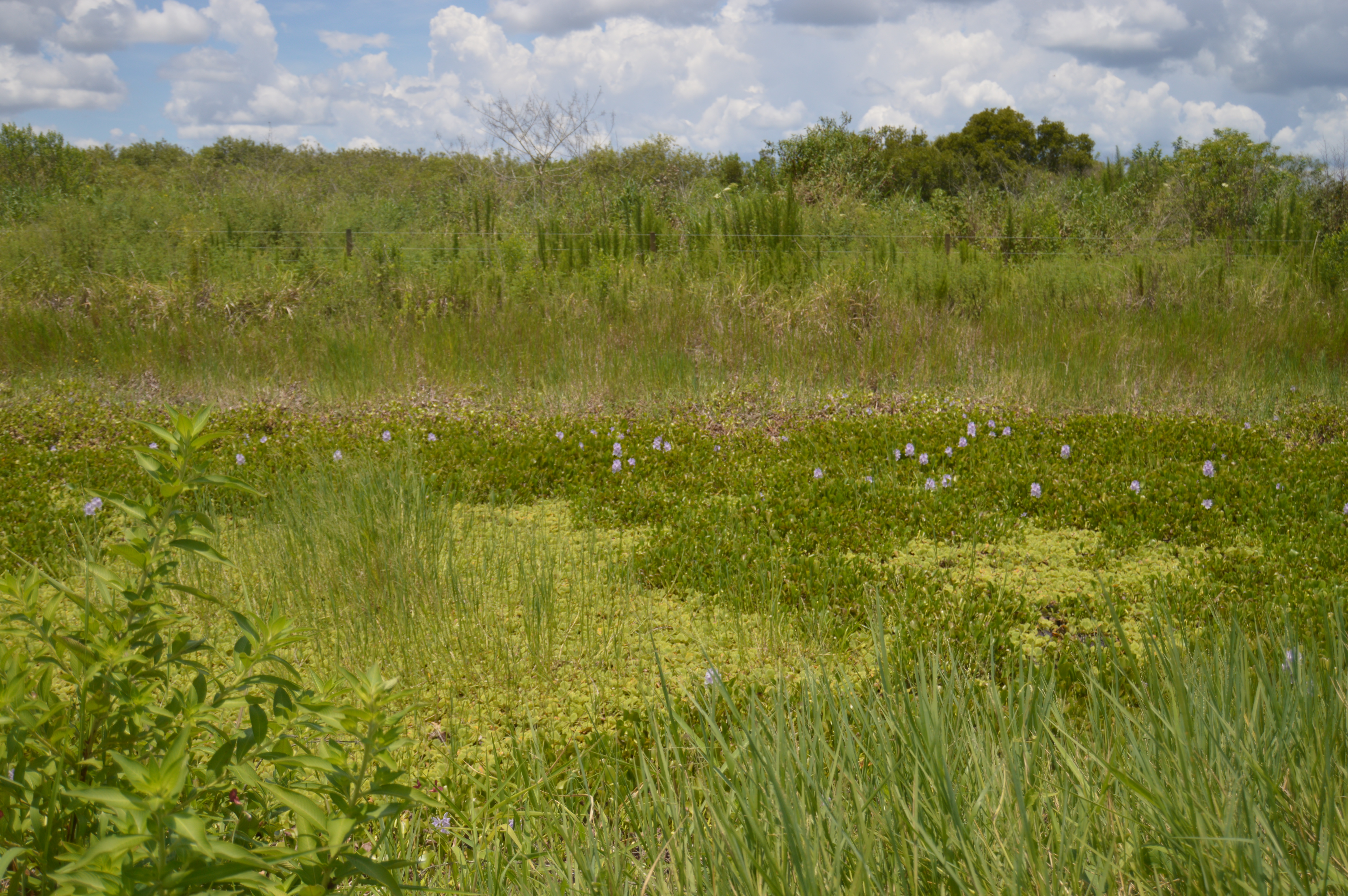
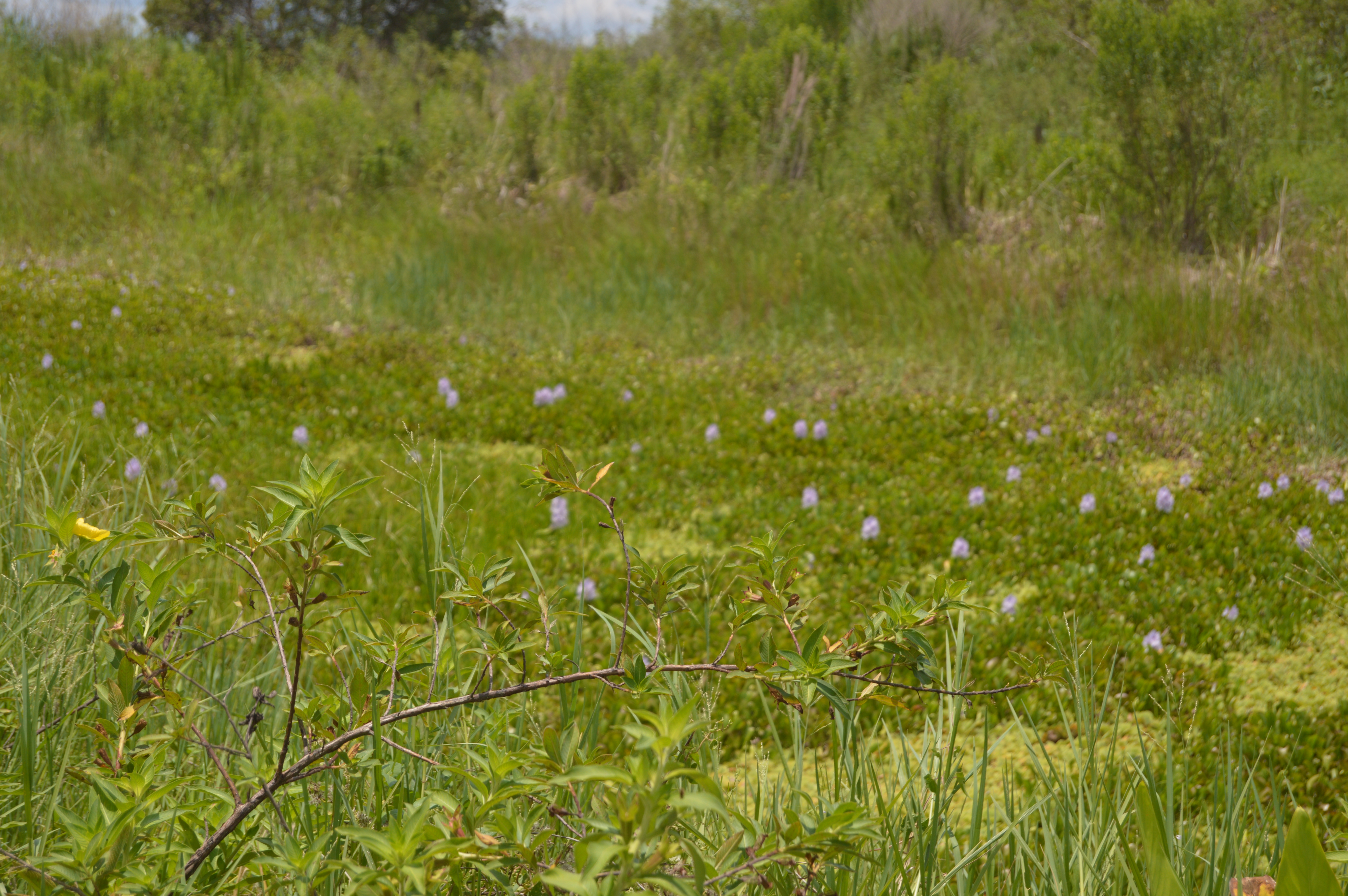
Again no judgement I have no idea what I’m looking at

We drove up the the STA’s

DSC_0074

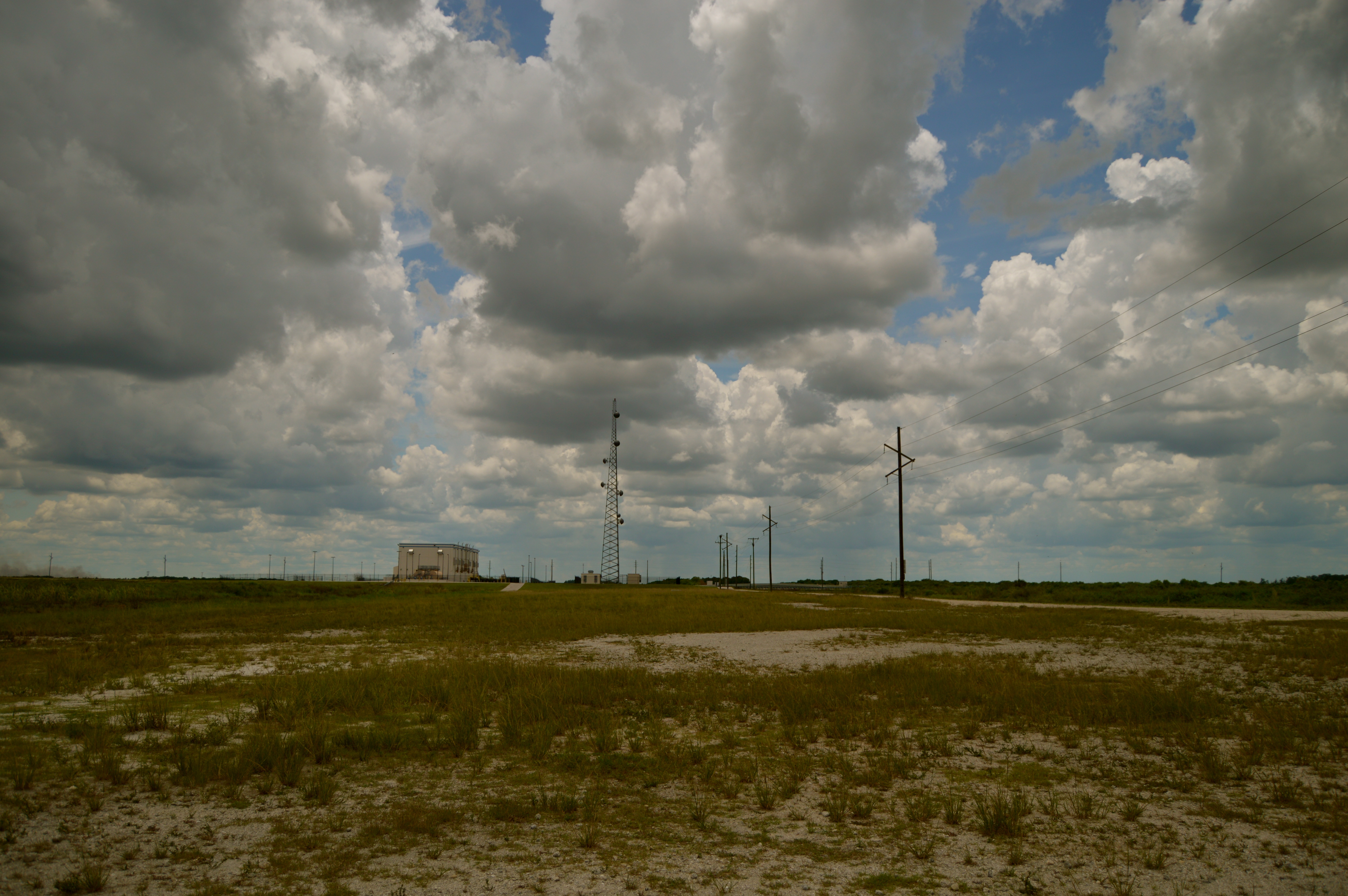
Building at STA 5/6

DSC_0078

STA 5

DSC_0096

sta 6

DSC_0088

sta 5

DSC_0092 DSC_0091 DSC_0089

14918072

STA-5 is accessible from the north or south.

  • From the north: Travel about one mile east of Clewiston on U.S. 27 to C.R. 835, (Evercane Road), or find this intersection about 13.5 miles west of South Bay.Once on C.R. 835 travel south and west about 26 miles to Deerfence Canal Road.
  • From the south: Use I-75, travel about 25 miles west of U.S. 27 on I-75 turn north at Snake Road exit. Follow this road northward 25 miles to C.R. 835 and turn east three miles to Deerfence Canal Road.Once at Deerfence Canal Road go east one mile to STA-5, cross the bridge and proceed to the east end of the public parking area.

MAPS

http://my.sfwmd.gov/portal/page/portal/xrepository/sfwmd_repository_pdf/sta5-pub-access-102213_with_levees_closed.pdf

Here’s some bird watching information

http://my.sfwmd.gov/portal/page/portal/xrepository/sfwmd_repository_pdf/sta5_birdwatch_information.pdf

Check the eco-tour it looks like fun!

Again. I’m not a hydrologist or geologist but it seems very dry down there. The canals were low. What good fortune for US Sugar Corp to have all this water just next door! Isn’t it? Who needs a reservoir when you have all the water you need right next door. I could definitely see why no one wants to mess with this.

I’d definitely bring my own potty! and don’t forget to stop by the US Sugar Corp guardhouse that sits next to the STA and say hi.

Sugar U: The US Sugar Corp

@sugarcard2

In a few week we’ll be going to the Sugar Summit that is being put together by our great friends, the Florida SIerra Club. I thought it was a good time to bone up on who’z who and what’s what.

Please feel free to chime in. Even at sugarcard2 – we want to hear from you!

Yesterday, my friend Jules and I went out to Clewiston. The headquarters for US Sugar Corporation resides there.

They call themselves ” America’s Sweetest Town.” Maybe sweet in sugar but not sweet people. The last time I went out there was to shoot “The Sugarland Rally”

Sugarland-540x675The Sugarland Rally was a really sincere effort to bring people together to discuss our water issues together. Lead by our friend Justin Riney. This was their message.

An open letter to Florida residents from The Sugarland Rally Committee:

Dear Florida,

Please read these important details regarding a bicoastal rally we have planned for September 1st on Lake Okeechobee. There are multiple organizations involved in planning this event, and we need your help immediately to get the word out.

 The Sugarland Rally will unite the east and west coasts of Florida in a peaceful, historic demonstration to speak out against the pollution of our estuaries from Lake Okeechobee discharges. We support both immediate and long-term solutions, but ecosystems and communities along the St. Lucie and Caloosahatchee Estuaries are in crisis. We cannot afford to wait for ecological and economic collapse. We urge all stakeholders–especially local, state and federal governments–to act immediately.

 We chose Clewiston as a central location to unify east and west at Lake Okeechobee, the source that is polluting our estuaries, and because we believe Florida’s sugar industry can be part of the solution. Please don’t misinterpret our intentions–we are NOT holding a rally at Clewiston to protest or point fingers at “Big Sugar.” It’s quite the opposite, actually. We invite Florida’s powerful sugar industry to join us in crafting an immediate solution to the ecological and economic crisis caused by discharges from Lake Okeechobee. Here’s a golden opportunity to earn the respect, loyalty, and trust of Floridians for generations to come–to squash the stereotypes–by standing with the people in support of a solution. Without the healthy longevity of Florida’s land and water, we’re all out of business. Our children and grandchildren are out of business. We invite Florida’s sugar industry to stand with us in support of preserving the wonderful land and water that keeps us all in business. We must think longer term, we must think sustainably, and the time to act is now.

 Our message is a peaceful one to emphasize a powerful sense of unity needed among ALL Floridians, and to urge local, state, and federal governments to act immediately to stop the pollution of our estuaries from Lake Okeechobee discharges. We are all entitled to healthy land and water, and it is our responsibility as citizens, working with our government, to preserve these treasured assets and ensure their longevity for generations to come. Let’s all unite as Floridians in support of both immediate and long-term solutions. The Sugarland Rally will be a peaceful demonstration that we can all be proud of.

 Join The Sugarland Rally conversation on the event page at http://www.bit.ly/sugarlandrally, and please share this post with as many concerned Floridians as possible. This is a call to action, and we need your help.

 Respectfully,

The Sugarland Rally Committee
This was a rally to have a discussion to pull us all together.  US= east coast, west coast, and the people of Clewiston. For us it was to make sure we respect the people that live in the south of the lake and make sure they are safe. Human being stuff. Community stuff.

Here is the video I shot. As you can see at the beginning we were quit stoked to be there.

After the rally we went on the invitation of the Mayor to the Roland Martin Marina for some food. When we got there they refused to serve us. Every person in the room stared us down and honestly if they had guns they would have shot us down.

We went next door where I met up with friends Bob and Lisa Riney (parents of justin) and ate lunch and my friends did end up getting a few drinks because Mayor Roland showed up.

Mind you, I’m the video girl, who’s only job was to document the event. And I was starving, hot, tired. So so much for Southern Hospitality. So much for olive branches.

Afterwards in the Clewiston New’s more hate came from the people who were quite verbal, quite nasty and totally unwilling to listen to any kind of reason.

To this day, I still believe in the mission of the Sugarland rally and our extended Olive Branch.

olive branch

I can’t tell you why. I’m not a psychic. I can only tell you what happened.

In spit of that, I still worry about the people who live there and how much work is being done on the dike and always hope they will be safe.

When we went out yesterday I even wore my Marshall Tucker Band T shirt. I mean who would shoot a video girl with a Marshall Tucker Band Shirt? (Really didn’t stay there long enough to find out)

This stop BTW just a pit stop on our way to STA 5/6.

On the corner of “Happy and Healthy”

DSC_0016

US Sugar

US Sugar

en.wikipedia.org/wiki/US_Sugar_Corporation

DSC_0031

They also run the http://en.wikipedia.org/wiki/South_Central_Florida_Express,_Inc.

South Central Florida Express, Incorporated (reporting mark SCXF) (originally known as the South Central Florida Railroad (reporting mark SCFE) and run by the Brandywine Valley Railroad until September 17, 1994) is a short line railroad in southern Florida run by US Sugar Corporation. It serves customers at 26 locations.

U.S. Sugar, the only sugar company in the continental U.S. to transport sugarcane by rail, owns private trackage to take the cane to the SCFE. From there, the SCFE runs around both sides of Lake Okeechobee. The west side connects to CSX‘s Auburndale Subdivision at Sebring, and the east side crosses CSX at Marcy and interchanges with the Florida East Coast Railway at Fort Pierce, with haulage rights to CSX and Norfolk Southern at Jacksonville, Florida.

DSC_0022

US Sugar Corp campaign to help cancer

Here are some people you may know that work there.

Robert Coker

coker-full

http://www.ussugar.com/press_room/bios/coker_bio.html

Robert Coker is Senior Vice President, Public Affairs, of United States Sugar Corporation. He is responsible for managing the company’s federal, state and local government affairs department and the company’s corporate and charitable giving programs encompassing numerous community and employee-relations activities. As a member of senior management, Coker also actively participates in corporate matters involving real estate, environmental regulation, budgeting and allocation of capital.

He is a former Chairman of the Board of Regents for Leadership Florida. He serves on the board of directors for the Florida Sugar Cane League, the Board of Trustees of BIZ-PAC of Palm Beach County and is a member of the Board of Governors for the Florida Chamber of Commerce. He is a member of the Board of Trustees and serves on the Executive Committee of Florida Taxwatch.

Malcolm “Bubba” Wade

mbw

http://www.ussugar.com/press_room/bios/wade_bio.html

Malcolm S. Wade, Jr. is Senior Vice President, Corporate Strategy and Business Development of United States Sugar Corporation. He has been employed by the Company for more than 27 years and has been a member of the senior management team for over 20 years. Wade, a certified public accountant, joined the company as Director of Internal Audit in 1982 and subsequently was named director, vice president and senior vice president of the Administrative Service Group and is currently senior vice president of sugar operations.

For more than 20 years, Wade has been involved in developing and overseeing the Company’s environmental responsibilities. Through his appointments by two governors and the South Florida Water Management District to working groups on South Florida environmental issues, Wade has helped shape public policy regarding Everglades Restoration.

In March 2005, Governor Bush appointed Wade to a four-year term on the South Florida Water Management District’s Governing Board, a position he resigned in 2008 due to the State’s proposed acquisition of U.S. Sugar. Previously, Wade was a member of the team representing South Florida farmers that spent more than a year negotiating with the Interior and Justice Departments, the State of Florida and the South Florida Water Management District to resolve the legal disputes over Everglades Restoration. He represented farmers on the technical mediation committee that crafted the Technical Mediated Plan for Everglades Restoration, which was adopted by the Florida Legislature in the spring of 1994.

He was appointed by Gov. Lawton Chiles to the Governor’s Commission for a Sustainable South Florida, which worked for four years to establish a consensus plan for Everglades Restoration. The work of the commission became the framework for the Comprehensive Everglades Restoration Plan (CERP) approved by Congress and is currently being implemented throughout south Florida.

Wade’s work on restoration issues continued with his appointment by Gov. Jeb Bush to the Governor’s Commission for the Everglades. He is a past member and co-chair of the South Florida Water Management District Water Resource Advisory Commission (WRAC) as well as a past member and chairman of the Lake Okeechobee Advisory Committee of the WRAC. He is also a past member of the District’s Lower East Coast Water Supply Planning Committee and the Budget Review commission. In addition, Wade served on the South Florida Agricultural Council Water Commission, the Caloosahatchee Water Management Advisory Committee and is a director of the Everglades Agricultural Area Environmental Protection District.

Wade is a Certified Public Accountant and a Certified Internal Auditor. He is a member of the American Institute of Certified Public Accountants, the Florida Institute of Certified Public Accountants and the Institute of Internal Auditors.

JUDY C. SANCHEZ

sanchez-full

www.ussugar.com/press_room/bios/sanchez_bio.html

Judy C. Sanchez is the Senior Director of Corporate Communications and Public Affairs for United States Sugar Corporation. She joined U.S. Sugar in 1994, transferring from its South Bay Growers vegetable division where she worked as a Marketing Specialist.

Mrs. Sanchez attended the University of Florida College of Journalism and Communications and graduated from Florida Atlantic University with a degree in communications. A fourth generation farmer, she has spent most of her life in and around the sugar cane industry, both in Florida and Louisiana. She currently serves on the board of directors for the Western Palm Beach County Farm Bureau, Childcare of Southwest Florida, and the Agricultural Institute of Florida.

She lives in Belle Glade, Florida, with her husband and two sons.

Judy follows me on twitter so I hope she reads this. We night not like what Judy does or says but for her boss’s she does a great job! Check out the tweets!

I think this tweet says it all.

Here are some fun videos for our friends out in Clewiston.

Don’t be a bad arnie!

Sure glad my visit to Clewiston yesterday didn’t end like this.

or this

The Uninvited. Barking up the wrong tree.

the-uninvited-movie-poster-1944-1020170508

So you know when you call someone on the phone and you talk and talk and then they interrupt and say ” You got the wrong number.” Then your embarrassed and apologize and try to figure out what number should have been called. Sometime’s you just dialed wrong and sometimes you have the wrong number.

Or you go to the wrong house and the kindly people at the door direct you to the correct place. That!

You know human things that we do. Honestly. Politeness. Respect of our fellow human beings. Every day life with our fellow travelers.

So, our good friend of the Indian River Lagoon  and awesome blogger Jacqui Thurlow-Lippisch wrote this blog.

http://jacquithurlowlippisch.com/2015/06/01/trying-to-understand-the-structure-of-the-sfwmd-within-government-st-lucie-riverindian-river-lagoon/

“A few months ago when the South Florida Water Management District was ignoring a desperate and pleading public that had come before them begging for the purchase of the US Sugar Option Lands through Amendment 1 monies, to help save the St Lucie River/Indian River Lagoon and Calooshatchee, I drove to West Palm Beach and met with high level officials. They were very nice but it was a frustrating meeting. Basically I asked them, “What are you doing?” “Why are you acting like this?”

The answer?

“Commissioner, you know the power isn’t in our hands anymore anyway…”
“What do you mean?” I inquired.

A conversation around the table ensured:

SFWMD: “Well after the debacle that occurred 2008-2010 with then Governor Charlie Christ, the recession, and the attempted buyout of all of US Sugar’s lands, basically a water district was trying to purchase a corporation…..the Florida Legislature got fed up.  So later,  in section 373.556 of Florida Statutes, the Florida Legislature made sure the District would never be in a position to do that again….Significant legislative changes have occurred related to water management budgeting with substantial ramification for Water Management District land transactions. In 2013, Senate Bill 1986 provided that certain District land transaction should be subject to the scrutiny of the Legislative Budget Commission. As this bill renewed the authority of the Governor to approve or disapprove the SFWMD budget, as with all water management budgets of the state, we can no longer do things we have done in the past like oversee giant land purchases using the monies from our ad-valorem taxes…There is a lot more to it but that’s the main difference now. You are talking to the wrong people….”

I stood there just staring…..”I didn’t know this gentlemen, so how do you expect the public to know this ? Are you telling me, the SFWMD has no power to purchase those Sugar Lands?”

“I am telling you the legislature is in charge of the budget and we don’t have enough money to buy the lands, and couldn’t without their approval….”

“So why don’t you explain that to the public?” I asked.

Stares….

Long awkward silence….

The reply was more or less: “It’s best not to get involved in such a discussion…..”

I lectured them on the importance of communication and education and said they certainly still have influence even if they say they “do not” …..but this did go over particularly well… the meeting ended. I shook their hands. I felt like an idiot. I drove home.”

Poor Jacqui.

We were the uninvited.

“Shall I tell you who taught you the things you’ve done. The things you’ve said”

So my question is  who does that?  Why not just say so. Why not just say “Your barking up the wrong tree?”

Big Sugar Summit Update: Awesome Speakers! Check it out!

Paddlefest 2015: RiverKidz

Paddlefest 2015: RiverKidz

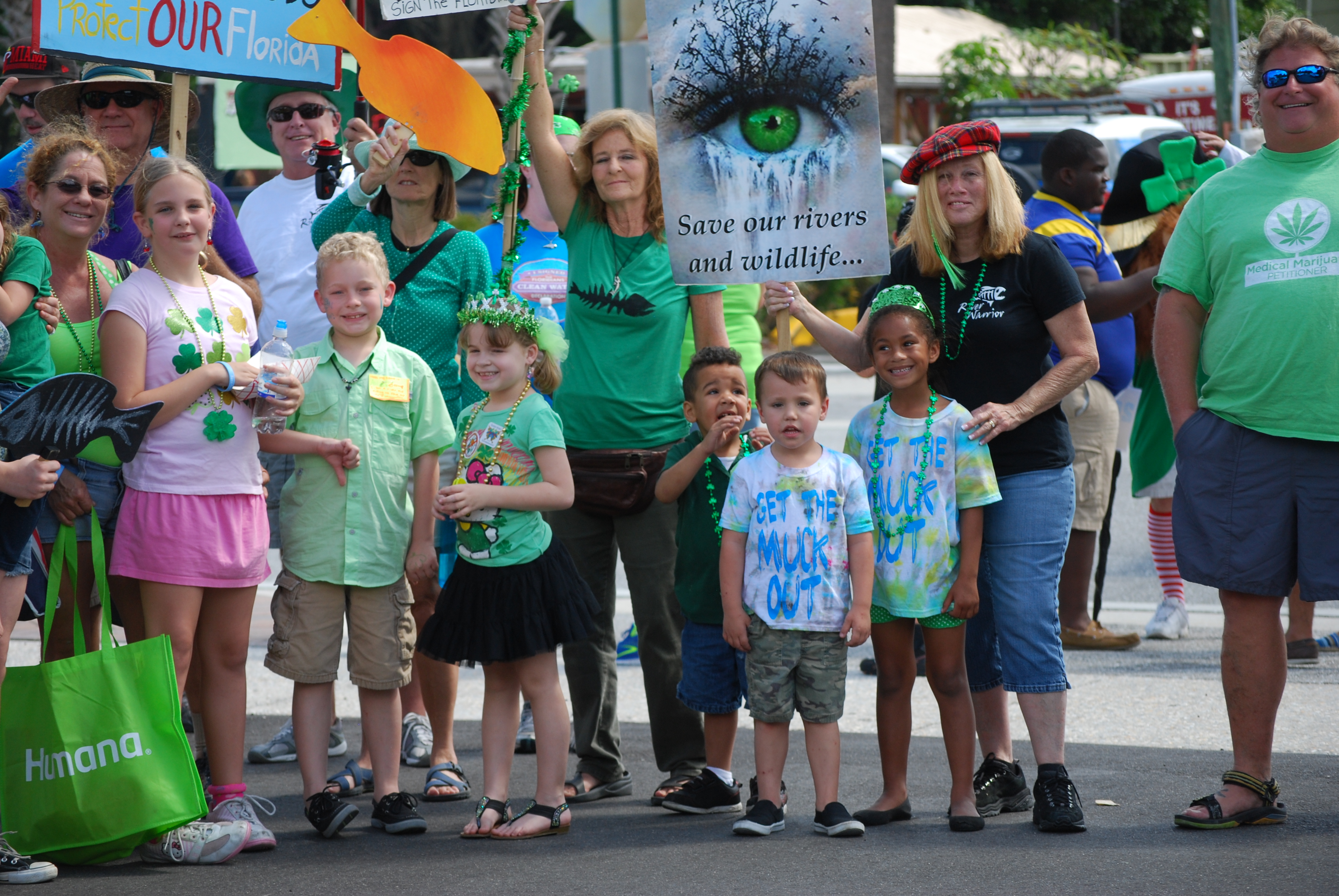
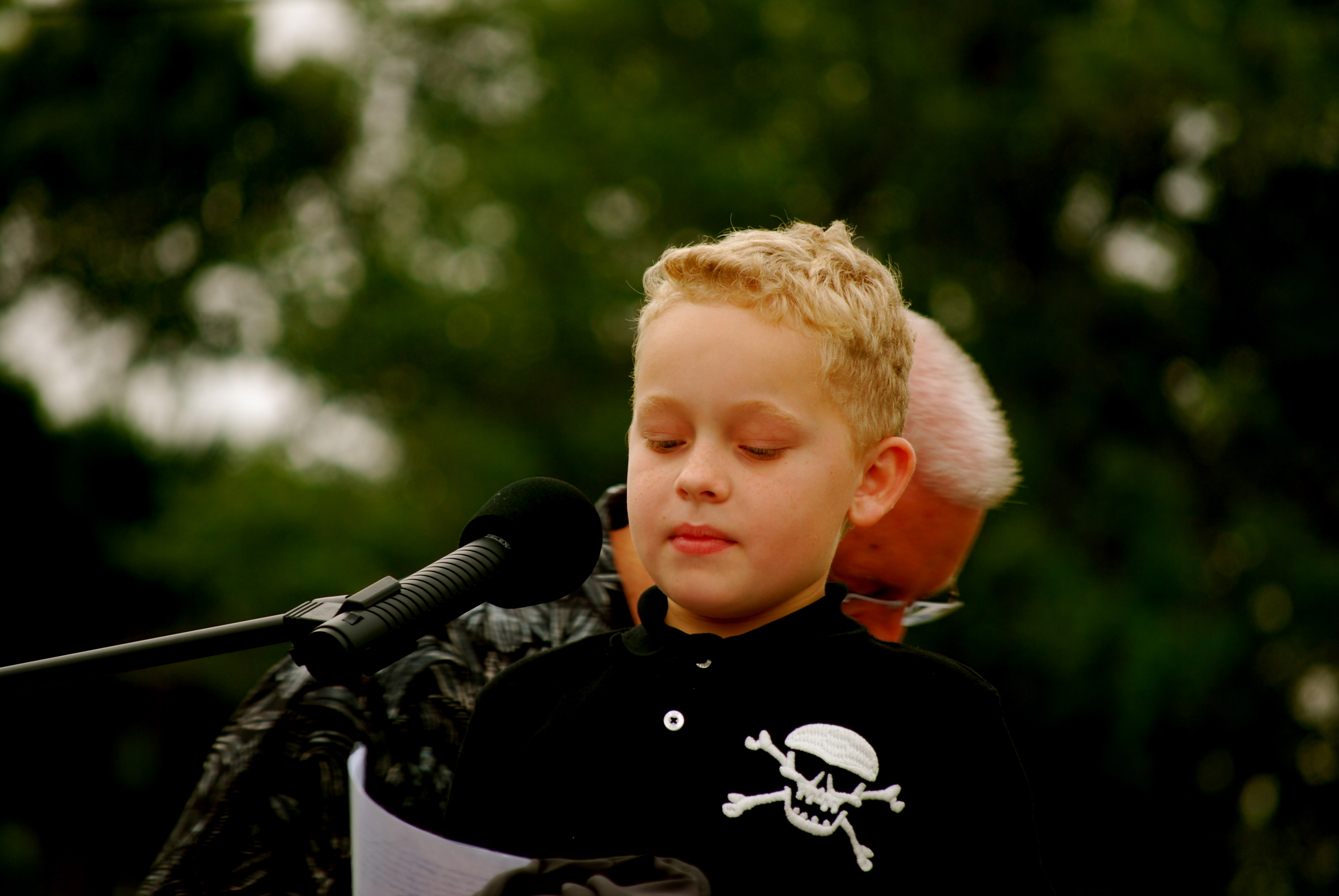
We have an amazing group of RiverKidz!

DSC_0037 DSC_0034

This year, I caught up with Katy Lewey.

Here is some video of the Riverkidz speaking out.

DSC_0030 DSC_0026

DSC_0114 DSC_0097

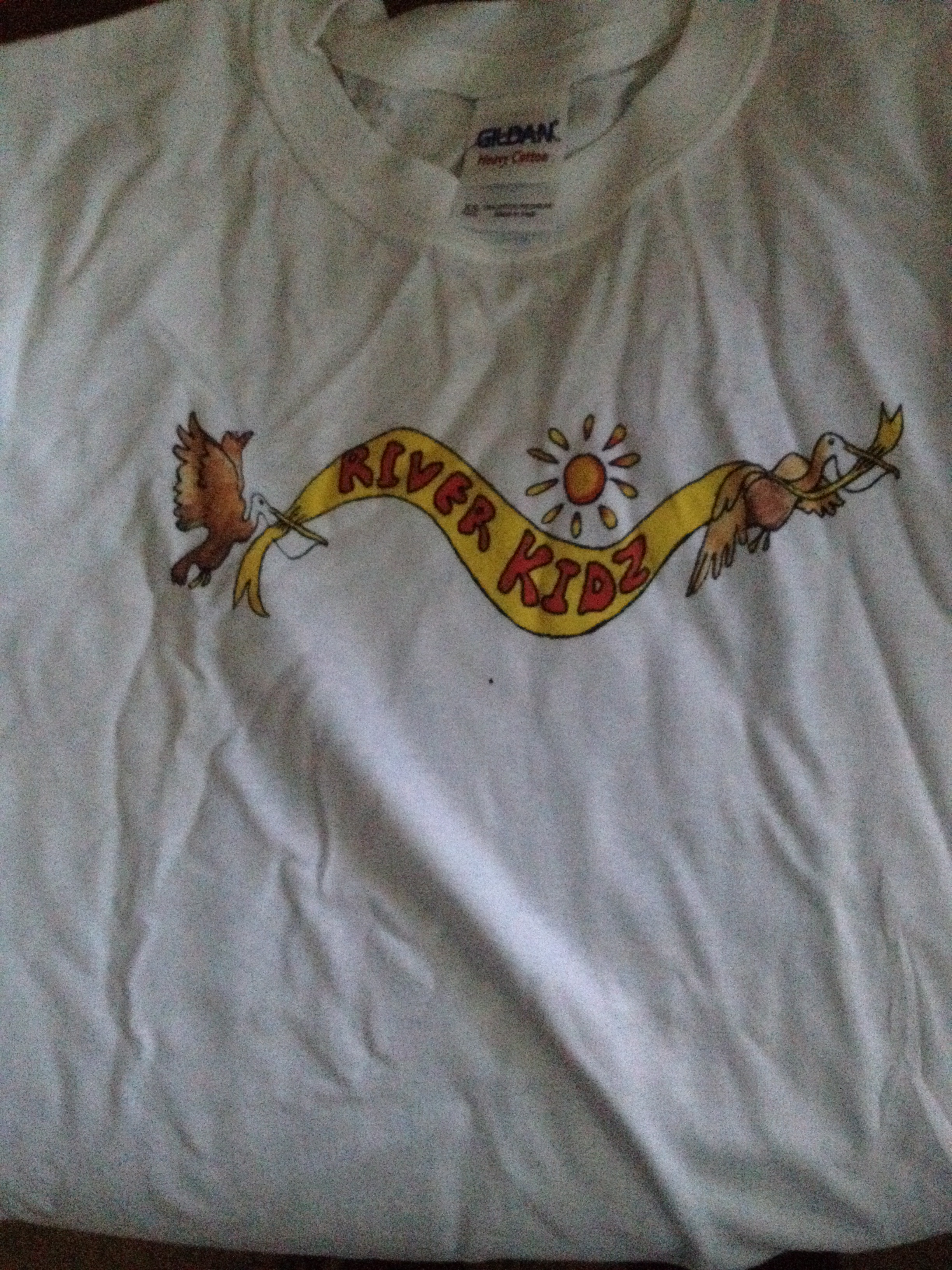
The River Kidz have some cool new tee shirts. I just bought a bunch for my grandson and nieces.  Nice white cotton. Perfect for the summer.

photo photo

and cool new bags.

photo photo

River Kidz Martin County https://www.facebook.com/pages/River-Kidz/237123116309196?fref=ts

River Kidz St Lucie and Indian RIver County https://www.facebook.com/riverkidzslc?fref=ts

Join the River Kidz http://riverscoalition.org/riverkidz/membership-registration/

What can we do about the death of Florida Bay, our water, our river, our eastuaries? Bring me the person in charge!

What can we do about the death of Florida Bay, our water, our river, our estuaries?

Feeling frustration? Yes me too.

This just in from the keys free press.

Why is Rick Scott destroying Florida?

http://pdf.keysnews.com/weeklys/freepress.pdf

 Opinion piece that is in this weeks Florida Keys Free Press at http://pdf.keysnews.com/weeklys/freepress.pdf that reads as follows:

Florida Bay needs clean water now

Unless the South Florida Water Management District takes immediate action to restore flows of clean fresh water to the southern Everglades, its governing board and the man who appointed them, Gov. Rick Scott, will go down in history as the people who destroyed South Florida’s coastal fisheries.

Most estuaries in the district’s jurisdiction are on the verge of collapse. By assaulting the St. Lucie and Caloosahatchee rivers with billions of gallons of filthy runoff and depriving Florida Bay of clean fresh water, the district is knowingly destroying many of the iconic waters that make Florida the Fishing Capital of the World.

The discharges out the St. Lucie and Caloosahatchee rivers get the most media attention, since they’re urban waterways and always in the public eye. But what’s going wrong in Florida Bay is also reprehensible and costly, especially in the context of Florida Keys tourism. One of Florida Bay’s most popular and prolific fish species, the spotted sea trout or “speckled trout,” has virtually disappeared. Recent studies confirm what veteran anglers like me witness on the water — a near absence of the second most commonly caught fish in Florida Bay, which also happens to be the state’s most commonly targeted species.

You really have to work hard at destroying an estuary to crash spotted sea trout populations. Female trout spawn as frequently as each full and new moon from March through October, broadcasting hundreds of thousands of eggs into waters where they’ve spawned for millennia.

These offspring can survive in a pretty wide range of salinity levels. However, water that’s too salty causes brown algae blooms that block sunlight from reaching seagrass meadows, killing seagrasses and depriving juve- niles of essential cover. Annual hatches of shrimp and crabs, which provide nutrition for juvenile trout, depend upon spring- and summertime influxes of fresh water as well. Without clean, fresh water mixing in the bay, the little trout and many other species don’t get enough to eat. Extremely salty water also interferes with a juvenile trout’s ability to breathe.

Boating and fishing are two of Florida’s biggest economic engines. So you’d think the state that touts itself as the Fishing Capital of the World would bend over backwards to ensure that its most fertile coastal waters get the right amount of clean water at the right times, to maximize the numbers of fish and other marine life these waters can produce. After all, recreational fish- ing in salt water alone generates at least $7.6 billion, with more than $1 billion of that income generated in Everglades watersheds.

Instead, fishermen like me embrace science-based fisheries management and adhere to catch limits recommended by scientists, only to watch fisheries and the ecosystems they belong to crash because of water mismanagement.
We’re tired of being ignored. Florida Bay needs more fresh water, the same water that’s destroying the St. Lucie and Caloosahatchee. To restore our coastal fisheries, the district needs to expand water storage, clean the water and send it south from Lake Okeechobee to the Everglades and Florida Bay. … Our fisheries are running out of time, our jobs are on the line and our patience has run out.

Capt. Matt Bellinger, Bamboo Charters, Islamorada

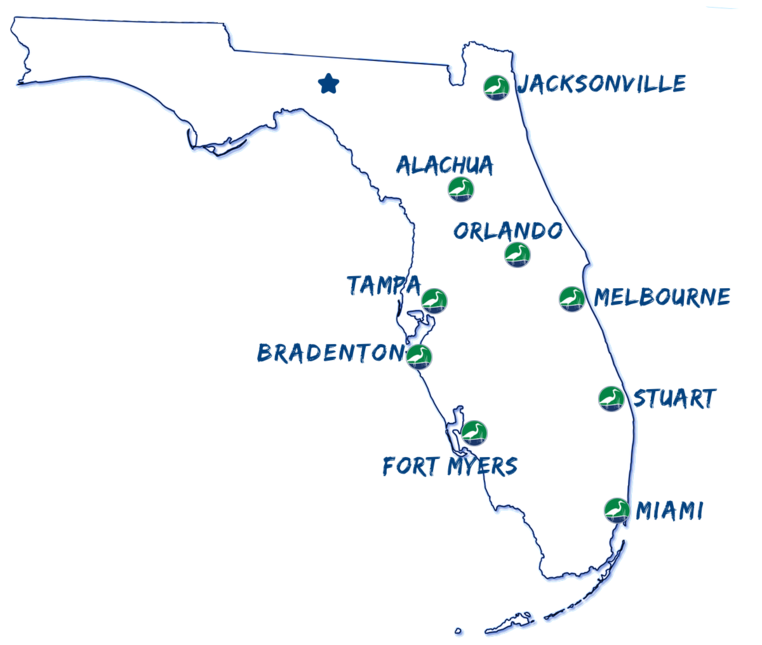
One way you can help this weekend is to attend one of these rallies.

http://floridawaterlandlegacy.org/sections/page/may30events

Finish the Job: May 30 Eventsmay30eventsmap-updated

Click on any city below for more information.

Alachua

When: 10:00 am – 11:00 am

Where: 15935 NW US Hwy 441, Alachua, FL 32615
(Parking at Lowes, Sonny’s BBQ, or other nearby lots. This is the stretch of 441 that everyone uses to get to Spring Country!)

Lead organizers: Heather Culp, hculp@floridaspringsinstitute.org and Merrillee Malwitz-Jipson, merrilleeart@aol.com

Bradenton

When: 11:00 am – 12:00 pm

Where: Manatee County Courthouse, 1115 Manatee Ave. W., Bradenton, FL 34205

Lead organizer: Sandra Ripberger, sandrarip@yahoo.com

Fort Myers

When: 11:00 am – 12:00 pm

Where: Lee County Alliance of the Arts, 10091 McGregor Blvd., Ft. Myers, FL 33919

Lead organizers: Ray Judah, ray.judah@icloud.com and John Scott, greenguy@smartgreenhelp.com

Jacksonville

When: 10:00 am – 11:00 am

Where: Walter Jones Historical Park, 11964 Mandarin Rd., Jacksonville, FL 32223

Lead organizers: Jimmy Orth, jorth@ju.edu and Lisa Rinaman, lisa@stjohnsriverkeeper.org

Melbourne

When: 10:00 am – 11:00 am

Where: Grills Riverside, 6075 N US Hwy 1, Melbourne, FL 32940
On the Lagoon, east side of US Hwy 1, just north of Pineda Causeway.

Lead organizer: Spence Guerin, spenceguerin@earthlink.net

Miami

City of South Miami Mayor Philip Stoddard invites you to a public meeting with the Water and Land Legacy Coalition.
When: 11:00 am – 12:00 pm

Where: South Miami City Hall Commission Chamber, 6130 Sunset Dr., South Miami, FL 33143

Lead organizer: Tabitha Cale, tcale@audubon.org

Orlando

When: 10:00 am – 11:00 am

Where: Eagle’s Nest Park, 5165 Metrowest Blvd, Orlando, FL 32811

Lead organizer: Deborah Green, watermediaservices@icloud.com

Stuart

When: 11:00 am – 12:00 pm

Where: Terra Fermata, 26 SE 6th St., Stuart, FL 34994

(Stick around for the Dirty River Jam, benefiting Indian Riverkeeper!)

Lead organizer: Marty Baum, indianrivguy@yahoo.com

Tampa

When: 10:30 am – 11:30 am

Where: Cypress Point Park, 5620 W. Cypress St., Tampa, FL 33607

Lead organizers: Elizabeth Fleming, efleming@defenders.org, Kent Bailey, kent.bailey@florida.sierraclub.org, Frank Jackalone, frank.jackalone@sierraclub.org

ToDo%20FB%20EventBannerWithDate

This has got to be fixed. All these people are in charge

SFWMD

The Legislature

Rick Scott

Seems to me like its a concerted effort to destroy Florida. or at least privatize it.

or even better!

and we are still being destroyed

Dolphin Ecology Project: Let’s help our Southern IRL Dolphin Family

Dolphin Ecology Project

dolphineo

Yesterday, I caught up with Nik Mader of the Dolphin Ecology Project at Paddlefest 2015.

DSC_0005

We have around 100 resident dolphins in the southern Indian River Lagoon. They live here like we live here.

who

Nik reminds us what happens to the water happens to the Dolphins.

So if this happens to us it happens to the dolphins.

St Lucie River middle estuary, February 2015.

We can go to our houses. This is their house.

http://www.dolphinecology.org/FindOut/

The Dolphin Ecology Project is establishing a long-term field research and monitoring program to collect these data and evaluate how dolphins respond to changes in ecosystem health. Throughout the year, Project staff, scientists and volunteers photograph individual dolphins for identification and observe their activities, along with sampling environmental parameters and identifying and measuring the abundance of important dolphin prey species. Over time the Project intends to gain a better understanding about how dolphins utilize the different habitats that comprise the Florida Keys. The Project’s educational goal is to increase public awareness about dolphins and the interrelated nature of the Florida Keys’ habitats and the importance of South Florida ecosystem restoration efforts.

http://www.dolphinecology.org/help/index.html

Volunteer to help with this exciting Project! Contact the Volunteer Stewardship Exchange of The Nature Conservancy at 305-289-9060. Become a Dolphin Ecology Project Member. Your contribution will support the ProjectÕs research and education programs, ensuring a sustainable future for humans, dolphins, and the ocean environment. 

If you go to the link above there is a  membership form link on the left, you can print the form and send it in with your tax deductible contribution.

They also have a nice poster with all the local dolphins on them and their t-shirts are beautiful.

Let’s make sure we support this wonderful project that supports our neighbors, the dolphins of the southern indian river lagoon.

Most of all lets support our good neighbors the dolphins of the southern indian river lagoon.

jump_frame

Who could blame them if this happened?

“So long and thanks for all the fish” from the hitchhikers guide to the galaxy.

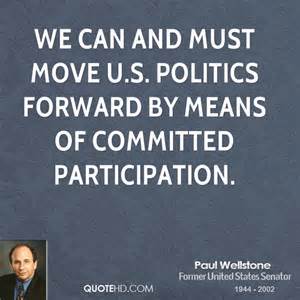
Missing Paul Wellstone

Missing Paul Wellstone

wellstone3

Yesterday I attended Candidate Training with Kevin Winchell in Palm Beach County. He referred to  Wellstone Training and it for a moment  I was terrified that I had not thought about Paul Wellstone for a very long time. TIme passed and people become a blur because they are not in front of us on 24 hour news cycle.

This is one person we can never ever forget.

wellstone4

http://en.wikipedia.org/wiki/Paul_Wellstone

Paul David Wellstone (July 21, 1944 – October 25, 2002) was an American academic and politician who represented Minnesota in the United States Senate from 1991 until his death in a plane crash in 2002. A member of the Democratic Farmer-Labor Party, Wellstone was a leading spokesman for the progressive wing of the national Democratic Party.

In 1998, Wellstone formed an exploratory committee and a leadership PAC, the Progressive Politics Network, that paid for his travels to Iowa and New Hampshire, two early primary states in the nomination process. He spoke before organized labor and local Democrats, using the slogan, “I represent the democratic wing of the Democratic Party”. Governor Howard Dean later incorporated that phrase into his stump speech in the 2004 US presidential election.[3]

wellstone6

On January 9, 1999, Wellstone called a press conference at the Minnesota State Capitol. Despite expectations that he would announce his candidacy, he stated he could not muster the stamina necessary for a national campaign, citing chronic back problems he ascribed to an old wrestling injury. His pain was later diagnosed as multiple sclerosis.

wellstone5

On October 25, 2002, Wellstone, along with seven others, died in an airplane crash in northern Minnesota, at 10:22 a.m. He was 58 years old. The other victims were his wife, Sheila; one of his three children, Marcia; the two pilots, his driver, and two campaign staffers. The airplane was en route to Eveleth, where Wellstone was to attend the funeral of Martin Rukavina, a steelworker whose son Tom Rukavina served in the Minnesota House of Representatives. Wellstone decided to go to the funeral instead of a rally and fundraiser in Minneapolis attended by Mondale and fellow Senator Ted Kennedy. He was to debate Norm Coleman in Duluth, Minnesota, that same night.

paul wellstone

In 2007, former First Lady Rosalynn Carter joined with David Wellstone to push Congress to pass legislation regarding mental health insurance.[54] Wellstone and Carter worked to pass the “Paul Wellstone and Pete Domenici Mental Health Parity and Addiction Equity Act of 2008” which requires equal coverage of mental and physical illnesses when policies include both types of coverage; both testified before a House subcommittee regarding the bill in July 2007.[54] David said of his father, “Although he was passionate on many issues, there was not another issue that surpassed this in terms of his passion.”[54] Because Paul Wellstone’s brother had suffered from mental illness, Wellstone had fought for changes in mental health and insurance laws when he reached the Senate.[54]

http://en.wikipedia.org/wiki/Public_Law_110-343#Paul_Wellstone_and_Pete_Domenici_Mental_Health_Parity_and_Addiction_Equity_Act_of_2008

The Paul Wellstone and Pete Domenici Mental Health Parity and Addiction Equity Act of 2008 (a part of Division C) mandates that if U.S. health insurance companies provide coverage for mental health and substance abuse, the coverage must be equal for conditions such as psychological disorders, alcoholism, and drug addiction.[4][24][25] This act continues and expands upon the previous Mental Health Parity Act of 1996. It states that financial requirements such as deductibles and copayments and lifetime or dollar limits to mental health benefits and substance abuse disorder benefits should be no more restrictive than those on medical and surgical benefits.[26] MHPAEA applies to employer-sponsored health insurance plans with more than 50 employees, though parity is also extended to small group and individual plans under the Affordable Care Act.

He would have loved Obama Care because people like his brother could get the care he deserved.

http://www.theatlantic.com/politics/archive/2012/10/paul-wellstones-legacy-10-years-later/264086/

Al Franken wrote

“When today’s progressives remember Paul, they tend to focus on his sheer political courage. Paul was the only senator up for re-election in 2002 to vote against the Iraq War — a vote he told people he was convinced would cost him his job.

One of Paul’s most famous quotes is this: “Politics is not about power. Politics is not about money. Politics is not about winning for the sake of winning. Politics is about the improvement of people’s lives.

The big fights — war and peace, justice and liberty — are important. But there aren’t any small fights. And where Paul made the biggest impact — where his work resulted in the greatest improvement of people’s lives — was on issues that don’t usually lead anyone’s stump speech: mental health, domestic violence, homelessness among veterans.

Paul’s brother, Stephen, had struggled with mental illness since he was 19. And Paul knew that many people who suffered from mental health problems were forced to suffer all over again because their insurance companies wouldn’t cover the treatments they needed. Paul’s own parents spent 20 years paying down the bill for Stephen’s treatment.

So he found a Republican with a similar first-hand understanding of the problem, New Mexico Senator Pete Domenici, and the two introduced legislation that would require insurance companies to treat mental health the same way they did physical health. Paul didn’t live to see mental health parity become law — but it did (thanks in large part to another Republican colleague, Minnesota’s Jim Ramstad), and that crusade has improved, even saved, millions of lives.

hat’s why Paul’s political career began by organizing college students and low-income women to fight for better anti-poverty measures, and organizing farmers to fight against utility companies planning to install power lines on their land. And that’s why the organization that bears his name and carries forward his legacy, Wellstone Action, isn’t a think tank or a super PAC. Wellstone Action trains organizers — not just to articulate progressive values, but to do the “prosaic, practical work” that makes a difference.”

First campaign “Looking for Rudy”

Opposing the Iraq War

“Fast Paul” awesome campaign ad

I’ll never forget the day that Paul Wellstone died. I can never forget this.

and I went to order his book from Amazon

http://www.amazon.com/The-Conscience-Liberal-Reclaiming-Compassionate/dp/081664179X

Amazon reminded me that I bought this book before. I bought it October 2002.

Let’s not forget this awesome man.

wellstone2