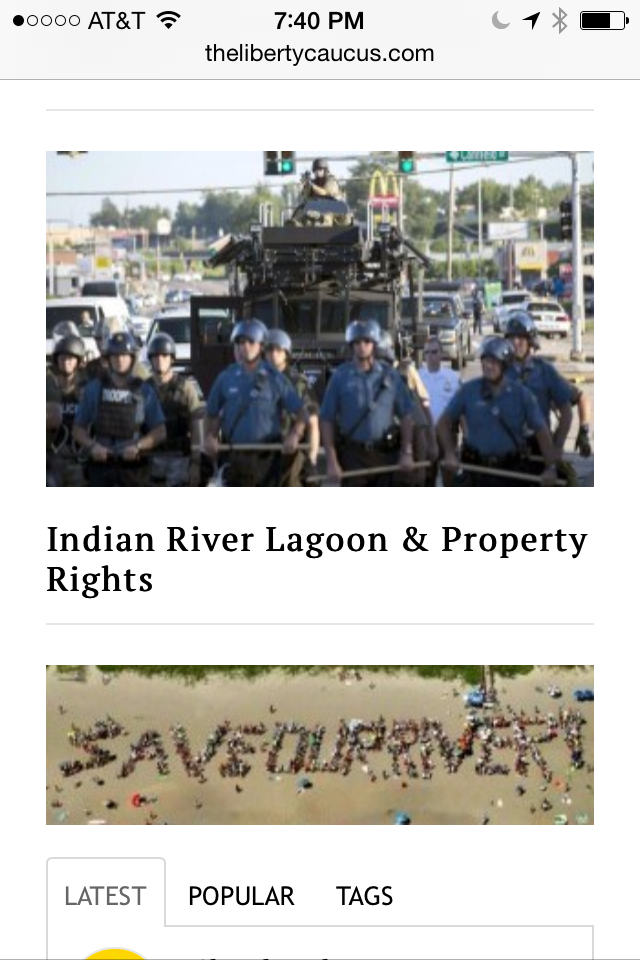
The very funny local Liberty Caucus. Striped men in tights.

The very funny local Liberty Caucus.

Yesterday I had to laugh because if I  just had clean water I probably wouldn’t even be sitting here on my day off computing. I would be in the water.

Yesterday after I posted my blog I was having a conversation with my friend Kenny Hinkle and between the both of us we came up with some interesting information. Team work yay. We were both interested in this web site.

photo

I got there because I got a  little confused with all the liberty blogs that are out  there and different liberty caucuses but then a few things caught my eye.

photo

and this

photo

What could these people possible want with FNAA and our Indian River Lagoon. So I dared to go a little further and they had a whole local section.

http://thelibertycaucus.com/category/news/local/

All kinds of fun things here like

“Treasure Coast June War on Freedom Report

June was an abysmal month for freedom on the Treasure Coast as 290 area residents were violently abducted at gunpoint by men in costumes for non-violent vices.

Saint Lucie

June was a terrible month for freedom in Saint Lucie as costumed men with guns abducted and caged 177 people for non-violent vices.

Indian River

Indian River saw a much lower total with 57 people being kidnapped and caged by costumed men with guns for non-violent vices.

Martin

A total of 56 citizens were abducted at gunpoint by men in costumes for alleged non-violent vices.”

Who are these costumed men who are kidnapping and caging people? If my friend Gayle Ryan was in town she would say “Are they single?”

Did they look like this?

did they look like this?

If the police are costumed men with guns am I a costumed female with a stethoscope?

and then there was this

http://thelibertycaucus.com/visualized-police-militarization-in-florida-and-the-treasure-coast/#.VaG5fUV_h7k

are you sure it wasn’t like this?

and this guy talking about train socialism ( can a train be a socialist?)

http://thelibertycaucus.com/all-aboard-florida-railway-socialism-and-safety/#.VaG7fkV_h7k

and here is someone called Brightlight

http://thelibertycaucus.com/sky-is-falling-chorus-about-all-aboard-florida-simply-misinformed/#.VaG8UkV_h7k

and then Bright light wrote this which I thought was pretty funny. Good stuff Bright Light

A Rain Ban.

http://thelibertycaucus.com/indian-river-lagoon-treasure-coast-rain-ban-imminent/#.VaG86UV_h7k

She wrote:

“The lagoonists and their goons have banned fertilizers (though no evidence of damaged caused by the fertilizers exists just their presence) and now facing the calamity of rain one has to wonder: Will the loony lagoonists soon ban rain?”

Funny but we are lagoonatics! Get your jargon correct puleeeze Brightlight.

and then I saw that they were all obsessed with Eve Samples.

http://thelibertycaucus.com/?s=eve+samples&submit=Search#.VaG9hkV_h7k

and that made me sad.

I felt terrible because I was having such a good laugh and then this.

You can go over and search. It’s a good search engine and also has a store where you can buy all kinds of nifty things. Like stickers and books. You can buy the Libertarian Manifesto for 11 bucks!

http://thelibertycaucus.com/shop/#.VaG-X0V_h7k

I love manifestos. Here are some other people that wrote manifestos.

kazinski

kazinski manafesto

holmes

At any rate you get the picture and honestly like I have said hundreds of times. Free speech! Keep on writing. Please!

So we were interested in who owned the website because these people are local and thought it would be a good thing to know. All these funny people hiding behind their nom de plumes! I don’t have issue’s with nom de plumes. Some of my friends have these. I could just never figure out what mine would be.

So anyway, the owner of the site is Registrant Email: gatorlandrhett@hotmail.com

https://www.linkedin.com/in/rhettl (Thanks Kenny!)

15099e1

and works here:

Who is the Pacific Legal Foundation and why are our Panthers, Manatees and Bears their Business?

Remember when Michael Grunwald was here and he said “Big Sugar has a right to be in business” and everyone groaned. Well, that’s true. They do. What I don’t think they have the right to get subsidies to stay alive when the rest of the businesses have to put themselves out there and if they succeed they succeed and if they don’t they don’t.

The same thing goes for Pacific Legal Foundation. Conservatives you can’t have it both ways. You either believe in state and local rights or your being a hypocrite. I’m beginning to think more and more every day its the latter. These people tell you one thing and they do another. In other words your being duped. If you want to believe something believe it but don’t be duplicitous.

Yesterday, I wrote this blogpost about how Pacific Legal Foundation is the common denominator with issues with our Florida Panthers, Florida Black Bears and Manatees. They were also on Lawsuit for the Chesapeake Bay.

https://cyndi-lenz.com/2015/07/09/panthers-manatees-and-bears-oh-my/

You can check them out here.

http://www.pacificlegal.org

This is the libertarian’s party environmental platform.

https://www.lp.org/platform

“We support a clean and healthy environment and sensible use of our natural resources. Private landowners and conservation groups have a vested interest in maintaining natural resources. Pollution and misuse of resources cause damage to our ecosystem. Governments, unlike private businesses, are unaccountable for such damage done to our environment and have a terrible track record when it comes to environmental protection. Protecting the environment requires a clear definition and enforcement of individual rights in resources like land, water, air, and wildlife. Free markets and property rights stimulate the technological innovations and behavioral changes required to protect our environment and ecosystems. We realize that our planet’s climate is constantly changing, but environmental advocates and social pressure are the most effective means of changing public behavior.”

Let me repeat “environmental advocates and social pressure are the most effective means of changing public behavior.”

(P.S. It looks like they believe in climate change)

So it’s hypercritical for the Pacific Legal Foundation to mess with the free will of our Florida Black Bears.

That’s my logical conclusion.

Duplicitous

So is the Pacific Legal Foundation a libertarian foundation. I don’t think so.

I think they are a Koch Brothers, Scaife Foundation lackeys hiding out in bosom of an unending cash cow and really sticking their nose where it doesn’t belong but where their masters want them to go.

Not free thinking at all. Not what I would expect from Libertarians.

It’s this behavoir, this intrusion into our Legislature this past year that I think made our head’s spin.

Who is the Pacific Legal Foundation and why are our Panthers, Manatees and Bears their Business?

certpacificlegalfnd

Or anything else for that matter.

Just as a reminder we live in a democracy and we vote these people in to represent us. 

About a month ago there was an issue up in Brevard, incited by some behind the scene bs getting all down on Thad Altman for being ok with the purchase of the land to send the water south and not dealing with his section of the Indian River Lagoon.

You can’t have it both ways. Pick a way and do that.

But what we ALL can’t have is people from other places making rules for us. If you want to be an elected official you talk to us your constituents not to the Pacific Legal Foundation or Citizens United. You work for us. If you work for them then give up your office and work for them. Can’t have it.

Other bloggers, writers in other states – we all need to compare notes. I guarantee the same thing is happening everywhere and one day we’re going to wake up and say “What happened?” (as we float down to Miami in our Kayaks.)

We all got upset when Pam Bondi signed on to a lawsuit for the polluters in the case of Chesapeake Bay. Most of us felt that Florida had no business being involved and using our tax money on a case not in our state when her job is to work for Florida. Pam Bondi! You work for us!

What we witnessed this past year was Rick Scott and the Florida Legislature making Florida their own personal slush fund at the expense of all of us. The Tea Party was given verbiage to incite them like “Land Grabs” and they went out like the sheeples they deplore and worked tirelessly for the 1%. Tea Party you have been duped. Brainwashed. You are not free. You are slaves for the Koch Brothers.

http://www.sourcewatch.org/index.php/Pacific_Legal_Foundation

The Pacific Legal Foundation is a Sacramento, California-based legal organization that was established March 5, 1973 [1] to support pro-business causes. In recent years, it has taken a lead in pursuing anti-affirmative action policies.

legal

It is the key right-wing public interest litigation firm in a network of similar organizations funded initially by Scaife Foundations money across the USA to support capitalism and oppose environmental and health activism and government regulation.

The organization has been  partially funded by a range of corporations and conservative foundations, including by the Koch family Claude R. Lambe Foundation in 1998.

The Koch brothersDavid and Charles — are the right-wing billionaire co-owners of Koch Industries. As two of the richest people in the world, they are key funders of the right-wing infrastructure, including the American Legislative Exchange Council (ALEC) and the State Policy Network (SPN). In SourceWatch, key articles on the Kochs include: Koch Brothers, Koch Industries, Americans for Prosperity, American Encore, and Freedom Partners.

These people don’t believe in freedom they believe in pushing their own agenda that call conservative and they have their own Tea Party out their representing them.

Florida is not the Koch Brothers private playground.

And they may be treading into waters other people would not want you to go. After all, one of the reasons given not to buy the land was because of endangered birds that were there. You effectively would take that away from SFWMD and Big sugar and I don’t think they would be too happy about that.

“Tobacco Industry associations

PLF is listed as a “key third party ally” in a September 14, 1999 Philip Morris document.[6]

In 1989, Philip Morris began funding the organization through its Mission Viejo (gated-community land-development company) subsidiary, mainly because the organisation was active in the property rights area and had won cases limiting the States’ ability to expropriate or regulate private property. The Mission Viejo subsidiary was interested in fighting a no-growth initiative which had been blocking some of their development projects. At this stage Philip Morris only gave an annual grant of $5,000 each year, just to keep the organisation on side and available, but it may have also funded specific legal projects.

By 1991 the PLF had a major budget crisis. It was in deficit to the tune of about $1 million, which was about a quarter of its $4 million annual requirements. Not long after, Roy Marden, the Philip Morris executive in charge of maintaining relations with the right-wing think tanks and advocacy institutes, joined the PLF board. Overnight the funding increased substantially to $10,000, and then $22,000 by 1993. Philip Morris also began to utilize the PLF to undertake hidden media and political activities on its behalf.

For instance, it enlisted the organization (together with think-tanks like the Reason Foundation, Hoover Institute, Heritage Foundation and Claremont Institute) to write op-ed pieces that were planted in newspapers attacking the Environmental Protection Agency (EPA) over its determination that Environmental Tobacco Smoke (ETS) was a carcinogen and its attempt to regulate Indoor Air Quality (IAQ). (See page 4 of this planning document.[7])

At this time Philip Morris was also heavily funded two of PLF’s unacknowledged offspring, the National Legal Center for the Public Interest and the Atlantic Legal Foundation. The Washington Legal Foundation was another of a similar kind favoured and funded ($200,000) by Philip Morris, but it was independent of the Scaife-funded, PLF-based network. [8]

The PLF also intervened successful in Keller v. California State Bar, where it established a legal precedent that California lawyers could challenge the use of their dues to the state bar for political purposes. This was an successful attempt to block collective actions by the more liberal Californian lawyers who were involving themselves in such policy areas as class-actions and product liability.

By the mid 1990s the PLF had offices in Sacramento, Anchorage and Seattle and ran several key issues and programs:

  • Judicial Responsibility Project
  • College of Public Interest Law
  • Limited Government Project

It also sloughed off the Center for Applied Jurisprudence which focused on commercial “free speech issues” (i.e., the right to advertise harmful products) and “regulatory reform.” Philip Morris was giving them a $25,000 retainer by this time (and presumably paying also for work done on their behalf).

In 1997-1998 the PLF joined forces with the $10 million funded (by Philip Morris) National Smokers Alliance, in a fierce and vindictive legal attack on Professor Stanton Arnold Glantz, a leader of California’s main anti-smoking organization, Americans for Nonsmokers Rights[9] and attempted to brand him in the public mind as having something to hide … a destroyer of legal document (a ruse the tobacco industry used itself on a massive scale). Glantz had received documents from the early tobacco industry whistleblowers, and he had established the first public-access Internet web site revealing how the industry operated.

Anti-Environment Policies

According to ExxonSecrets.org, the Pacific Legal Foundation has received $110,000 from ExxonMobil since 1998. The website goes on to state that:

Anti-environmental from the start, PLF’s early actions supported the use of DDT, the use of herbicides in national forests, and the use of public range land without requiring an environmental impact review. They also supported at least six pro-nuclear power cases before the early eighties while accepting funding from Pacific General Electric (PGE), a utility which has gained a great deal through the development of nuclear power in the Pacific Northwest. In the 1980s, PLF won several cases that are considered landmarks by those working on property rights issues today: Nollan v the California Coastal Commission and First Church, both Supreme Court victories which provide precedence for the takings litigation pursued today (Oliver Houck, “With Charity For All,” Yale Law Journal, 1993). In October 2003, PLF Vice President M. David Stirling had an Op-Ed published in which he defended President Bush’s environmental record and condemned former President Clinton for endorsing the Kyoto Protocol.”

Yikes!

Their the merchants of death! DDT for everyone. You get DDT and you get DDT!

SO Pacific Legal Foundation if you want to help people and their freedom please do so but please stop trampling on us. Florida is not up for grabs. We don’t care what Rick tells you. It’s just not true.

Rick Scott and his love affair with Pacific Legal Foundation!

http://blog.pacificlegal.org/plf-and-the-crafted-keg-work-together-and-free-the-growler/

Today Pacific Legal Foundation and The Crafted Keg received long-awaited news:

Governor Rick Scott signed the bill freeing the 64 ounce beer growler in the State of Florida!

For years, Florida law prohibited craft beer brewers and sellers from offering their beverage in the standard-size container used throughout the country.

http://www.modernhealthcare.com/article/20150417/NEWS/150419897

Florida Gov. Rick Scott plans to sue the CMS, accusing the agency of unconstitutionally trying to force the state to expand Medicaid by ending funding that now helps Florida hospitals pay for uncompensated care for low-income and uninsured patients.

But Todd Gaziano, a senior fellow in constitutional law with the conservative Pacific Legal Foundation, said the Florida situation presents the same legal issue as the one in NFIB. Still, he said, the argument of unconstitutional coercion in the Florida case, is “far from a slam dunk.” The Pacific Legal Foundation filed a separate lawsuit challenging the ACA.

“It’s the kind of claim that should not be dismissed at the outset,” Gaziano said. “It’s a claim that presents a reasonable legal argument.” But he conceded that the claim is not as clear, even if the government’s object is the same: to apply pressure on the state to expand Medicaid eligibility.

Sad but true Folks.

Sad but true.

Panthers, Manatees and Bears Oh my!

I’ve been thinking about the hunts that have opened up on our Florida Bear, and all the craziness that going on with hunting in our state parks and people wanting to take the Florida Panther off the endangered species list.

http://news.yahoo.com/florida-discusses-reduced-protection-endangered-panther-221628769.html;_ylt=A0LEVijTW55V3BcAPC0nnIlQ;_ylu=X3oDMTEzMjRzaXV2BGNvbG8DYmYxBHBvcwMxBHZ0aWQDRkZHRTAxXzEEc2VjA3Nj

“ORLANDO, Fla. (Reuters) – Florida’s wildlife agency may cut back on its efforts to save the endangered Florida panther two decades after helping return the big cats from the brink of extinction, according to an agency memo.

Carole Baskin, founder of Big Cat Rescue, told the commission the memo implies that the state is moving toward removing federal protections from the panthers and eventually allowing hunts.”

http://www.news-press.com/story/life/outdoors/2015/01/02/panther-deaths-top-critter-story/21195203/

The downlisting came after the U.S. Fish and Wildlife Service was petitioned by Pacific Legal Foundation, a private property attorney lobbying firm in Sacramento, Calif. Oddly, both the Endangered Species List and Pacific Legal Foundation were created in 1973.

https://en.wikipedia.org/wiki/Florida_black_bear

Before Florida was settled by Europeans, Florida black bears occupied all of the Florida mainland, and even many of the Florida Keys, with a population around 12,000.[7] The current range is much more sporadic with isolated groups living mainly in protected areas in Florida, Southern Alabama, Southern Georgia and Southern Mississippi.[2][3] Most major populations of Florida black bears live in protected areas. These include Ocala National Forest, Big Cypress National Preserve, Everglades National Park, Apalachicola National Forest, Osceola National Forest and Okefenokee National Wildlife Refuge.[6][7] A study of the Okefenokee-Osceola population found over 500 bears in two study areas. The current bear population in Florida is estimated at more than 3,000 bears.[8]

Here is a chronological history of the Black Bear in Florida.

DSC_0015

http://myfwc.com/media/425848/bear_managment_timeline.pdf

Bear hunting was closed on Eglin WMA in 1958, Big Cypress WMA in
1960 , and Ocala NF in 1961.

GFC created definition and list of Threatened Species under Chapter 16E of the Florida Wildlife Code and includes bear as a Threatened Species.

1990

“USFWS petitioned to list the Florida black bear as Threatened under the Endangered Species Act.”
You get the picture. We had them. They were hunted into extinction. We managed them. They came back. Now we’re going to kill them.
“Florida wildlife officials moved forward Wednesday with a proposal to allow black bear hunting for the first time in more than two decades.”
Manatees
“The potential change in the manatee’s status is being considered under pressure from the Pacific Legal Foundation, a libertarian group that generally opposes all environmental regulations.”

“The Pacific Legal Foundation is a Sacramento, California-based legal organization that was established March 5, 1973 [1] to support pro-business causes. In recent years, it has taken a lead in pursuing anti-affirmative action policies.”

It is the key right-wing public interest litigation firm in a network of similar organizations funded initially by Scaife Foundations money across the USA to support capitalism and oppose environmental and health activism and government regulation.

The organization has been [2] partially funded by a range of corporations and conservative foundations, including by the Koch family Claude R. Lambe Foundation in 1998.[1]

So the people behind taking the Manatee off the endangered list is the Koch Brothers and the Scaife Foundations.

http://www.miamiherald.com/news/local/news-columns-blogs/fred-grimm/article15524330.html

But still, with 6,000 or so manatees swimming around, there’s a chance that the feds will indeed pronounce them merely threatened. That’s the same status that was conferred on the Florida black bear — with only 3,000 left in the state.

That seemed plenty enough for the Florida Fish and Wildlife Conservation Commission, which last month (not long after legalizing silencers for hunting weapons) voted to reinstate bear hunting.

If the FWC figures that it’s okay to hunt a beloved species with a population of 3,000, imagine what kind of sportin’ activities those good ol’ boys in Tallahassee can rationalize now that we’ve got twice that many manatees terrorizing Florida’s waterways. Imagine the fun.

Three of our beloved on endangered species list. One libertarian organization from California making the rules.
Who owns the Florida Legislature so they are complicit with the whims of the very libertarian whims of the Pacific Legal Foundation?

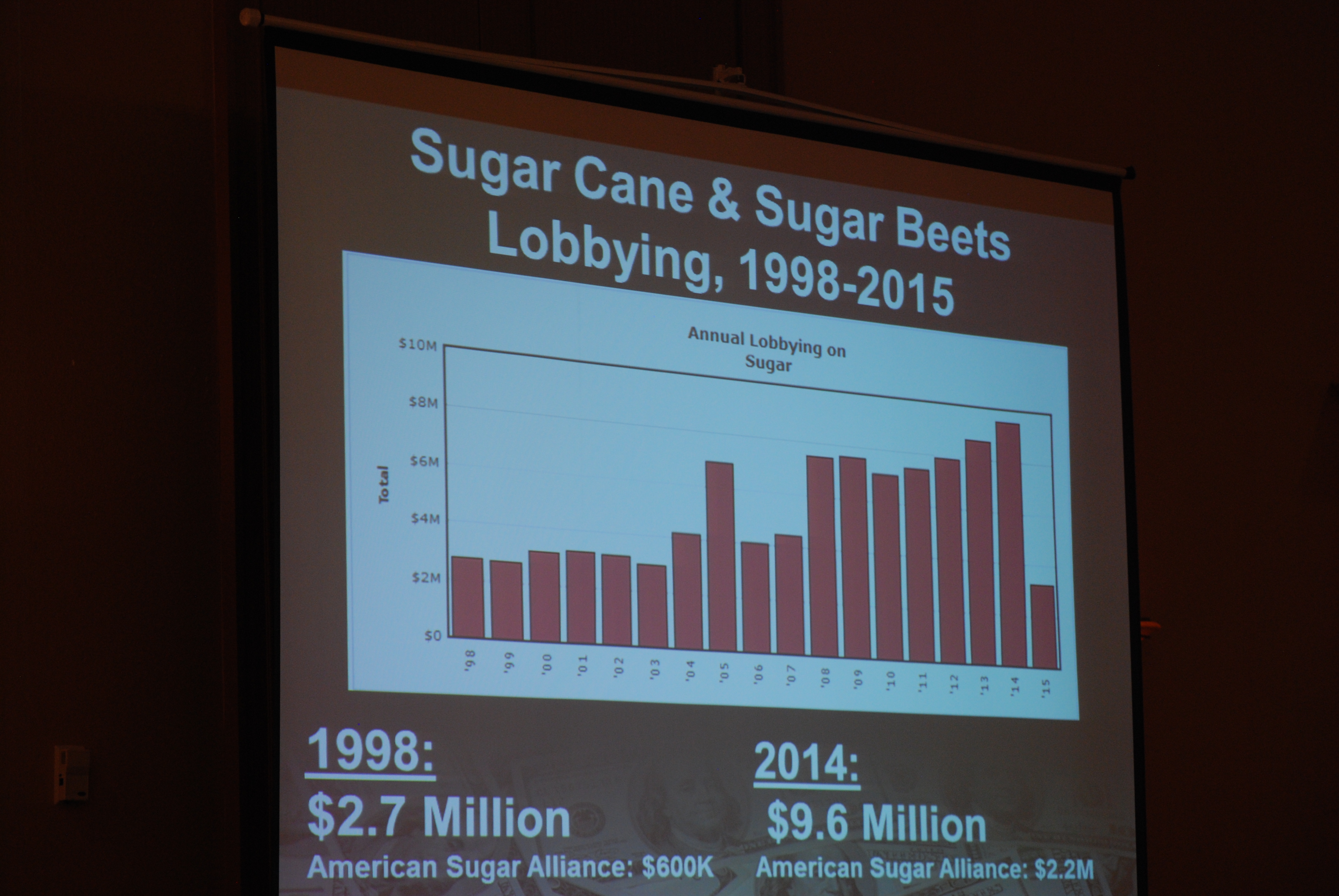
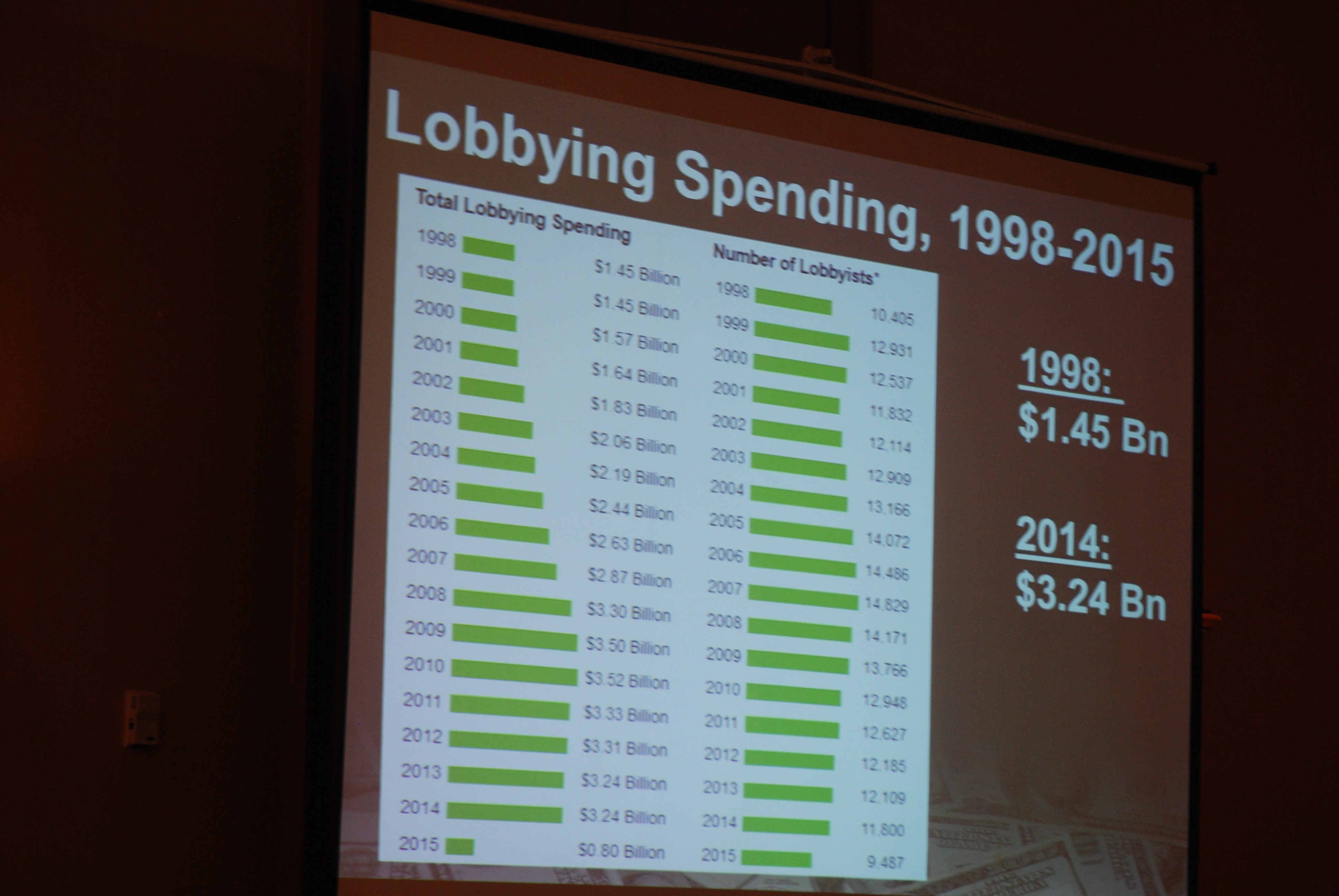
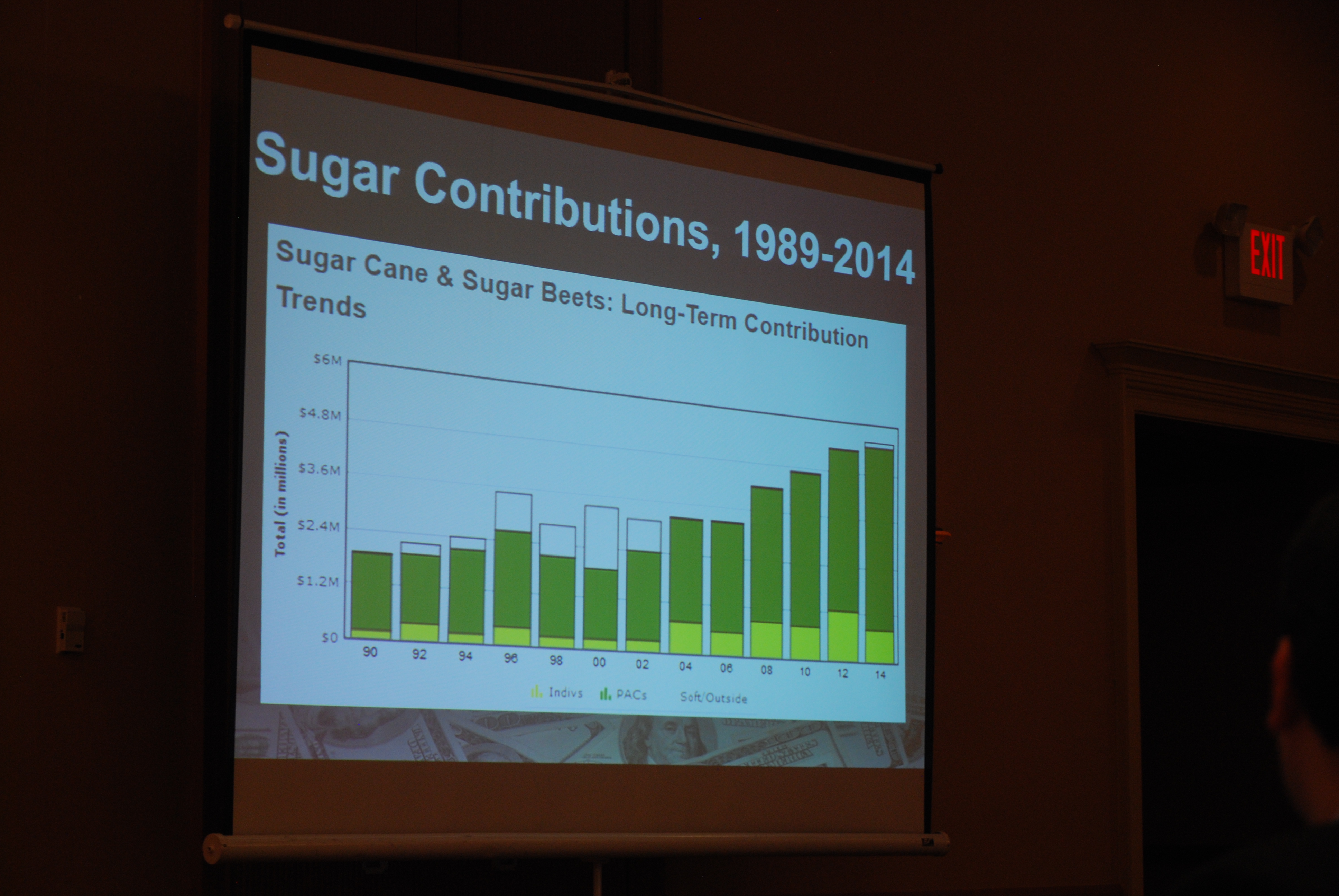
Big Sugar Summit: Sheila Krumholz, Executive Director, Center for Responsive Politics

DSC_0067

Big Sugar Summit: Sheila Krumholz, Executive Director, Center for Responsive Politics

sheliakrumholtzcenterresponsivepolitics

https://en.wikipedia.org/wiki/Center_for_Responsive_Politics

“The Center for Responsive Politics (CRP) is a non-profit, nonpartisan research group based in Washington, D.C. that tracks the effects of money and lobbying on elections and public policy. It maintains a public online database of its information.

DSC_0073

Its website, OpenSecrets.org, allows users to track federal campaign contributions and lobbying by lobbying firms, individual lobbyists, industry, federal agency, and bills. Other resources include the personal financial disclosures of all members of the U.S. Congress, the president, and top members of the administration.”

DSC_0072

https://www.opensecrets.org

https://www.opensecrets.org/resources/learn

“Just as water flows downhill, money in politics flows to where the power is. And the Center for Responsive Politics is there to help you follow the contours and learn about these connections. This section of the Action Center contains a wealth of information about the unhealthy influence money can have on our elections and government politics.

The Basics. From frequently asked questions to our money-in-politics glossary, from the 10 Things Every Voter Should Know about money in politics to our Follow the Money Handbook, and iPhone App, this section of the Action Center contains a wealth of information about the unhealthy influence money can have on our elections and government politics. Begin your learning here.

DSC_0069

Sheila Krumholz has been the CRP’s executive director since December 2006, having previously served for eight years as the CRP’s research director. She first joined the organization in 1989 and served as the assistant editor of the first edition of the printed volume Open Secrets.”

DSC_0068

On Scandal this past year even Olivia Pope made sure her candidate had “Big Sugar” money. I can’t find the clip but I think it was when she was prepping the very awesome Susan Ross character.

Shelia told us this: “Votes still trump money and that’s bad news for Donald Trump and good news for Democracy.”

DSC_0074

Big Sugar Summit: Julia Hathaway, Is Big Sugar Burning Your Lungs?

Big Sugar Summit: Julia Hathaway, Is Big Sugar Burning Your Lungs?

DSC_0037

burnt sugar field pahokee

Here is our amazing friend Julia Hathaway at the Big Sugar Summit!   I learned so much from her speech and now I know all the things that can be done with sugar cane if it is green harvested. Brazil and Australia do it!

We can green harvest too. Imagine something good  coming out  this whole mess!

http://sugarcane.org/sustainability/best-practices

Reduced Use of Agrochemicals

Application of pesticides on Brazilian sugarcane fields is negligible and use of fungicides practically nonexistent. Major diseases that threaten sugarcane are fought through biological control, introducing natural enemies to fight pests and advanced genetic enhancement programs.

Brazilian sugarcane growers also apply relatively few industrialized fertilizers, using on average 75 kilograms per hectare. That’s 50% less than the amount typically applied to corn in the United States and 30% less than what’s used for beet sugar in Europe.

Brazilian sugarcane needs fewer chemicals due to the innovative use of organic fertilizers created during sugarcane processing. For instance, sugarcane mills recover residues called filter cake (which is rich in phosphorus) and vinasse (loaded with potassium, organic matter and other nutrients), which they use in place of traditional fertilizers.”

Is Big Sugar Burning Your Lungs?

You can help by going here and filling out this questionnaire.

http://stopsugarburning.org/contact-us/

http://rrvsga.com/sierra-club-activists-call-for-sugar-cane-clean-up/

Sierra Club Activists Call For Sugar Cane Clean-Up

CBS 12 (TV): Sierra Club Activists Call For Sugar Cane Clean-Up By: Jonathan Beaton

“Hundreds of environmentalists gathered Saturday in West Palm Beach, determined to clean up Palm Beach County’s sugar cane industry.

CBS12 attended Sierra Club’s Sugar Cane Summit, talking with activists about what they call our country’s love of fructose and the dangers the crop potentially poses to you and your family.

Wolfram Alverson, a California nutritionist attended the event, telling CBS12 America is too dependent on sugar, saying with each passing year more and more cases of childhood diabetes are diagnosed.

“In fact we’re seeing type 2 diabetes in the womb now so it’s being transferred from mothers to their children, even before they’re born,” said Wolfram Alverson.

Another troublesome aspect of the industry is how the crop is harvested and what gets left behind.

Julia Hathaway with Sierra Club says it’s common practice for some sugarcane to be burned, sending toxic fumes into the air and possibly into our water supply.

Leftover crops she says could be recycled and used for good.

“That can be used to make products including bio-plastic and parts you can use as mulch,” said Julia Hathaway.

For now, Hathaway says she and her fellow activists have their work cut out for them, raising awareness so lawmakers and companies can make changes, for a better Palm Beach County. “It’s a big problem and it’s a big hill to climb but we’re worth it and we should stand up for ourselves.”

http://www.cbs12.com/news/top-stories/stories/sierra-club-activists-call-sugar-cane-cleanup-26720.shtml

If you would like more information or to be involved go here.

http://stopsugarburning.org/get-involved

Here is a piece I did a few weeks ago on sugar burning your lungs.

https://cyndi-lenz.com/2015/06/16/sugar-u-effects-of-burning-sugar-cane-on-your-lungs/

Here is a video of a sugar burn.

S

Big Sugar Summit: Keynote Address: Chairman Colley Billie, Miccosukee Tribe

Big Sugar Summit: Keynote Address: Chairman Colley Billie, Miccosukee Tribe

IMG_1727

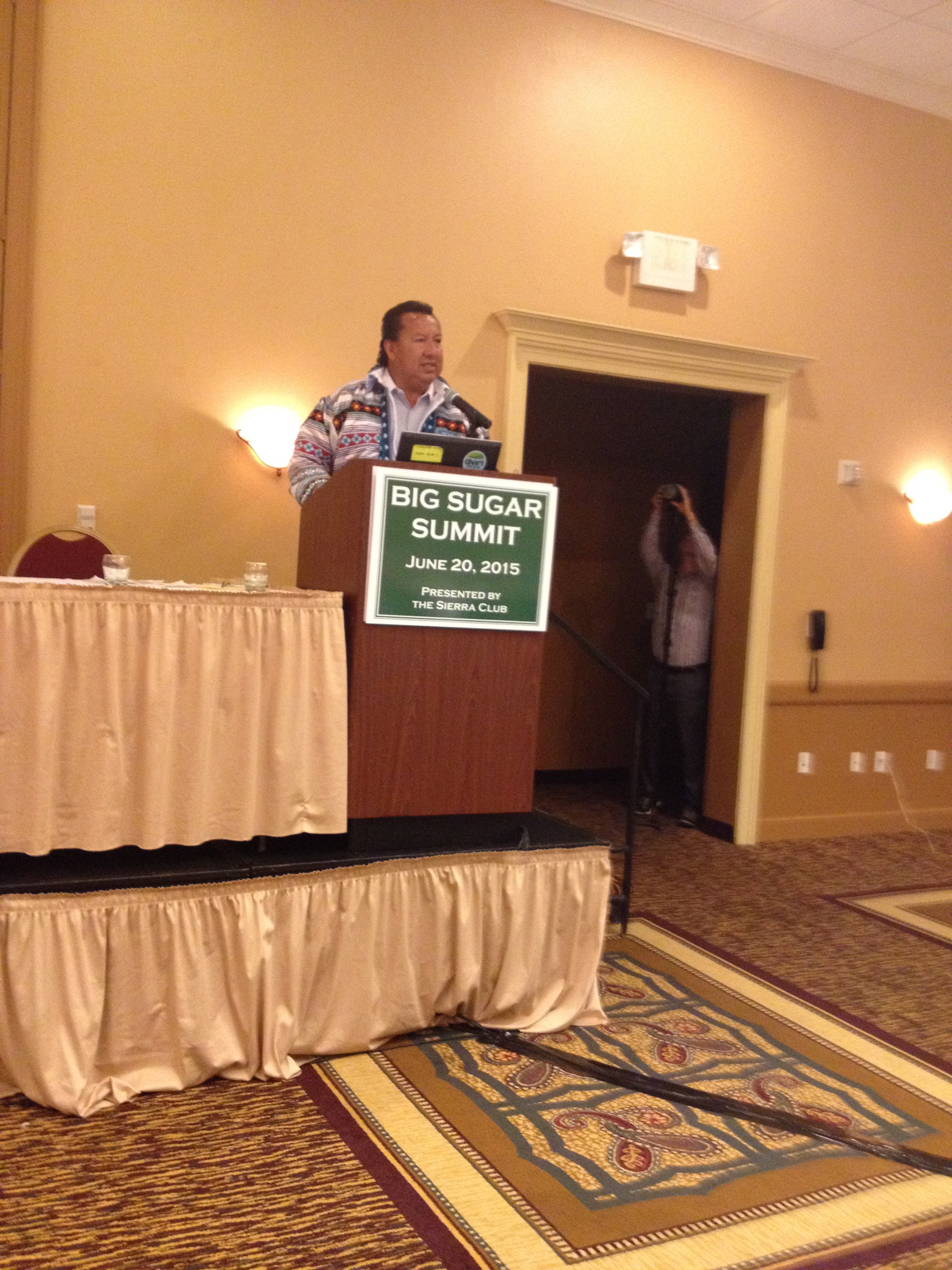
So honored that Chairman Collie Billie came and he was the keynote speaker at the Big Sugar Summit.

http://blog.nmai.si.edu/main/2014/02/meet-native-america-colley-billie.html

Meet Chairman Collie Billie

“I would like to take this opportunity to bring attention to the plight of the Florida Everglades in the hopes of inciting awareness and support for our struggles to help, protect, and defend this unique ecosystem for the next generations.

The Everglades is our mother. Until recently, it has protected and nurtured us. In our time, the delicate balance of the Florida Everglades has been pushed beyond its breaking point, and the Everglades is dying a slow death. We once were able to drink the clean water of the Florida Everglades. We were able to swim in its waters and eat from the land. Mismanaged by governmental agencies over the past 50 years, the water in the Florida Everglades is now heavily polluted. For this reason, crucial elements of our way of life are no longer possible.

The dire situation in the Everglades is a direct reflection of the struggle of the individual tribal member. We were once people who were able to thrive independently within the sanctuary of the Everglades, and our position has always been to be left alone to live as we used to live before Columbus. Our original way of life has been made virtually impossible because the land that we used to depend on is not the same. In a sense, we have been forced to come out into the non-Indian world and learn how to be a part of it and live in it. One of our responsibilities as members of the non-Indian world is to emphasize the quandary of the Florida Everglades to create positive change. The Comprehensive Everglades Restoration Plan was started around the year 2000. Thirteen years and over a billion dollars later, it has been unsuccessful in doing what it was purported to do—to re-establish the original path of water from Lake Okeechobee into Florida Bay. For example, the one-mile bridge that was recently constructed on the Tamiami Trail for the purpose of restoring sheet flow to Florida Bay has not done so. Yet there is a two-mile flyover bridge planned for the same purpose.

Historically, the problem with the restoration of the Everglades has been fragmented efforts with no solid, unifying direction. Projects have been based on the perspectives of people versus what is actually required for the Everglades to survive.

For the Miccosukee people, true restoration is to allow water to flow uninterrupted from Lake Okeechobee and wash out into Florida Bay. And that water must be clean. Only when the polluted water is cleaned can the Florida Everglades and its wildlife begin to recover.”

Here,  Chairman Colley Billie is  speaking to the Department of the Interior. If you follow the link you can read the whole thing.

http://docs.house.gov/meetings/AP/AP06/20140407/101763/HMTG-113-AP06-Wstate-BillieC-20140407.pdf

‘However, the Tribe strongly opposes the National Park Service’s (NPS) continued efforts to

construct a series of massive skyway bridges on the Tamiami Trail (Trail) including the currently proposed 2.6 mile bridge that will cost $193M because: (1) the bridges will not be permitted to operate as designed due to flooding and water quality concerns; and (2)there already exists a series of culverts that could effectively deliver water, during high water seasons such as if properly maintained at a fraction of the cost. At a minimum, NPS should be held to the requirements of the FY14 Omnibus with respect to securing all the should be held to the requirements of the FY14 Omnibus with respect to securing all the necessary funding for the project before being allowed to move forward with bridging.

My question is why is no one listening to Chairman Colley Billie and the Miccosukee Tribe? This goes beyond Florida to the Federal Government who apparently does not care at all and are willing to let our friends, the Miccosukee Tribe of Florida, be polluted. This is shameful.
We have a lot of priorities. This needs to be on the top of the list.
How can we get behind this and make sure that the Miccosukee Tribe has clean water? This must be done.
Please send a message to your US Congressman about this issue. Your more than welcome to use this blog post and the video. If you live in Florida send to your representatives so they clearly understand what they have done by completely ignoring all of us.

Big Sugar Summit: Richard Grosso, Environmental Legal Eagle!

Big Sugar Summit: Richard Grosso, Environmental Legal Eagle!

IMG_1725

Richard Grosso is Director, Environmental and Land Use Law Clinic. Shepard Broad Law Center, Nova Southeastern University.

http://evergladeslaw.org/about/history/

History of The Everglades Law Center

Our Beginning

“In 1990, a small group of law professors and lawyers created the Environmental and Natural Resources Law Center, Inc. to establish a nonprofit law firm dedicated to meeting the needs of the public interest in environmental issues facing Florida. In 1995 the organization hired Richard Grosso, the former Legal Director of 1000 Friends of Florida, as its Executive Director, to establish a legal representation program at Nova Southeastern University in Ft. Lauderdale, Florida. The name of the organization was officially changed in October of 1996 to the Environmental and Land Use Law Center, Inc.

The firm began to expand, adding three additional attorneys to the team, including Senior Staff Attorney Lisa Interlandi in 2001 and now Executive Director and General Counsel Jason Totoiu in 2006. In 2006, the firm changed its name to the Everglades Law Center to reflect its unique role in providing legal, strategic and policy advice to the dozens of organizations and individuals working to restore the Everglades.

Today, the Everglades Law Center celebrates over 20 years of providing legal counsel to nearly forty national, state, and local environmental and conservation organizations. We tackle issues from the Kissimmee River Basin to Florida Bay. We also assist clients on issues affecting other imperiled landscapes and watersheds throughout Florida. Our lawyers are strategically located across the greater Everglades ecosystem.”

http://www.1000friendsofflorida.org/wp-content/uploads/2015/01/Grosso-sea-level.pdf

Planning for Sea Level Rise: Legal Issues Facing Florida
Richard Grosso, Esq.
Professor of Law
Director, Environmental and Land Use Law Clinic
Shepard Broad Law Center Nova Southeastern University
3305 College Avenue
Ft. Lauderdale, Fla. 33314
grossor@nsu.law.nova.edu
We are so thankful for Richard Grosso!
Speaking of Environmental Law I thought this was interesting and humerous.

HO YA GONNA C(S)ITE?” GHOSTBUSTERS AND THE ENVIRONMENTAL REGULATION DEBATE

CHRISTINE ALICE CORCOS[*]Copyright © 1997 Florida State University Journal of Land Use & Environmental LawI. INTRODUCTION “Ghostbusters,[1] the phenomenally successful[2] Bill Murray/Harold Ramis/Dan Ackroyd comedy is generally considered to be an amusing takeoff on horror films of the thirties and forties, a kid’s movie, or a satire on academia, intellectuals, city government, yuppies, tax professionals, and apathetic New Yorkers.[3] What no one has con sidered this movie to be is a thoughtful introduction to environmental law and policy, suitable for discussion in a law school class,[4] or a serious examination of the competing interests in the environmental regulation debate. Yet, the film’s premise is that ghosts, like television advertising, marshmallows, and non-biodegradable packaging materials, can be classed as pollutants—messy, disruptive, loud, dangerous entities that need to be rounded up effectively and confined forever.[5] Further, a government’s inability to admit that an environmental danger, represented here by psychic pollutants, might exist[6] increases the likelihood that such a danger may damage the environment, just as the government’s unwillingness to recognize the true dangers of the pollutants at Love Canal put nearby inhabi tants at risk.[7] Thus, the film contends that the traditional reaction of the independent-thinking American to a danger which government is unable or unwilling to respond to is a kind of justified vigilantism. Too much government, like too much dependence on government, creates an environment suitable for disaster.”

DSC_0040

Great clip from a great environmental law film.

A compelling story about water!

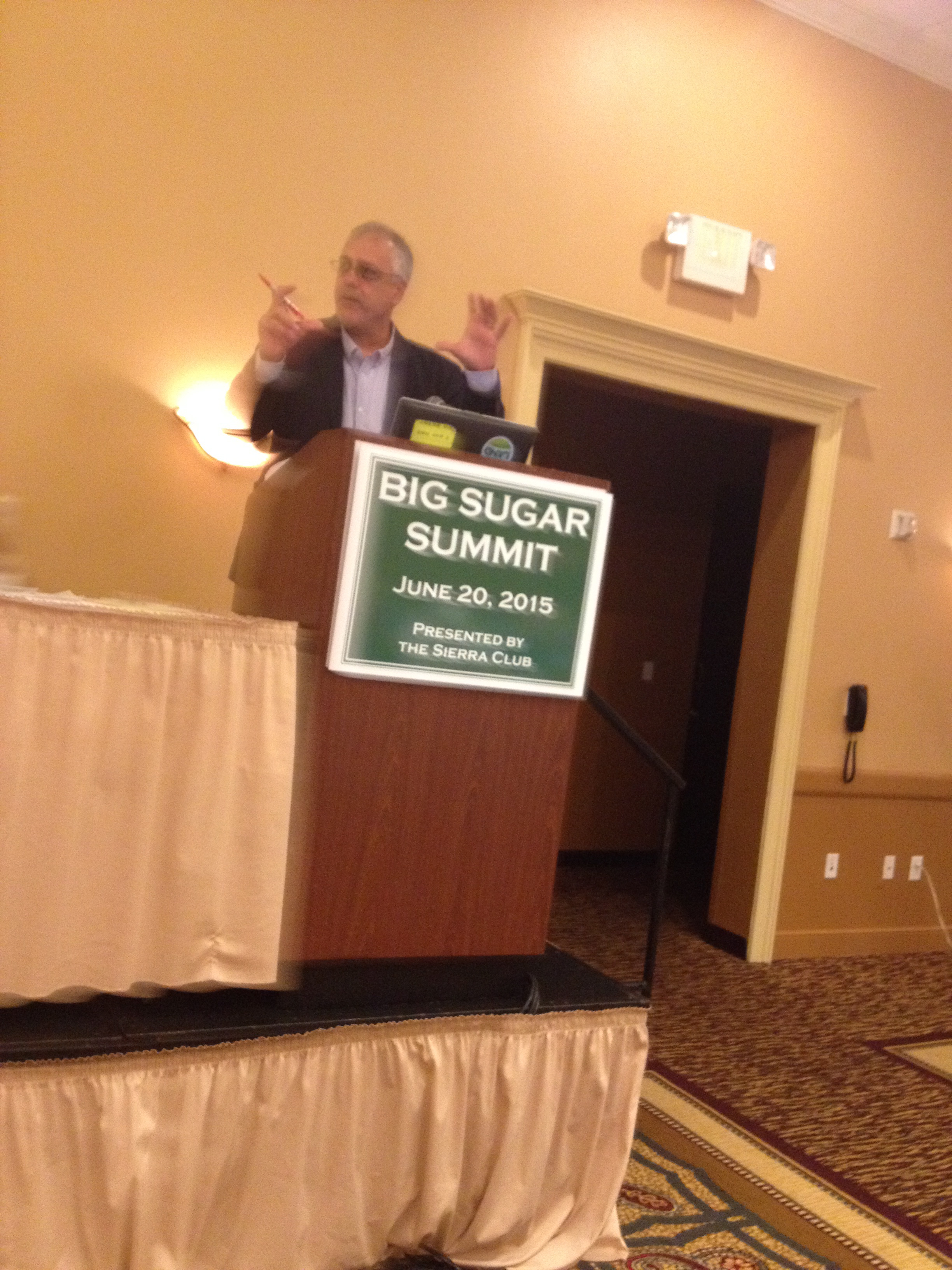
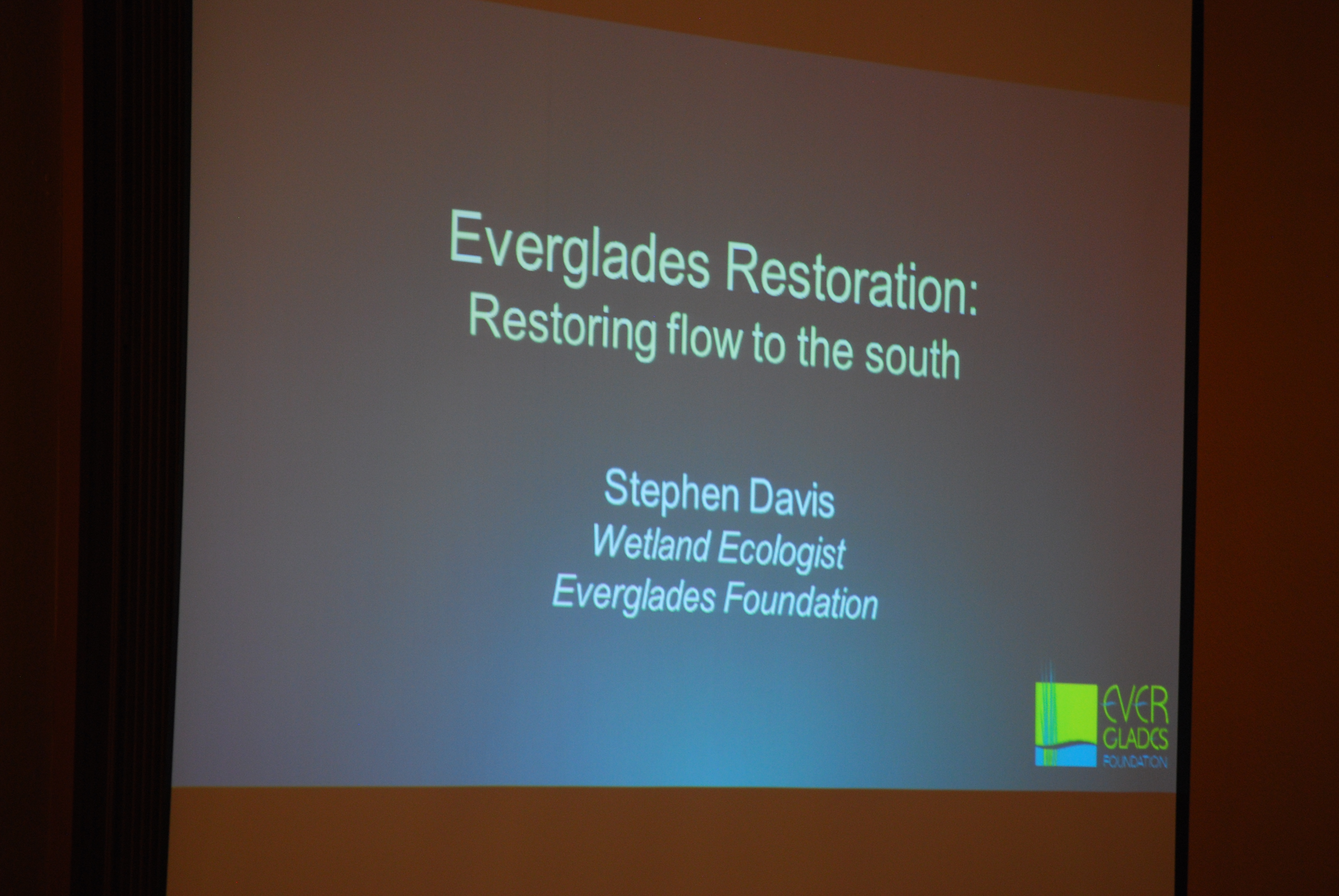
Big Sugar Summit: Stephen E. Davis III PHD, Wetland Ecologist. Science Guy!

Big Sugar Summit: Stephen E. Davis III PHD, Wetland Ecologist, The Everglades Foundation

DSC_0023

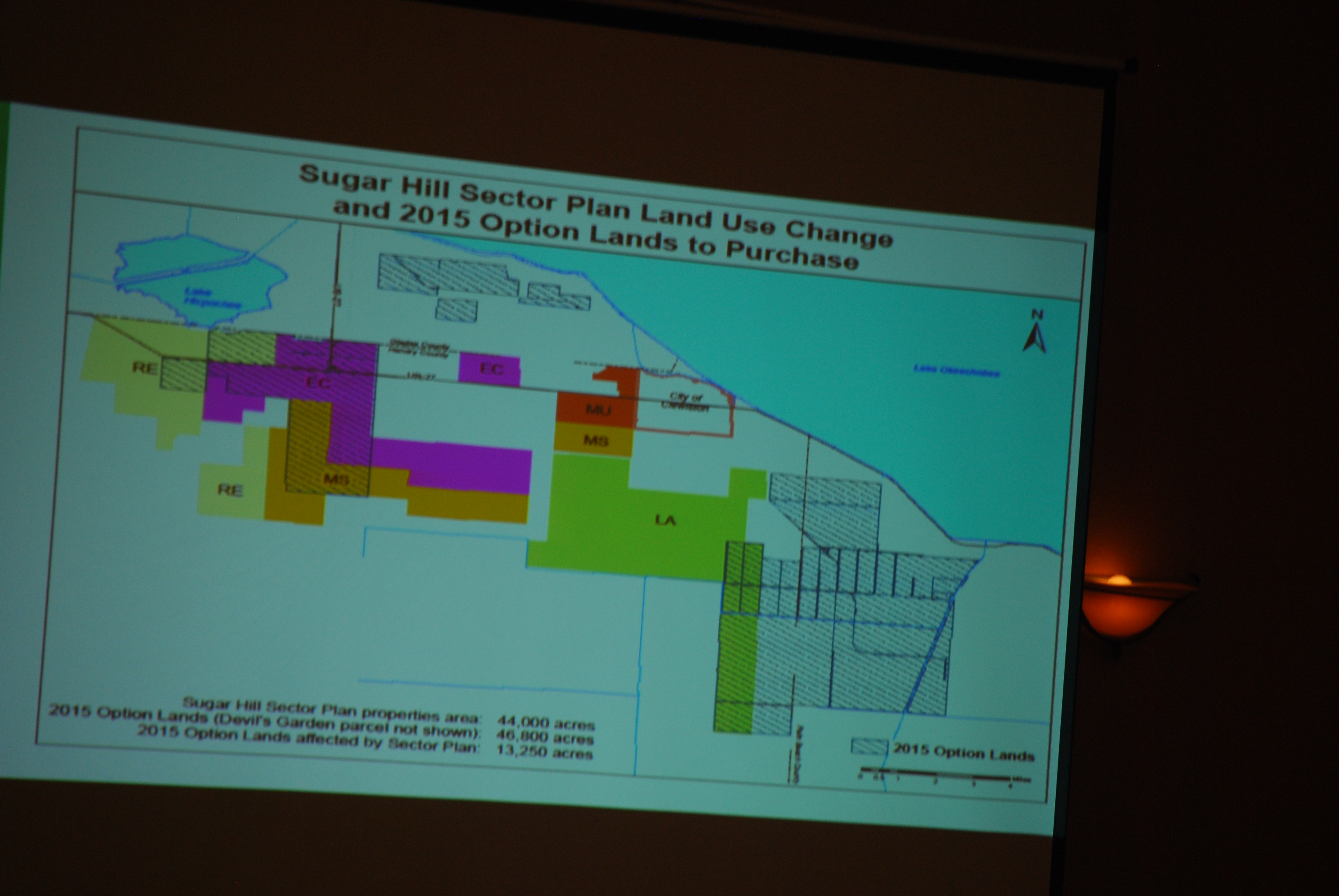
This presentation will available thru the Sierra Club, Florida in full with all the slides. So enjoy this preview.

Stephen E Davis Wetland Ecologist  The Everglades Foundation

Stephen E Davis
Wetland Ecologist
The Everglades Foundation

http://www.evergladesfoundation.org/what-we-do/science/

“The Foundation employs a team of scientists to serve as technical expert sources for the environmental community.  These resources include providing sworn expert testimony in legal proceedings, testimony at public hearings, and general education and training for environmental partners. The Foundation also provides fellowships and internships to graduate students from regional and national universities working on Everglades projects, all to ensure that the next generation of Everglades experts will be well-trained to face the mission in front of them well into the first half of the century. Areas of fundamental interest in the science program are: hydrology, natural resource planning, water quality and ecology”

DSC_0034 DSC_0032 DSC_0029

Check this out! It’s so cool!

Leading Science Initiatives

Hydrology

Water is the key to understanding the Everglades and the built environment. One in every three Floridians relies on the Everglades for their water supply and the native flora and fauna are finely tuned to the seasonal water cycles.  Part of what we do at the Everglades Foundation is discover  how the Everglades works, convert that to mathematics, and then program it on a computer. Once you do that, you can run “what-if…” scenarios that help decide what can and should be done to restore the Everglades. Hydrology and engineering allow us to look for solutions to restore the “River of Grass.” Thomas Van Lent, Ph.D., Senior Scientist

Ecology

Ecological research at the Everglades Foundation is centered on understanding how human impacts such as the introduction and spread of exotic invasive species, urban development, off-road vehicle (ORV) use, oil and gas activity, water management and nutrient inputs have affected plant and animal life across the Everglades. To do this, we partner with agencies, academic institutions and environmental organizations across the region to tap into the extensive body of scientific information and peer-reviewed research. We analyze data and provide input regarding various social and political issues that may offset the current ecological balance of the Everglades or thwart progress of Everglades restoration. Stephen E. Davis, III, Ph.D., Wetland Ecologist

Water Quality

Restoring the Everglades will take more than just putting the right amounts of water back. It will also require that the water be clean. We conduct research on what causes imbalances in native flora and fauna, and then determine what actions are needed to correct those problems. The survival of the Everglades depends on the quality of its water. Melodie Naja, Ph.D., Water Quality Scientist

Planning and Project Implementation

Research and ideas alone will not restore the Everglades.  These ideas must be converted into specific actions and projects.  The science team at the Everglades Foundation works with government agencies and stakeholders to implement science-based solutions. We contribute modeling information, review scientific research and analyses, provide scientific and engineering input to restoration and water quality projects, and work to educate decision makers and the public on the issues. This helps to build consensus and get things done.  Hong Xu, Environmental Engineer and Aida Arik, Ecological Engineer

Synthesizing Everglades Research

“No single entity is tackling or can tackle all of these issues,” Van Lent says. “It’s actually a concerted effort on the part of government agencies, non-profit organizations such as ours, and research entities to get this accomplished.” The single most important project being accomplished by Foundation scientists is not in-the-lab, test-tube science. It’s the synthesis of all scientific work conducted on the entire Everglades ecosystem from the Kissimmee River through Lake Okeechobee and into the southern Everglades and Florida Bay.

“The project combines all the available information and seeing which is most likely to get us to the goal,” says Van Lent. “This will guide us to recommend public policy that will lead to decisions to fix the ecosystem.” The initiative, financed by the U.S. Department of the Interior, involves explaining the work of 15 top scientists in Everglades-related fields for the past decade and making their work understandable to decision-makers and the public. “We’re taking the reports off the shelf and making them useful,” says Van Lent. “We’re the bridge between the laboratory and the real application of the science. We make the science useful.”

Science!

Stephan has a bunch of studies. I tried to get an account to read but I’m not with an institution.

Check these and other research by Stephen.

http://www.researchgate.net/publication/274638205_Sea_Level_Rise_in_the_Everglades_Plant-Soil-Microbial_Feedbacks_in_Response_to_Changing_Physical_Conditions

http://www.researchgate.net/publication/259195457_Biogeochemical_effects_of_simulated_sea_level_rise_on_carbon_loss_in_an_Everglades_mangrove_peat_soil

Here is one my favorite song writer/singers/comedians/philosophers Tom Lehr teaching us “The Elements.”

Thank you Stephen for your great presentation.

Traveling Florida Back Roads: Fort Basinger and the Lockett estate

Traveling Florida Back Roads: Fort Basinger and the Lockett estate.

Yesterday Jules and I drove out there.  This is right on the corner of 98 and 721.

Lockett estate, Basinger, Fl

Lockett estate, Basinger, Fl

http://fortwiki.com/Fort_Basinger

“Fort Basinger (1837-1850) – A U.S. Army post established in 1837 by Colonel Zachary Taylor during the Second Seminole War in present day Highlands County, Florida. Named after Lieutenant William E. Basinger, 2nd U.S. Artillery, who was killed at the Dade Massacre 28 Dec 1835. Abandoned in 1850.”

DSC_0015

Pearce-Lockett Estate

http://www.ghosttowns.com/states/fl/basinger.html

“Ft. Basinger was a fort, named after a lieutenant killed in the Dade massacre, from the Seminole wars during the 1830’s. The Kissimmee river fort site is on the Lockett homestead however, there are no remains. Basinger, on the Okeechobee side, is literally the seat of civilization since it was the first part of present-day Okeechobee county where white settlement is recorded. The first settlers moved here after the civil war and by the turn of the century Basinger was a “bustling” cowboy community. The town boasted of two hotels, a general store, clothing stores, and a post office. There were two town periods, one during the 1800’s and another during the early 1900’s. The majority of the settlers were cattlemen, who also hunted alligators and “coons”. The chief weapon of the Florida cowboy was a strong whip, 12 to 18 feet of braided buckskin fastened to a handle of 12 – 15 inches long. The pop or crack resulting from its use sounded like a rifle shot and is claimed to have resounded for several miles. The name “cracker”, applied to natives of Georgia and Florida, is said to have originated as a cattle term for those who used the whips. Early, 1870, settlers to the area were Parker, Holmes, Raulerson, Chandler, and Underhill. Settlers on the Highlands County side were the Daughtreys and the Pearces. There was a steam boat business that traveled up and down the Kissimmee river from 1894 to 1920. It died when the highway system went in. When the railroad past up the area for the town of Okeechobee the town slowly disappeared. Submitted by: Mike Woodfin”

http://www.abandonedfl.com/lockett-estate/

“Today the Lockett Estate and Basinger are just shadows of what they once were. There are no remains of the fort and the hotels and general store are long gone. Neglect and age are starting to take a toll on the buildings of the estate. The main house has rotting floors and roof. The barn is barely standing and several other smaller building are beginning to fall from neglect. There are several concrete lamp posts lining the originally drive, but some have fallen over and the boat house along the river is showing signs of the river’s rise and fall. One of the most important features is the Pearce family cemetery which is nestled under oak trees along Hwy 98. While the property is not being maintained, the cemetery has been secured to prevent wild hogs from destroying the headstones and disturbing the plots.

The site is currently in the hands of the South Florida Water Management District was part of the flood control plan. However, it is now considered excess property and may go up for public auction. Attempts to find a group to take control and keep the estate open to the public have failed. U.S. Fish and Wildlife and Florida Parks both backed out. Highlands County had the site briefly, but their plan to turn the historic location into a golf course prompted SFWMD to take it back. For now, the site is closed to the public. ”

DSC_0021

Pearce-Lockett Estate

DSC_0017

Pearce-Lockett Estate

DSC_0020

Pearce-Lockett Estate

In 1993, SFWMD acquired the Pearce-Lockett Estate through a donation as part of the Kissimmee River Restoration Project. The site was donated by the family on the condition that it wold be open to the public.
The Florida Park Service evaluated the property in 2002 and concluded that the site met or exceeded the qualifications for a State Park but due to constraints prevented them from accepting title from the District.
The Pearce-Lockett Estate is historically significant, but not designated as a State Historic SIte.
Source http://www.sfwmd.gov/portal/page/portal/xrepository/sfwmd_repository_pdf/lass_portfolio_kissokee_kissriver.pdf

This beautiful place could definitely benefit from Amendment One money.

Big Sugar Summit: Dr Gail Hollander, “Raising Cane in the Glades.”

#bigsugarsummit

IMG_1715

Big Sugar Summit: Dr Gail Hollander, “Raising Cane in the Glades.”

DSC_0021 DSC_0019

So excited hear this lecture. As I said before there will a final video with all the bells and whistles and slides professional done by some else. This is only part of the lecture so I hope when the video is done you’ll watch.

The title of the lecture was

“The History of Big Sugar in the Everglades Agricultural Area”

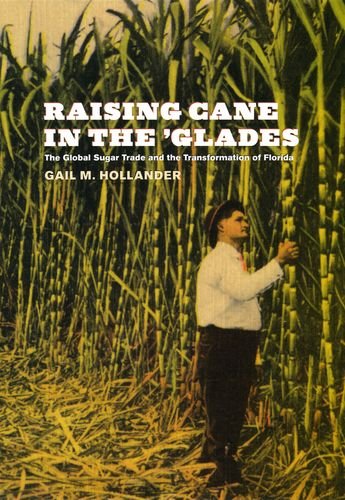
Dr Gail Hollander is an Associate Professor of Geography, Department of Global and Sociocultural Studies, Florida International University. She is the author of “Raising Cane in the Glades: The Global Sugar Trade and the Transformation of Florida.

raisingcane

The book is available on Amazon.

Over the last century, the Everglades underwent a metaphorical and ecological transition from impenetrable swamp to endangered wetland.  At the heart of this transformation lies the Florida sugar industry, which by the 1990s was at the center of the political storm over the multi-billion dollar ecological “restoration” of the Everglades.  Raising Cane in the ’Glades is the first study to situate the environmental transformation of the Everglades within the economic and historical geography of global sugar production and trade.

Using, among other sources, interviews, government and corporate documents, and recently declassified U.S. State Department memoranda, Gail M. Hollander demonstrates that the development of Florida’s sugar region was the outcome of pitched battles reaching the highest political offices in the U.S. and in countries around the world, especially Cuba—which emerges in her narrative as a model, a competitor, and the regional “other” to Florida’s “self.”  Spanning the period from the age of empire to the era of globalization, the book shows how the “sugar question”—a label nineteenth-century economists coined for intense international debates on sugar production and trade—emerges repeatedly in new guises. Hollander uses the sugar question as a thread to stitch together past and present, local and global, in explaining Everglades transformation.

Here is the video.