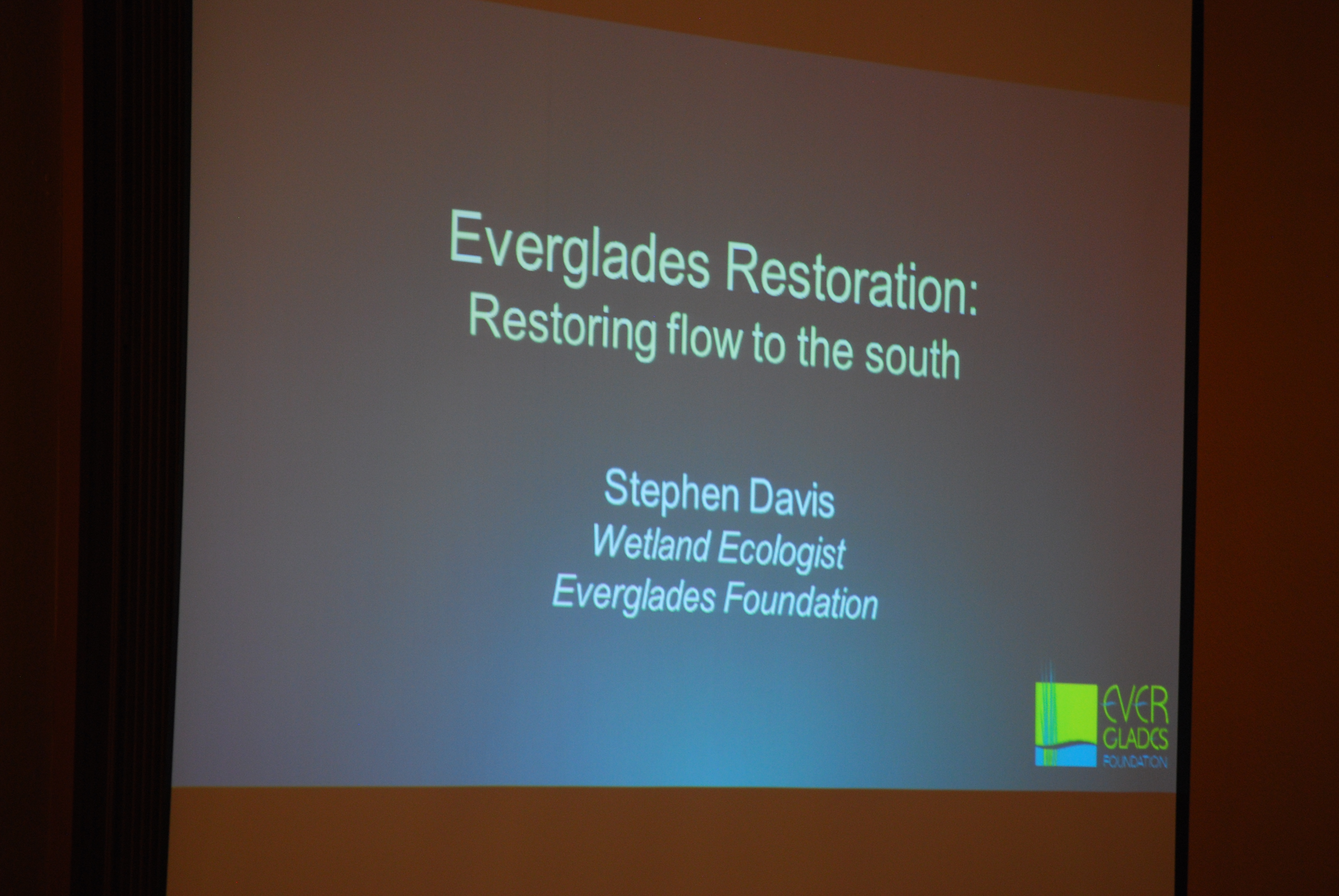
Big Sugar Summit: Stephen E. Davis III PHD, Wetland Ecologist. Science Guy!

Big Sugar Summit: Stephen E. Davis III PHD, Wetland Ecologist, The Everglades Foundation
DSC_0023

This presentation will available thru the Sierra Club, Florida in full with all the slides. So enjoy this preview.

Stephen E Davis Wetland Ecologist  The Everglades Foundation

Stephen E Davis
Wetland Ecologist
The Everglades Foundation

http://www.evergladesfoundation.org/what-we-do/science/

“The Foundation employs a team of scientists to serve as technical expert sources for the environmental community.  These resources include providing sworn expert testimony in legal proceedings, testimony at public hearings, and general education and training for environmental partners. The Foundation also provides fellowships and internships to graduate students from regional and national universities working on Everglades projects, all to ensure that the next generation of Everglades experts will be well-trained to face the mission in front of them well into the first half of the century. Areas of fundamental interest in the science program are: hydrology, natural resource planning, water quality and ecology”

DSC_0034 DSC_0032 DSC_0029

Check this out! It’s so cool!

Leading Science Initiatives

Hydrology

Water is the key to understanding the Everglades and the built environment. One in every three Floridians relies on the Everglades for their water supply and the native flora and fauna are finely tuned to the seasonal water cycles.  Part of what we do at the Everglades Foundation is discover  how the Everglades works, convert that to mathematics, and then program it on a computer. Once you do that, you can run “what-if…” scenarios that help decide what can and should be done to restore the Everglades. Hydrology and engineering allow us to look for solutions to restore the “River of Grass.” Thomas Van Lent, Ph.D., Senior Scientist

Ecology

Ecological research at the Everglades Foundation is centered on understanding how human impacts such as the introduction and spread of exotic invasive species, urban development, off-road vehicle (ORV) use, oil and gas activity, water management and nutrient inputs have affected plant and animal life across the Everglades. To do this, we partner with agencies, academic institutions and environmental organizations across the region to tap into the extensive body of scientific information and peer-reviewed research. We analyze data and provide input regarding various social and political issues that may offset the current ecological balance of the Everglades or thwart progress of Everglades restoration. Stephen E. Davis, III, Ph.D., Wetland Ecologist

Water Quality

Restoring the Everglades will take more than just putting the right amounts of water back. It will also require that the water be clean. We conduct research on what causes imbalances in native flora and fauna, and then determine what actions are needed to correct those problems. The survival of the Everglades depends on the quality of its water. Melodie Naja, Ph.D., Water Quality Scientist

Planning and Project Implementation

Research and ideas alone will not restore the Everglades.  These ideas must be converted into specific actions and projects.  The science team at the Everglades Foundation works with government agencies and stakeholders to implement science-based solutions. We contribute modeling information, review scientific research and analyses, provide scientific and engineering input to restoration and water quality projects, and work to educate decision makers and the public on the issues. This helps to build consensus and get things done.  Hong Xu, Environmental Engineer and Aida Arik, Ecological Engineer

Synthesizing Everglades Research

“No single entity is tackling or can tackle all of these issues,” Van Lent says. “It’s actually a concerted effort on the part of government agencies, non-profit organizations such as ours, and research entities to get this accomplished.” The single most important project being accomplished by Foundation scientists is not in-the-lab, test-tube science. It’s the synthesis of all scientific work conducted on the entire Everglades ecosystem from the Kissimmee River through Lake Okeechobee and into the southern Everglades and Florida Bay.

“The project combines all the available information and seeing which is most likely to get us to the goal,” says Van Lent. “This will guide us to recommend public policy that will lead to decisions to fix the ecosystem.” The initiative, financed by the U.S. Department of the Interior, involves explaining the work of 15 top scientists in Everglades-related fields for the past decade and making their work understandable to decision-makers and the public. “We’re taking the reports off the shelf and making them useful,” says Van Lent. “We’re the bridge between the laboratory and the real application of the science. We make the science useful.”

Science!

Stephan has a bunch of studies. I tried to get an account to read but I’m not with an institution.

Check these and other research by Stephen.

http://www.researchgate.net/publication/274638205_Sea_Level_Rise_in_the_Everglades_Plant-Soil-Microbial_Feedbacks_in_Response_to_Changing_Physical_Conditions

http://www.researchgate.net/publication/259195457_Biogeochemical_effects_of_simulated_sea_level_rise_on_carbon_loss_in_an_Everglades_mangrove_peat_soil

Here is one my favorite song writer/singers/comedians/philosophers Tom Lehr teaching us “The Elements.”

Thank you Stephen for your great presentation.

Traveling Florida Back Roads: Fort Basinger and the Lockett estate

Traveling Florida Back Roads: Fort Basinger and the Lockett estate.

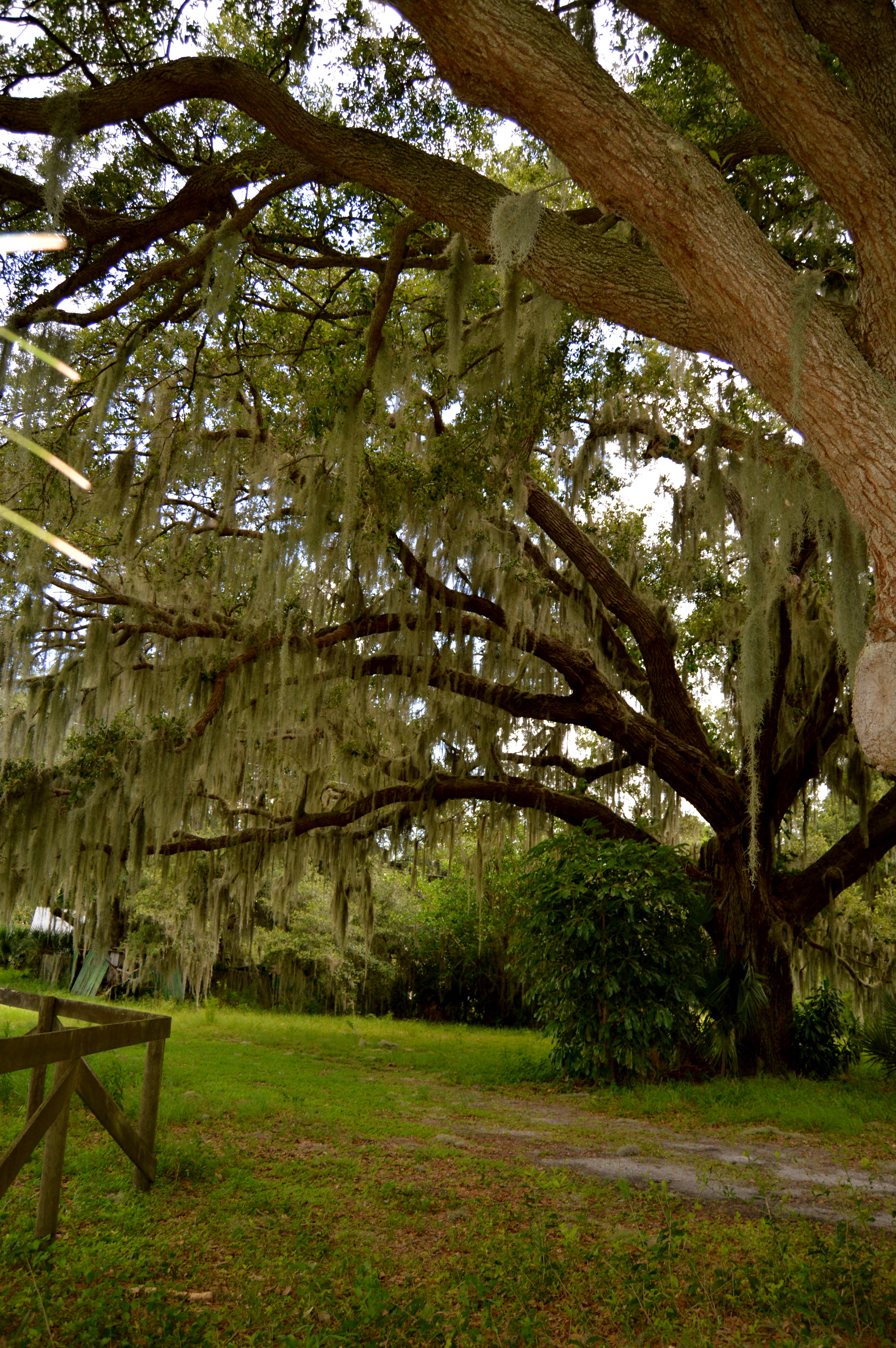
Yesterday Jules and I drove out there.  This is right on the corner of 98 and 721.

Lockett estate, Basinger, Fl

Lockett estate, Basinger, Fl

http://fortwiki.com/Fort_Basinger

“Fort Basinger (1837-1850) – A U.S. Army post established in 1837 by Colonel Zachary Taylor during the Second Seminole War in present day Highlands County, Florida. Named after Lieutenant William E. Basinger, 2nd U.S. Artillery, who was killed at the Dade Massacre 28 Dec 1835. Abandoned in 1850.”

DSC_0015

Pearce-Lockett Estate

http://www.ghosttowns.com/states/fl/basinger.html

“Ft. Basinger was a fort, named after a lieutenant killed in the Dade massacre, from the Seminole wars during the 1830’s. The Kissimmee river fort site is on the Lockett homestead however, there are no remains. Basinger, on the Okeechobee side, is literally the seat of civilization since it was the first part of present-day Okeechobee county where white settlement is recorded. The first settlers moved here after the civil war and by the turn of the century Basinger was a “bustling” cowboy community. The town boasted of two hotels, a general store, clothing stores, and a post office. There were two town periods, one during the 1800’s and another during the early 1900’s. The majority of the settlers were cattlemen, who also hunted alligators and “coons”. The chief weapon of the Florida cowboy was a strong whip, 12 to 18 feet of braided buckskin fastened to a handle of 12 – 15 inches long. The pop or crack resulting from its use sounded like a rifle shot and is claimed to have resounded for several miles. The name “cracker”, applied to natives of Georgia and Florida, is said to have originated as a cattle term for those who used the whips. Early, 1870, settlers to the area were Parker, Holmes, Raulerson, Chandler, and Underhill. Settlers on the Highlands County side were the Daughtreys and the Pearces. There was a steam boat business that traveled up and down the Kissimmee river from 1894 to 1920. It died when the highway system went in. When the railroad past up the area for the town of Okeechobee the town slowly disappeared. Submitted by: Mike Woodfin”

http://www.abandonedfl.com/lockett-estate/

“Today the Lockett Estate and Basinger are just shadows of what they once were. There are no remains of the fort and the hotels and general store are long gone. Neglect and age are starting to take a toll on the buildings of the estate. The main house has rotting floors and roof. The barn is barely standing and several other smaller building are beginning to fall from neglect. There are several concrete lamp posts lining the originally drive, but some have fallen over and the boat house along the river is showing signs of the river’s rise and fall. One of the most important features is the Pearce family cemetery which is nestled under oak trees along Hwy 98. While the property is not being maintained, the cemetery has been secured to prevent wild hogs from destroying the headstones and disturbing the plots.

The site is currently in the hands of the South Florida Water Management District was part of the flood control plan. However, it is now considered excess property and may go up for public auction. Attempts to find a group to take control and keep the estate open to the public have failed. U.S. Fish and Wildlife and Florida Parks both backed out. Highlands County had the site briefly, but their plan to turn the historic location into a golf course prompted SFWMD to take it back. For now, the site is closed to the public. ”

DSC_0021

Pearce-Lockett Estate

DSC_0017

Pearce-Lockett Estate

DSC_0020

Pearce-Lockett Estate

In 1993, SFWMD acquired the Pearce-Lockett Estate through a donation as part of the Kissimmee River Restoration Project. The site was donated by the family on the condition that it wold be open to the public.
The Florida Park Service evaluated the property in 2002 and concluded that the site met or exceeded the qualifications for a State Park but due to constraints prevented them from accepting title from the District.
The Pearce-Lockett Estate is historically significant, but not designated as a State Historic SIte.
Source http://www.sfwmd.gov/portal/page/portal/xrepository/sfwmd_repository_pdf/lass_portfolio_kissokee_kissriver.pdf

This beautiful place could definitely benefit from Amendment One money.

Stealing amendment 1 money should be a crime.

Stealing amendment 1 money should be a crime.

We need an amendment that says if lawmakers do not support our citizen amendments they get charged with a crime. After all it is stealing.

CSFTS logo

http://www.miamiherald.com/news/local/news-columns-blogs/fred-grimm/article24812611.html

Instead, as Craig Pittman and Michael Auslen of the Tampa Bay Times reported, that great pile of Amendment 1 money is going to pay for items that normally would have been funded out of the regular budget. For stuff like park maintenance.

But the legislators, in cynical disregard of their constituents’ intent, earmarked $13.65 million of the Amendment 1 money to bail out a water storage project that auditors from the South Florida Water Management District had found was wildly out of whack in terms of cost effectiveness.

That’s just $3.75 million less than what Florida Forever will be getting for new land purchases.

The $13.65 million will bail out agricultural outfits like Alico, with major Florida holdings in citrus, ranching, farming and the very lucrative operations known as “water farming.” Alico is the largest of landowners around Lake Okeechobee paid to store water behind earth berms, meant to keep it from exacerbating the problems of the polluted estuaries of the St. Lucie and Caloosahatchee rivers. As the Tampa Bay Times reported, a 57-page auditor’s report last year found these water farming contracts cost the public 10 times more if these than storage projects had been built on public land. Water farming is a massive boondoggle.

Which might have been beside the point, given that the South Florida Water Management District had run out of money to fund water farming anyway. But all that Florida Forever money presented the likes of Alico another fat funding source.

http://floridawaterlandlegacy.org/sections/page/faq

The money will be used for water and land conservation, management, and restoration in Florida. The funds dedicated by Amendment 1 will:

  • Restore, manage, and acquire lands necessary to protect Florida’s drinking water sources and protect the water quality in our rivers, lakes and streams;
  • Protect our beaches and shores;
  • Protect and restore the Everglades and other degraded natural systems and waterways;
  • Manage fish and wildlife habitat, protect forests and wetlands, and restore conservation lands that are an important part of Florida’s economy and quality of life;
  • Provide funding to manage existing state and local natural areas, parks, and trails for water supply, habitat and recreation.

All this will be achieved with no increase in taxes.

Why did we need to amend the state constitution? 

Since 2009, the Legislature has dramatically reduced funding for water and land protection, cutting key programs by more than 95%. Amendment 1 would ensure that water and land conservation projects are adequately funded – the funds cannot be diverted to other purposes – without increasing taxes. The only way to secure significant, sustainable resources for water and land conservation, management and restoration for the long-term is to take this issue directly to Florida voters through a constitutional amendment.

The legislature taketh and then they taketh some more.

How do I know the funds will be spent wisely?
Florida’s conservation programs have a great track record of spending these funds wisely. Amendment 1 ensures that funds are used solely for conservation purposes and cannot be used for any other purpose by the Legislature. Using the state’s existing successful programs as a model, objective criteria will continue to determine how funds are spent in order to keep politics out of the process.

Florida Forever and its predecessor Preservation 2000, for example, have been the most successful state land conservation programs in the nation, protecting more than 2.4 million acres of critical water resources, natural areas, wildlife habitat, parks, greenways and trails. Restoration of the Florida Everglades is the most comprehensive ecological restoration project in history. Florida’s land managing agencies and water management districts have done a tremendous job restoring degraded natural systems, including the state’s longleaf pine forests, the upper St. Johns River watershed and Rookery Bay. Amendment 1 ensures funding so that this critical restoration work will continue.

Now that Amendment 1 has passed, who will be in charge of the money?
While citizens can dedicate funding for water and land conservation in the state constitution, we cannot appropriate funds via the constitution. Appropriations are solely the Legislature’s responsibility. Fortunately, Florida has a number of excellent programs already in place for making project selection decisions. The state has a stellar track record of selecting conservation projects based on objective criteria and science, which includes review by citizens and oversight panels composed of experts from the appropriate fields. The existing Acquisition and Restoration Council is one good example. Amendment 1 does not change these existing project selection systems. So while the Legislature must appropriate the funds, the existing tried and true systems in place for project selection would not change now that Amendment 1 has been ratified.

Oh! Remember this?

https://cyndi-lenz.com/2015/04/15/pr-firm-plays-both-sides-of-the-road-makes-stupid-remarks/

One source for money to revive the water-farming contracts was money from the taxpayers from the rest of the state, via the Legislature. But the water district’s governing board, under state law, is not allowed to hire its own lobbyists to pursue funding.

Instead, Alico did it for them.

The company employed 16 lobbyists last year, and it turned them loose on the Legislature to get $13 million to pump new life into the project. Alico spokeswoman Sarah Bascom said the company was just helping out a state agency in need, and its lobbyists did not specifically ask for money for Alico’s own contract.”

Do our Legislators Need to be Credentialed?

Our Legislators Need to be Credentialed.

politicians

As a nurse I have to be credentialed into order to work. I had to go to school, take my boards, pay for my license. I have to complete continuing education. That’ s just to keep my license. Then in order to be a nurse and have a job I have to do the following.

1. Have my level 2 back ground screening ; get fingerprinted (Florida and FBI) ; always  be open to a drug test;

http://floridasnursing.gov/help-center/what-is-a-level-2-background-screening/

sign a “good moral character”affidavit

http://www.dcf.state.fl.us/programs/backgroundscreening/docs/APD%20Affidavit%20of%20Good%20Moral%20Character%20August%202010.pdf

There’s more. There is a big long list of things you have to do even after you go to nursing, take your boards, pass the test, get the license.

Even to be a MRC volunteer you have to do these things.

I also have to have an active CPR certificate.

I don’t have problem a doing any of these things.  I would want to the person taking care of me to have to do the same thing. If we had our politicians following the same rules I bet  we could get  rid of a good amounts of politicians out there.

There are many other employees in health care and other various fields that have to do the same thing. including: Various City Governments AND Water Management Facility  Employees. Interesting.

Employees yes

but Boss’s NOT. hmmmm…..

http://www.fdle.state.fl.us/Content/getdoc/b059be98-4e2d-45fc-b823-92573ab76e11/A9R6E83.aspx

A positive note is if your candidate is in health care or any of these other fields that require either level one or level two then you know they’ve been checked out!

So I wondered what do politicians have to do to run so they can be charge of all the rules and laws that essentially run our lives  and I found this.

https://answers.yahoo.com/question/index;_ylt=A0LEVi38SWpVXFoAAMAnnIlQ;_ylu=X3oDMTBybGY3bmpvBGNvbG8DYmYxBHBvcwMyBHZ0aWQDBHNlYwNzcg–?qid=20090502234123AAZjMrW&p=politicians%20credentials

“To become a politician you would need to major in Deceit, lying, thieving and expenses or bribe taking.”

CSFTS logo

LOL

But really they don’t have to produce anything.  Not even a CPR card.

FBI GUY: If your a politician and your taking money and your voting on matters that affect the people your taking money from you shouldn’t do that. It’s pretty simple.

What can we do about the death of Florida Bay, our water, our river, our eastuaries? Bring me the person in charge!

What can we do about the death of Florida Bay, our water, our river, our estuaries?

Feeling frustration? Yes me too.

This just in from the keys free press.

Why is Rick Scott destroying Florida?

http://pdf.keysnews.com/weeklys/freepress.pdf

 Opinion piece that is in this weeks Florida Keys Free Press at http://pdf.keysnews.com/weeklys/freepress.pdf that reads as follows:

Florida Bay needs clean water now

Unless the South Florida Water Management District takes immediate action to restore flows of clean fresh water to the southern Everglades, its governing board and the man who appointed them, Gov. Rick Scott, will go down in history as the people who destroyed South Florida’s coastal fisheries.

Most estuaries in the district’s jurisdiction are on the verge of collapse. By assaulting the St. Lucie and Caloosahatchee rivers with billions of gallons of filthy runoff and depriving Florida Bay of clean fresh water, the district is knowingly destroying many of the iconic waters that make Florida the Fishing Capital of the World.

The discharges out the St. Lucie and Caloosahatchee rivers get the most media attention, since they’re urban waterways and always in the public eye. But what’s going wrong in Florida Bay is also reprehensible and costly, especially in the context of Florida Keys tourism. One of Florida Bay’s most popular and prolific fish species, the spotted sea trout or “speckled trout,” has virtually disappeared. Recent studies confirm what veteran anglers like me witness on the water — a near absence of the second most commonly caught fish in Florida Bay, which also happens to be the state’s most commonly targeted species.

You really have to work hard at destroying an estuary to crash spotted sea trout populations. Female trout spawn as frequently as each full and new moon from March through October, broadcasting hundreds of thousands of eggs into waters where they’ve spawned for millennia.

These offspring can survive in a pretty wide range of salinity levels. However, water that’s too salty causes brown algae blooms that block sunlight from reaching seagrass meadows, killing seagrasses and depriving juve- niles of essential cover. Annual hatches of shrimp and crabs, which provide nutrition for juvenile trout, depend upon spring- and summertime influxes of fresh water as well. Without clean, fresh water mixing in the bay, the little trout and many other species don’t get enough to eat. Extremely salty water also interferes with a juvenile trout’s ability to breathe.

Boating and fishing are two of Florida’s biggest economic engines. So you’d think the state that touts itself as the Fishing Capital of the World would bend over backwards to ensure that its most fertile coastal waters get the right amount of clean water at the right times, to maximize the numbers of fish and other marine life these waters can produce. After all, recreational fish- ing in salt water alone generates at least $7.6 billion, with more than $1 billion of that income generated in Everglades watersheds.

Instead, fishermen like me embrace science-based fisheries management and adhere to catch limits recommended by scientists, only to watch fisheries and the ecosystems they belong to crash because of water mismanagement.
We’re tired of being ignored. Florida Bay needs more fresh water, the same water that’s destroying the St. Lucie and Caloosahatchee. To restore our coastal fisheries, the district needs to expand water storage, clean the water and send it south from Lake Okeechobee to the Everglades and Florida Bay. … Our fisheries are running out of time, our jobs are on the line and our patience has run out.

Capt. Matt Bellinger, Bamboo Charters, Islamorada

One way you can help this weekend is to attend one of these rallies.

http://floridawaterlandlegacy.org/sections/page/may30events

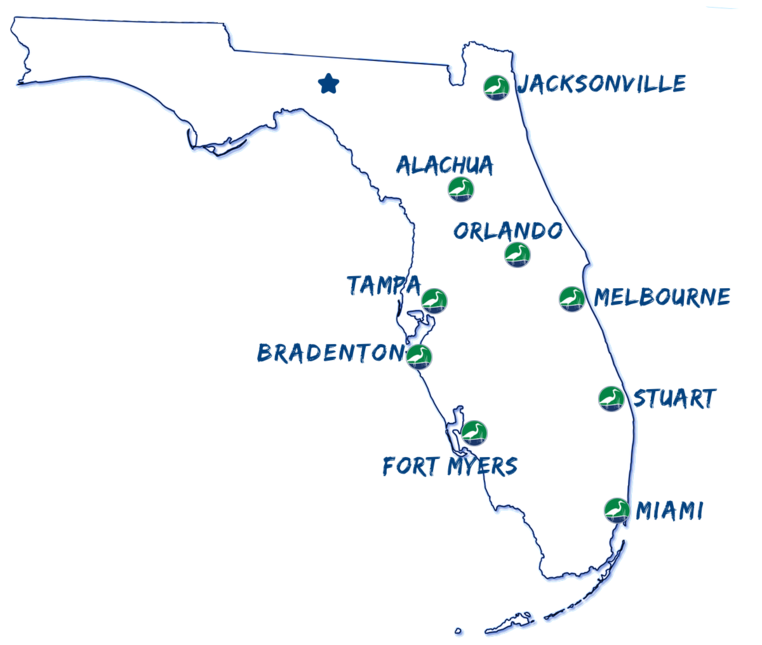
Finish the Job: May 30 Eventsmay30eventsmap-updated

Click on any city below for more information.
Alachua

When: 10:00 am – 11:00 am

Where: 15935 NW US Hwy 441, Alachua, FL 32615
(Parking at Lowes, Sonny’s BBQ, or other nearby lots. This is the stretch of 441 that everyone uses to get to Spring Country!)

Lead organizers: Heather Culp, hculp@floridaspringsinstitute.org and Merrillee Malwitz-Jipson, merrilleeart@aol.com

Bradenton

When: 11:00 am – 12:00 pm

Where: Manatee County Courthouse, 1115 Manatee Ave. W., Bradenton, FL 34205

Lead organizer: Sandra Ripberger, sandrarip@yahoo.com

Fort Myers

When: 11:00 am – 12:00 pm

Where: Lee County Alliance of the Arts, 10091 McGregor Blvd., Ft. Myers, FL 33919

Lead organizers: Ray Judah, ray.judah@icloud.com and John Scott, greenguy@smartgreenhelp.com

Jacksonville

When: 10:00 am – 11:00 am

Where: Walter Jones Historical Park, 11964 Mandarin Rd., Jacksonville, FL 32223

Lead organizers: Jimmy Orth, jorth@ju.edu and Lisa Rinaman, lisa@stjohnsriverkeeper.org

Melbourne

When: 10:00 am – 11:00 am

Where: Grills Riverside, 6075 N US Hwy 1, Melbourne, FL 32940
On the Lagoon, east side of US Hwy 1, just north of Pineda Causeway.

Lead organizer: Spence Guerin, spenceguerin@earthlink.net

Miami

City of South Miami Mayor Philip Stoddard invites you to a public meeting with the Water and Land Legacy Coalition.
When: 11:00 am – 12:00 pm

Where: South Miami City Hall Commission Chamber, 6130 Sunset Dr., South Miami, FL 33143

Lead organizer: Tabitha Cale, tcale@audubon.org

Orlando

When: 10:00 am – 11:00 am

Where: Eagle’s Nest Park, 5165 Metrowest Blvd, Orlando, FL 32811

Lead organizer: Deborah Green, watermediaservices@icloud.com

Stuart

When: 11:00 am – 12:00 pm

Where: Terra Fermata, 26 SE 6th St., Stuart, FL 34994

(Stick around for the Dirty River Jam, benefiting Indian Riverkeeper!)

Lead organizer: Marty Baum, indianrivguy@yahoo.com

Tampa

When: 10:30 am – 11:30 am

Where: Cypress Point Park, 5620 W. Cypress St., Tampa, FL 33607
Lead organizers: Elizabeth Fleming, efleming@defenders.org, Kent Bailey, kent.bailey@florida.sierraclub.org, Frank Jackalone, frank.jackalone@sierraclub.org

ToDo%20FB%20EventBannerWithDate

This has got to be fixed. All these people are in charge

SFWMD

The Legislature

Rick Scott

Seems to me like its a concerted effort to destroy Florida. or at least privatize it.

or even better!

and we are still being destroyed

Paddlefest 2015: Project L.I.F.T.

Paddlefest 2015:  Project Lift

DSC_0008

http://www.projectliftmc.com

How Project L.I.F.T. works

Project L.I.F.T. combines job-training, community service and behavior modification with pioneering community solutions during difficult economic times. “At-risk” youth members of Project L.I.F.T. have the opportunity to literally affect the lives of hundreds of individuals in a positive way through innovative interventions and service learning experiences.

This sense of self-management and community responsibility will equip at-risk youth with problem solving capabilities to provide insight into why they choose certain negative behaviors and how to successfully intervene to avoid those behaviors in the future.

Each day, members of Project L.I.F.T. receive the opportunity to learn hands-on job skills, guided by professionals in designated fields. The projects that members work on and learn from are then made available to families in need. Surrounded by positive mentors, members are also provided with a safe and healthy environment to build valuable and meaningful relationships, which help them grow mentally and develop skills to prevent relapses. During this process, members are given opportunities to work on their “self” through structured behavioral interventions led by state licensed mental health professionals.

The product of the Project L.I.F.T. experience is not only a “Restored Youth,” but a youth who is better prepared to live and work independently.

I met up with Matt Churchey at Paddlefest and he told me about Project Lift.

Thank You PROJECT LIFT!

Dolphin Ecology Project: Let’s help our Southern IRL Dolphin Family

Dolphin Ecology Project

dolphineo

Yesterday, I caught up with Nik Mader of the Dolphin Ecology Project at Paddlefest 2015.

DSC_0005

We have around 100 resident dolphins in the southern Indian River Lagoon. They live here like we live here.

who

Nik reminds us what happens to the water happens to the Dolphins.

So if this happens to us it happens to the dolphins.

St Lucie River middle estuary, February 2015.

We can go to our houses. This is their house.

http://www.dolphinecology.org/FindOut/

The Dolphin Ecology Project is establishing a long-term field research and monitoring program to collect these data and evaluate how dolphins respond to changes in ecosystem health. Throughout the year, Project staff, scientists and volunteers photograph individual dolphins for identification and observe their activities, along with sampling environmental parameters and identifying and measuring the abundance of important dolphin prey species. Over time the Project intends to gain a better understanding about how dolphins utilize the different habitats that comprise the Florida Keys. The Project’s educational goal is to increase public awareness about dolphins and the interrelated nature of the Florida Keys’ habitats and the importance of South Florida ecosystem restoration efforts.

http://www.dolphinecology.org/help/index.html

Volunteer to help with this exciting Project! Contact the Volunteer Stewardship Exchange of The Nature Conservancy at 305-289-9060. Become a Dolphin Ecology Project Member. Your contribution will support the ProjectÕs research and education programs, ensuring a sustainable future for humans, dolphins, and the ocean environment. 

If you go to the link above there is a  membership form link on the left, you can print the form and send it in with your tax deductible contribution.

They also have a nice poster with all the local dolphins on them and their t-shirts are beautiful.

Let’s make sure we support this wonderful project that supports our neighbors, the dolphins of the southern indian river lagoon.

Most of all lets support our good neighbors the dolphins of the southern indian river lagoon.

jump_frame

Who could blame them if this happened?

“So long and thanks for all the fish” from the hitchhikers guide to the galaxy.

Candidate Training with Kevin Winchell

Candidate Training with Kevin Winchell

10996488_10206557231993772_7780841559861604845_n

#‎fladems‬

@kwinchel

DSC_0002

Alina ValdesLeft me wanting more. As a candidate, I learned quite a bit. I see why people have said to me that the more I do, the better I will get. I am ready for the next one.”

Terry Rizzo PBCDEC chair

Chair, PBCDEC

Chair, PBCDEC

Event Organizer: Mary Westcott Higgins, Mary Higgins for State Representative , District 82

Mary Wescott Higgins

Mary Wescott Higgins

Kevin Winchell

DSC_0035

Successful Candidates

Building your Bases

DSC_0050

Forming a Team

DSC_0057

Message Development

Establishing Credibility

DSC_0052

Fundraising

Fun Fundraising exercise

Voter Outreach Tactic

Social Media

Media Paid and Earned

DSC_0094

DSC_0071

to contact Kevin kwinchell@gmail.com

Link to training: https://drive.google.com/file/d/0B-zNf59ePEFfX1hCOFkyR3RLenM/view

Big Sugar Summit Buy your tickets now

bigsugarsummit

Thanks to the Sierra Club, Florida

@SierraClubFL

Buy Your Tickets Here Now!

https://www.eventbrite.com/e/big-sugar-summit-tickets-16963454148

he Big Sugar Summit will pull the curtain back on the sugar industry. We’ll dig as deep into the muck as we can, in one day, to uncover just how profoundly Big Sugar affects us all. You’ll get the facts regarding the sugar industry’s influence and impact on Florida and its citizens. Our speakers will represent a wide spectrum of the political, academic, scientific and advocacy realms.
The following topics will be covered:

History of Big Sugar in the EAA

Sugar’s impact on the Everglades

Sugar burning practice and impacts

Health impacts

State-level political influence

Federal-level political influence

U.S. Sugar Program

Local economy in the EAA

Sugar Hill Sector Plan

A full agenda and speaker list will be available soon.

Note:  There will be a social hour immediately after the program.

Volunteerism : Medical Reserve Corp : Here when you need us

Volunteerism

44% percent of American’s volunteer.

I feel like all the work I do for the water is a full time job. It was great this week that I got to take a day off and do some training with my fellow Medical Reserve Corp volunteers.

11145002_10206037784400088_530032427150714392_n

http://www.floridahealth.gov/programs-and-services/emergency-preparedness-and-response/disaster-response-resources/mrc/

The Florida Medical Reserve Corps Network was established to effectively facilitate the use of private volunteers in emergency response.

What is the Medical Reserve Corps (MRC)?
The Medical Reserve Corps (MRC) is a national network of local groups of volunteers committed to improving the health, safety and resiliency of their communities. MRC volunteers include medical and public health professionals, as well as others interested in strengthening the public health infrastructure and improving the preparedness and response capabilities of their local jurisdiction. MRC units identify, screen, train and organize the volunteers, and utilize them to support routine public health activities and augment preparedness and response efforts.

Program Overview

The Florida Medical Reserve Corps Network comprises 33 Florida MRC units covering all 67 Florida counties.

Florida Medical Reserve Corps units are community-based and function to locally organize and utilize health professionals and other volunteers who want to donate their time and expertise to promote community health and respond to emergencies.

The following occupations represent some of Florida’s MRC Volunteer specialties.

  • Advanced Registered Nurse Practitioner
  • Clinical Social Worker
  • Counselor, Mental Health
  • EMT-Basic
  • Licensed Practical Nurse
  • Marriage & Family Therapist
  • Medical Records and Health Information Technologist
  • Medical and Clinical Lab Technician
  • Medical and Clinical Lab Technologist
  • Paramedic
  • Pharmacist
  • Physician
  • Physician Assistant
  • Psychologist
  • Radiologic Technologist / Technician
  • Registered Nurse
  • Respiratory Therapist
  • Social Worker
  • Veterinarians

Also, the MRC needs non medical people to assist. By joining I’ve been able to go to some really interesting educational opportunities and some I even get credit for. I’d much rather go to active learning then sit in a chair all day and it gives you a good opportunity to meet other medical people in your community besides the ones you work with.

The Florida  MRC has saved the state over 1 billions dollars.

Here is a map of the different MRC’s.

http://www.floridahealth.gov/programs-and-services/emergency-preparedness-and-response/disaster-response-resources/mrc/_documents/fl-mrc-network-map.pdf

Yesterday, I participated with my Martin County Medical Reserve Corp in a statewide Radiological Exercise.

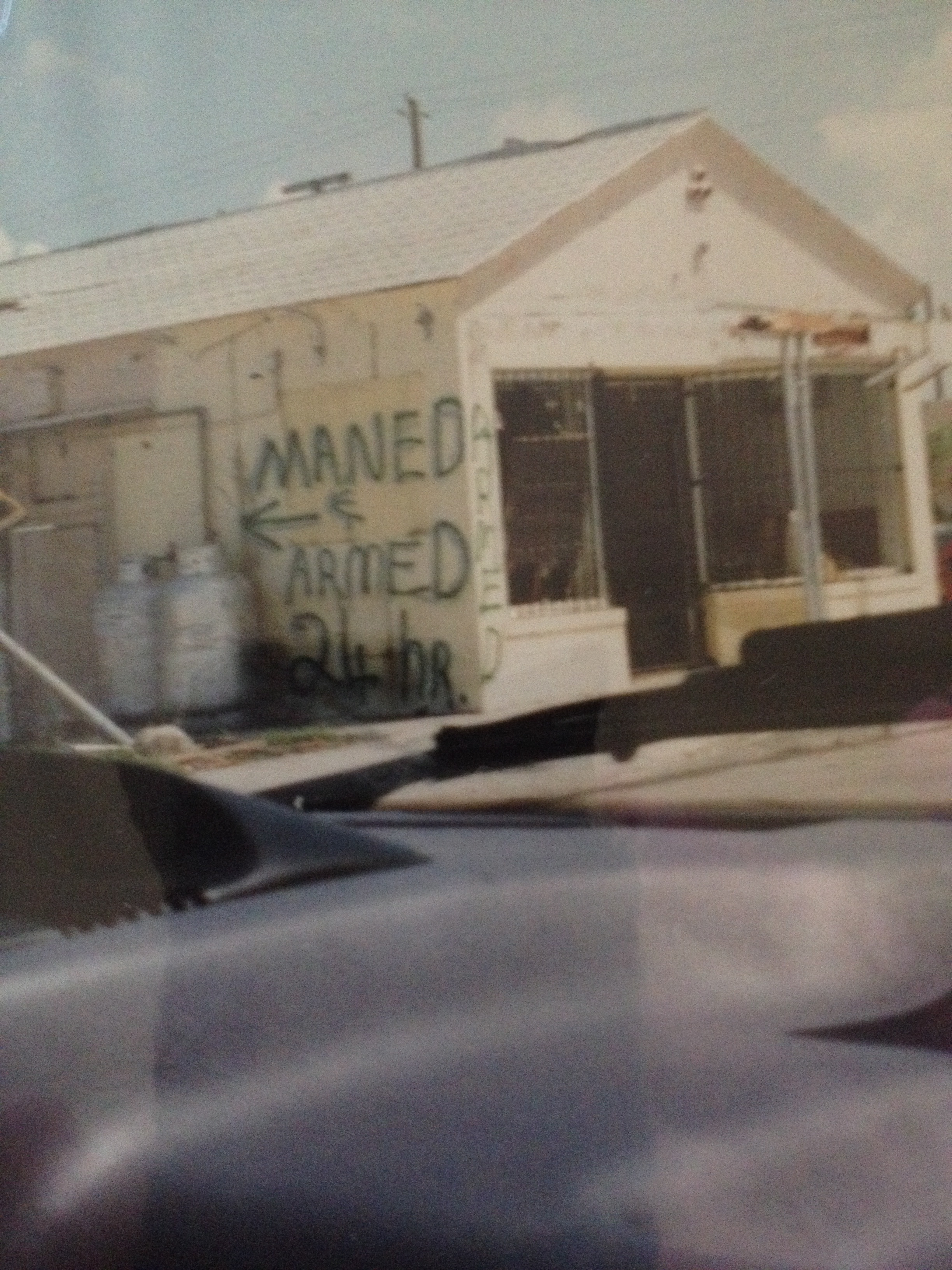
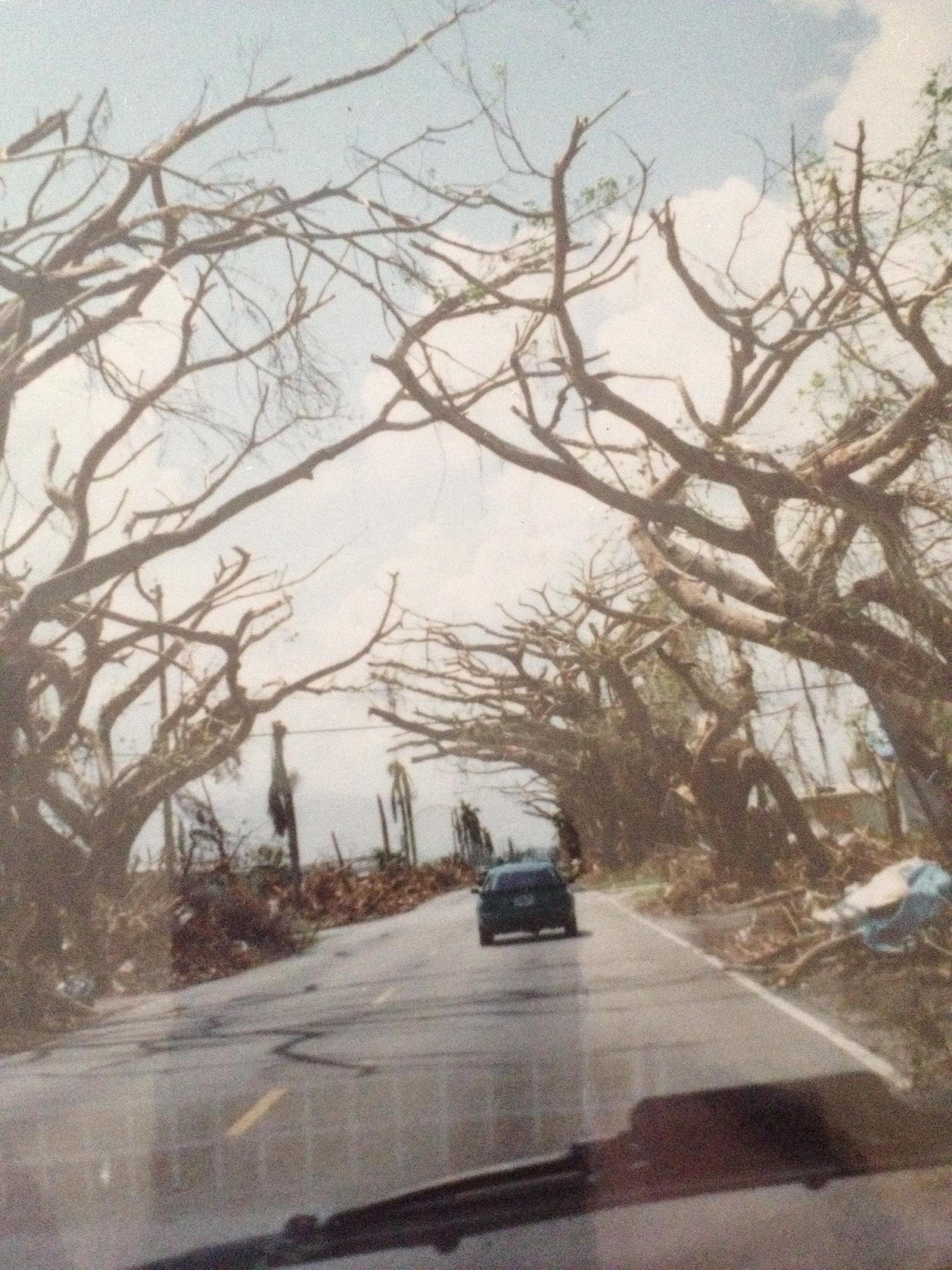
Every time there is a disaster I ache to go there and help. The first time I did work like this was after Hurricane Andrew.

photo

me in homestead after hurricane andrew

photo

homestead after hurricane andrew

photo

homestead after hurricane andrew

photo

hurricane andrew medical team

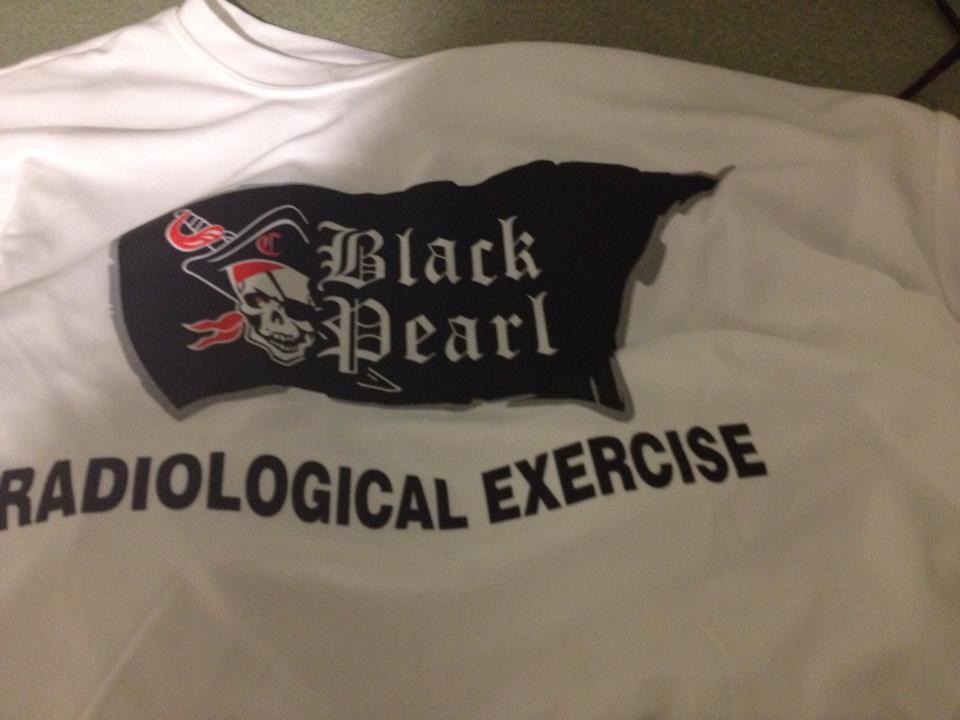
The exercise was called the

Black Pearl Radiological Exercise.

cool swag t

cool swag t

Black Pearl is the name of the room at the really awesome Treasure Coast Public Safety Complex in PSL. The same training center the fireman complained about during the last election. Seriously great venue. I think if its good enough for the entire state to come to it should be good enough for the Martin County Firemen.  Took me 35 minutes to get there from Jensen Beach

IMG_0972-0

We hope it never happens but in reality we have to be ready if it does.

One of the best parts of the day is pets were included today and we had some awesome dogs.

11113124_10206037860841999_5382721005659480999_n

photo

I am pleased we are including pets and other animals. In case of an emergency we just can’t leave them and run. One of the issues we had after Hurricane Katrina is that a bunch of NGO’s went up there and created more havoc then good. One of goals of this team is to reunite pets with their families. That made me so happy.

A while back there was a huge fire in Boulder and people had relocate their horses to the fairgrounds. Once an area was evacuated there was no going back.

We have a lot different kinds of animals and they need to be dealt with. Cows, goats, chickens (I’m not sure if you can decontaminate a chicken.)

So I was really happy to see these guys there.

photo 2

State Agricultural Response Team

http://flsart.org/

And so happy to see this guy.

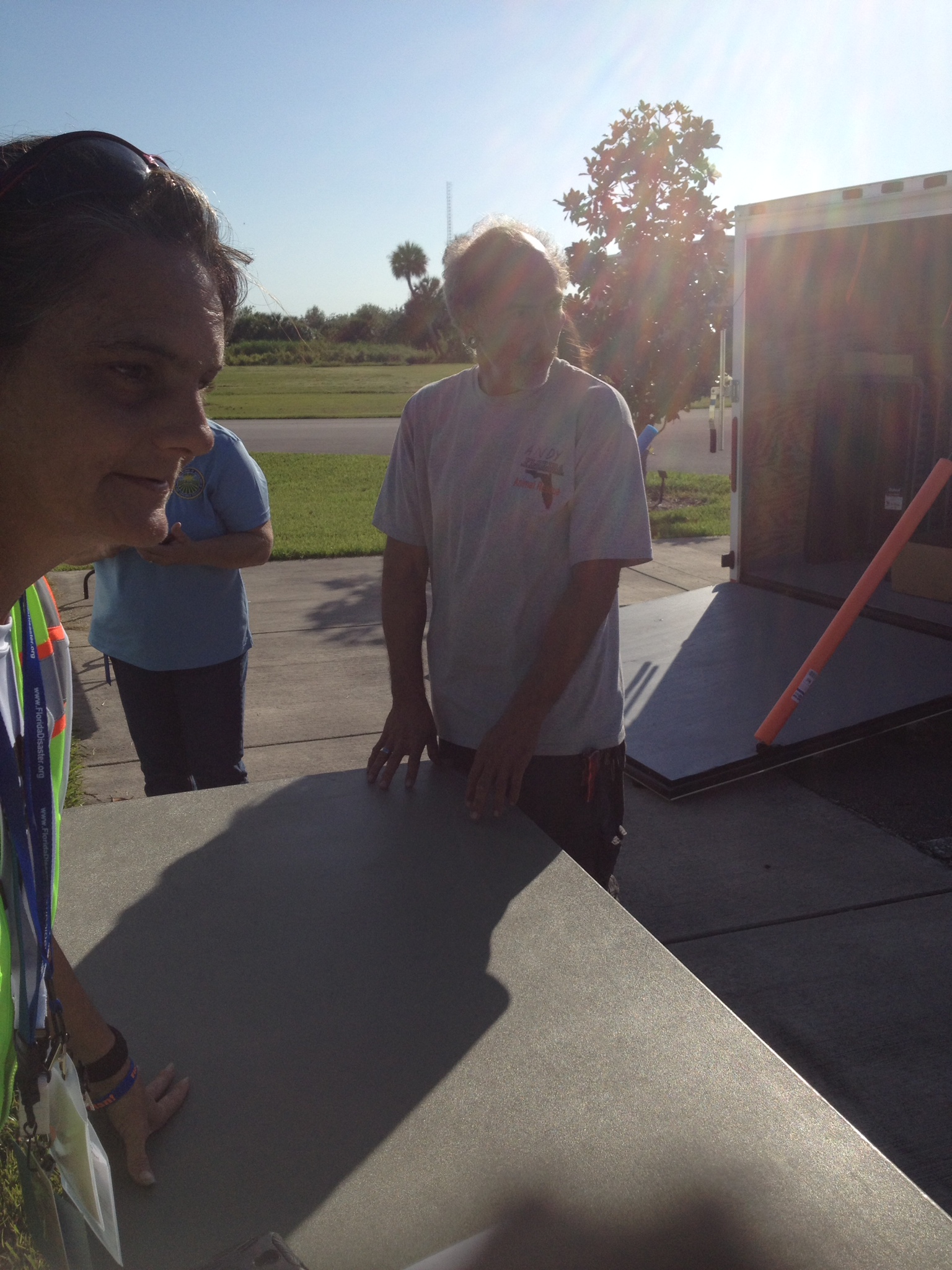
Andy Bass

Andy Bass

(sorry for the crappy photo Andy)

He is the Operations Assistant, Field Team Leader and Trainer for Florida State Animal Response Coalition.
Florida State Animal Response Coalition was formed by many diverse groups of highly qualified animal responders dedicated to protecting the entire family during disasters. When a hurricane, fire, tornado or other disaster threatens the state of Florida, we will be there to assist with teams of professionally trained volunteers dedicated to care for the animals that rely on us.

photo

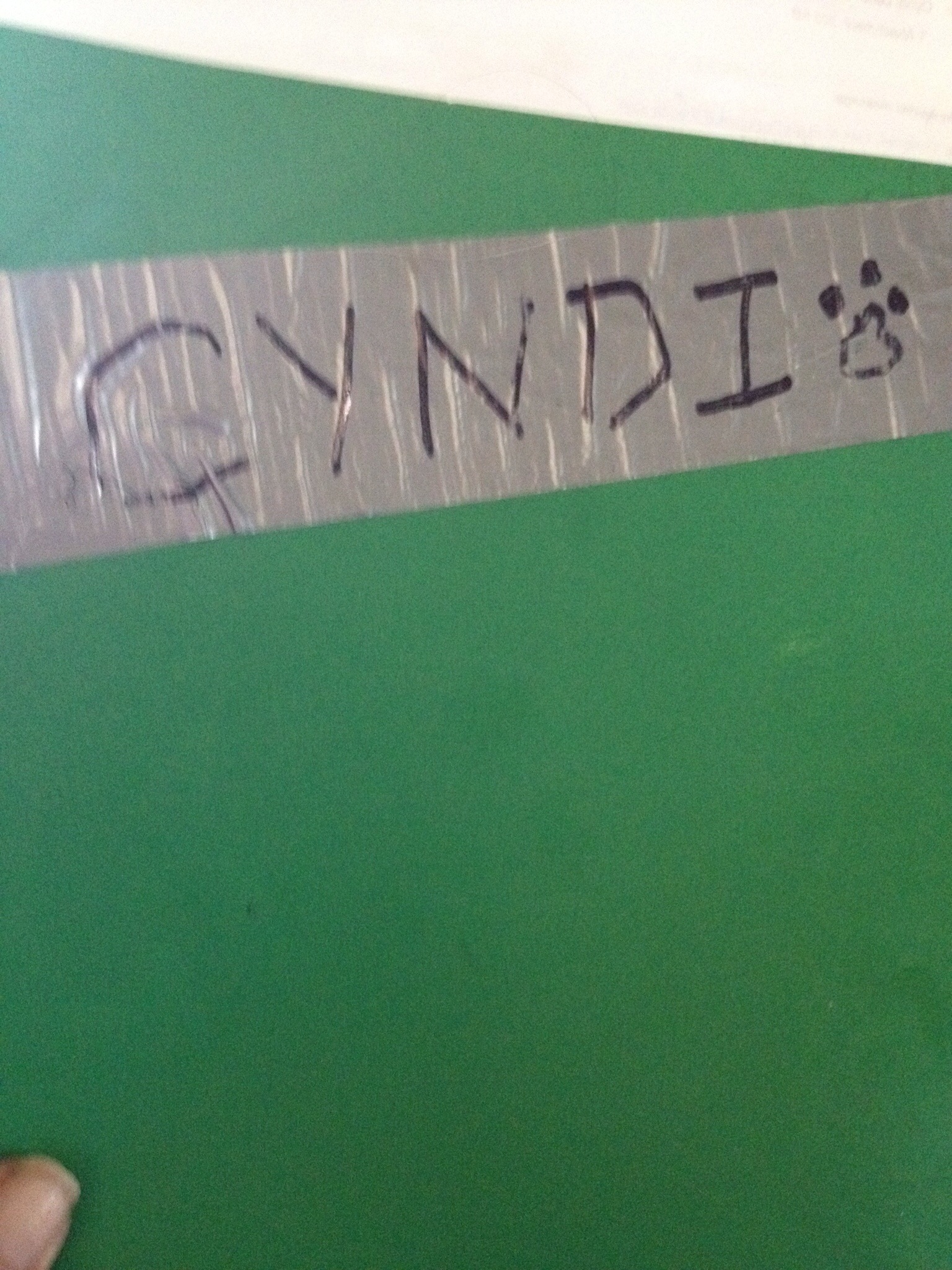
I felt like I was with my people! Andy made this – He called it SART Identification! LOL So good to know there are compassionate experts on the ground in case of a disaster.

IMG_0969

I love the paw marks.

You don’t have to be an expert to be part of the team. I’m certainly not. Experts are provided. We had plenty of acronyms there today.

So if you have some time contact your local Medical Reserve Corp. I promise they will only call you when they need you.