I’m sending this blog post to my state rep, rick scott and my state senator. None of these people actually care about anyone especially older people who are ill. They are under some kind of delusion that these people can have help. In the case of Ms Harrell she thinks people can go to a free clinic if they have no health insurance.
Right now if you call the Elder Hotline they are wonderful about getting assessments done but they have one problem. There are no funds to help. People are put on a list by need and usually people with dementia are on top of the list. I have no issues with these folks. They are doing the best they can. But no money is no money. It’s could be months before people get services.
And thats for people over 65.
What happens to the younger person who is not on Medicare that get’s diagnosed with
Alzheimer’s Disease or dementia?
Where do they go and how do they manage? What about the people who live by themselves?
Lisa Genova graduated valedictorian, summa cum laude from Bates College with a degree in Biopsychology and has a Ph.D. in Neuroscience from Harvard University. She is the author of the New York Times bestselling novels Still Alice, Left Neglected, Love Anthony, and Inside the O’Briens.
“Dr. Alice Howland (Julianne Moore), a linguistics professor at Columbia University, celebrates her fiftieth birthday with her physician husband John (Alec Baldwin) and three adult children. During a lecture, Alice forgets the word “lexicon”, and during a jog becomes lost on campus. Her doctor diagnoses her with early onset familial Alzheimer’s disease.”
Julianne Moore won a well deserved “Oscar” for her performance.
“Alzheimer’s is a pretty brutal disease — and as Moore pointed out in her acceptance speech for Best Actress at the 2015 Oscars:
I’m very happy — thrilled, actually — that we were able to hopefully shine a light on Alzheimer’s disease. So many people with this disease feel isolated and marginalized, and one of the wonderful things about movies is that it makes us feel seen and not alone. And people with Alzheimer’s deserve to be seen, so that we can find a cure. “
“An estimated 5.3 million Americans of all ages have Alzheimer’s disease in 2015.
Of the 5.3 million Americans with Alzheimer’s, an estimated 5.1 million people are age 65 and older, and approximately 200,000 individuals are under age 65 (younger-onset Alzheimer’s).
Almost two-thirds of Americans with Alzheimer’s are women. Of the 5.1 million people age 65 and older with Alzheimer’s in the United States, 3.2 million are women and 1.9 million are men.
Although there are more non-Hispanic whites living with Alzheimer’s and other dementias than people of any other racial or ethnic group in the United States, older African-Americans and Hispanics are more likely than older whites to have Alzheimer’s disease and other dementias.”
Why is there an issue disclosing the diagnosis?
“disclosing a diagnosis
Most people living with Alzheimer’s are not aware of their diagnosis.
Despite widespread recognition of the benefits of clear and accurate disclosure, less than half (45 percent) of seniors diagnosed with Alzheimer’s disease or their caregivers report being told the diagnosis by a health care provider, compared with 90 percent or more of those diagnosed with cancer and cardiovascular disease.”
I’d like to remind everyone that Alzheimer’s is a bipartisan disease. It doesn’t really care if your rich or poor, Democrat or Republican.
In Palm Beach County there are more than 55,000 people affected by Alzheimer’s disease. In Martin County there are more than 6,400 people and close to 9,000 people in St. Lucie County affected by Alzheimer’s disease.
Alzheimer’s Community Care operates nine Specialized Alzheimer’s Care and Service Centers with locations throughout Palm Beach, Martin and St. Lucie Counties. All are licensed in accordance with the higher standards of Florida’s Specialized Alzheimer’s Day Care Act of 2012. The cost for a full-day, up to 10 hours, is $65, while half-day care plans begin at $40. The organization provides dementia-specific care for the patient and his or her caregivers.
This is great if you have 40 Bucks a day.
I’m not in any way criticizing the wonderful people from any of the organizations that do this work. I applaud them. I am however criticizing our representatives for not even having this on their radar and telling people if they have no health insurance they can go to a free clinic which btw was line item vetoed by Rick Scott.
Please watch ” Still Alice.” It’s an amazing movie. You all know someone just like Alice. My heart breaks for these people and for the people who love them who bravely take care of them the best they can every day. You are the unsung heros.
I’m looking forward to the final video with all the slides but this will get you really excited about seeing the entire finished product.
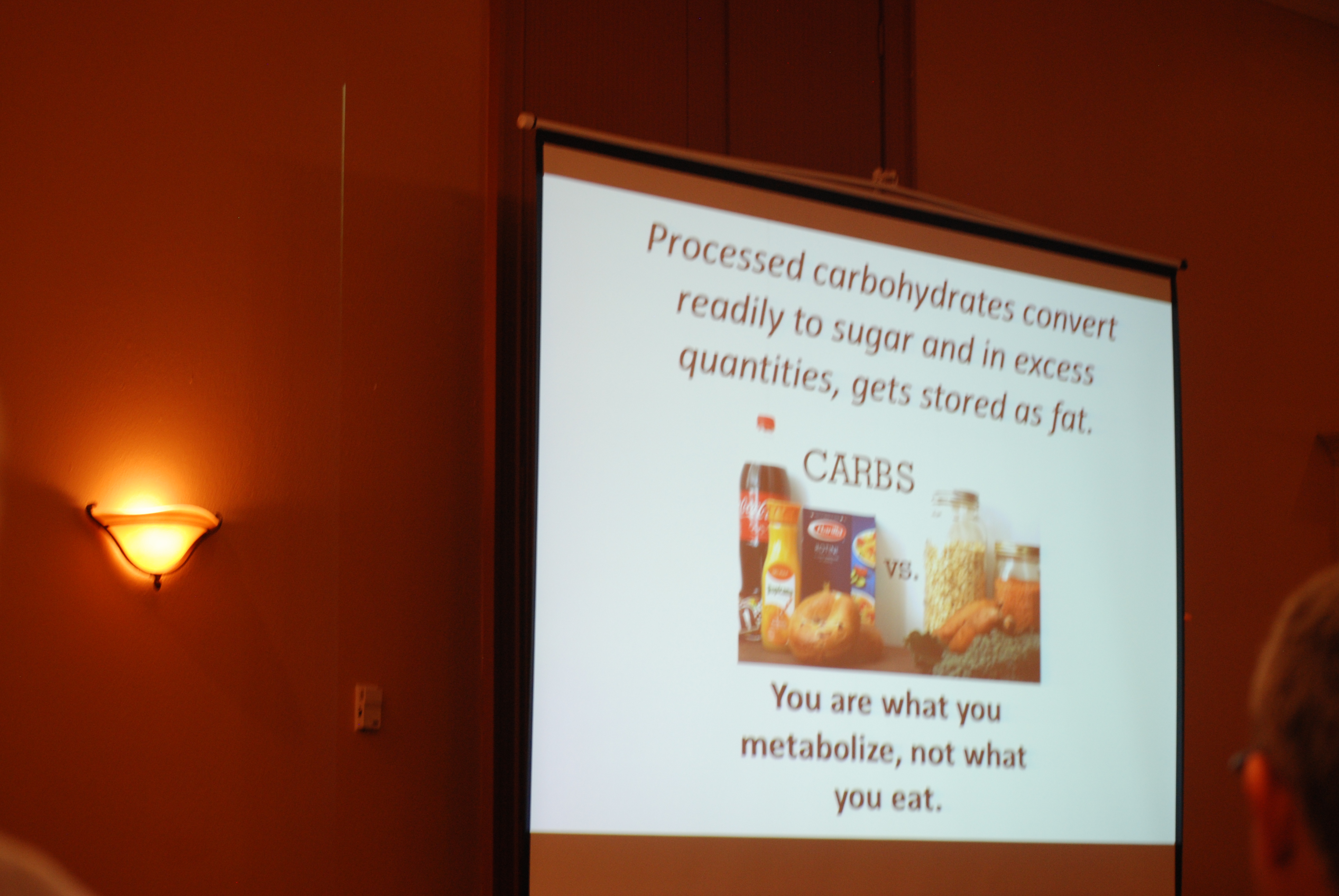
This piece is so important because not only can I share with you guys but I can share with my patients. Most medical people do not pay attention to this information and do not know anything about Metabolic Dysfunction. My own ARNP told me my fatty liver was genetic ( which I don’t doubt its part of it being that I’m Jewish and my ancestors ate things like chicken schmaltz, chopped liver, bagels and cream cheese. The list goes on.
One of things that I learned is that its impossible to loose weight when you have fatty liver disease. The whole thing makes me very sad when I’ve spent a life time taking good care of my liver and now its screwed up.
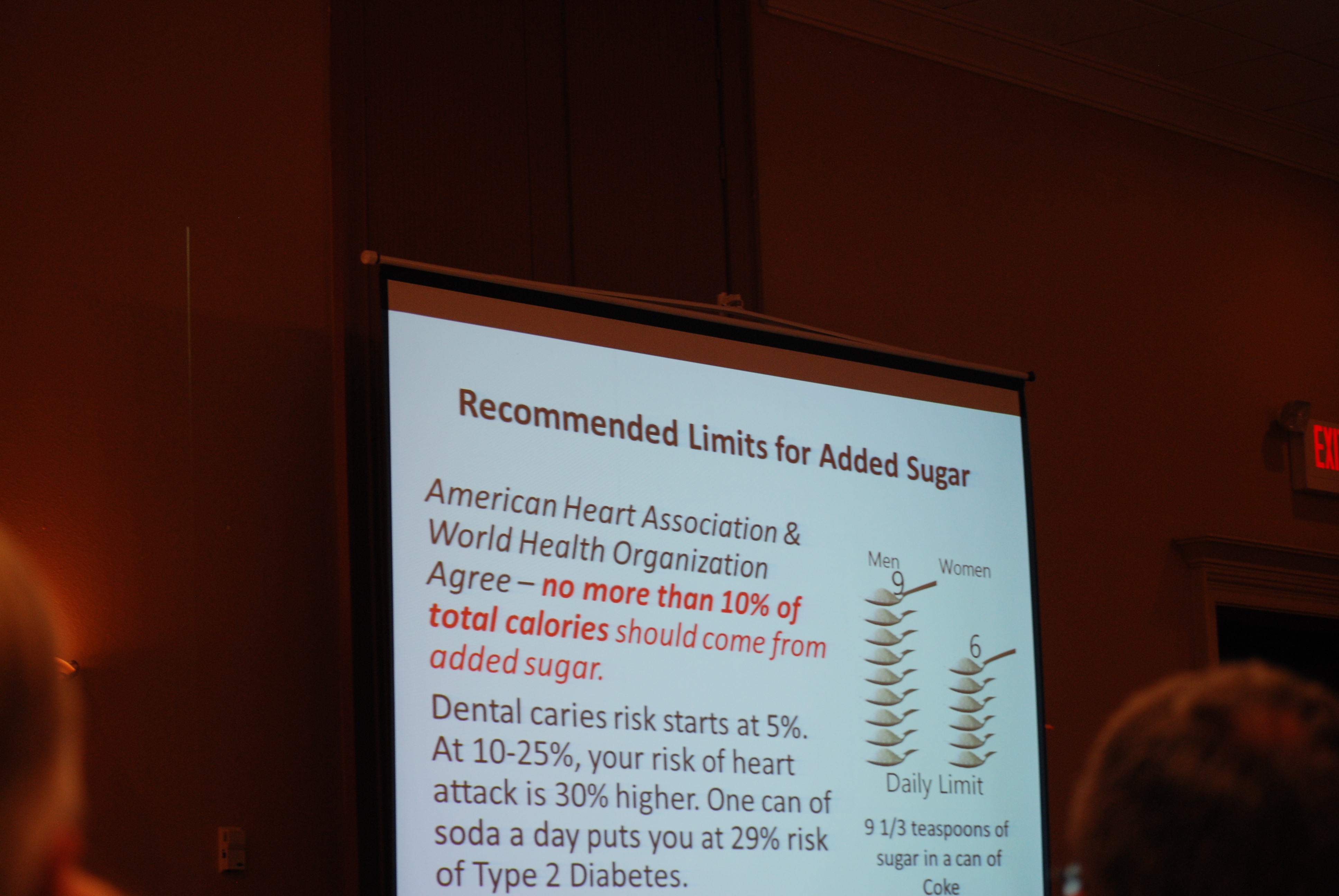
Sugar is a huge part of this and also a huge part of the inflammatory process.
I can tell people this stuff (Including my own cardiologist who looked at me like I have 14 heads) (and my cousins who blow me off.) I can tell them that a peanut and jelly and white is not a heart healthy diet. I can tell them they can give me a smoothie with whole milk if they don’t have almond milk because whole milk has less sugar in it that low fat milk. I can tell them anything that is low fat is high in sugar which is worse for us that the fat and in fact we need fat for our brains.
The Best Foods for Your Brain (And Why We Might Owe Fat an Apology)
(I’m talking good fat so don’t get too excited.)
“The Top 3 Dietary Fats for Better Brain Health
1. Polyunsaturated Fat
Polyunsaturated fats contain the essential fatty acids (EFAs) omega-3 and omega-6. Our brains need these fats to function properly (studies also show that eating high quantities of omega-3 fatty acids are linked to reduced rates of major depression, but our bodies are unable to produce them. This means it’s important that we include these fat sources in our diets.
2. DHA
An omega-3 fatty acid, DHA has been shown to help brain functions like memory, speaking ability, and motor skills. Increasing dietary levels of omega-3s has been shown to help improve conditions such as depression, bipolar disorder, and ADHD.
3. Saturated Fat
Saturated fat is actually one of the main components of brain cells, and is therefore necessary for healthy brain function. In one study, it was found that people who ate more saturated fat reduced their risk for developing dementia by 36 percent. Saturated fat also provides benefits for the liver and immune system and helps maintain proper hormone balance.”
Because if you have dementia does it really matter if your cholesterol is high?
And if you have fatty liver disease what are these statins doing to you? For a long time every doctor is ordering statins for people and what is the connection between this dementia. No offense to them but they don’t have to take care of our elderly parents with dementia.
As nurses, teaching nutrition is our greatest gift because we need a doctors order to tell patients to take Omegas but we certainly don’t need one to tell them to eat foods rich in omegas. We can tell people “Eat a healthy diet that’s low in saturated fat, trans fat, refined carbohydrates and salt, and rich in fruits, vegetables, fish, and whole grains.”
or
“Eat good whole foods. Don’t eat anything from a can or a box. Eat lots of fruits and vegetables.”
Why? Because there is sugar in everything. It’s added to make thing taste better.
Sorry for the rant. Back to Wolfram. Here are some noteworthy quotes.
“75% percent of our healthcare costs are related to preventable conditions.”
“You are what you metabolize not what you eat.”
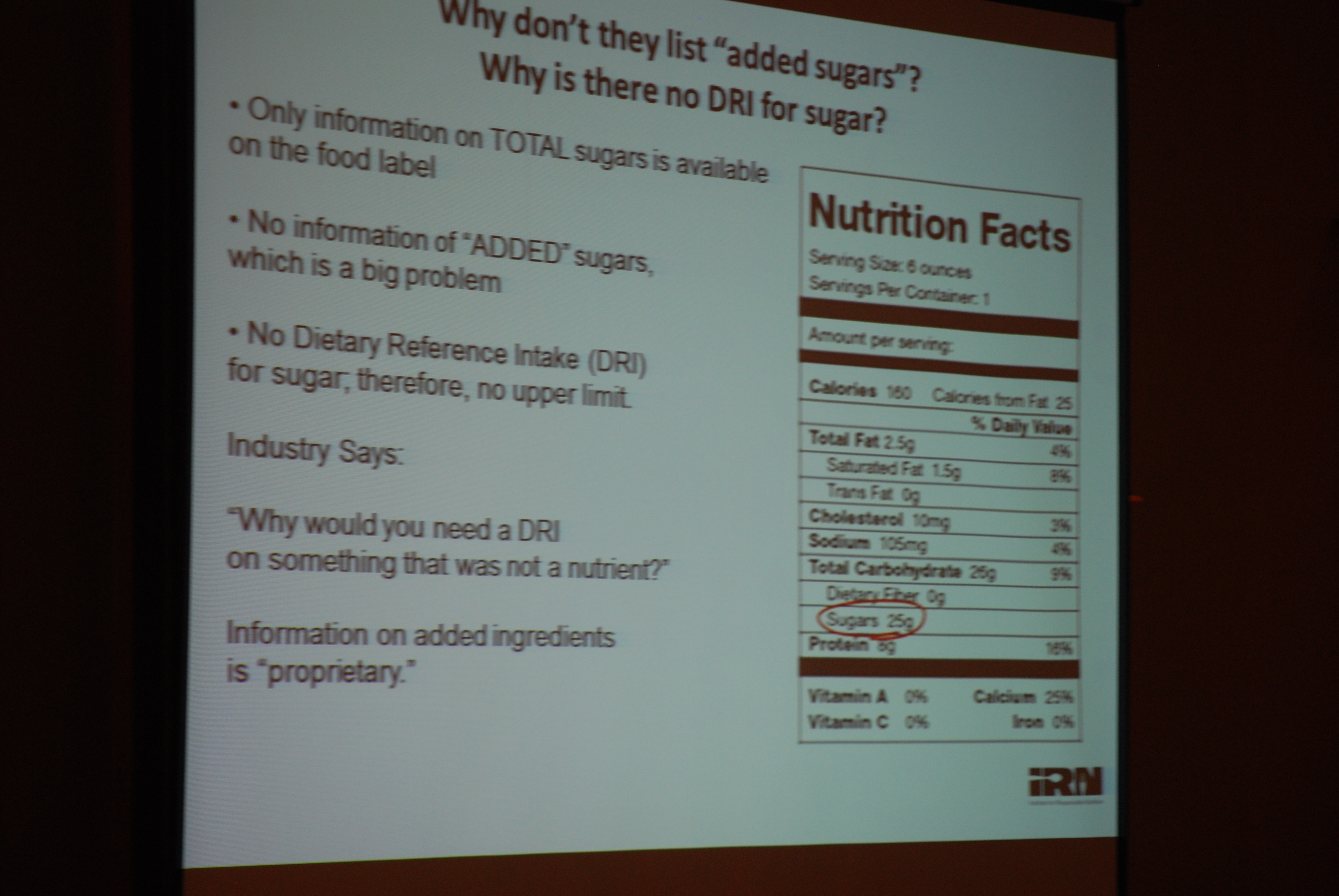
“74% of food at the supermarket has added sugar in it.”
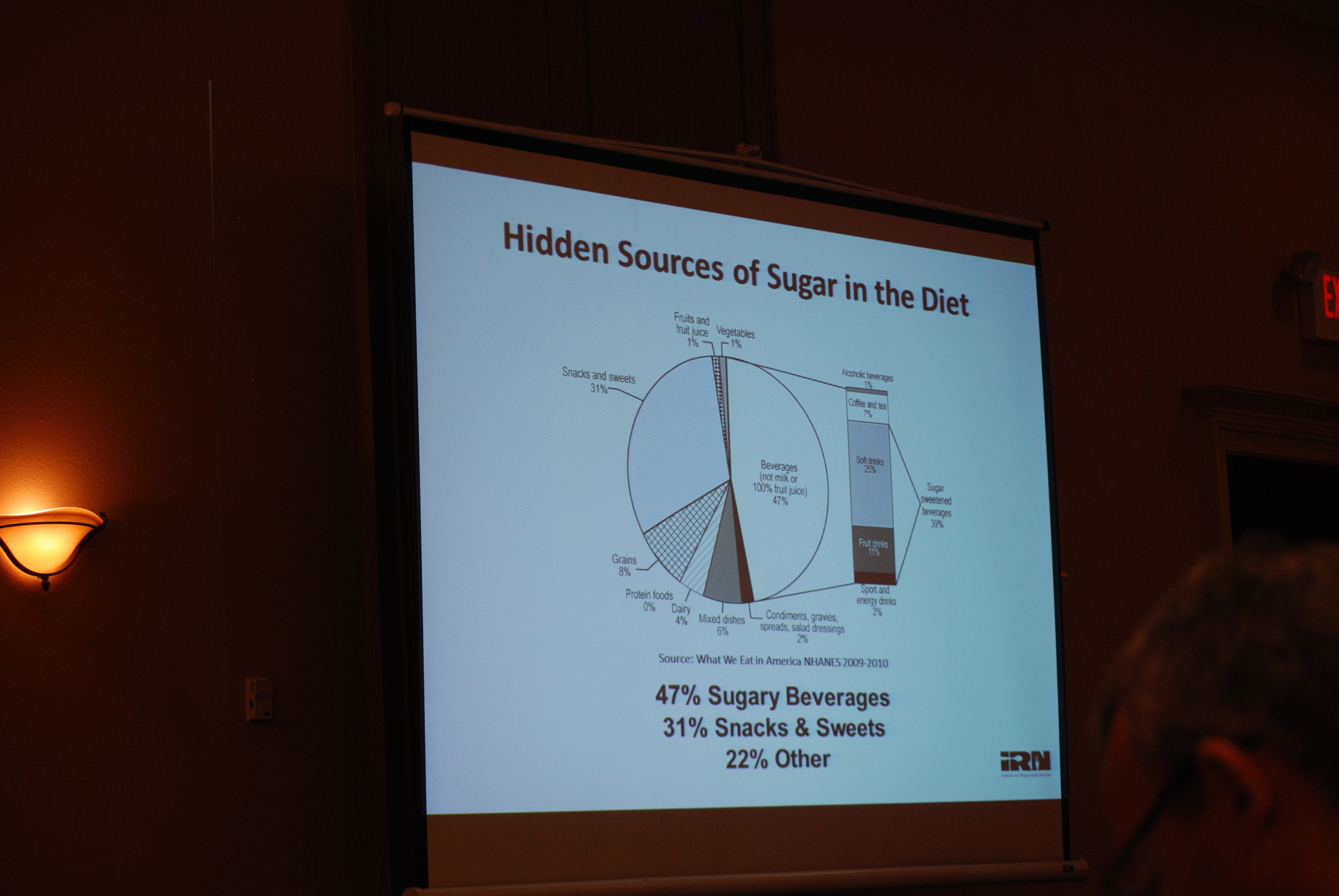
“Sugar is hidden in our food supply. 47% in sugary beverages.”
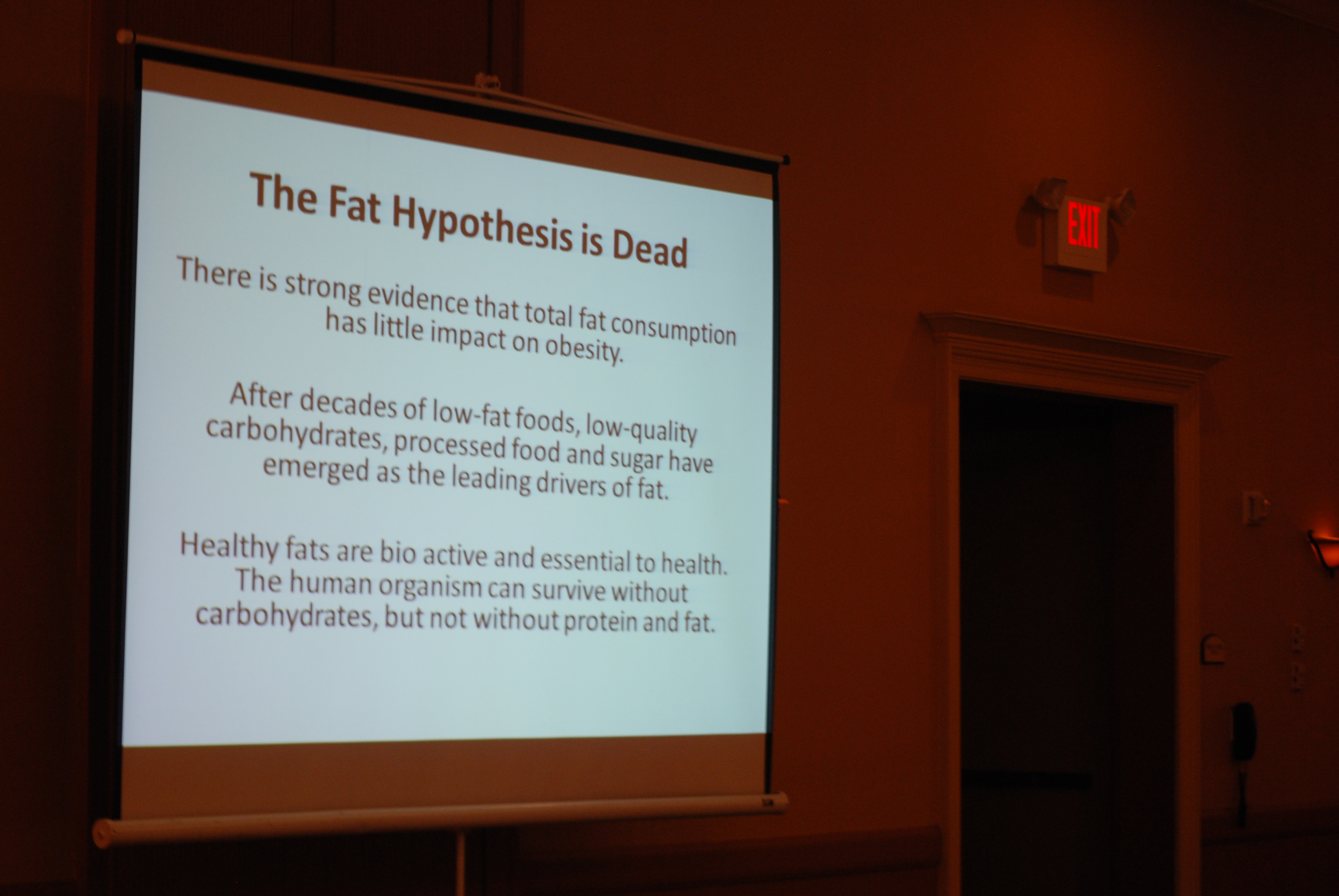
“Total fat consumption has little impact on obesity.”
“if you look back at the last decades at the low food marketing scam which has been selling us low quality carbohydrates with processed food and added sugar in it.”
“The human organism can survive without carbohydrates but not without protein and fats.”
All of us in healthcare need to embrace this and learn more and make it part of our lives the daily conversations with our patients so I hope we can engage Wolfram in more of these conversations.
Like for instance. What do you do for a fatty liver besides cutting out all the bad foods?
Thank you Wolfram for coming to our conference and we hope to hear lots more from you!
Big Sugar Summit: Julia Hathaway, Is Big Sugar Burning Your Lungs?
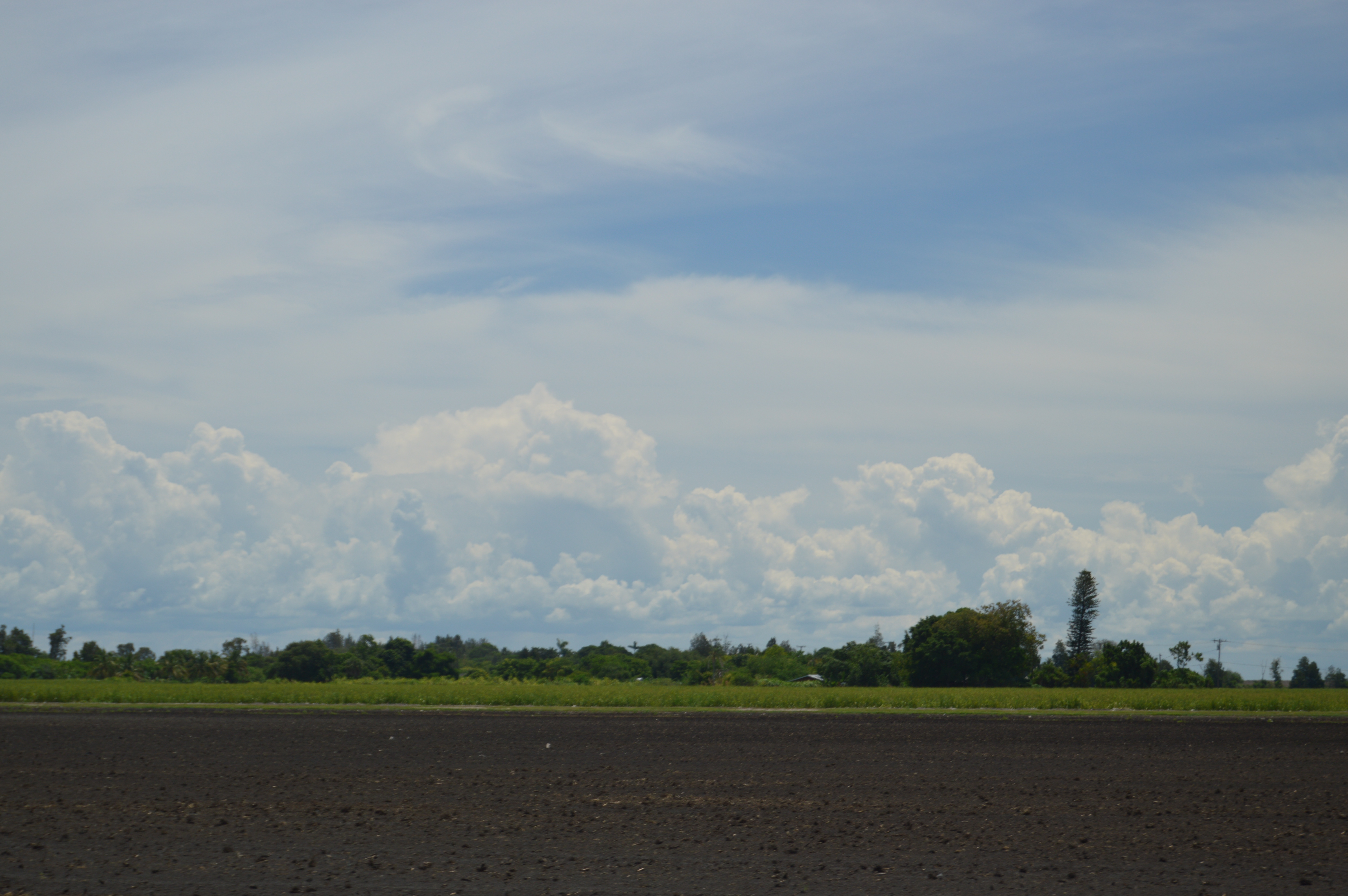
burnt sugar field pahokee
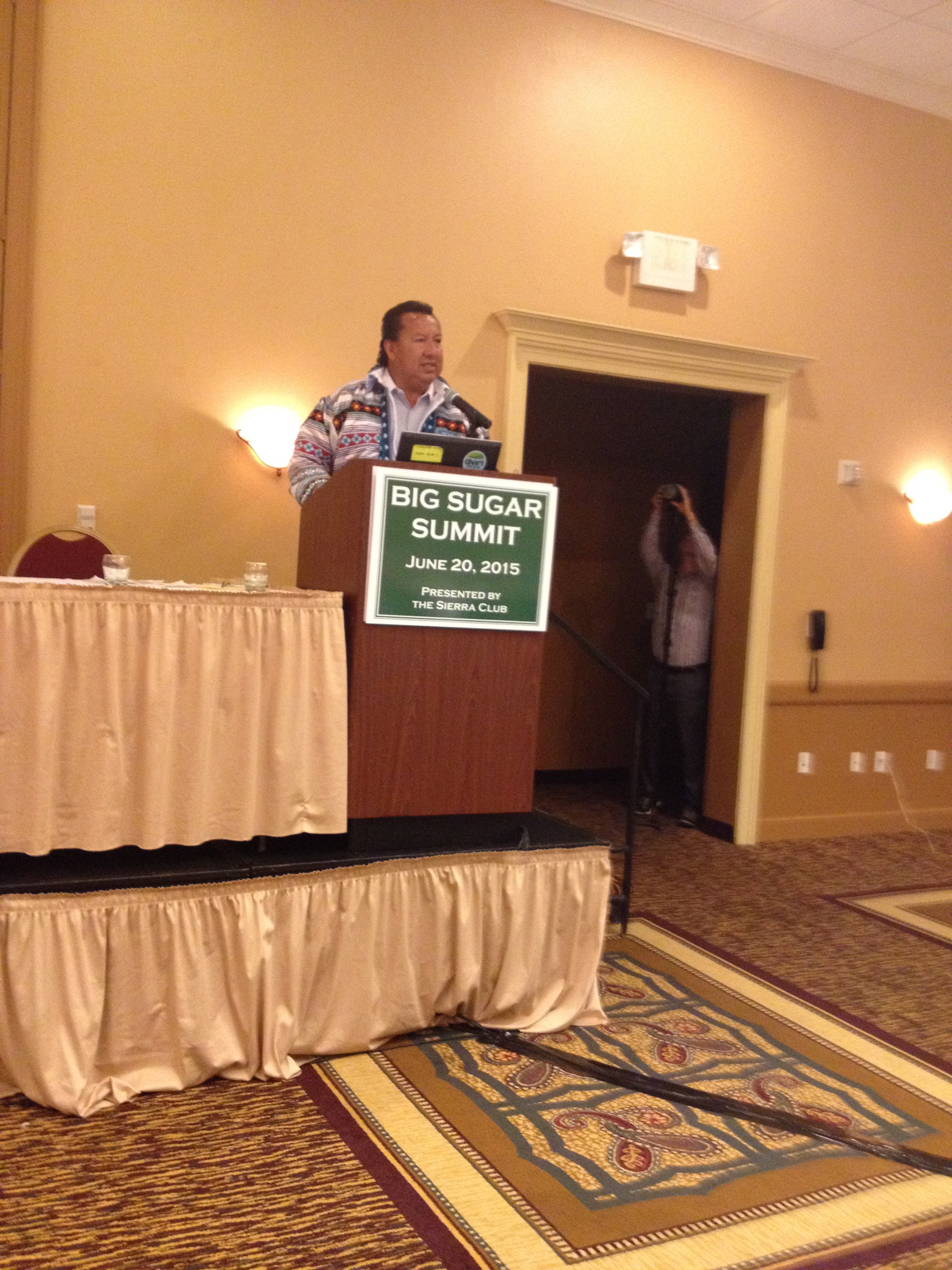
Here is our amazing friend Julia Hathaway at the Big Sugar Summit! I learned so much from her speech and now I know all the things that can be done with sugar cane if it is green harvested. Brazil and Australia do it!
We can green harvest too. Imagine something good coming out this whole mess!
“Application of pesticides on Brazilian sugarcane fields is negligible and use of fungicides practically nonexistent. Major diseases that threaten sugarcane are fought through biological control, introducing natural enemies to fight pests and advanced genetic enhancement programs.
Brazilian sugarcane growers also apply relatively few industrialized fertilizers, using on average 75 kilograms per hectare. That’s 50% less than the amount typically applied to corn in the United States and 30% less than what’s used for beet sugar in Europe.
Brazilian sugarcane needs fewer chemicals due to the innovative use of organic fertilizers created during sugarcane processing. For instance, sugarcane mills recover residues called filter cake (which is rich in phosphorus) and vinasse (loaded with potassium, organic matter and other nutrients), which they use in place of traditional fertilizers.”
Is Big Sugar Burning Your Lungs?
You can help by going here and filling out this questionnaire.
“Hundreds of environmentalists gathered Saturday in West Palm Beach, determined to clean up Palm Beach County’s sugar cane industry.
CBS12 attended Sierra Club’s Sugar Cane Summit, talking with activists about what they call our country’s love of fructose and the dangers the crop potentially poses to you and your family.
Wolfram Alverson, a California nutritionist attended the event, telling CBS12 America is too dependent on sugar, saying with each passing year more and more cases of childhood diabetes are diagnosed.
“In fact we’re seeing type 2 diabetes in the womb now so it’s being transferred from mothers to their children, even before they’re born,” said Wolfram Alverson.
Another troublesome aspect of the industry is how the crop is harvested and what gets left behind.
Julia Hathaway with Sierra Club says it’s common practice for some sugarcane to be burned, sending toxic fumes into the air and possibly into our water supply.
Leftover crops she says could be recycled and used for good.
“That can be used to make products including bio-plastic and parts you can use as mulch,” said Julia Hathaway.
For now, Hathaway says she and her fellow activists have their work cut out for them, raising awareness so lawmakers and companies can make changes, for a better Palm Beach County. “It’s a big problem and it’s a big hill to climb but we’re worth it and we should stand up for ourselves.”
“I would like to take this opportunity to bring attention to the plight of the Florida Everglades in the hopes of inciting awareness and support for our struggles to help, protect, and defend this unique ecosystem for the next generations.
The Everglades is our mother. Until recently, it has protected and nurtured us. In our time, the delicate balance of the Florida Everglades has been pushed beyond its breaking point, and the Everglades is dying a slow death. We once were able to drink the clean water of the Florida Everglades. We were able to swim in its waters and eat from the land. Mismanaged by governmental agencies over the past 50 years, the water in the Florida Everglades is now heavily polluted. For this reason, crucial elements of our way of life are no longer possible.
The dire situation in the Everglades is a direct reflection of the struggle of the individual tribal member. We were once people who were able to thrive independently within the sanctuary of the Everglades, and our position has always been to be left alone to live as we used to live before Columbus. Our original way of life has been made virtually impossible because the land that we used to depend on is not the same. In a sense, we have been forced to come out into the non-Indian world and learn how to be a part of it and live in it. One of our responsibilities as members of the non-Indian world is to emphasize the quandary of the Florida Everglades to create positive change. The Comprehensive Everglades Restoration Plan was started around the year 2000. Thirteen years and over a billion dollars later, it has been unsuccessful in doing what it was purported to do—to re-establish the original path of water from Lake Okeechobee into Florida Bay.For example, the one-mile bridge that was recently constructed on the Tamiami Trail for the purpose of restoring sheet flow to Florida Bay has not done so. Yet there is a two-mile flyover bridge planned for the same purpose.
Historically, the problem with the restoration of the Everglades has been fragmented efforts with no solid, unifying direction. Projects have been based on the perspectives of people versus what is actually required for the Everglades to survive.
For the Miccosukee people, true restoration is to allow water to flow uninterrupted from Lake Okeechobee and wash out into Florida Bay. And that water must be clean. Only when the polluted water is cleaned can the Florida Everglades and its wildlife begin to recover.”
Here, Chairman Colley Billie is speaking to the Department of the Interior. If you follow the link you can read the whole thing.
‘However, the Tribe strongly opposes the National Park Service’s (NPS) continued efforts to
construct a series of massive skyway bridges on the Tamiami Trail (Trail) including the currently proposed 2.6 mile bridge that will cost $193M because: (1) the bridges will not be permitted to operate as designed due to flooding and water quality concerns; and (2)there already exists a series of culverts that could effectively deliver water, during high water seasons such as if properly maintained at a fraction of the cost. At a minimum, NPS should be held to the requirements of the FY14 Omnibus with respect to securing all the should be held to the requirements of the FY14 Omnibus with respect to securing all the necessary funding for the project before being allowed to move forward with bridging.
My question is why is no one listening to Chairman Colley Billie and the Miccosukee Tribe? This goes beyond Florida to the Federal Government who apparently does not care at all and are willing to let our friends, the Miccosukee Tribe of Florida, be polluted. This is shameful.
We have a lot of priorities. This needs to be on the top of the list.
How can we get behind this and make sure that the Miccosukee Tribe has clean water? This must be done.
Please send a message to your US Congressman about this issue. Your more than welcome to use this blog post and the video. If you live in Florida send to your representatives so they clearly understand what they have done by completely ignoring all of us.
“In 1990, a small group of law professors and lawyers created the Environmental and Natural Resources Law Center, Inc. to establish a nonprofit law firm dedicated to meeting the needs of the public interest in environmental issues facing Florida. In 1995 the organization hired Richard Grosso, the former Legal Director of 1000 Friends of Florida, as its Executive Director, to establish a legal representation program at Nova Southeastern University in Ft. Lauderdale, Florida. The name of the organization was officially changed in October of 1996 to the Environmental and Land Use Law Center, Inc.
The firm began to expand, adding three additional attorneys to the team, including Senior Staff Attorney Lisa Interlandi in 2001 and now Executive Director and General Counsel Jason Totoiu in 2006. In 2006, the firm changed its name to the Everglades Law Center to reflect its unique role in providing legal, strategic and policy advice to the dozens of organizations and individuals working to restore the Everglades.
Today, the Everglades Law Center celebrates over 20 years of providing legal counsel to nearly forty national, state, and local environmental and conservation organizations. We tackle issues from the Kissimmee River Basin to Florida Bay. We also assist clients on issues affecting other imperiled landscapes and watersheds throughout Florida. Our lawyers are strategically located across the greater Everglades ecosystem.”
“Ft. Basinger was a fort, named after a lieutenant killed in the Dade massacre, from the Seminole wars during the 1830’s. The Kissimmee river fort site is on the Lockett homestead however, there are no remains. Basinger, on the Okeechobee side, is literally the seat of civilization since it was the first part of present-day Okeechobee county where white settlement is recorded. The first settlers moved here after the civil war and by the turn of the century Basinger was a “bustling” cowboy community. The town boasted of two hotels, a general store, clothing stores, and a post office. There were two town periods, one during the 1800’s and another during the early 1900’s. The majority of the settlers were cattlemen, who also hunted alligators and “coons”. The chief weapon of the Florida cowboy was a strong whip, 12 to 18 feet of braided buckskin fastened to a handle of 12 – 15 inches long. The pop or crack resulting from its use sounded like a rifle shot and is claimed to have resounded for several miles. The name “cracker”, applied to natives of Georgia and Florida, is said to have originated as a cattle term for those who used the whips. Early, 1870, settlers to the area were Parker, Holmes, Raulerson, Chandler, and Underhill. Settlers on the Highlands County side were the Daughtreys and the Pearces. There was a steam boat business that traveled up and down the Kissimmee river from 1894 to 1920. It died when the highway system went in. When the railroad past up the area for the town of Okeechobee the town slowly disappeared. Submitted by: Mike Woodfin”
“Today the Lockett Estate and Basinger are just shadows of what they once were. There are no remains of the fort and the hotels and general store are long gone. Neglect and age are starting to take a toll on the buildings of the estate. The main house has rotting floors and roof. The barn is barely standing and several other smaller building are beginning to fall from neglect. There are several concrete lamp posts lining the originally drive, but some have fallen over and the boat house along the river is showing signs of the river’s rise and fall. One of the most important features is the Pearce family cemetery which is nestled under oak trees along Hwy 98. While the property is not being maintained, the cemetery has been secured to prevent wild hogs from destroying the headstones and disturbing the plots.
The site is currently in the hands of the South Florida Water Management District was part of the flood control plan. However, it is now considered excess property and may go up for public auction. Attempts to find a group to take control and keep the estate open to the public have failed. U.S. Fish and Wildlife and Florida Parks both backed out. Highlands County had the site briefly, but their plan to turn the historic location into a golf course prompted SFWMD to take it back. For now, the site is closed to the public. ”
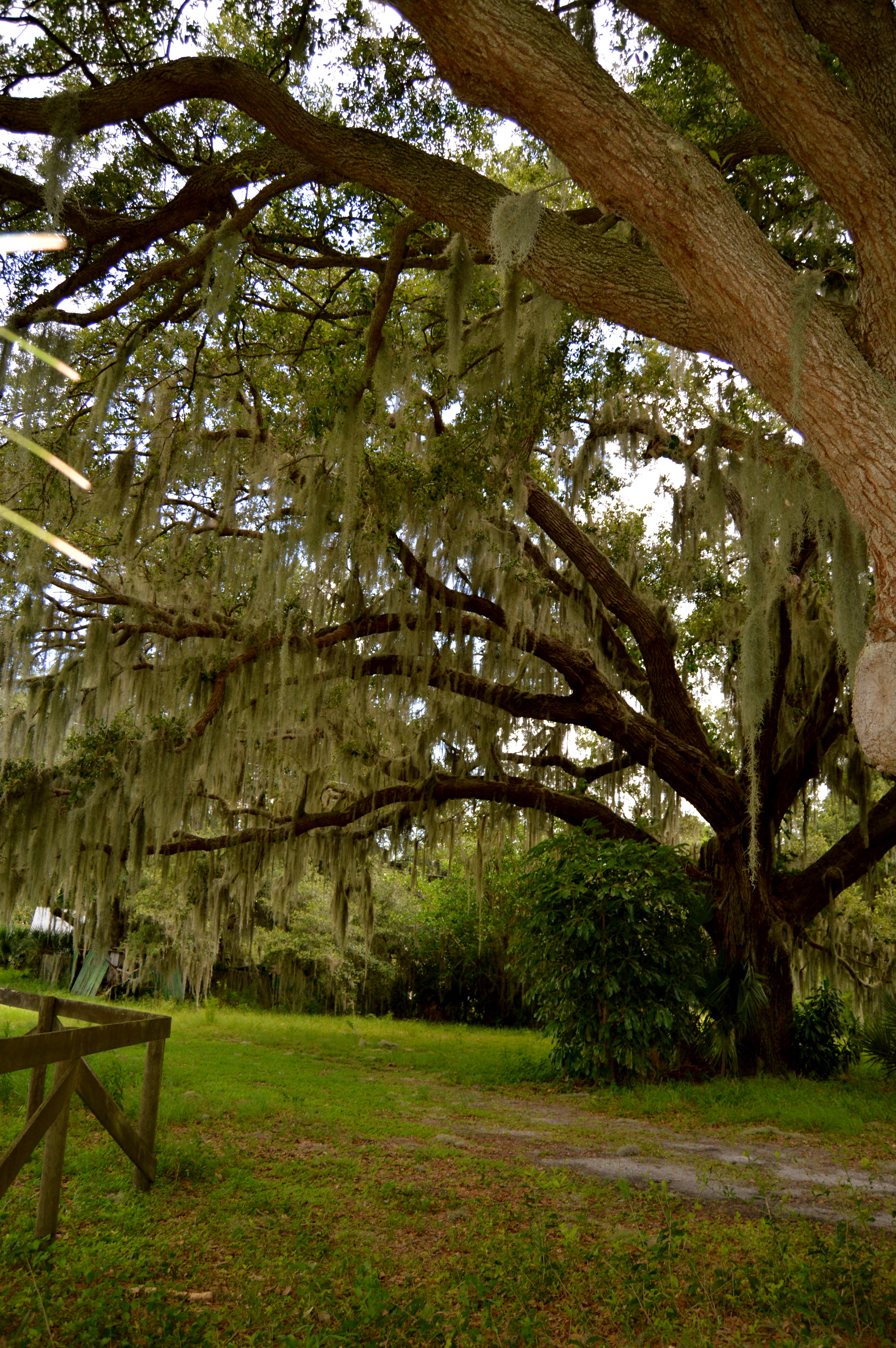
Pearce-Lockett Estate
Pearce-Lockett Estate
Pearce-Lockett Estate
In 1993, SFWMD acquired the Pearce-Lockett Estate through a donation as part of the Kissimmee River Restoration Project. The site was donated by the family on the condition that it wold be open to the public.
The Florida Park Service evaluated the property in 2002 and concluded that the site met or exceeded the qualifications for a State Park but due to constraints prevented them from accepting title from the District.
The Pearce-Lockett Estate is historically significant, but not designated as a State Historic SIte.
Source http://www.sfwmd.gov/portal/page/portal/xrepository/sfwmd_repository_pdf/lass_portfolio_kissokee_kissriver.pdf
This beautiful place could definitely benefit from Amendment One money.
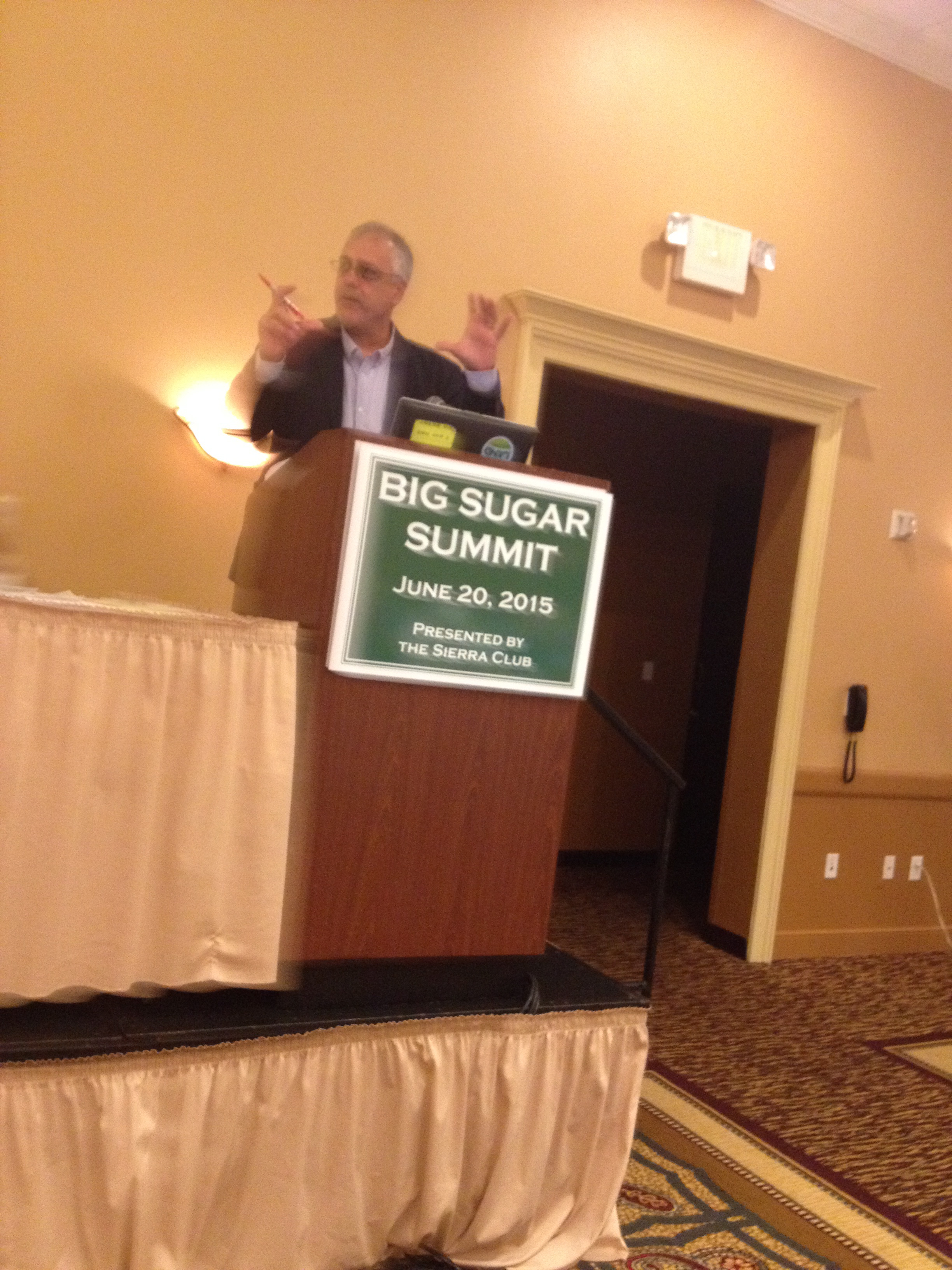
Big Sugar Summit: Dr Gail Hollander, “Raising Cane in the Glades.”
So excited hear this lecture. As I said before there will a final video with all the bells and whistles and slides professional done by some else. This is only part of the lecture so I hope when the video is done you’ll watch.
The title of the lecture was
“The History of Big Sugar in the Everglades Agricultural Area”
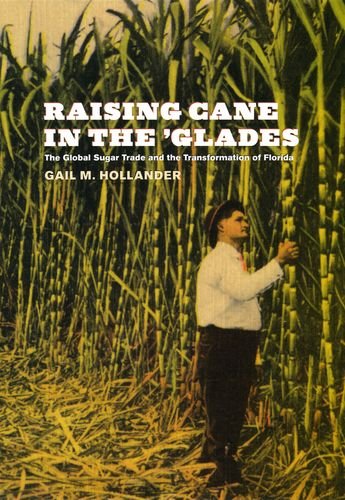
Dr Gail Hollander is an Associate Professor of Geography, Department of Global and Sociocultural Studies, Florida International University. She is the author of “Raising Cane in the Glades: The Global Sugar Trade and the Transformation of Florida.
Over the last century, the Everglades underwent a metaphorical and ecological transition from impenetrable swamp to endangered wetland. At the heart of this transformation lies the Florida sugar industry, which by the 1990s was at the center of the political storm over the multi-billion dollar ecological “restoration” of the Everglades. Raising Cane in the ’Glades is the first study to situate the environmental transformation of the Everglades within the economic and historical geography of global sugar production and trade.
Using, among other sources, interviews, government and corporate documents, and recently declassified U.S. State Department memoranda, Gail M. Hollander demonstrates that the development of Florida’s sugar region was the outcome of pitched battles reaching the highest political offices in the U.S. and in countries around the world, especially Cuba—which emerges in her narrative as a model, a competitor, and the regional “other” to Florida’s “self.” Spanning the period from the age of empire to the era of globalization, the book shows how the “sugar question”—a label nineteenth-century economists coined for intense international debates on sugar production and trade—emerges repeatedly in new guises. Hollander uses the sugar question as a thread to stitch together past and present, local and global, in explaining Everglades transformation.
“Restoration of the Everglades, however, briefly became a bipartisan cause in national politics. A controversial penny-a-pound (2 cent/kg) tax on sugar was proposed to fund some of the necessary changes to be made to help decrease phosphorus and make other improvements to water. State voters were asked to support the tax, and environmentalists paid $15 million to encourage the issue. Sugar lobbyists responded with $24 million in advertising to discourage it and succeeded; it became the most expensive ballot issue in state history.[62] How restoration might be funded became a political battleground and seemed to stall without resolution. However, in the 1996 election year, Republican senator Bob Dole proposed that Congress give the State of Florida $200 million to acquire land for the Everglades. Democratic Vice President Al Gore promised the federal government would purchase 100,000 acres (400 km2) of land in the EAA to turn it over for restoration. Politicking reduced the number to 50,000 acres (200 km2), but both Dole’s and Gore’s gestures were approved by Congress.
The purpose of this case study was to examine the impact that environmental activism can have on agriculture by focusing on the Florida sugar industry’s reaction during the 1996 “sugar tax” amendment campaign. During the campaign, proponents and opponents of the three proposed Everglades-related amendments to Florida’s constitution spent more than $40 million to sway the public. As a result of the public relations and political campaigns, communicators from Florida agricultural industries realized that they must increase their efforts to project a positive public image.
In 1996, the issue finally was contested when a small, but well-funded environmental activist group named Save Our Everglades Committee authored three proposed amendments to the Florida Constitution, collected enough signatures to get the proposals on the November 1996 ballot, and began a campaign aimed at voters in support of the amendments (U.S. Sugar Corporation, 1997). The Florida sugar industry spent $24 million and the Save Our Everglades Committee (SOE) spent over $14 million on the most expensive public relations campaign in the state’s history (Marcus, 1997). The three proposed amendments were as follows:
• Amendment Four: if passed, this amendment would put a penny-a-pound tax on all sugar grown in Florida. If passed, it has been estimated that sugar farmers would have had to pay $1 billion (U.S. Sugar Corporation, 1997). • Amendment Five: this proposed amendment, commonly known as the “polluters pay” amendment stated that those in the Everglades Agricultural Area “who cause water pollution within the Everglades Protection area or the Everglades Agricultural area shall be primarily responsible” for paying the costs of clean-up (Kleindienst, 1997). • Amendment Six: this amendment was designed to establish a state trust fund reserved for Everglades clean-up.
The fight
For several months before Election Day in November, Florida voters were the targets of television and radio advertisements, direct mail pieces, persuasive phone calls, and door-to-door campaigning — all related to the proposed amendments. The sugar industry, which is comprised of two large corporations, a farming cooperative, and numerous small, independent farmers, was unprepared to face a serious challenge from a well-organized activist group. In addition, the industry was surprised by early polls that indicated widespread public support for the measures.
The sugar industry considered the proposed amendments a threat to its very existence. Seldom if ever before had a single agricultural commodity been singled out as “primarily responsible” for nonpoint-source pollution (pollution that is not the result of a direct, detectable environmental accident or contamination). One sugar industry statement said that “there are few times in the life of a business when one event can have a literal life or death impact; for U. S. Sugar and the Florida sugar industry, the threat of the $1 billion tax was such an event” (U.S. Sugar Corporation, 1997).
For two months, the public relations battle continued, with each side of the argument accusing the other of distorting facts and deceiving the public. On November 6, Amendment Four was defeated, while Amendments Five and Six passed. Although the second two amendments passed, the sugar industry claimed the victory since the penny-per-pound tax was voted down.
Over the course of the campaign, the sugar industry responded to being referred to as “Big Sugar” (a derogatory term) by attacking the founders of SOE. The industry referred to chairperson Mary Barley as “a millionaire land development heiress” and to financial supporter Paul Tudor Jones as a “mega-wealthy Connecticut commodities broker” (U.S. Sugar Corporation, 1997). In addition to attempting to promote a negative image of SOE, the sugar industry also aired television and radio advertising portraying employees of the South Florida Water Management District (the regulatory agency with primary jurisdiction over the Everglades) as bureaucrats with a reputation for squandering public money on luxuries such as limousines and jet planes. This particular advertisement provoked then-Governor Lawton Chiles (who had remained quiet about the amendments issues thus far) to write a letter to the sugar industry chastising it for intentionally damaging the reputation of the water management district’s employees (Marcus, 1997).
The sugar industry also distributed a number of press releases geared toward informing the public about the progress the sugar industry had already made toward cleaning up farm run-off. The message conveyed in several of the releases (that phosphorous levels in farm water had been reduced by 68% in just three years of voluntary management practices) was well-received by the mass media. In addition, just two weeks before the election, the start of the sugar harvest was delayed so that almost 2,000 employees could go door-to-door and personally ask communities to vote “no” (U.S. Sugar Corporation, 1997).”
(Miami Herald LTE, Jan 31, 2012) For 15 years Florida taxpayers have been carrying dirty water for the sugar billionaires. When Florida’s voters passed the Polluters Pay Amendment to Florida Constitution, the sugar industry was supposed to pay 100 percent of their pollution cleanup costs. In one of the most cynical abdications of governance in history, the Legislature has refused to implement Polluters Pay. In doing so, they have dumped billions in extra property taxes on the homeowners of South Florida and enabled Big Sugar to dump millions of tons of excess pollution on the Everglades.
So not only do the sugar billionaires get unearned taxpayer dollars through unnecessary federal import quotas and subsidies, but they get their pollution cleanup costs paid by the taxpayers of South Florida. Our legislators need to swear off their addiction to sugar campaign money and make them pay all their cleanup costs.
Albert Slap, Key Biscayne
Fast forward to our present legislators and Rick Scott and you’ll hear in the video they changed the law.
The measure, HB 7065, would rewrite the state’s plan to clean pollution flowing from farms in the Everglades’ agricultural zones to the protection areas in the south. Supporters say the legislation is needed to codify the agreement between Scott and the federal government that calls on Florida to spend $880 million over 12 years to build storm water treatment and water storage to intercept runoff from the farms, preventing further pollution of an ecosystem that is vital to the state’s economy, environment and drinking water needs.
The legislation, though, does far more than that. It would roll back the enforcement of water discharge permits, clearing the way for farming operations to pollute regardless of how much the state erred in issuing them a permit or policing it. That opens a door for polluters and increases the pressure on regulators at the South Florida Water Management District to follow the Legislature’s lead in going soft on the industry. Even the district opposes that measure. It would rather keep the permitting process intact than create a public impression that the system is corrupt.
The measure also caps the industry’s financial obligation for funding the cleanup. While the legislation would extend the $25 per acre agriculture tax until 2024 — eight years longer than under current law — it holds that those payments and improved management practices would “fulfill” the industry’s obligation for the cleanup under Florida’s “Polluter Pay” requirement in the state Constitution.
That is an outright sellout. Extending the agriculture tax generates less than $7 million per year — pennies compared to the $880 million that taxpayers will spend to treat the polluted water. The very governor who forced the water management districts to cut their budgets now intends to ask Florida taxpayers to commit $32 million a year for 12 years for this program — all in addition to the money that will come from property owners in South Florida. Meanwhile the industry responsible for two-thirds of the pollution entering the Everglades walks away from any long-term obligations even before the new water projects are in place.
Just two weeks into the legislative session, HB 7065 has sailed through two committees and is headed for the House floor. This bill has leadership’s blessing, which is why Scott and the Senate are likely the last defense. Sen. Wilton Simpson, R-New Port Richey, who is shepherding the Senate bill, which is much better, needs to do what the House and several of his bay area counterparts failed to do and insist that the polluters pay their share. Shifting these costs onto the public is unfair, and every dollar the state spends on behalf of polluters is a dollar it won’t have for police, schools and other legitimate priorities.
Audubon and other organizations have objected to these changes to the Everglades Forever Act. We are hoping for some serious discussions about increasing the amount of money sugar growers pay to clean up the pollution coming off their land. We have also objected to the part of the bill that nullifies enforcement of discharge permits. This section of the bill seems deliberately written to eliminate the basis of a recent legal challenge to three discharge permits for the dirtiest Everglades farms.
The Senate companion bill – SB 768 – has none of the offending provisions.
Why Your Voice is Important
The sugar industry has dozens of lobbyists.Money has been given to legislators and political committees. Many members of the Florida House have already made up their mind on this bill. Some have been, by their own admission, heavily lobbied by the sugar industry.
“Back when he first ran for governor of Florida as a self-styled outsider, Rick Scott lambasted his opponent in the Republican primary for taking campaign money from U.S. Sugar, one of the worst corporate polluters of the Everglades.
Scott indignantly squeaked that Bill McCollum had been “bought and paid for” by U.S. Sugar. He said the company’s support of McCollum was “disgusting.”
“I can’t be bought,” Scott declared. Seriously, that’s what the man said. Stop gagging and read on.
Four years later, the governor’s re-election campaign is hungrily raking in money from U.S. Sugar, more than $534,000 so far.”
So to review, and please if I got this wrong help me out!
In 1996 the Save the Everglades Committeeauthored three proposed amendments to the Florida Constitution, collected enough signatures to get the proposals on the November 1996 ballot.
• Amendment Four: if passed, this amendment would put a penny-a-pound tax on all sugar grown in Florida. If passed, it has been estimated that sugar farmers would have had to pay $1 billion (U.S. Sugar Corporation, 1997). • Amendment Five: this proposed amendment, commonly known as the “polluters pay” amendment stated that those in the Everglades Agricultural Area “who cause water pollution within the Everglades Protection area or the Everglades Agricultural area shall be primarily responsible” for paying the costs of clean-up (Kleindienst, 1997). • Amendment Six: this amendment was designed to establish a state trust fund reserved for Everglades clean-up.
We lost the penny-a -pound tax but we got polluters pay and the Everglades trust. Then under Rick Scott, The measure, HB 7065, would rewrite the state’s plan to clean pollution flowing from farms in the Everglades’ agricultural zones to the protection areas in the south. Supporters say the legislation is needed to codify the agreement between Scott and the federal government that calls on Florida to spend $880 million over 12 years to build storm water treatment and water storage to intercept runoff from the farms, preventing further pollution of an ecosystem that is vital to the state’s economy, environment and drinking water needs.
What it ended up doing was rolling back the enforcement of water discharge permits, clearing the way for farming operations to pollute regardless of how much the state erred in issuing them a permit or policing it. This opens a door for polluters and increases the pressure on regulators at the South Florida Water Management District to follow the Legislature’s lead in going soft on the industry.
Then, the very governor who forced the water management districts to cut their budgets now intends to ask Florida taxpayers to commit $32 million a year for 12 years for this program — all in addition to the money that will come from property owners in South Florida. Meanwhile the industry responsible for two-thirds of the pollution entering the Everglades walks away from any long-term obligations even before the new water projects are in place.
So we went from polluters paying to us paying, the voters.
Remember us.
Slick.
Sick.
Slicky RIcky
omg
But don’t forget folks your getting ten bucks back on your inflated cell phone bill and no taxes on your textbooks.
Where was the news when this happened?
So it all comes down to one thing really. We have to make sure that we have legislators that cannot be bought off by an industry that pollutes, that really does nothing for our economy and fills the pockets of corrupt politicians. We have to pay attention and we must vote.
For some great amazing reason there are many of us that walk around with our water issues in our head. All day long. In our dreams. It’s what we think about when we are driving the car and when we wake up in the morning. It’s what has brought us together. The overwhelming need to fix this.
Way before we were doing this Mary Barley was on the case.
Fairy Godmothers are magically-gifted women who monitor magical forces across the kingdoms. Whenever events are right for a fairy tale to recur, the relevant Fairy Godmother steps in to make sure that the tale in question runs its course with as few fatalities as possible.
Mary Barley has been watching out for our clean water for a long time. She has fought the dragons. She has the vision of the Everglades, of clean water, of no more discharges.
Having served as Chairperson of The Everglades Foundation since her husband’s untimely death in 1995 in a plane crash while on Everglades business, Mary Barley currently serves as vice chairperson of the Foundation. She is also President of The Everglades Trust, and serves on the Boards of the National Coalition for Marine Conservation, World Wildlife Fund Marine Leadership Committee, Atlantic Salmon Federation (U.S.), and the Sierra Club Foundation.
In her fight for Everglades restoration and taxpayer equity, Mary has crisscrossed not only the State of Florida but the nation, to bring the plight of America’s Everglades to the public’s attention.
As one of the nation’s preeminent Everglades conservationists, Mary spearheaded the passage of two Everglades protection amendments to the Florida Constitution.
For more than a decade, Barley has waged a campaign to save the Everglades, one unprecedented for engaging all the region’s power players (some of them grudgingly, to be sure) to work for real change across a collapsing ecosystem. A self-described “environmental rabblerouser,” Barley is a millionaire widow who took up her husband’s cause after his death in a 1995 plane crash that occurred as he was on his way to meet with the US Army Corps of Engineers about the Everglades.
The next year Barley faced off with the region’s potent sugar industry herself, helping win a state constitutional amendment requiring polluters to bear the brunt of cleanup costs. In 2000, she was there when President Clinton committed to an $8 billion restoration effort.
The Everglades Foundation
The Everglades Foundation was formed by a group of outdoor enthusiasts, environmentalists and residents of Florida who were concerned over the decline of the Everglades and the resulting damage in the nearby natural and protected areas such as Florida Bay. The original founding members, George Barley, a wealthy Orlando developer, and billionaire Paul Tudor Jones II, spearheaded the organization’s growth, and shared the same concern over the steady decline of the environmental balance in this unique and delicate ecosystem, due to poor water management and pollution.[2]
The Foundation was created and founded in 1993, and is currently operated as a not-for-profit 501(c)(3) charitable organization. This organization is supported by noteworthy performers, professional athletes, and business persons. Included in the list is Jimmy Buffett and golfer Jack Nicklaus.
George Barely unfortunately died in an airplane crash on the way to meet to acoe.
MIAMI, June 24— George McKim Barley Jr., a real estate developer and leader of efforts to preserve the Everglades, died on Friday morning in a plane crash near his home in Orlando, Fla. He was 61.
Mr. Barley, Florida’s leading opponent of price supports for the sugar industry, was on his way to Jacksonville to meet with the Army Corps of Engineers to discuss the restoration of the Everglades when his chartered twin-engine Beechcraft 58 went down. The Federal Aviation Administration said engine failure might have caused the crash.
Mr. Barley was widely known for his statewide campaign to levy a penny-a-pound tax on Florida sugar to help pay for pollution damage to the Everglades.
Mr. Barley, who was born in Jacksonville and graduated from Harvard University in 1956, founded George Barley Inc., a real estate brokerage and consulting company, in 1961.
Mr. Barley is survived by his wife, Mary, and three daughters, Lauren, Catherine and Mary, also of Orlando, and five grandchildren.
Mary Barley, president of the Trust whose husband, George was a founding member of the Everglades Foundation, said in a statement: “As toxic algae and pollution threaten our waterways, we draw attention to the hypocrisy of politicians who claim to care about our environment, but instead protect the corporate interests, like Big Sugar, that contribute tens of thousands of dollars to their campaigns.”
The legislature taketh and then they taketh some more.
“How do I know the funds will be spent wisely?
Florida’s conservation programs have a great track record of spending these funds wisely. Amendment 1 ensures that funds are used solely for conservation purposes and cannot be used for any other purpose by the Legislature. Using the state’s existing successful programs as a model, objective criteria will continue to determine how funds are spent in order to keep politics out of the process.
Now that Amendment 1 has passed, who will be in charge of the money?
While citizens can dedicate funding for water and land conservation in the state constitution, we cannot appropriate funds via the constitution. Appropriations are solely the Legislature’s responsibility.”
Citizen Amendments explained by the University of California.
Florida’s constitution of 1968 allows citizens to amend the constitution by initiative. The initiative provision was first put to use in 1976, when voters adopted an amendment sponsored by Governor Ruben Askew requiring public disclosure of campaign contributions. During the period 1968-2006, voters over 80 percent of initiated amendments, the highest approval rate among active states. Most amendments have been placed on the ballot by the legislature — of the 110 amendments approved through 2006, 22 were initiatives and 88 were legislative measures.
The state legislature and courts have frequently sought to curtail citizen lawmaking. In response to passage of the first initiative in 1976, the legislature approved bills that banned the collection of signatures at polling places, and imposed a 10-cent-per-signature “verification fee” on submitted petitions.
In 2000, environmentalists won a major victory with passage of an initiative mandating creation of a high-speed rail system capable of speeds in excess of 120 miles per hour, and in 2002 voters approved a constitutional amendment guaranteeing a minimum living space for pregnant pigs, an amendment that was ridiculed by some officials as trivializing the constitution. Unhappy with these amendments, in 2003 Governor Jeb Bush vetoed funding for the high speed rail project and in 2004 led a successful initiative campaign to repeal the high-speed amendment. In 2006 the legislature placed an amendment on the ballot requiring a 60 percent affirmative vote to approve initiated constitutional amendments. With the passage of the 60-percent majority amendment, Florida became one of only two states in the nation to require a supermajority for constitutional amendments, and the only initiative state with such a requirement.
In recent years, state courts have been very aggressive enforcing the single subject rule, striking several measures from the ballot after signatures had already been collected.”
Remember the part about the single subject rule.
Our legislature is making is harder and harder for us to have a voice.
Anything to gag us. Because we elected kings, queens, lords apparently they feel like they have no responsibility towards us. Only for their corporate welfare.
Any group of people that have taken away my right to free speech have got to go.
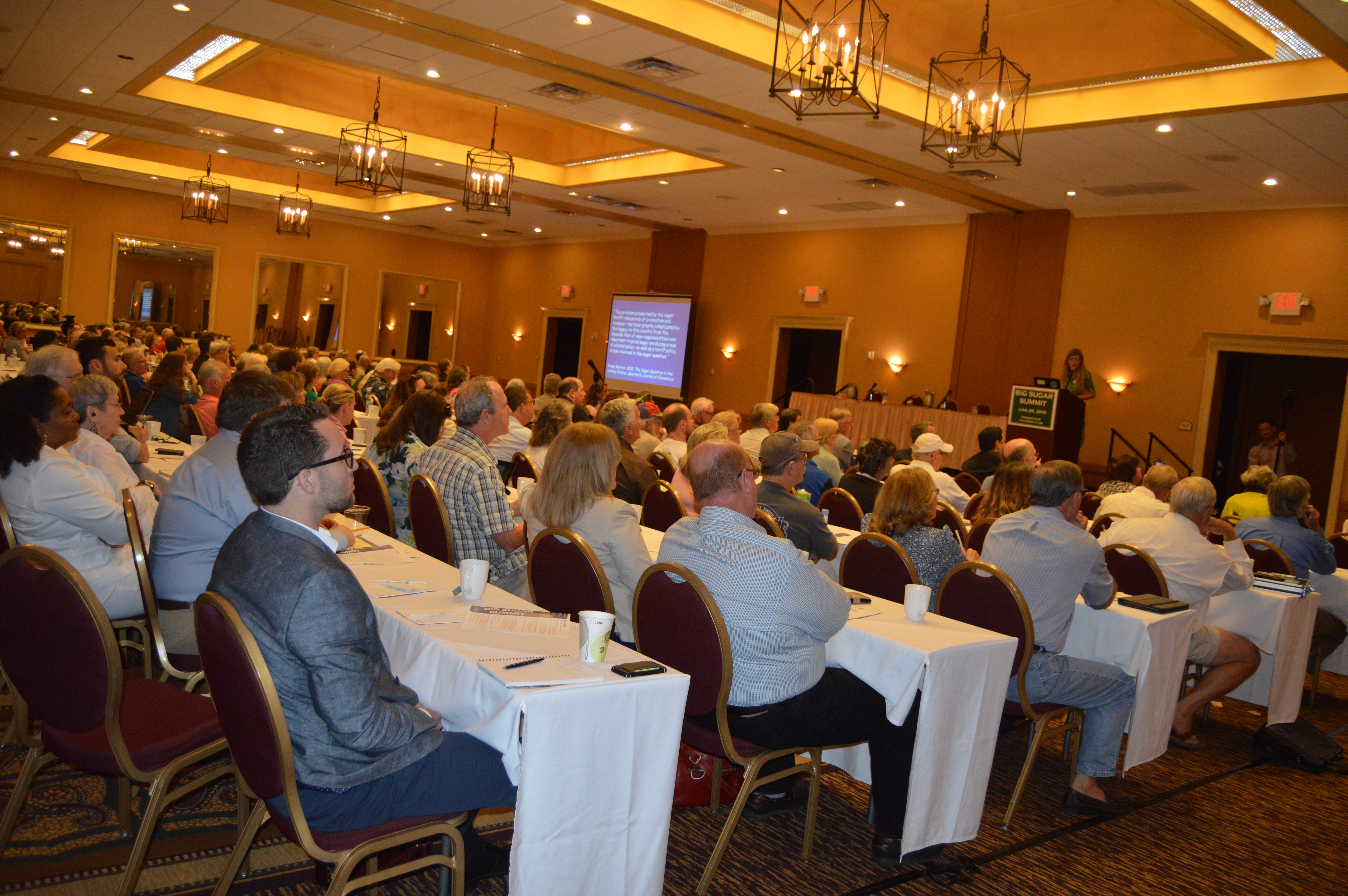
a room full of voters
My friends worked really hard for amendment one. Then they worked hard begging for land to build reservoir only to have our water management district, our legislatures and rick scott kicked us and our water in the heads.
Three environmental groups filed a lawsuit this afternoon against the Florida legislature, claiming lawmakers misappropriated funds intended for land and water conservation and land purchases to protect the environment.
The 10-page lawsuit was filed by EarthJustice, a non-profit public interest law firm that has represented environmental groups in more than 20-years of lawsuit over restoration of the Everglades. The groups who launched the lawsuit are the Florida Wildlife Federation, St. Johns Riverkeeper, the Environmental Confederation of Southwest Florida and Manley Fuller, president of the Florida Wildlife Federation.
“The constitutional amendment is clear,” said Earthjustice attorney David Guest. “A third of the tax on real estate deals is to be used to prevent every last inch of Florida land from getting chewed up by development. But most lawmakers are simply not listening. That’s why we have to go to court.”
The lawsuit was filed in Leon County Circuit Court in Tallahassee.
As managing attorney for the Earthjustice office in Tallahassee, I have savored waging litigation wars with big corporations and their friends in government agencies. In courtrooms around Florida I have tried environmental cases for almost 30 years. In one way or another, they have been mostly about water. Before development, half of Florida was under water during the wet season and its 1,500 miles of coastline were teeming with life. But its beauty invited its consumption. Millions of acres were drained and converted into agricultural, industrial, and urban developments. As a result, rivers and lakes are being polluted and closed off to the public, ground waters are being depleted by uncontrolled withdrawals from aquifers, and the ecosystems that depend on water are threatened.
Most of my career has focused on going to court to fight for everything that can still be saved. Protecting rivers and lakes has not just required many weeks of bitterly contested trials against big corporations in their hometowns. It has also meant late nights poring over ancient maps, military records, and 150-year-old handwritten diaries. It has meant interviewing hundreds of witnesses in dingy restaurants and motels. (One interview was interrupted while the witness removed a 4-foot Black snake from the living room and chased it out the screen door with a broom.) And it has meant many hot days wading waist-deep in alligator infested rivers, marshes, and swamps, finding relief only with the driving rain of the late afternoon.
In the course of my work for Earthjustice, I have moved to the cities of the phosphate mining district of Southwest Florida for trials long and short. I once moved my whole office to a town of 3,000 on the shore of Lake Okeechobee for a six-week jury trial. And I have spent weeks at a time living out of motel rooms in small coastal towns while trying cases to protect manatees from speeding motor boats, estuary sea life from marina development, and sea turtles from the destruction of their nesting beaches.
My earlier water pollution cases were against the EPA, pulp mills and sugar companies. Now, I have come to realize that water contamination is an increasingly serious public health threat to disempowered people. My new cases are trying to halt the growing number of algae outbreaks in Florida lakes, streams and estuaries that kill wildlife and sicken humans.
Solving the hardest environmental problems by taking on the worst actors head-to-head can change people’s attitudes about what is possible. That’s why I’m with Earthjustice.
and here is a good article about Manly Fuller, President of the Florida Wildlife Federation.
Manley Fuller has a history of speaking out for rivers. First, in 1982, there was the battle over the extent of protections offered by the North Carolina Wilderness Act — he succeeded in getting a tract of wetlands and rare coastal peat forest protected. Then there was the controversy over the proposed dam on the New River along the North Carolina-Virginia border — the dam was never built. Then there was the dam on Alligator River . . . and many others
I’ve been involved in land conservation and battles over wetlands and rivers for twenty years now,” Fuller tells me over the phone, “But this time I wasn’t actively looking for a local conservation issue. This problem I just couldn’t avoid because it was right in front of my face.”
Here is the video from Saturday.
and this is a clip from our rally last summer.
In 1993, Fuller, who is president of the Florida Wildlife Federation, moved into a small ranch house two miles south of Wakulla Springs State Park. Like others, he was drawn to Wakulla County because it’s still quiet and rural and home to one of the most beautiful spring-fed rivers in the state. Wakulla Springs, however, also lies just eight miles from the sprawling interface of Tallahassee, and most residents knew it was only a matter of time before the developers began knocking at their doors.
Here is his video from the Big Sugar Summit
Our legislators may have lost their muchiness but the people who want clean water still have their humanity and for that I am thankful.













 cyndi lenz