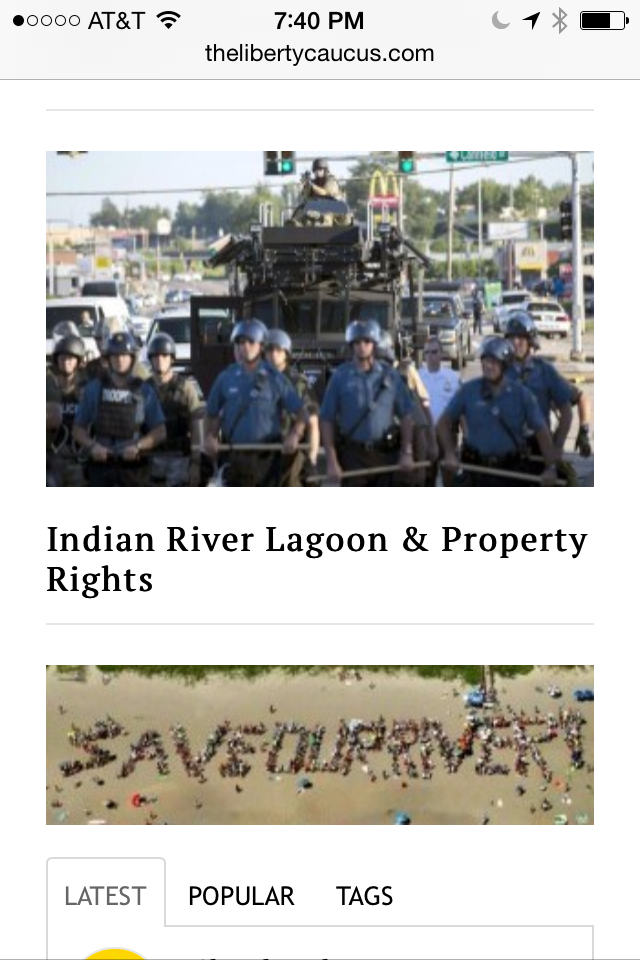
The very funny local Liberty Caucus. Striped men in tights.

The very funny local Liberty Caucus.

Yesterday I had to laugh because if I  just had clean water I probably wouldn’t even be sitting here on my day off computing. I would be in the water.

Yesterday after I posted my blog I was having a conversation with my friend Kenny Hinkle and between the both of us we came up with some interesting information. Team work yay. We were both interested in this web site.

photo

I got there because I got a  little confused with all the liberty blogs that are out  there and different liberty caucuses but then a few things caught my eye.

photo

and this

photo

What could these people possible want with FNAA and our Indian River Lagoon. So I dared to go a little further and they had a whole local section.

http://thelibertycaucus.com/category/news/local/

All kinds of fun things here like

“Treasure Coast June War on Freedom Report

June was an abysmal month for freedom on the Treasure Coast as 290 area residents were violently abducted at gunpoint by men in costumes for non-violent vices.

Saint Lucie

June was a terrible month for freedom in Saint Lucie as costumed men with guns abducted and caged 177 people for non-violent vices.

Indian River

Indian River saw a much lower total with 57 people being kidnapped and caged by costumed men with guns for non-violent vices.

Martin

A total of 56 citizens were abducted at gunpoint by men in costumes for alleged non-violent vices.”

Who are these costumed men who are kidnapping and caging people? If my friend Gayle Ryan was in town she would say “Are they single?”

Did they look like this?

did they look like this?

If the police are costumed men with guns am I a costumed female with a stethoscope?

and then there was this

http://thelibertycaucus.com/visualized-police-militarization-in-florida-and-the-treasure-coast/#.VaG5fUV_h7k

are you sure it wasn’t like this?

and this guy talking about train socialism ( can a train be a socialist?)

http://thelibertycaucus.com/all-aboard-florida-railway-socialism-and-safety/#.VaG7fkV_h7k

and here is someone called Brightlight

http://thelibertycaucus.com/sky-is-falling-chorus-about-all-aboard-florida-simply-misinformed/#.VaG8UkV_h7k

and then Bright light wrote this which I thought was pretty funny. Good stuff Bright Light

A Rain Ban.

http://thelibertycaucus.com/indian-river-lagoon-treasure-coast-rain-ban-imminent/#.VaG86UV_h7k

She wrote:

“The lagoonists and their goons have banned fertilizers (though no evidence of damaged caused by the fertilizers exists just their presence) and now facing the calamity of rain one has to wonder: Will the loony lagoonists soon ban rain?”

Funny but we are lagoonatics! Get your jargon correct puleeeze Brightlight.

and then I saw that they were all obsessed with Eve Samples.

http://thelibertycaucus.com/?s=eve+samples&submit=Search#.VaG9hkV_h7k

and that made me sad.

I felt terrible because I was having such a good laugh and then this.

You can go over and search. It’s a good search engine and also has a store where you can buy all kinds of nifty things. Like stickers and books. You can buy the Libertarian Manifesto for 11 bucks!

http://thelibertycaucus.com/shop/#.VaG-X0V_h7k

I love manifestos. Here are some other people that wrote manifestos.

kazinski

kazinski manafesto

holmes

At any rate you get the picture and honestly like I have said hundreds of times. Free speech! Keep on writing. Please!

So we were interested in who owned the website because these people are local and thought it would be a good thing to know. All these funny people hiding behind their nom de plumes! I don’t have issue’s with nom de plumes. Some of my friends have these. I could just never figure out what mine would be.

So anyway, the owner of the site is Registrant Email: gatorlandrhett@hotmail.com

https://www.linkedin.com/in/rhettl (Thanks Kenny!)

15099e1

and works here:

Who is the Pacific Legal Foundation and why are our Panthers, Manatees and Bears their Business?

Remember when Michael Grunwald was here and he said “Big Sugar has a right to be in business” and everyone groaned. Well, that’s true. They do. What I don’t think they have the right to get subsidies to stay alive when the rest of the businesses have to put themselves out there and if they succeed they succeed and if they don’t they don’t.

The same thing goes for Pacific Legal Foundation. Conservatives you can’t have it both ways. You either believe in state and local rights or your being a hypocrite. I’m beginning to think more and more every day its the latter. These people tell you one thing and they do another. In other words your being duped. If you want to believe something believe it but don’t be duplicitous.

Yesterday, I wrote this blogpost about how Pacific Legal Foundation is the common denominator with issues with our Florida Panthers, Florida Black Bears and Manatees. They were also on Lawsuit for the Chesapeake Bay.

https://cyndi-lenz.com/2015/07/09/panthers-manatees-and-bears-oh-my/

You can check them out here.

http://www.pacificlegal.org

This is the libertarian’s party environmental platform.

https://www.lp.org/platform

“We support a clean and healthy environment and sensible use of our natural resources. Private landowners and conservation groups have a vested interest in maintaining natural resources. Pollution and misuse of resources cause damage to our ecosystem. Governments, unlike private businesses, are unaccountable for such damage done to our environment and have a terrible track record when it comes to environmental protection. Protecting the environment requires a clear definition and enforcement of individual rights in resources like land, water, air, and wildlife. Free markets and property rights stimulate the technological innovations and behavioral changes required to protect our environment and ecosystems. We realize that our planet’s climate is constantly changing, but environmental advocates and social pressure are the most effective means of changing public behavior.”

Let me repeat “environmental advocates and social pressure are the most effective means of changing public behavior.”

(P.S. It looks like they believe in climate change)

So it’s hypercritical for the Pacific Legal Foundation to mess with the free will of our Florida Black Bears.

That’s my logical conclusion.

Duplicitous

So is the Pacific Legal Foundation a libertarian foundation. I don’t think so.

I think they are a Koch Brothers, Scaife Foundation lackeys hiding out in bosom of an unending cash cow and really sticking their nose where it doesn’t belong but where their masters want them to go.

Not free thinking at all. Not what I would expect from Libertarians.

It’s this behavoir, this intrusion into our Legislature this past year that I think made our head’s spin.

Who is the Pacific Legal Foundation and why are our Panthers, Manatees and Bears their Business?

certpacificlegalfnd

Or anything else for that matter.

Just as a reminder we live in a democracy and we vote these people in to represent us. 

About a month ago there was an issue up in Brevard, incited by some behind the scene bs getting all down on Thad Altman for being ok with the purchase of the land to send the water south and not dealing with his section of the Indian River Lagoon.

You can’t have it both ways. Pick a way and do that.

But what we ALL can’t have is people from other places making rules for us. If you want to be an elected official you talk to us your constituents not to the Pacific Legal Foundation or Citizens United. You work for us. If you work for them then give up your office and work for them. Can’t have it.

Other bloggers, writers in other states – we all need to compare notes. I guarantee the same thing is happening everywhere and one day we’re going to wake up and say “What happened?” (as we float down to Miami in our Kayaks.)

We all got upset when Pam Bondi signed on to a lawsuit for the polluters in the case of Chesapeake Bay. Most of us felt that Florida had no business being involved and using our tax money on a case not in our state when her job is to work for Florida. Pam Bondi! You work for us!

What we witnessed this past year was Rick Scott and the Florida Legislature making Florida their own personal slush fund at the expense of all of us. The Tea Party was given verbiage to incite them like “Land Grabs” and they went out like the sheeples they deplore and worked tirelessly for the 1%. Tea Party you have been duped. Brainwashed. You are not free. You are slaves for the Koch Brothers.

http://www.sourcewatch.org/index.php/Pacific_Legal_Foundation

The Pacific Legal Foundation is a Sacramento, California-based legal organization that was established March 5, 1973 [1] to support pro-business causes. In recent years, it has taken a lead in pursuing anti-affirmative action policies.

legal

It is the key right-wing public interest litigation firm in a network of similar organizations funded initially by Scaife Foundations money across the USA to support capitalism and oppose environmental and health activism and government regulation.

The organization has been  partially funded by a range of corporations and conservative foundations, including by the Koch family Claude R. Lambe Foundation in 1998.

The Koch brothersDavid and Charles — are the right-wing billionaire co-owners of Koch Industries. As two of the richest people in the world, they are key funders of the right-wing infrastructure, including the American Legislative Exchange Council (ALEC) and the State Policy Network (SPN). In SourceWatch, key articles on the Kochs include: Koch Brothers, Koch Industries, Americans for Prosperity, American Encore, and Freedom Partners.

These people don’t believe in freedom they believe in pushing their own agenda that call conservative and they have their own Tea Party out their representing them.

Florida is not the Koch Brothers private playground.

And they may be treading into waters other people would not want you to go. After all, one of the reasons given not to buy the land was because of endangered birds that were there. You effectively would take that away from SFWMD and Big sugar and I don’t think they would be too happy about that.

“Tobacco Industry associations

PLF is listed as a “key third party ally” in a September 14, 1999 Philip Morris document.[6]

In 1989, Philip Morris began funding the organization through its Mission Viejo (gated-community land-development company) subsidiary, mainly because the organisation was active in the property rights area and had won cases limiting the States’ ability to expropriate or regulate private property. The Mission Viejo subsidiary was interested in fighting a no-growth initiative which had been blocking some of their development projects. At this stage Philip Morris only gave an annual grant of $5,000 each year, just to keep the organisation on side and available, but it may have also funded specific legal projects.

By 1991 the PLF had a major budget crisis. It was in deficit to the tune of about $1 million, which was about a quarter of its $4 million annual requirements. Not long after, Roy Marden, the Philip Morris executive in charge of maintaining relations with the right-wing think tanks and advocacy institutes, joined the PLF board. Overnight the funding increased substantially to $10,000, and then $22,000 by 1993. Philip Morris also began to utilize the PLF to undertake hidden media and political activities on its behalf.

For instance, it enlisted the organization (together with think-tanks like the Reason Foundation, Hoover Institute, Heritage Foundation and Claremont Institute) to write op-ed pieces that were planted in newspapers attacking the Environmental Protection Agency (EPA) over its determination that Environmental Tobacco Smoke (ETS) was a carcinogen and its attempt to regulate Indoor Air Quality (IAQ). (See page 4 of this planning document.[7])

At this time Philip Morris was also heavily funded two of PLF’s unacknowledged offspring, the National Legal Center for the Public Interest and the Atlantic Legal Foundation. The Washington Legal Foundation was another of a similar kind favoured and funded ($200,000) by Philip Morris, but it was independent of the Scaife-funded, PLF-based network. [8]

The PLF also intervened successful in Keller v. California State Bar, where it established a legal precedent that California lawyers could challenge the use of their dues to the state bar for political purposes. This was an successful attempt to block collective actions by the more liberal Californian lawyers who were involving themselves in such policy areas as class-actions and product liability.

By the mid 1990s the PLF had offices in Sacramento, Anchorage and Seattle and ran several key issues and programs:

  • Judicial Responsibility Project
  • College of Public Interest Law
  • Limited Government Project

It also sloughed off the Center for Applied Jurisprudence which focused on commercial “free speech issues” (i.e., the right to advertise harmful products) and “regulatory reform.” Philip Morris was giving them a $25,000 retainer by this time (and presumably paying also for work done on their behalf).

In 1997-1998 the PLF joined forces with the $10 million funded (by Philip Morris) National Smokers Alliance, in a fierce and vindictive legal attack on Professor Stanton Arnold Glantz, a leader of California’s main anti-smoking organization, Americans for Nonsmokers Rights[9] and attempted to brand him in the public mind as having something to hide … a destroyer of legal document (a ruse the tobacco industry used itself on a massive scale). Glantz had received documents from the early tobacco industry whistleblowers, and he had established the first public-access Internet web site revealing how the industry operated.

Anti-Environment Policies

According to ExxonSecrets.org, the Pacific Legal Foundation has received $110,000 from ExxonMobil since 1998. The website goes on to state that:

Anti-environmental from the start, PLF’s early actions supported the use of DDT, the use of herbicides in national forests, and the use of public range land without requiring an environmental impact review. They also supported at least six pro-nuclear power cases before the early eighties while accepting funding from Pacific General Electric (PGE), a utility which has gained a great deal through the development of nuclear power in the Pacific Northwest. In the 1980s, PLF won several cases that are considered landmarks by those working on property rights issues today: Nollan v the California Coastal Commission and First Church, both Supreme Court victories which provide precedence for the takings litigation pursued today (Oliver Houck, “With Charity For All,” Yale Law Journal, 1993). In October 2003, PLF Vice President M. David Stirling had an Op-Ed published in which he defended President Bush’s environmental record and condemned former President Clinton for endorsing the Kyoto Protocol.”

Yikes!

Their the merchants of death! DDT for everyone. You get DDT and you get DDT!

SO Pacific Legal Foundation if you want to help people and their freedom please do so but please stop trampling on us. Florida is not up for grabs. We don’t care what Rick tells you. It’s just not true.

Rick Scott and his love affair with Pacific Legal Foundation!

http://blog.pacificlegal.org/plf-and-the-crafted-keg-work-together-and-free-the-growler/

Today Pacific Legal Foundation and The Crafted Keg received long-awaited news:

Governor Rick Scott signed the bill freeing the 64 ounce beer growler in the State of Florida!

For years, Florida law prohibited craft beer brewers and sellers from offering their beverage in the standard-size container used throughout the country.

http://www.modernhealthcare.com/article/20150417/NEWS/150419897

Florida Gov. Rick Scott plans to sue the CMS, accusing the agency of unconstitutionally trying to force the state to expand Medicaid by ending funding that now helps Florida hospitals pay for uncompensated care for low-income and uninsured patients.

But Todd Gaziano, a senior fellow in constitutional law with the conservative Pacific Legal Foundation, said the Florida situation presents the same legal issue as the one in NFIB. Still, he said, the argument of unconstitutional coercion in the Florida case, is “far from a slam dunk.” The Pacific Legal Foundation filed a separate lawsuit challenging the ACA.

“It’s the kind of claim that should not be dismissed at the outset,” Gaziano said. “It’s a claim that presents a reasonable legal argument.” But he conceded that the claim is not as clear, even if the government’s object is the same: to apply pressure on the state to expand Medicaid eligibility.

Sad but true Folks.

Sad but true.

Panthers, Manatees and Bears Oh my!

I’ve been thinking about the hunts that have opened up on our Florida Bear, and all the craziness that going on with hunting in our state parks and people wanting to take the Florida Panther off the endangered species list.

http://news.yahoo.com/florida-discusses-reduced-protection-endangered-panther-221628769.html;_ylt=A0LEVijTW55V3BcAPC0nnIlQ;_ylu=X3oDMTEzMjRzaXV2BGNvbG8DYmYxBHBvcwMxBHZ0aWQDRkZHRTAxXzEEc2VjA3Nj

“ORLANDO, Fla. (Reuters) – Florida’s wildlife agency may cut back on its efforts to save the endangered Florida panther two decades after helping return the big cats from the brink of extinction, according to an agency memo.

Carole Baskin, founder of Big Cat Rescue, told the commission the memo implies that the state is moving toward removing federal protections from the panthers and eventually allowing hunts.”

http://www.news-press.com/story/life/outdoors/2015/01/02/panther-deaths-top-critter-story/21195203/

The downlisting came after the U.S. Fish and Wildlife Service was petitioned by Pacific Legal Foundation, a private property attorney lobbying firm in Sacramento, Calif. Oddly, both the Endangered Species List and Pacific Legal Foundation were created in 1973.

https://en.wikipedia.org/wiki/Florida_black_bear

Before Florida was settled by Europeans, Florida black bears occupied all of the Florida mainland, and even many of the Florida Keys, with a population around 12,000.[7] The current range is much more sporadic with isolated groups living mainly in protected areas in Florida, Southern Alabama, Southern Georgia and Southern Mississippi.[2][3] Most major populations of Florida black bears live in protected areas. These include Ocala National Forest, Big Cypress National Preserve, Everglades National Park, Apalachicola National Forest, Osceola National Forest and Okefenokee National Wildlife Refuge.[6][7] A study of the Okefenokee-Osceola population found over 500 bears in two study areas. The current bear population in Florida is estimated at more than 3,000 bears.[8]

Here is a chronological history of the Black Bear in Florida.

DSC_0015

http://myfwc.com/media/425848/bear_managment_timeline.pdf

Bear hunting was closed on Eglin WMA in 1958, Big Cypress WMA in
1960 , and Ocala NF in 1961.

GFC created definition and list of Threatened Species under Chapter 16E of the Florida Wildlife Code and includes bear as a Threatened Species.

1990

“USFWS petitioned to list the Florida black bear as Threatened under the Endangered Species Act.”
You get the picture. We had them. They were hunted into extinction. We managed them. They came back. Now we’re going to kill them.
“Florida wildlife officials moved forward Wednesday with a proposal to allow black bear hunting for the first time in more than two decades.”
Manatees
“The potential change in the manatee’s status is being considered under pressure from the Pacific Legal Foundation, a libertarian group that generally opposes all environmental regulations.”

“The Pacific Legal Foundation is a Sacramento, California-based legal organization that was established March 5, 1973 [1] to support pro-business causes. In recent years, it has taken a lead in pursuing anti-affirmative action policies.”

It is the key right-wing public interest litigation firm in a network of similar organizations funded initially by Scaife Foundations money across the USA to support capitalism and oppose environmental and health activism and government regulation.

The organization has been [2] partially funded by a range of corporations and conservative foundations, including by the Koch family Claude R. Lambe Foundation in 1998.[1]

So the people behind taking the Manatee off the endangered list is the Koch Brothers and the Scaife Foundations.

http://www.miamiherald.com/news/local/news-columns-blogs/fred-grimm/article15524330.html

But still, with 6,000 or so manatees swimming around, there’s a chance that the feds will indeed pronounce them merely threatened. That’s the same status that was conferred on the Florida black bear — with only 3,000 left in the state.

That seemed plenty enough for the Florida Fish and Wildlife Conservation Commission, which last month (not long after legalizing silencers for hunting weapons) voted to reinstate bear hunting.

If the FWC figures that it’s okay to hunt a beloved species with a population of 3,000, imagine what kind of sportin’ activities those good ol’ boys in Tallahassee can rationalize now that we’ve got twice that many manatees terrorizing Florida’s waterways. Imagine the fun.

Three of our beloved on endangered species list. One libertarian organization from California making the rules.
Who owns the Florida Legislature so they are complicit with the whims of the very libertarian whims of the Pacific Legal Foundation?

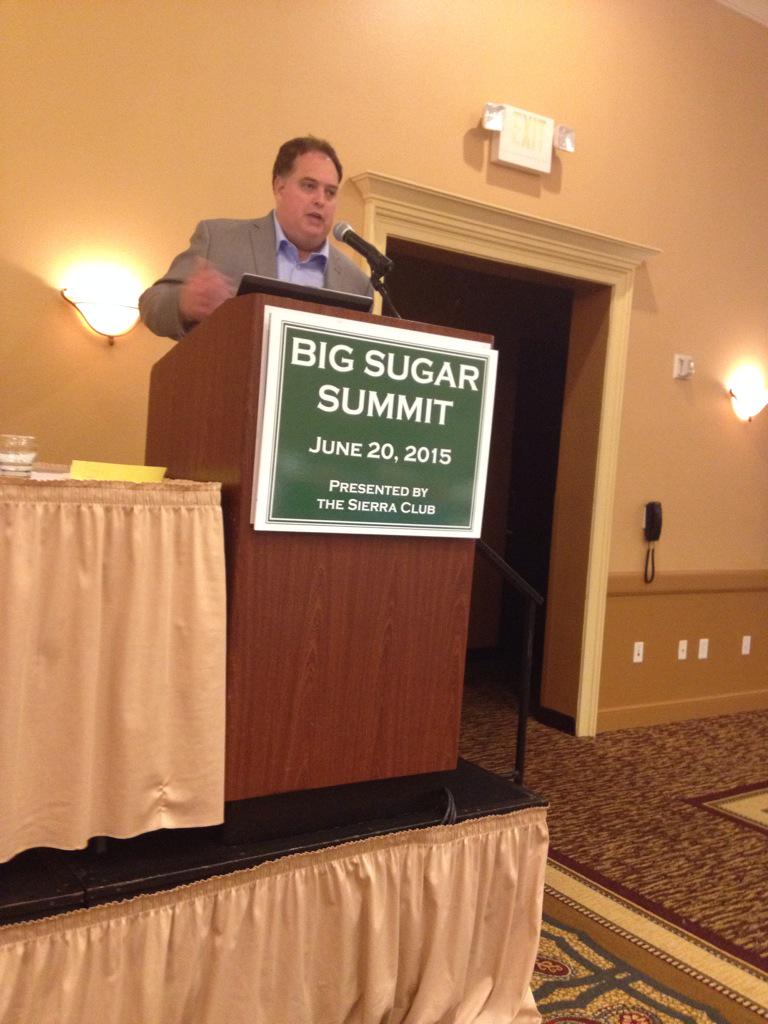
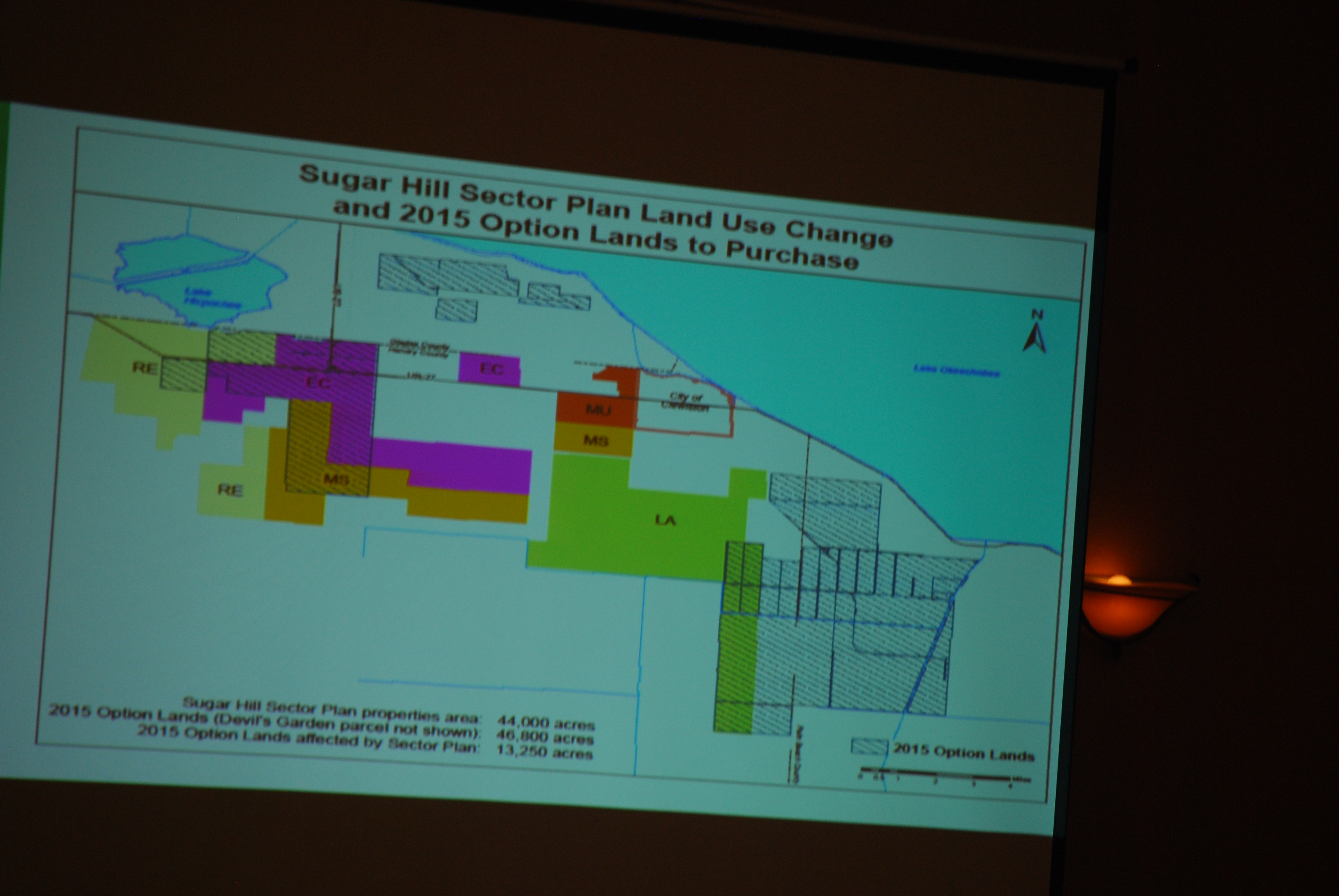
Big Sugar Summit: Daren Bakst, Heritage Foundation

@PatrickMurphyFL

@Heritage

@darenbakst

Big Sugar Summit: Daren Bakst, Heritage Foundation

DarenBakstheritagefoundation

Daren Bakst is a Research Fellow In Agricultural Policy, Institute for Economic Freedom and Opportunity at the Heritage Foundation.

https://en.wikipedia.org/wiki/The_Heritage_Foundation

“The Heritage Foundation is an American conservative think tank based in Washington, D.C. The foundation took a leading role in the conservative movement during the presidency of Ronald Reagan, whose policies drew significantly from Heritage’s policy study Mandate for Leadership. Heritage has since continued to have a significant influence in U.S. public policy making, and is considered to be one of the most influential conservative research organizations in the United States.

When people get upset because our US Congressman Patrick Murphy voted for the “Farm Act” I get upset. The issue with this act is that there are sugar subsidies and food stamps in the same bill. I understand why people are upset but I could not take what little food people have out of their mouths. It’s a conundrum and for that reason they must be separated.

I want to save food stamps for another day because it is a complicated subject. There are people who need them and there are people who take advantage and we need to have a better system like input from health care workers that are actually in people’s homes.  I can hardly tell someone to eat good whole foods, fruits and vegetables when they get 50 bucks a month, is 90 years old and all they can afford is stuff in a can that is full of sodium and stuff in a box that is processed and filled with sugar.  I hope we can engage in  that conversation one day.  I do begrudge people that do not have  compassion for people that out of no fault of their own cannot afford food. We have to retain our compassion. We just have to find a better way to do this. Nothing is black and white. Certainly not the lives of our elderly population.

At any rate there were cuts in food stamps.

http://www.pewtrusts.org/en/research-and-analysis/blogs/stateline/2014/02/04/congress-oks-food-stamp-cuts-in-farm-bill

But check this out regarding the sugar subsidy.

http://www.npr.org/2013/03/28/175569499/farm-bills-sugar-subsidy-more-taxing-than-sweet-critics-say

Critics say U.S. sugar policy artificially inflates sugar prices to benefit an exclusive group of processors — even though it leads to higher food prices. But this year, prices fell anyway. Now, the government could be poised to use taxpayer dollars to buy up the excess sugar.

Sugar costs are a complicated combination of import restrictions, production quotas and a kind of guaranteed price.

“The U.S. sugar system is essentially a Soviet-style control on production,” says Chris Edwards, an economist at the Cato Institute.

The effect of these policies, he says, is that U.S. sugar prices normally remain artificially high — sometimes twice the world price. (Last year, the price of sugar around the world averaged 26.5 cents per pound, compared with 43.4 cents in the U.S.) That hurts food companies and leads to higher prices at the grocery store.

“The core goal of policymakers has been to push up U.S. sugar prices to the benefit of U.S. sugar growers,” Edwards says.

A big part of this policy is a sweet loan program for the processors that refine sugar. To pay growers like Gravois right away, processors can take out government loans. The sugar itself is the collateral.

This leads to an interesting choice: If sugar prices go up, processors sell it on the open market and make a profit. If prices fall, they can just hand over their sugar to the government and keep the loan money.

Representing Big Candy is Bob Simpson from Jelly Belly, who also chairs the National Confectioners Association. “We’d just like them to compete on a fair, open market without the intrusion of the federal government,” he says.

He says Jelly Belly opened a plant in Thailand, partly to get cheaper sugar for markets overseas.

Defending Big Sugar is Jack Roney of the American Sugar Alliance.

“There’s really no reason for contention about U.S. sugar policy. It’s the most successful of any U.S. commodity policy,” says Roney, who adds that in most years this program costs taxpayers nothing — unlike other farm supports.

He blames falling prices on Mexican imports which, under the North American Free Trade Agreement, are not controlled by tariffs.”

http://www.washingtonpost.com/opinions/us-sugar-subsidies-need-to-be-rolled-back/2013/11/25/6082490a-53af-11e3-9fe0-fd2ca728e67c_story.html

“The Agriculture Department lost $280 million on the sugar program in fiscal year 2013, with more losses expected next year. A surge of imports from Mexico has driven down U.S. sugar prices — to the point where it’s profitable for processors to take advantage of a U.S. law that lets them forfeit the sugar they posted as collateral for government loans and keep the cash. Stuck with mountains of excess sweetener, the government has two choices: hoard it until prices go up or sell it at a huge loss to the few ethanol makers willing to take it.

280 million dollars is a lot of money and would buy my gramma’s a lot of fruits and vegetables. I don’t think even the Heritage Foundation would argue with that. After all, they have gramma’s too.

So let’s have this conversation and let’s tell Congress what they need to do. Obviously they can’t figure it out themselves.

Here is Daren’s video. Please watch and lets start talking about this!

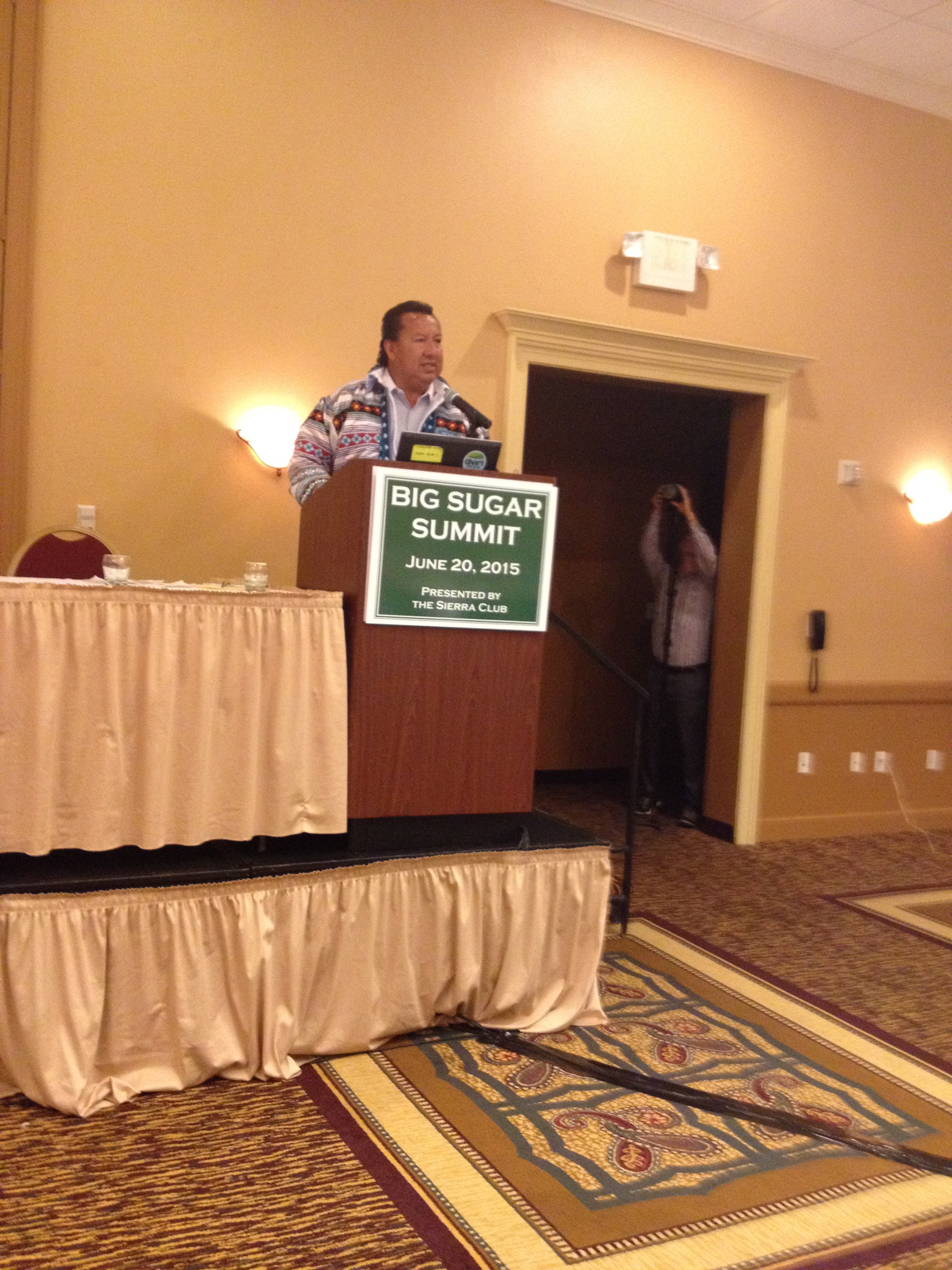
Big Sugar Summit: Keynote Address: Chairman Colley Billie, Miccosukee Tribe

Big Sugar Summit: Keynote Address: Chairman Colley Billie, Miccosukee Tribe

IMG_1727

So honored that Chairman Collie Billie came and he was the keynote speaker at the Big Sugar Summit.

http://blog.nmai.si.edu/main/2014/02/meet-native-america-colley-billie.html

Meet Chairman Collie Billie

“I would like to take this opportunity to bring attention to the plight of the Florida Everglades in the hopes of inciting awareness and support for our struggles to help, protect, and defend this unique ecosystem for the next generations.

The Everglades is our mother. Until recently, it has protected and nurtured us. In our time, the delicate balance of the Florida Everglades has been pushed beyond its breaking point, and the Everglades is dying a slow death. We once were able to drink the clean water of the Florida Everglades. We were able to swim in its waters and eat from the land. Mismanaged by governmental agencies over the past 50 years, the water in the Florida Everglades is now heavily polluted. For this reason, crucial elements of our way of life are no longer possible.

The dire situation in the Everglades is a direct reflection of the struggle of the individual tribal member. We were once people who were able to thrive independently within the sanctuary of the Everglades, and our position has always been to be left alone to live as we used to live before Columbus. Our original way of life has been made virtually impossible because the land that we used to depend on is not the same. In a sense, we have been forced to come out into the non-Indian world and learn how to be a part of it and live in it. One of our responsibilities as members of the non-Indian world is to emphasize the quandary of the Florida Everglades to create positive change. The Comprehensive Everglades Restoration Plan was started around the year 2000. Thirteen years and over a billion dollars later, it has been unsuccessful in doing what it was purported to do—to re-establish the original path of water from Lake Okeechobee into Florida Bay. For example, the one-mile bridge that was recently constructed on the Tamiami Trail for the purpose of restoring sheet flow to Florida Bay has not done so. Yet there is a two-mile flyover bridge planned for the same purpose.

Historically, the problem with the restoration of the Everglades has been fragmented efforts with no solid, unifying direction. Projects have been based on the perspectives of people versus what is actually required for the Everglades to survive.

For the Miccosukee people, true restoration is to allow water to flow uninterrupted from Lake Okeechobee and wash out into Florida Bay. And that water must be clean. Only when the polluted water is cleaned can the Florida Everglades and its wildlife begin to recover.”

Here,  Chairman Colley Billie is  speaking to the Department of the Interior. If you follow the link you can read the whole thing.

http://docs.house.gov/meetings/AP/AP06/20140407/101763/HMTG-113-AP06-Wstate-BillieC-20140407.pdf

‘However, the Tribe strongly opposes the National Park Service’s (NPS) continued efforts to

construct a series of massive skyway bridges on the Tamiami Trail (Trail) including the currently proposed 2.6 mile bridge that will cost $193M because: (1) the bridges will not be permitted to operate as designed due to flooding and water quality concerns; and (2)there already exists a series of culverts that could effectively deliver water, during high water seasons such as if properly maintained at a fraction of the cost. At a minimum, NPS should be held to the requirements of the FY14 Omnibus with respect to securing all the should be held to the requirements of the FY14 Omnibus with respect to securing all the necessary funding for the project before being allowed to move forward with bridging.

My question is why is no one listening to Chairman Colley Billie and the Miccosukee Tribe? This goes beyond Florida to the Federal Government who apparently does not care at all and are willing to let our friends, the Miccosukee Tribe of Florida, be polluted. This is shameful.
We have a lot of priorities. This needs to be on the top of the list.
How can we get behind this and make sure that the Miccosukee Tribe has clean water? This must be done.
Please send a message to your US Congressman about this issue. Your more than welcome to use this blog post and the video. If you live in Florida send to your representatives so they clearly understand what they have done by completely ignoring all of us.

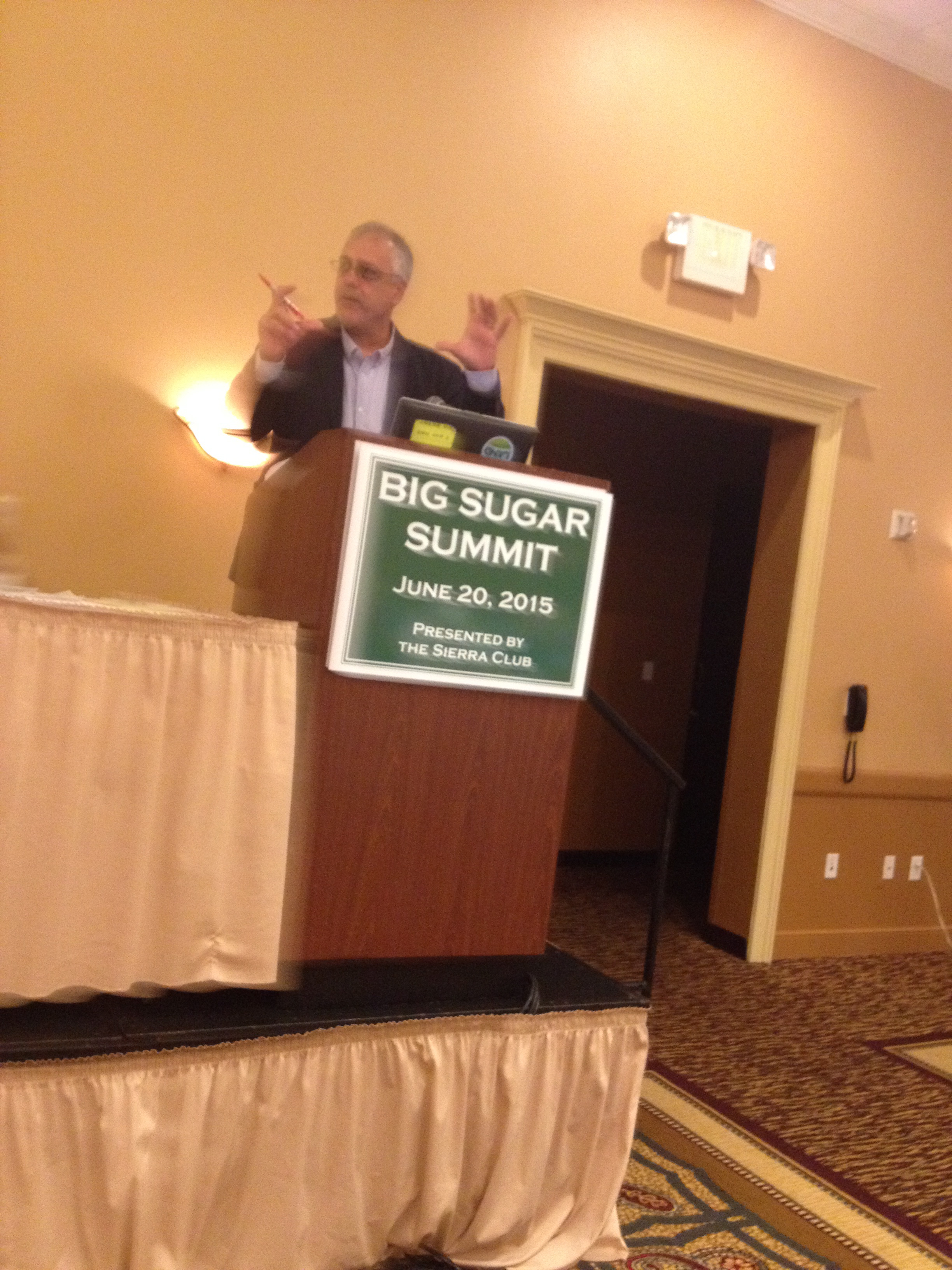
Big Sugar Summit: Richard Grosso, Environmental Legal Eagle!

Big Sugar Summit: Richard Grosso, Environmental Legal Eagle!

IMG_1725

Richard Grosso is Director, Environmental and Land Use Law Clinic. Shepard Broad Law Center, Nova Southeastern University.

http://evergladeslaw.org/about/history/

History of The Everglades Law Center

Our Beginning

“In 1990, a small group of law professors and lawyers created the Environmental and Natural Resources Law Center, Inc. to establish a nonprofit law firm dedicated to meeting the needs of the public interest in environmental issues facing Florida. In 1995 the organization hired Richard Grosso, the former Legal Director of 1000 Friends of Florida, as its Executive Director, to establish a legal representation program at Nova Southeastern University in Ft. Lauderdale, Florida. The name of the organization was officially changed in October of 1996 to the Environmental and Land Use Law Center, Inc.

The firm began to expand, adding three additional attorneys to the team, including Senior Staff Attorney Lisa Interlandi in 2001 and now Executive Director and General Counsel Jason Totoiu in 2006. In 2006, the firm changed its name to the Everglades Law Center to reflect its unique role in providing legal, strategic and policy advice to the dozens of organizations and individuals working to restore the Everglades.

Today, the Everglades Law Center celebrates over 20 years of providing legal counsel to nearly forty national, state, and local environmental and conservation organizations. We tackle issues from the Kissimmee River Basin to Florida Bay. We also assist clients on issues affecting other imperiled landscapes and watersheds throughout Florida. Our lawyers are strategically located across the greater Everglades ecosystem.”

http://www.1000friendsofflorida.org/wp-content/uploads/2015/01/Grosso-sea-level.pdf

Planning for Sea Level Rise: Legal Issues Facing Florida
Richard Grosso, Esq.
Professor of Law
Director, Environmental and Land Use Law Clinic
Shepard Broad Law Center Nova Southeastern University
3305 College Avenue
Ft. Lauderdale, Fla. 33314
grossor@nsu.law.nova.edu
We are so thankful for Richard Grosso!
Speaking of Environmental Law I thought this was interesting and humerous.

HO YA GONNA C(S)ITE?” GHOSTBUSTERS AND THE ENVIRONMENTAL REGULATION DEBATE

CHRISTINE ALICE CORCOS[*]Copyright © 1997 Florida State University Journal of Land Use & Environmental LawI. INTRODUCTION “Ghostbusters,[1] the phenomenally successful[2] Bill Murray/Harold Ramis/Dan Ackroyd comedy is generally considered to be an amusing takeoff on horror films of the thirties and forties, a kid’s movie, or a satire on academia, intellectuals, city government, yuppies, tax professionals, and apathetic New Yorkers.[3] What no one has con sidered this movie to be is a thoughtful introduction to environmental law and policy, suitable for discussion in a law school class,[4] or a serious examination of the competing interests in the environmental regulation debate. Yet, the film’s premise is that ghosts, like television advertising, marshmallows, and non-biodegradable packaging materials, can be classed as pollutants—messy, disruptive, loud, dangerous entities that need to be rounded up effectively and confined forever.[5] Further, a government’s inability to admit that an environmental danger, represented here by psychic pollutants, might exist[6] increases the likelihood that such a danger may damage the environment, just as the government’s unwillingness to recognize the true dangers of the pollutants at Love Canal put nearby inhabi tants at risk.[7] Thus, the film contends that the traditional reaction of the independent-thinking American to a danger which government is unable or unwilling to respond to is a kind of justified vigilantism. Too much government, like too much dependence on government, creates an environment suitable for disaster.”

DSC_0040

Great clip from a great environmental law film.

A compelling story about water!

Big Sugar Summit: Dr Gail Hollander, “Raising Cane in the Glades.”

#bigsugarsummit

IMG_1715

Big Sugar Summit: Dr Gail Hollander, “Raising Cane in the Glades.”

DSC_0021 DSC_0019

So excited hear this lecture. As I said before there will a final video with all the bells and whistles and slides professional done by some else. This is only part of the lecture so I hope when the video is done you’ll watch.

The title of the lecture was

“The History of Big Sugar in the Everglades Agricultural Area”

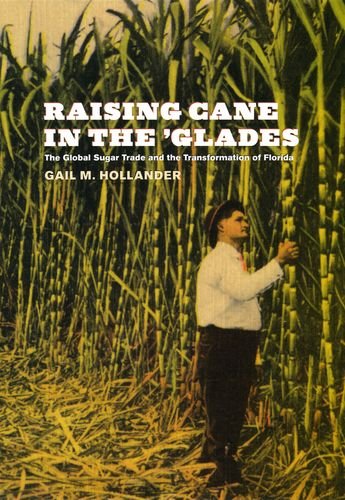
Dr Gail Hollander is an Associate Professor of Geography, Department of Global and Sociocultural Studies, Florida International University. She is the author of “Raising Cane in the Glades: The Global Sugar Trade and the Transformation of Florida.

raisingcane

The book is available on Amazon.

https://www.youtube.com/watch?v=ggY5qzgGsJU

Over the last century, the Everglades underwent a metaphorical and ecological transition from impenetrable swamp to endangered wetland.  At the heart of this transformation lies the Florida sugar industry, which by the 1990s was at the center of the political storm over the multi-billion dollar ecological “restoration” of the Everglades.  Raising Cane in the ’Glades is the first study to situate the environmental transformation of the Everglades within the economic and historical geography of global sugar production and trade.

Using, among other sources, interviews, government and corporate documents, and recently declassified U.S. State Department memoranda, Gail M. Hollander demonstrates that the development of Florida’s sugar region was the outcome of pitched battles reaching the highest political offices in the U.S. and in countries around the world, especially Cuba—which emerges in her narrative as a model, a competitor, and the regional “other” to Florida’s “self.”  Spanning the period from the age of empire to the era of globalization, the book shows how the “sugar question”—a label nineteenth-century economists coined for intense international debates on sugar production and trade—emerges repeatedly in new guises. Hollander uses the sugar question as a thread to stitch together past and present, local and global, in explaining Everglades transformation.

Here is the video.

Throwback Thurs: What was penny a pound and make the polluter pay?

Throwback Thurs: What was penny a pound and make the polluter pay?

As always, if you have something to add please add it.

What was penny a pound?

https://en.wikipedia.org/wiki/Restoration_of_the_Everglades

“Restoration of the Everglades, however, briefly became a bipartisan cause in national politics. A controversial penny-a-pound (2 cent/kg) tax on sugar was proposed to fund some of the necessary changes to be made to help decrease phosphorus and make other improvements to water. State voters were asked to support the tax, and environmentalists paid $15 million to encourage the issue. Sugar lobbyists responded with $24 million in advertising to discourage it and succeeded; it became the most expensive ballot issue in state history.[62] How restoration might be funded became a political battleground and seemed to stall without resolution. However, in the 1996 election year, Republican senator Bob Dole proposed that Congress give the State of Florida $200 million to acquire land for the Everglades. Democratic Vice President Al Gore promised the federal government would purchase 100,000 acres (400 km2) of land in the EAA to turn it over for restoration. Politicking reduced the number to 50,000 acres (200 km2), but both Dole’s and Gore’s gestures were approved by Congress.

http://aec.ifas.ufl.edu/agcommcase/sugar.html

The purpose of this case study was to examine the impact that environmental activism can have on agriculture by focusing on the Florida sugar industry’s reaction during the 1996 “sugar tax” amendment campaign. During the campaign, proponents and opponents of the three proposed Everglades-related amendments to Florida’s constitution spent more than $40 million to sway the public. As a result of the public relations and political campaigns, communicators from Florida agricultural industries realized that they must increase their efforts to project a positive public image.

In 1996, the issue finally was contested when a small, but well-funded environmental activist group named Save Our Everglades Committee authored three proposed amendments to the Florida Constitution, collected enough signatures to get the proposals on the November 1996 ballot, and began a campaign aimed at voters in support of the amendments (U.S. Sugar Corporation, 1997). The Florida sugar industry spent $24 million and the Save Our Everglades Committee (SOE) spent over $14 million on the most expensive public relations campaign in the state’s history (Marcus, 1997). The three proposed amendments were as follows:

• Amendment Four: if passed, this amendment would put a penny-a-pound tax on all sugar grown in Florida. If passed, it has been estimated that sugar farmers would have had to pay $1 billion (U.S. Sugar Corporation, 1997).
• Amendment Five: this proposed amendment, commonly known as the “polluters pay” amendment stated that those in the Everglades Agricultural Area “who cause water pollution within the Everglades Protection area or the Everglades Agricultural area shall be primarily responsible” for paying the costs of clean-up (Kleindienst, 1997).
• Amendment Six: this amendment was designed to establish a state trust fund reserved for Everglades clean-up.

The fight

For several months before Election Day in November, Florida voters were the targets of television and radio advertisements, direct mail pieces, persuasive phone calls, and door-to-door campaigning — all related to the proposed amendments. The sugar industry, which is comprised of two large corporations, a farming cooperative, and numerous small, independent farmers, was unprepared to face a serious challenge from a well-organized activist group. In addition, the industry was surprised by early polls that indicated widespread public support for the measures.

The sugar industry considered the proposed amendments a threat to its very existence. Seldom if ever before had a single agricultural commodity been singled out as “primarily responsible” for nonpoint-source pollution (pollution that is not the result of a direct, detectable environmental accident or contamination). One sugar industry statement said that “there are few times in the life of a business when one event can have a literal life or death impact; for U. S. Sugar and the Florida sugar industry, the threat of the $1 billion tax was such an event” (U.S. Sugar Corporation, 1997).

For two months, the public relations battle continued, with each side of the argument accusing the other of distorting facts and deceiving the public. On November 6, Amendment Four was defeated, while Amendments Five and Six passed. Although the second two amendments passed, the sugar industry claimed the victory since the penny-per-pound tax was voted down.

Over the course of the campaign, the sugar industry responded to being referred to as “Big Sugar” (a derogatory term) by attacking the founders of SOE. The industry referred to chairperson Mary Barley as “a millionaire land development heiress” and to financial supporter Paul Tudor Jones as a “mega-wealthy Connecticut commodities broker” (U.S. Sugar Corporation, 1997). In addition to attempting to promote a negative image of SOE, the sugar industry also aired television and radio advertising portraying employees of the South Florida Water Management District (the regulatory agency with primary jurisdiction over the Everglades) as bureaucrats with a reputation for squandering public money on luxuries such as limousines and jet planes. This particular advertisement provoked then-Governor Lawton Chiles (who had remained quiet about the amendments issues thus far) to write a letter to the sugar industry chastising it for intentionally damaging the reputation of the water management district’s employees (Marcus, 1997).

saveeg

The sugar industry also distributed a number of press releases geared toward informing the public about the progress the sugar industry had already made toward cleaning up farm run-off. The message conveyed in several of the releases (that phosphorous levels in farm water had been reduced by 68% in just three years of voluntary management practices) was well-received by the mass media. In addition, just two weeks before the election, the start of the sugar harvest was delayed so that almost 2,000 employees could go door-to-door and personally ask communities to vote “no” (U.S. Sugar Corporation, 1997).”

An amazing effort by Save the Everglades!

https://en.wikipedia.org/wiki/Polluter_pays_principle

In environmental law, the polluter pays principle is enacted to make the party responsible for producing pollution responsible for paying for the damage done to the natural environment. It is regarded as a regional custom because of the strong support it has received in most Organisation for Economic Co-operation and Development (OECD) and European Community (EC) countries.

http://www.everglades.org/2012/02/enforce-polluters-pay/

(Miami Herald LTE, Jan 31, 2012) For 15 years Florida taxpayers have been carrying dirty water for the sugar billionaires. When Florida’s voters passed the Polluters Pay Amendment to Florida Constitution, the sugar industry was supposed to pay 100 percent of their pollution cleanup costs. In one of the most cynical abdications of governance in history, the Legislature has refused to implement Polluters Pay. In doing so, they have dumped billions in extra property taxes on the homeowners of South Florida and enabled Big Sugar to dump millions of tons of excess pollution on the Everglades.

So not only do the sugar billionaires get unearned taxpayer dollars through unnecessary federal import quotas and subsidies, but they get their pollution cleanup costs paid by the taxpayers of South Florida. Our legislators need to swear off their addiction to sugar campaign money and make them pay all their cleanup costs.

Albert Slap, Key Biscayne

Fast forward to our present legislators and Rick Scott and you’ll hear in the video they changed the law.

http://www.tampabay.com/opinion/editorials/editorial-make-polluters-pay-in-everglades/2109203

The measure, HB 7065, would rewrite the state’s plan to clean pollution flowing from farms in the Everglades’ agricultural zones to the protection areas in the south. Supporters say the legislation is needed to codify the agreement between Scott and the federal government that calls on Florida to spend $880 million over 12 years to build storm water treatment and water storage to intercept runoff from the farms, preventing further pollution of an ecosystem that is vital to the state’s economy, environment and drinking water needs.

The legislation, though, does far more than that. It would roll back the enforcement of water discharge permits, clearing the way for farming operations to pollute regardless of how much the state erred in issuing them a permit or policing it. That opens a door for polluters and increases the pressure on regulators at the South Florida Water Management District to follow the Legislature’s lead in going soft on the industry. Even the district opposes that measure. It would rather keep the permitting process intact than create a public impression that the system is corrupt.

The measure also caps the industry’s financial obligation for funding the cleanup. While the legislation would extend the $25 per acre agriculture tax until 2024 — eight years longer than under current law — it holds that those payments and improved management practices would “fulfill” the industry’s obligation for the cleanup under Florida’s “Polluter Pay” requirement in the state Constitution.

That is an outright sellout. Extending the agriculture tax generates less than $7 million per year — pennies compared to the $880 million that taxpayers will spend to treat the polluted water. The very governor who forced the water management districts to cut their budgets now intends to ask Florida taxpayers to commit $32 million a year for 12 years for this program — all in addition to the money that will come from property owners in South Florida. Meanwhile the industry responsible for two-thirds of the pollution entering the Everglades walks away from any long-term obligations even before the new water projects are in place.

Just two weeks into the legislative session, HB 7065 has sailed through two committees and is headed for the House floor. This bill has leadership’s blessing, which is why Scott and the Senate are likely the last defense. Sen. Wilton Simpson, R-New Port Richey, who is shepherding the Senate bill, which is much better, needs to do what the House and several of his bay area counterparts failed to do and insist that the polluters pay their share. Shifting these costs onto the public is unfair, and every dollar the state spends on behalf of polluters is a dollar it won’t have for police, schools and other legitimate priorities.

http://audubonoffloridanews.org/?p=13332

Audubon and other organizations have objected to these changes to the Everglades Forever Act. We are hoping for some serious discussions about increasing the amount of money sugar growers pay to clean up the pollution coming off their land. We have also objected to the part of the bill that nullifies enforcement of discharge permits. This section of the bill seems deliberately written to eliminate the basis of a recent legal challenge to three discharge permits for the dirtiest Everglades farms.

The Senate companion bill – SB 768 – has none of the offending provisions.

Why Your Voice is Important

The sugar industry has dozens of lobbyists.Money has been given to legislators and political committees. Many members of the Florida House have already made up their mind on this bill. Some have been, by their own admission, heavily lobbied by the sugar industry.

– See more at: http://audubonoffloridanews.org/?p=13332#sthash.Lbu29sfm.dpuf

 hypocracy

“Back when he first ran for governor of Florida as a self-styled outsider, Rick Scott lambasted his opponent in the Republican primary for taking campaign money from U.S. Sugar, one of the worst corporate polluters of the Everglades.

Scott indignantly squeaked that Bill McCollum had been “bought and paid for” by U.S. Sugar. He said the company’s support of McCollum was “disgusting.”

“I can’t be bought,” Scott declared. Seriously, that’s what the man said. Stop gagging and read on.

Four years later, the governor’s re-election campaign is hungrily raking in money from U.S. Sugar, more than $534,000 so far.”

 So to review, and please if I got this wrong help me out!
In 1996 the Save the Everglades Committee authored three proposed amendments to the Florida Constitution, collected enough signatures to get the proposals on the November 1996 ballot.

Amendment Four: if passed, this amendment would put a penny-a-pound tax on all sugar grown in Florida. If passed, it has been estimated that sugar farmers would have had to pay $1 billion (U.S. Sugar Corporation, 1997).
Amendment Five: this proposed amendment, commonly known as the “polluters pay” amendment stated that those in the Everglades Agricultural Area “who cause water pollution within the Everglades Protection area or the Everglades Agricultural area shall be primarily responsible” for paying the costs of clean-up (Kleindienst, 1997).
Amendment Six: this amendment was designed to establish a state trust fund reserved for Everglades clean-up.

We lost the penny-a -pound tax but we got polluters pay and the Everglades trust. Then under Rick Scott, The measure, HB 7065, would rewrite the state’s plan to clean pollution flowing from farms in the Everglades’ agricultural zones to the protection areas in the south. Supporters say the legislation is needed to codify the agreement between Scott and the federal government that calls on Florida to spend $880 million over 12 years to build storm water treatment and water storage to intercept runoff from the farms, preventing further pollution of an ecosystem that is vital to the state’s economy, environment and drinking water needs.

What it ended up doing was rolling back the enforcement of water discharge permits, clearing the way for farming operations to pollute regardless of how much the state erred in issuing them a permit or policing it. This opens a door for polluters and increases the pressure on regulators at the South Florida Water Management District to follow the Legislature’s lead in going soft on the industry.

Then, the very governor who forced the water management districts to cut their budgets now intends to ask Florida taxpayers to commit $32 million a year for 12 years for this program — all in addition to the money that will come from property owners in South Florida. Meanwhile the industry responsible for two-thirds of the pollution entering the Everglades walks away from any long-term obligations even before the new water projects are in place.

So we went from polluters paying to us paying, the voters.

Remember us.

Slick.

Sick.

Slicky RIcky

omg

But don’t forget folks your getting ten bucks back on your inflated cell phone bill and no taxes on your textbooks.

Where was the news when this happened?

So it all comes down to one thing really. We have to make sure that we have legislators that cannot be bought off by an industry that pollutes, that really does nothing for our economy and fills the pockets of corrupt politicians. We have to pay attention and we must vote.


Our Fairy Godmother Mary Barley

Our Fairy Godmother Mary Barley

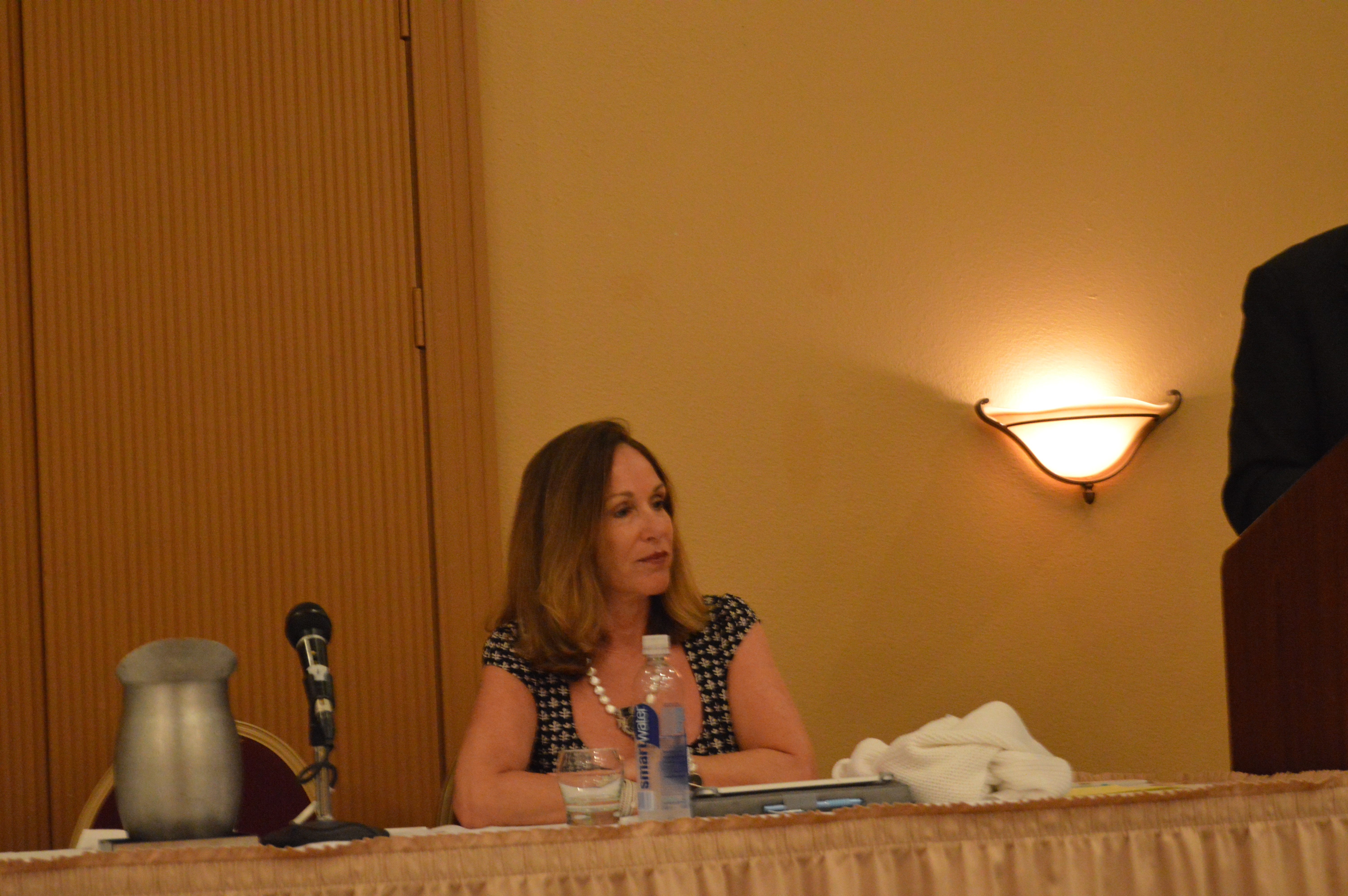
Mary Barley

Mary Barley

For some great amazing reason there are many of us that walk around with our water issues in our head. All day long. In our dreams. It’s what we think about when we are driving the car and when we wake up in the morning. It’s what has brought us together. The overwhelming need to fix this.

Way before we were doing this Mary Barley was on the case.

https://en.wikipedia.org/wiki/Fairy_godmother

Fairy Godmothers are magically-gifted women who monitor magical forces across the kingdoms. Whenever events are right for a fairy tale to recur, the relevant Fairy Godmother steps in to make sure that the tale in question runs its course with as few fatalities as possible.

Mary Barley has been watching out for our clean water for a long time. She has fought the dragons. She has the vision of the Everglades, of clean water, of no more discharges.

http://www.upperkeysfoundation.org/advisory-board/mary-barley/

Having served as Chairperson of The Everglades Foundation since her husband’s untimely death in 1995 in a plane crash while on Everglades business, Mary Barley currently serves as vice chairperson of the Foundation. She is also President of The Everglades Trust, and serves on the Boards of the National Coalition for Marine Conservation, World Wildlife Fund Marine Leadership Committee, Atlantic Salmon Federation (U.S.), and the Sierra Club Foundation.

In her fight for Everglades restoration and taxpayer equity, Mary has crisscrossed not only the State of Florida but the nation, to bring the plight of America’s Everglades to the public’s attention.

As one of the nation’s preeminent Everglades conservationists, Mary spearheaded the passage of two Everglades protection amendments to the Florida Constitution.

http://www.csmonitor.com/The-Culture/2008/1105/mary-barley-crusades-behind-the-scenes-for-the-everglades

For more than a decade, Barley has waged a campaign to save the Everglades, one unprecedented for engaging all the region’s power players (some of them grudgingly, to be sure) to work for real change across a collapsing ecosystem. A self-described “environmental rabblerouser,” Barley is a millionaire widow who took up her husband’s cause after his death in a 1995 plane crash that occurred as he was on his way to meet with the US Army Corps of Engineers about the Everglades.

The next year Barley faced off with the region’s potent sugar industry herself, helping win a state constitutional amendment requiring polluters to bear the brunt of cleanup costs. In 2000, she was there when President Clinton committed to an $8 billion restoration effort.

The Everglades Foundation

The Everglades Foundation was formed by a group of outdoor enthusiasts, environmentalists and residents of Florida who were concerned over the decline of the Everglades and the resulting damage in the nearby natural and protected areas such as Florida Bay. The original founding members, George Barley, a wealthy Orlando developer, and billionaire Paul Tudor Jones II, spearheaded the organization’s growth, and shared the same concern over the steady decline of the environmental balance in this unique and delicate ecosystem, due to poor water management and pollution.[2]

The Foundation was created and founded in 1993, and is currently operated as a not-for-profit 501(c)(3) charitable organization. This organization is supported by noteworthy performers, professional athletes, and business persons. Included in the list is Jimmy Buffett and golfer Jack Nicklaus.

George Barely unfortunately died in an airplane crash on the way to meet to acoe.

http://www.nytimes.com/1995/06/25/obituaries/george-barley-61-everglades-protector.html

Published: June 25, 1995

MIAMI, June 24— George McKim Barley Jr., a real estate developer and leader of efforts to preserve the Everglades, died on Friday morning in a plane crash near his home in Orlando, Fla. He was 61.

Mr. Barley, Florida’s leading opponent of price supports for the sugar industry, was on his way to Jacksonville to meet with the Army Corps of Engineers to discuss the restoration of the Everglades when his chartered twin-engine Beechcraft 58 went down. The Federal Aviation Administration said engine failure might have caused the crash.

Mr. Barley was widely known for his statewide campaign to levy a penny-a-pound tax on Florida sugar to help pay for pollution damage to the Everglades.

Mr. Barley, who was born in Jacksonville and graduated from Harvard University in 1956, founded George Barley Inc., a real estate brokerage and consulting company, in 1961.

Mr. Barley is survived by his wife, Mary, and three daughters, Lauren, Catherine and Mary, also of Orlando, and five grandchildren.

http://articles.orlandosentinel.com/1995-11-21/news/9511200586_1_air-orlando-beechcraft-baron-barley

Mary Barley is the President of the Everglades Trust.

http://eyeonmiami.blogspot.com/2015/06/it-is-time-for-every-state-legislator.html

Mary Barley, president of the Trust whose husband, George was a founding member of the Everglades Foundation, said in a statement: “As toxic algae and pollution threaten our waterways, we draw attention to the hypocrisy of politicians who claim to care about our environment, but instead protect the corporate interests, like Big Sugar, that contribute tens of thousands of dollars to their campaigns.”

http://eyeonmiami.blogspot.com/2011/07/when-did-mike-collins-start-taking.html?m=1

I read somewhere that Mary Barley put a big billboard near Mike Collins house. LOL That is so awesome.

Here is Mary Barley’s video from the Big Sugar Summit.

Thank You Mary Barley for caring about the Everglades and our water and caring about us up in the Treasure Coast!

Then this Happened: Amendment One Lawsuit!

So last week I wrote this

https://cyndi-lenz.com/2015/06/20/stealing-amendment-1-money-should-be-a-crime/

The legislature taketh and then they taketh some more.

https://www.youtube.com/watch?v=_3OdtZ3hdWE

“How do I know the funds will be spent wisely?
Florida’s conservation programs have a great track record of spending these funds wisely. Amendment 1 ensures that funds are used solely for conservation purposes and cannot be used for any other purpose by the Legislature. Using the state’s existing successful programs as a model, objective criteria will continue to determine how funds are spent in order to keep politics out of the process.

Now that Amendment 1 has passed, who will be in charge of the money?
While citizens can dedicate funding for water and land conservation in the state constitution, we cannot appropriate funds via the constitution. Appropriations are solely the Legislature’s responsibility.”

Citizen Amendments explained by the University of California.

http://www.iandrinstitute.org/Florida.htm

“FLORIDA

Florida’s constitution of 1968 allows citizens to amend the constitution by initiative. The initiative provision was first put to use in 1976, when voters adopted an amendment sponsored by Governor Ruben Askew requiring public disclosure of campaign contributions. During the period 1968-2006, voters over 80 percent of initiated amendments, the highest approval rate among active states. Most amendments have been placed on the ballot by the legislature — of the 110 amendments approved through 2006, 22 were initiatives and 88 were legislative measures.

The state legislature and courts have frequently sought to curtail citizen lawmaking. In response to passage of the first initiative in 1976, the legislature approved bills that banned the collection of signatures at polling places, and imposed a 10-cent-per-signature “verification fee” on submitted petitions.

In 2000, environmentalists won a major victory with passage of an initiative mandating creation of a high-speed rail system capable of speeds in excess of 120 miles per hour, and in 2002 voters approved a constitutional amendment guaranteeing a minimum living space for pregnant pigs, an amendment that was ridiculed by some officials as trivializing the constitution. Unhappy with these amendments, in 2003 Governor Jeb Bush vetoed funding for the high speed rail project and in 2004 led a successful initiative campaign to repeal the high-speed amendment. In 2006 the legislature placed an amendment on the ballot requiring a 60 percent affirmative vote to approve initiated constitutional amendments. With the passage of the 60-percent majority amendment, Florida became one of only two states in the nation to require a supermajority for constitutional amendments, and the only initiative state with such a requirement.

In recent years, state courts have been very aggressive enforcing the single subject rule, striking several measures from the ballot after signatures had already been collected.”

Remember the part about the single subject rule.

Our legislature is making is harder and harder for us to have a voice.

muchness

https://www.youtube.com/watch?v=haiF5DOWwRo

Anything to gag us. Because we elected kings, queens, lords apparently they feel like they have no responsibility towards us. Only for their corporate welfare.

Any group of people that have taken away my right to free speech have got to go.

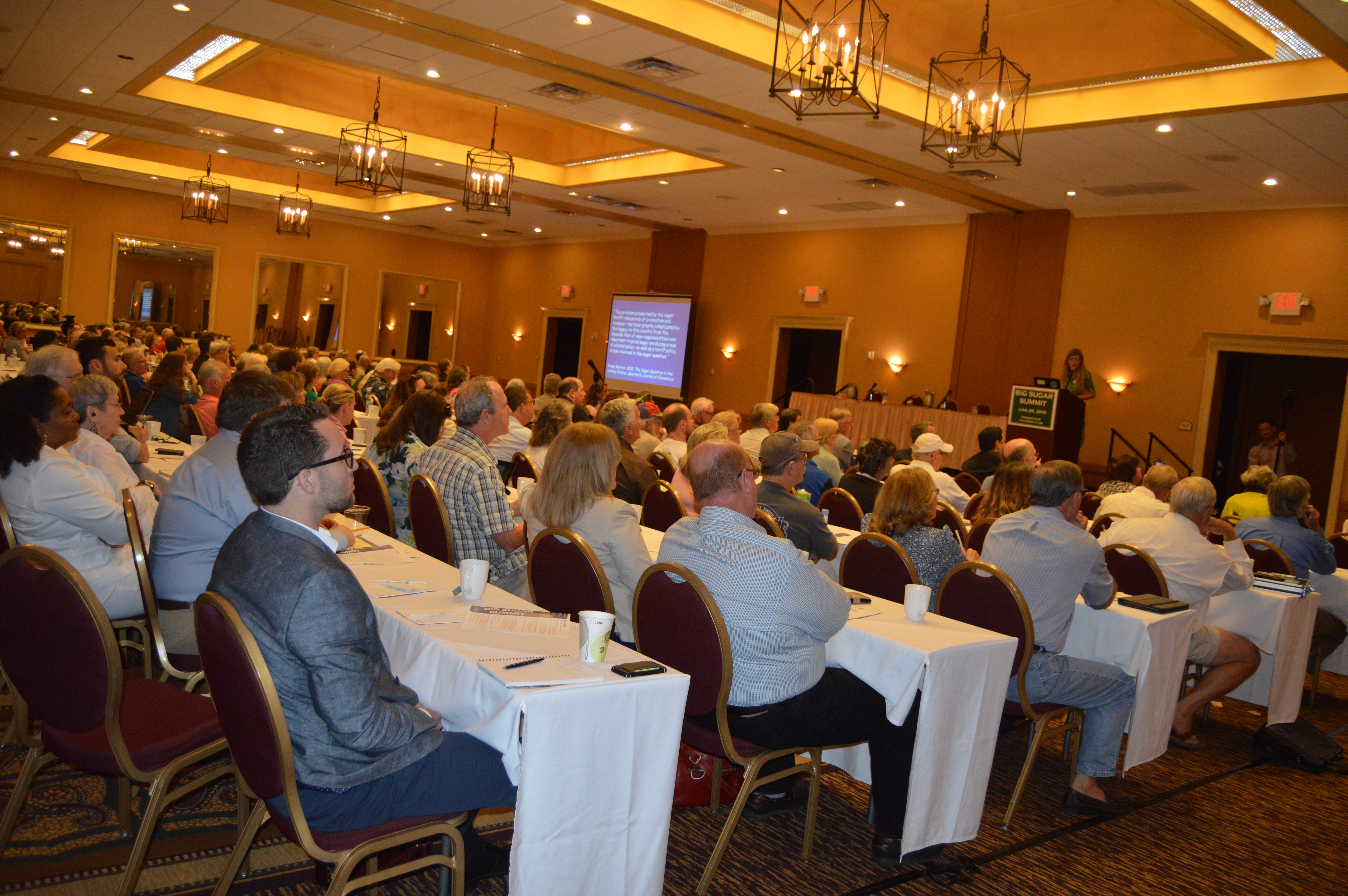
a room full of voters

a room full of voters

My friends worked really hard for amendment one. Then they worked hard begging for land to build reservoir only to have our water management district, our legislatures and rick scott kicked us and our water in the heads.

The legislature are unable to follow directions.

Then today this happened.

http://postonpolitics.blog.palmbeachpost.com/2015/06/22/breaking-enviro-groups-sue-legislature-over-amendment-1-spending/

Three environmental groups filed a lawsuit this afternoon against the Florida legislature, claiming lawmakers misappropriated funds intended for land and water conservation and land purchases to protect the environment.

The 10-page lawsuit was filed by EarthJustice, a non-profit public interest law firm that has represented environmental groups in more than 20-years of lawsuit over restoration of the Everglades. The groups who launched the lawsuit are the Florida Wildlife Federation, St. Johns Riverkeeper, the Environmental Confederation of Southwest Florida and Manley Fuller, president of the Florida Wildlife Federation.

“The constitutional amendment is clear,” said Earthjustice attorney David Guest. “A third of the tax on real estate deals is to be used to prevent every last inch of Florida land from getting chewed up by development. But most lawmakers are simply not listening. That’s why we have to go to court.”

The lawsuit was filed in Leon County Circuit Court in Tallahassee.

I just have one word. YAY!

Here is the brief. It’s like poetry.

http://earthjustice.org/sites/default/files/files/Complaint%20Concerning%20Constitutional%20Challenge%20To%20Statute%20Or%20Ordinance.pdf

This past weekend we got to listen  both David Guest and Manley Fuller.

Who does this stuff? Hero’s do.

So who is David Guest?

http://earthjustice.org/about/staff/david-guest#

Personal Story

As managing attorney for the Earthjustice office in Tallahassee, I have savored waging litigation wars with big corporations and their friends in government agencies. In courtrooms around Florida I have tried environmental cases for almost 30 years. In one way or another, they have been mostly about water. Before development, half of Florida was under water during the wet season and its 1,500 miles of coastline were teeming with life. But its beauty invited its consumption. Millions of acres were drained and converted into agricultural, industrial, and urban developments. As a result, rivers and lakes are being polluted and closed off to the public, ground waters are being depleted by uncontrolled withdrawals from aquifers, and the ecosystems that depend on water are threatened.

Most of my career has focused on going to court to fight for everything that can still be saved. Protecting rivers and lakes has not just required many weeks of bitterly contested trials against big corporations in their hometowns. It has also meant late nights poring over ancient maps, military records, and 150-year-old handwritten diaries. It has meant interviewing hundreds of witnesses in dingy restaurants and motels. (One interview was interrupted while the witness removed a 4-foot Black snake from the living room and chased it out the screen door with a broom.) And it has meant many hot days wading waist-deep in alligator infested rivers, marshes, and swamps, finding relief only with the driving rain of the late afternoon.

In the course of my work for Earthjustice, I have moved to the cities of the phosphate mining district of Southwest Florida for trials long and short. I once moved my whole office to a town of 3,000 on the shore of Lake Okeechobee for a six-week jury trial. And I have spent weeks at a time living out of motel rooms in small coastal towns while trying cases to protect manatees from speeding motor boats, estuary sea life from marina development, and sea turtles from the destruction of their nesting beaches.

My earlier water pollution cases were against the EPA, pulp mills and sugar companies. Now, I have come to realize that water contamination is an increasingly serious public health threat to disempowered people. My new cases are trying to halt the growing number of algae outbreaks in Florida lakes, streams and estuaries that kill wildlife and sicken humans.

Solving the hardest environmental problems by taking on the worst actors head-to-head can change people’s attitudes about what is possible. That’s why I’m with Earthjustice.

and here is a good article about Manly Fuller, President of the Florida Wildlife Federation.

http://www.floridasprings.org/protecting/help/good/citizen_wakulla/

Manley Fuller has a history of speaking out for rivers. First, in 1982, there was the battle over the extent of protections offered by the North Carolina Wilderness Act — he succeeded in getting a tract of wetlands and rare coastal peat forest protected. Then there was the controversy over the proposed dam on the New River along the North Carolina-Virginia border — the dam was never built. Then there was the dam on Alligator River . . . and many others

I’ve been involved in land conservation and battles over wetlands and rivers for twenty years now,” Fuller tells me over the phone, “But this time I wasn’t actively looking for a local conservation issue. This problem I just couldn’t avoid because it was right in front of my face.”

IMG_1732

Here is the video from Saturday.

and this is a clip from our rally last summer.

In 1993, Fuller, who is president of the Florida Wildlife Federation, moved into a small ranch house two miles south of Wakulla Springs State Park. Like others, he was drawn to Wakulla County because it’s still quiet and rural and home to one of the most beautiful spring-fed rivers in the state. Wakulla Springs, however, also lies just eight miles from the sprawling interface of Tallahassee, and most residents knew it was only a matter of time before the developers began knocking at their doors.

Here is his video from the Big Sugar Summit

Our legislators may have lost their muchiness but the people who want clean water still have their humanity and for that I am thankful.

Treasure Coast Business Network

Shop Local. Support Local Business.

cyndi lenz

psych nurse, documentary filmmaker, photographer, crazed river warrior of the Indian River Lagoon.

Rebekah Jones

Disaster management, climate change research, data and stats

Discover WordPress

A daily selection of the best content published on WordPress, collected for you by humans who love to read.

Homes By Laura

Building new custom homes in Sarasota and Manatee County

National Day Calendar

Fun, unusual and forgotten designations on our calendar.

The Life of Zai

Musings of a wanderluster

Flamidwyfe's Blog

Midwifing women all over the world!

Treasure Coast Free Press

Local information with a side of skepticism

Vero Communiqué

In-depth Insight on Important Issues

Dale Sorensen Real Estate

Exclusively Marketing Vero Beach Since 1978

The KC Ingram Show

Tuesdays 5:00 p.m. AM 1450 WSTU

MATTHEW'S ISLAND

"Home of North America's favourite gay lumberjack"

Wobbly Warrior's Blog

Just another WordPress.com site

Celebrating Phil Ochs

This site celebrates Phil Ochs. It acts as an archive of his songs.

Indian River Guardian

Your Community News Magazine