This past weekend my friend Jules and I went to visit STA 5/6. I wanted to see the STA’s. The Board of Governors were all over these places and how fabulous they were. I needed to see for myself. They could not have been talking about this place. Do you think they have even been here?
So this is what I thought I was going to be seeing
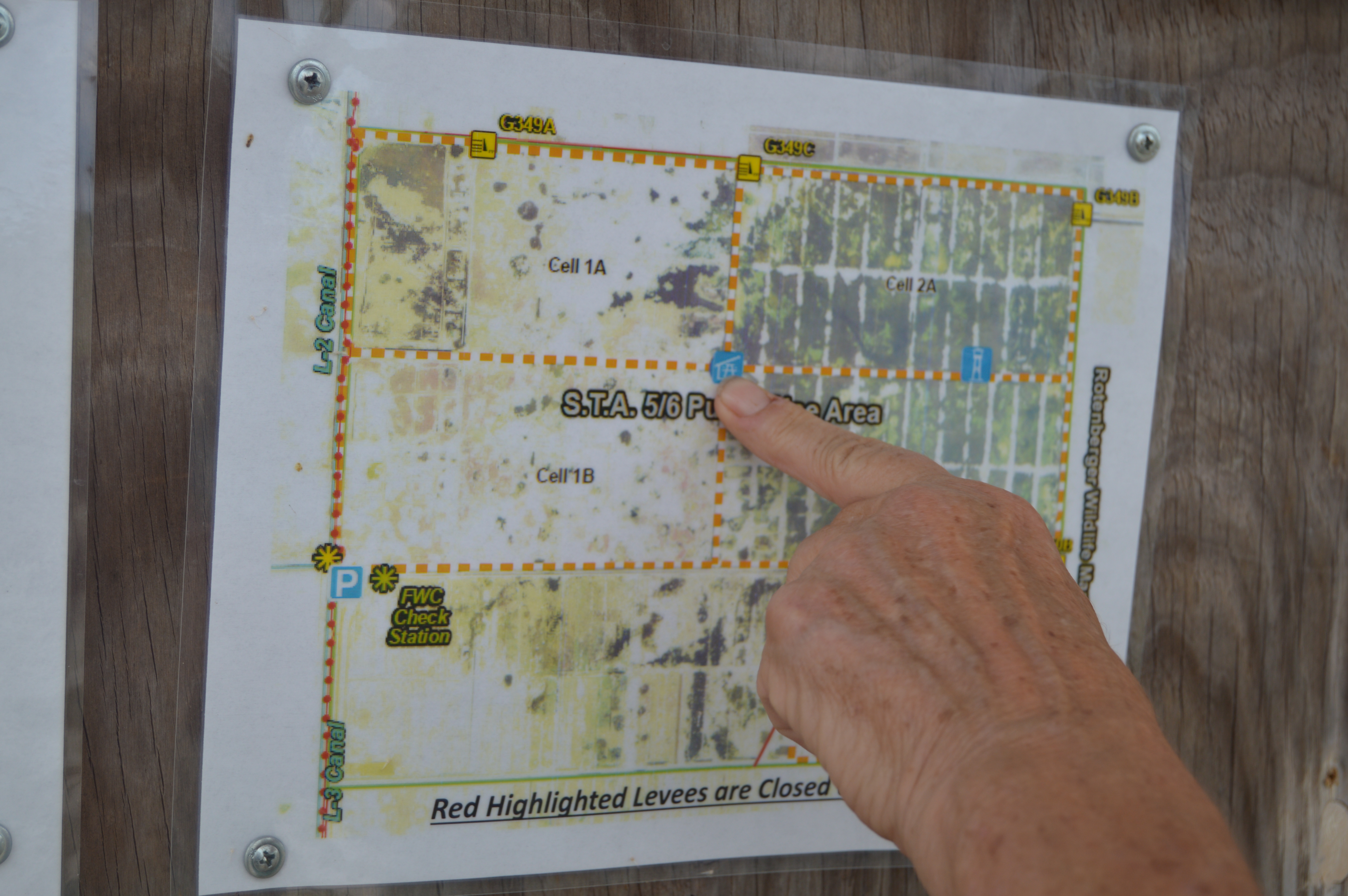
Stormwater Treatment Area 5/6 (STA-5/6)
Stormwater Treatment Areas (STAs) are constructed wetlands designed to aid in Everglades restoration. STAs remove phosphorus from runoff water by channeling it through shallow marshes filled with aquatic plants such as cattail, southern naiad and algae. These plants take up or absorb phosphorus from water traveling through, reducing to very low levels the amount of the nutrients reaching the Everglades or Lake Okeechobee.
STAs provide another bonus – prime home and visiting territory to wildlife including wading birds, ducks and American alligators. A variety of nature-based recreational activities are allowed at several of these wetland locations.
Located on approximately 17,000 acres in eastern Hendry County, Stormwater Treatment Area 5/6 (STA-5/6) has become one of the premier bird-watching areas in Florida through a long-standing partnership with the Hendry-Glades Audubon Society. More than 200 bird species have been spotted at STA-5/6 on the seasonal, guided bird-watching tours offered by the local Audubon chapter. The site is also popular as a waterfowl hunting area managed by the Florida Fish and Wildlife Conservation Commission (FWC).
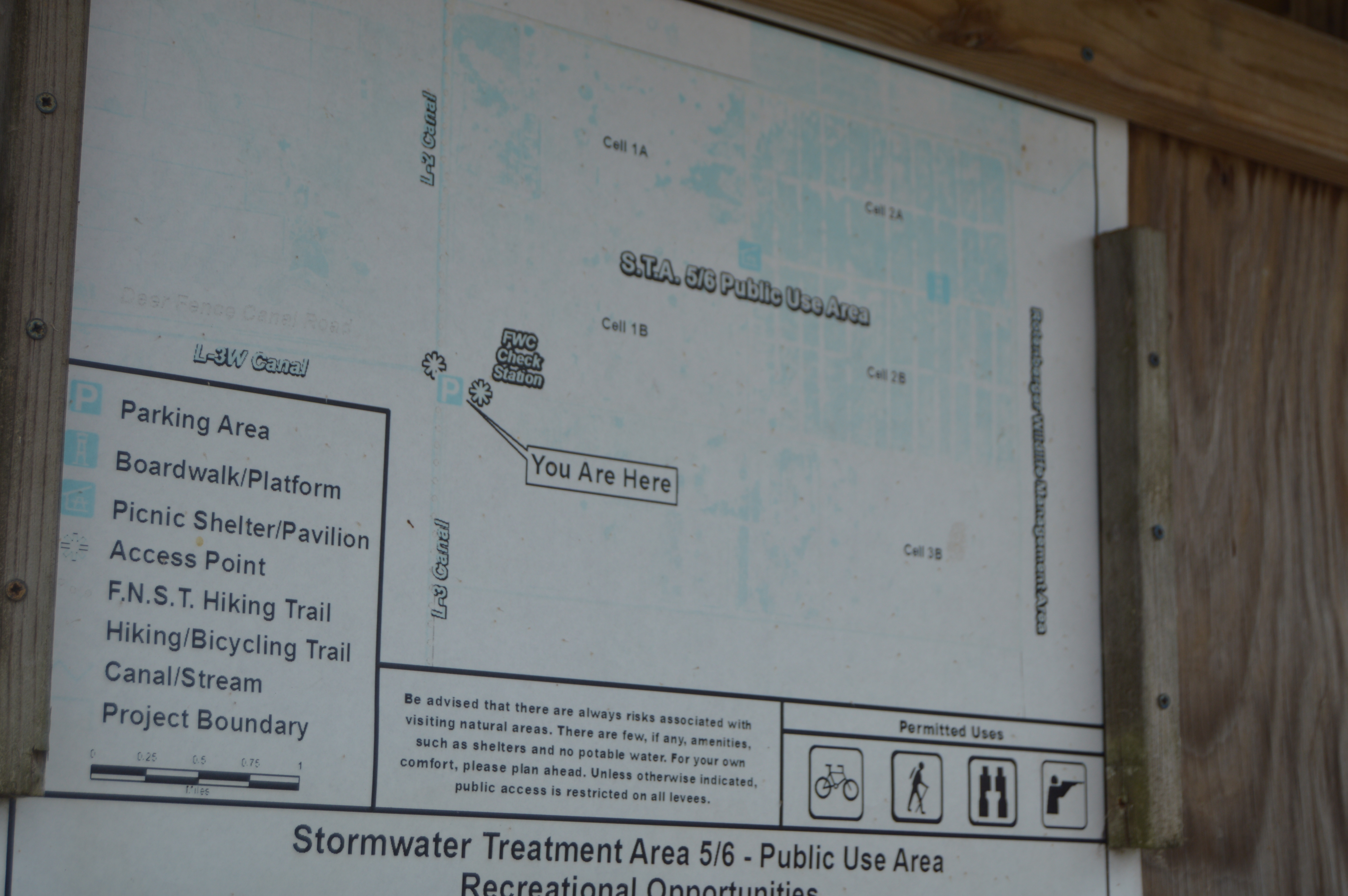
Access to STA-5/6 was expanded in 2013 with a public use area with shell-rocked parking, an informational kiosk,
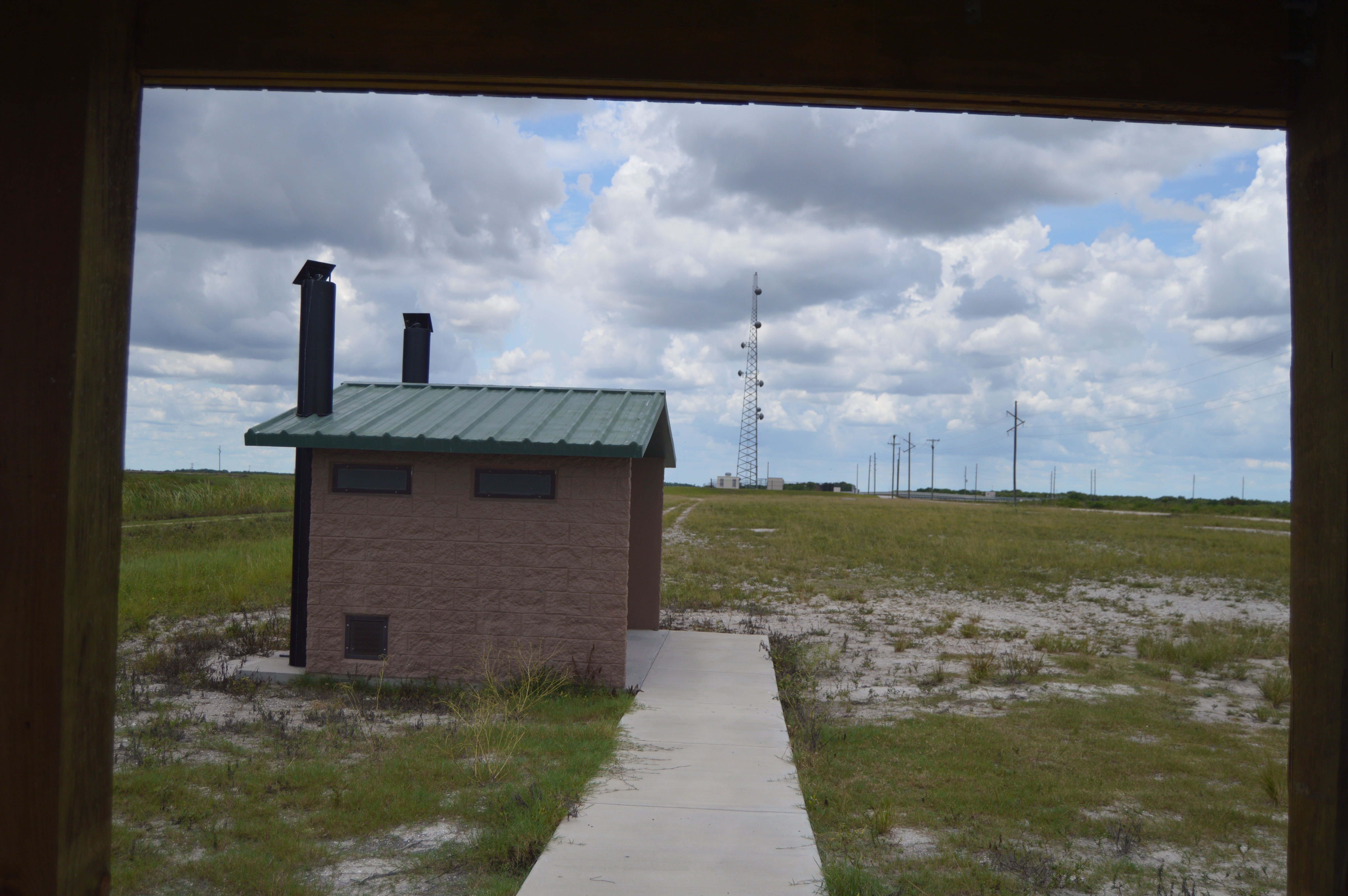
restrooms
Gross inside and filled with spiders.
and a trail that includes a covered shade shelter and a boardwalk. Hiking, bicycling and bird-watching are among the activities visitors can enjoy from the public use area. In addition, a portion of the Florida National Scenic Trail runs along the L-3 levee on the west side of the STA.
The Trip to STA 5/6
The road to STA 5/6
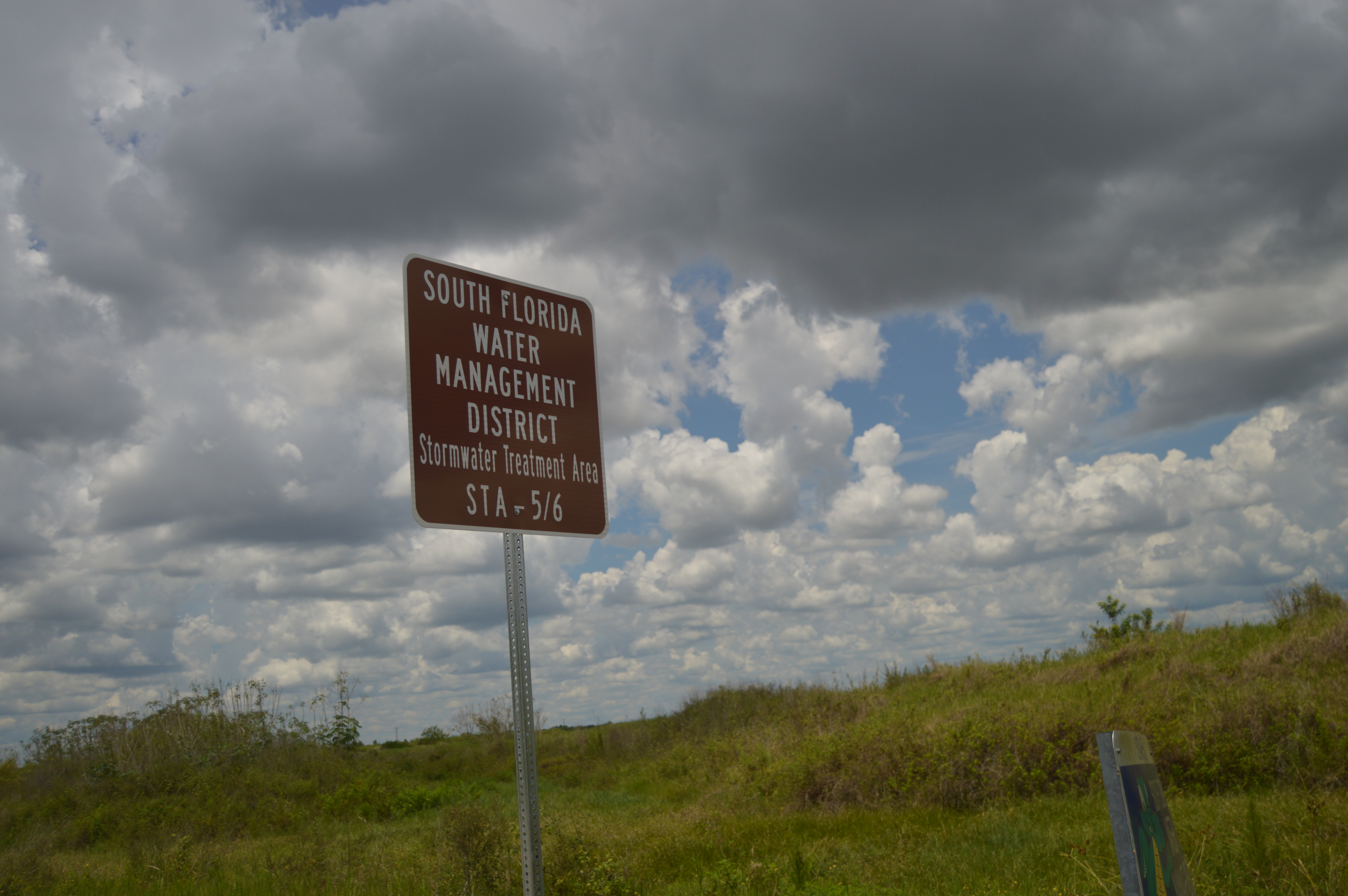
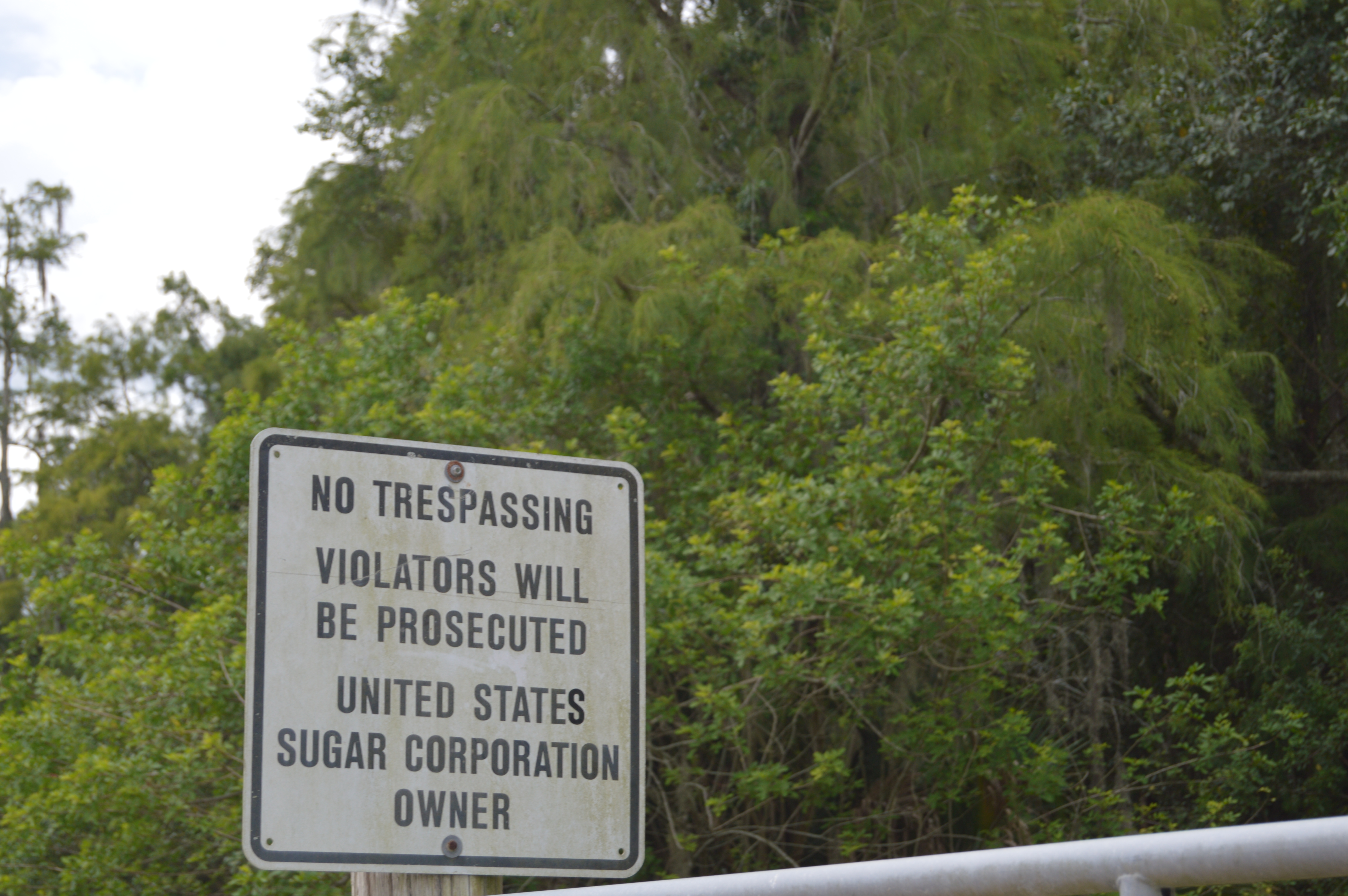
Signage for STA
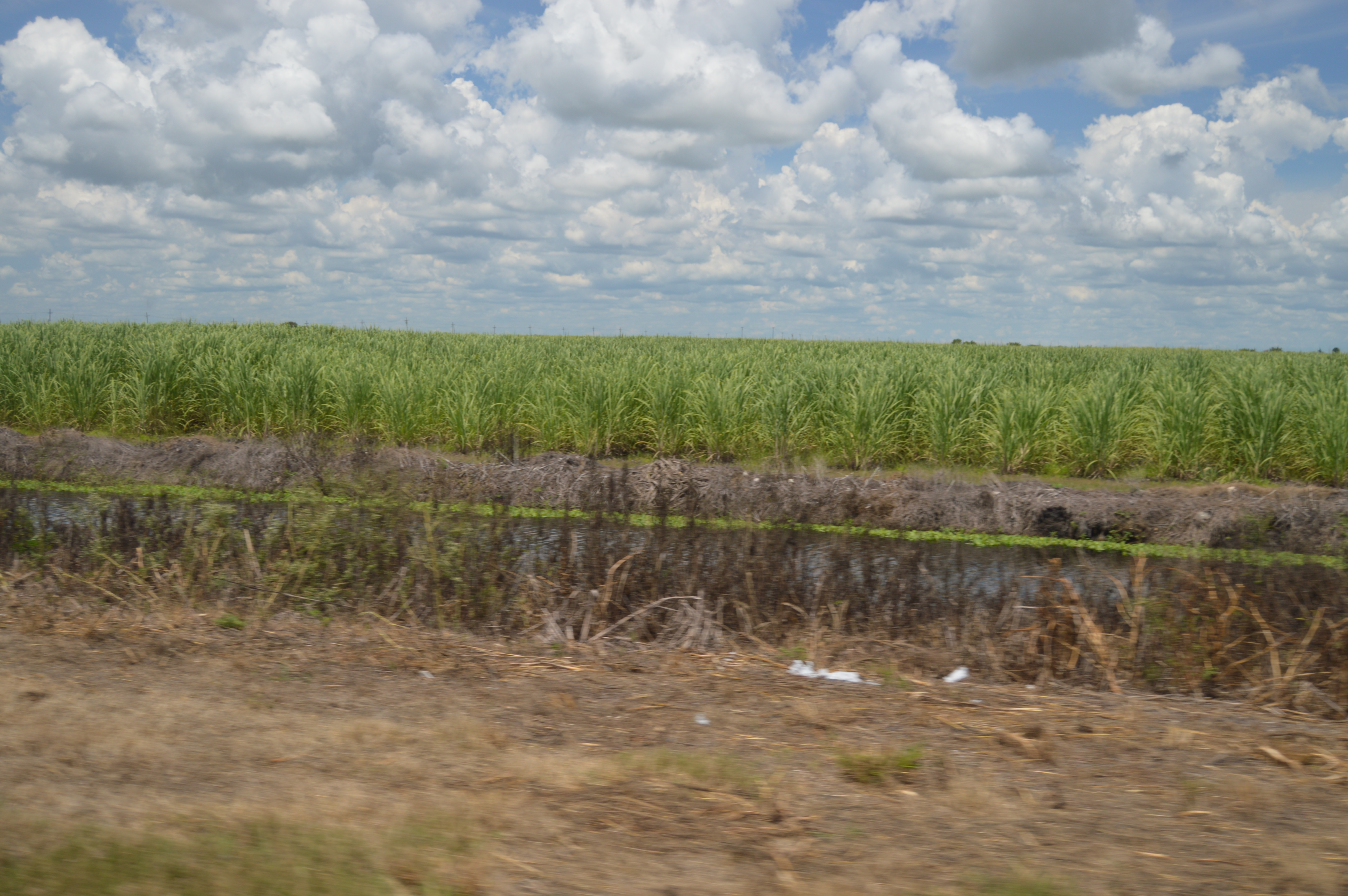
sugar fields in Clewiston. Notice the brown stuff near the water. herbacides?
These are canal on the side of the road filled with vegetation.
and then we got lost
and then we were found.
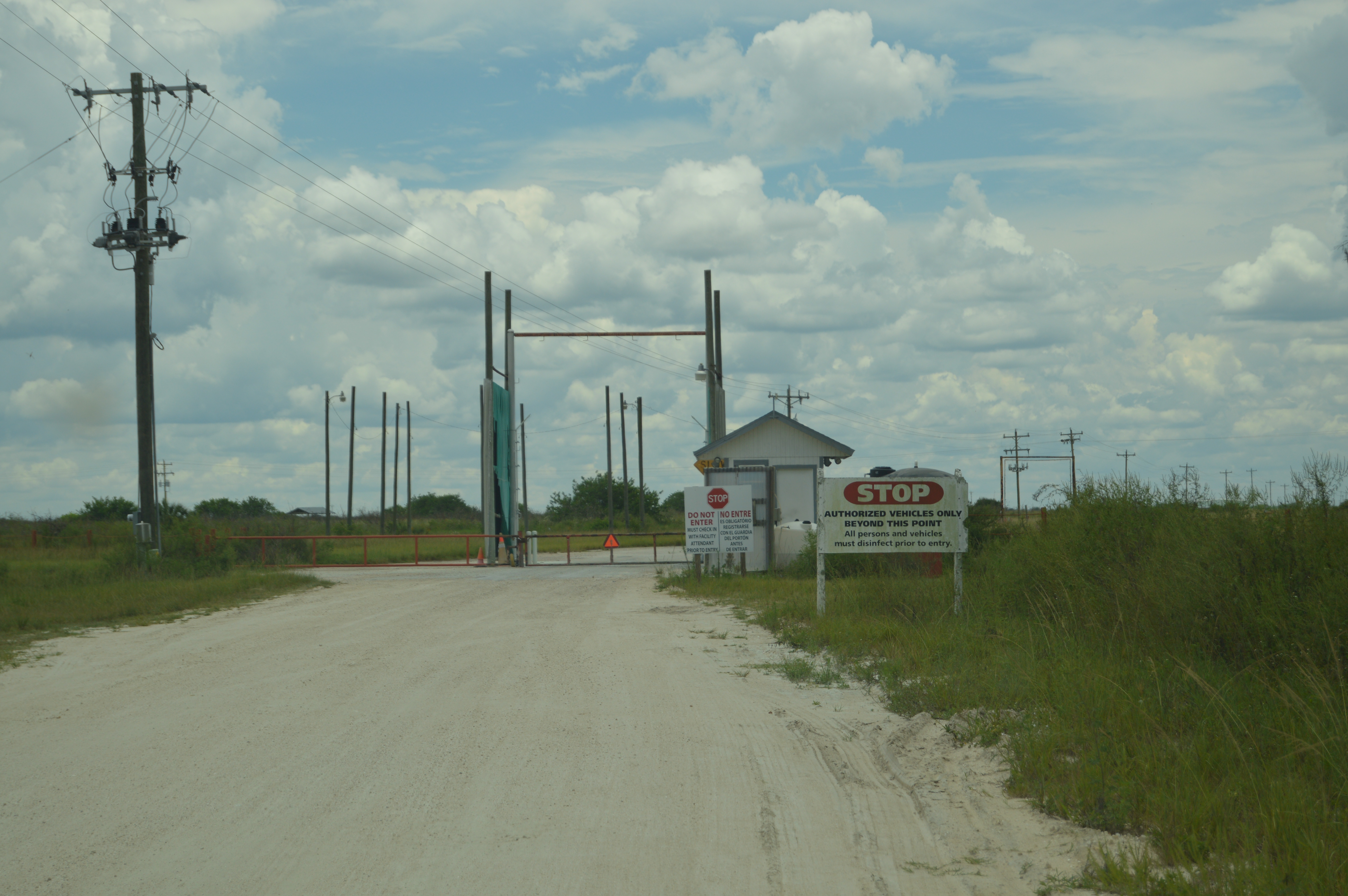
So when you pull onto Deerfence Canal Road the STA is straight ahead and to the right to US Sugar Corp.
Gate for US Sugar Corp
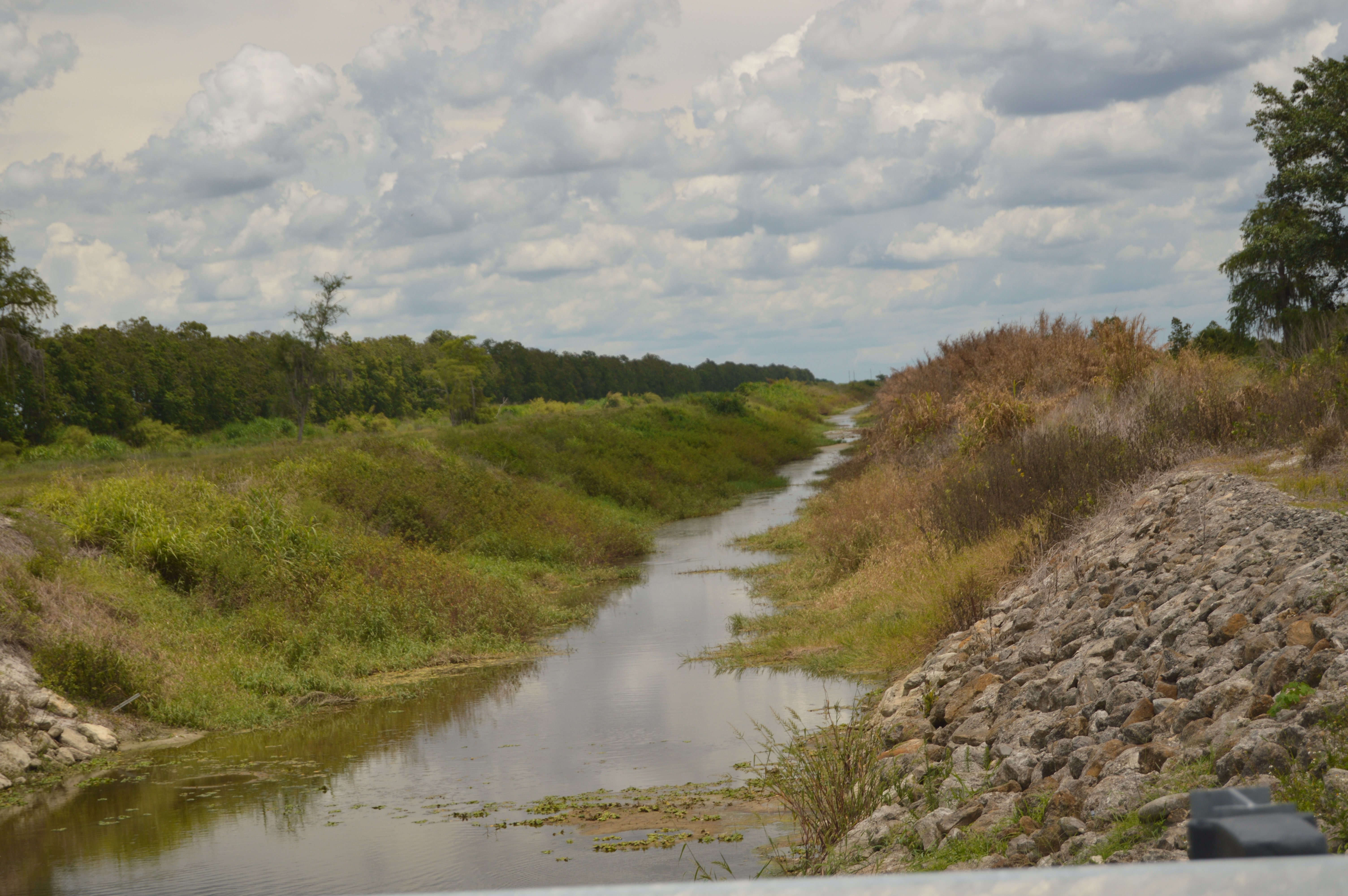
This is the water coming from the west running along side US Sugar Corp
This is the water going towards the STA. Note Brown decayed vegetation on right looks like its bee sprayed with herbacides.
This is the water on the other side of the street going toward the STA
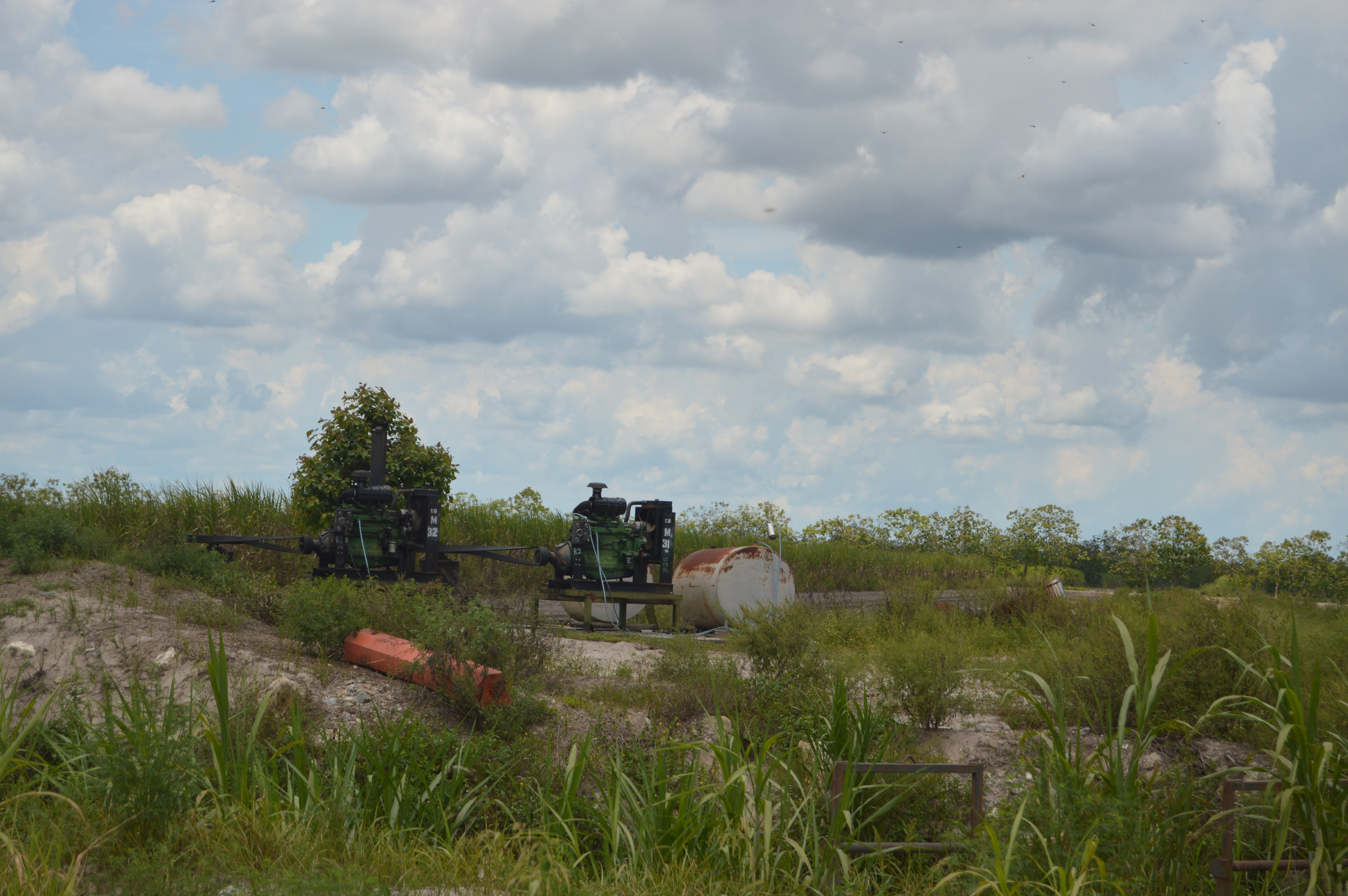
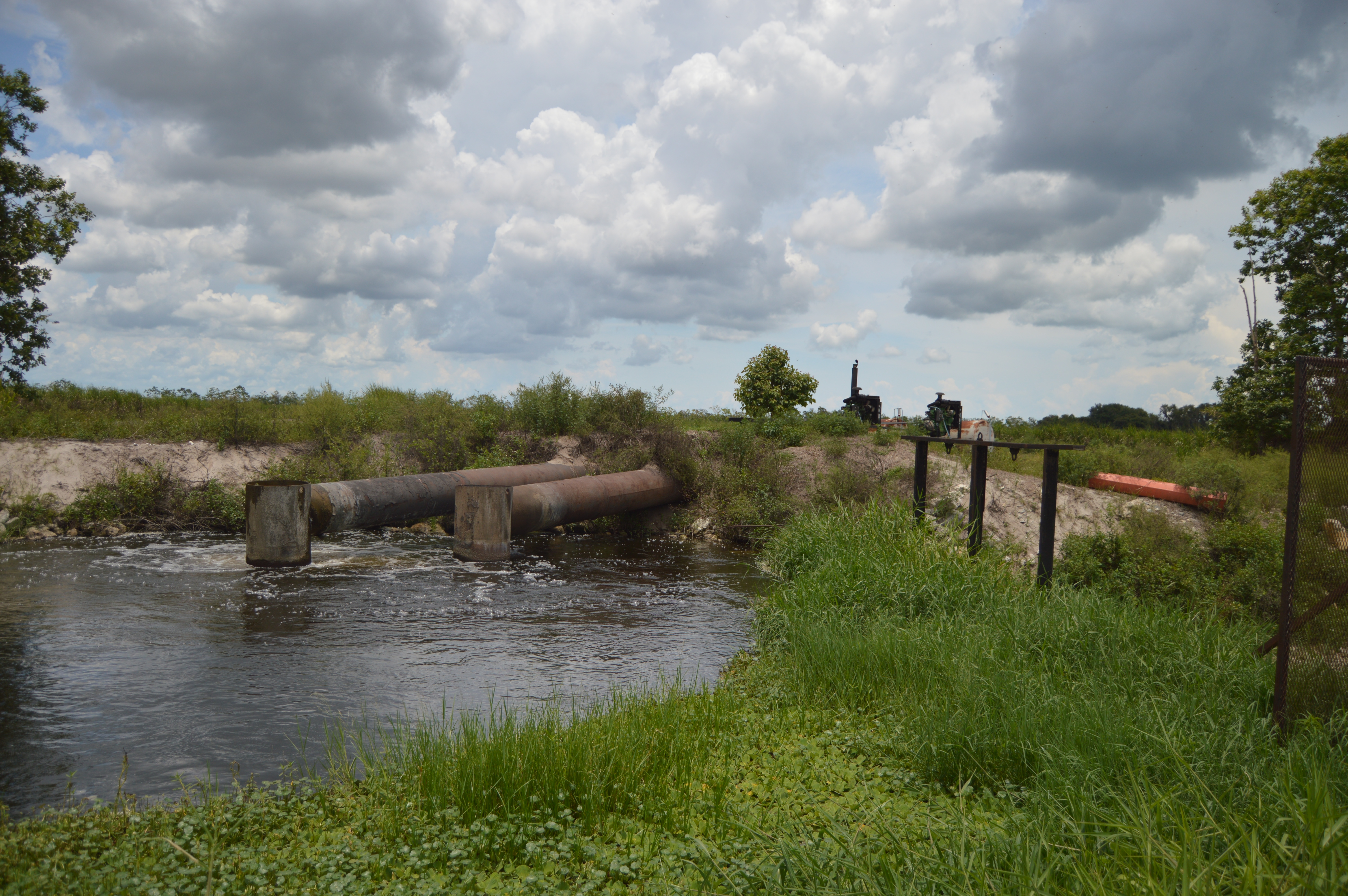
Then we got here. I have no idea what this is or what’s it for.
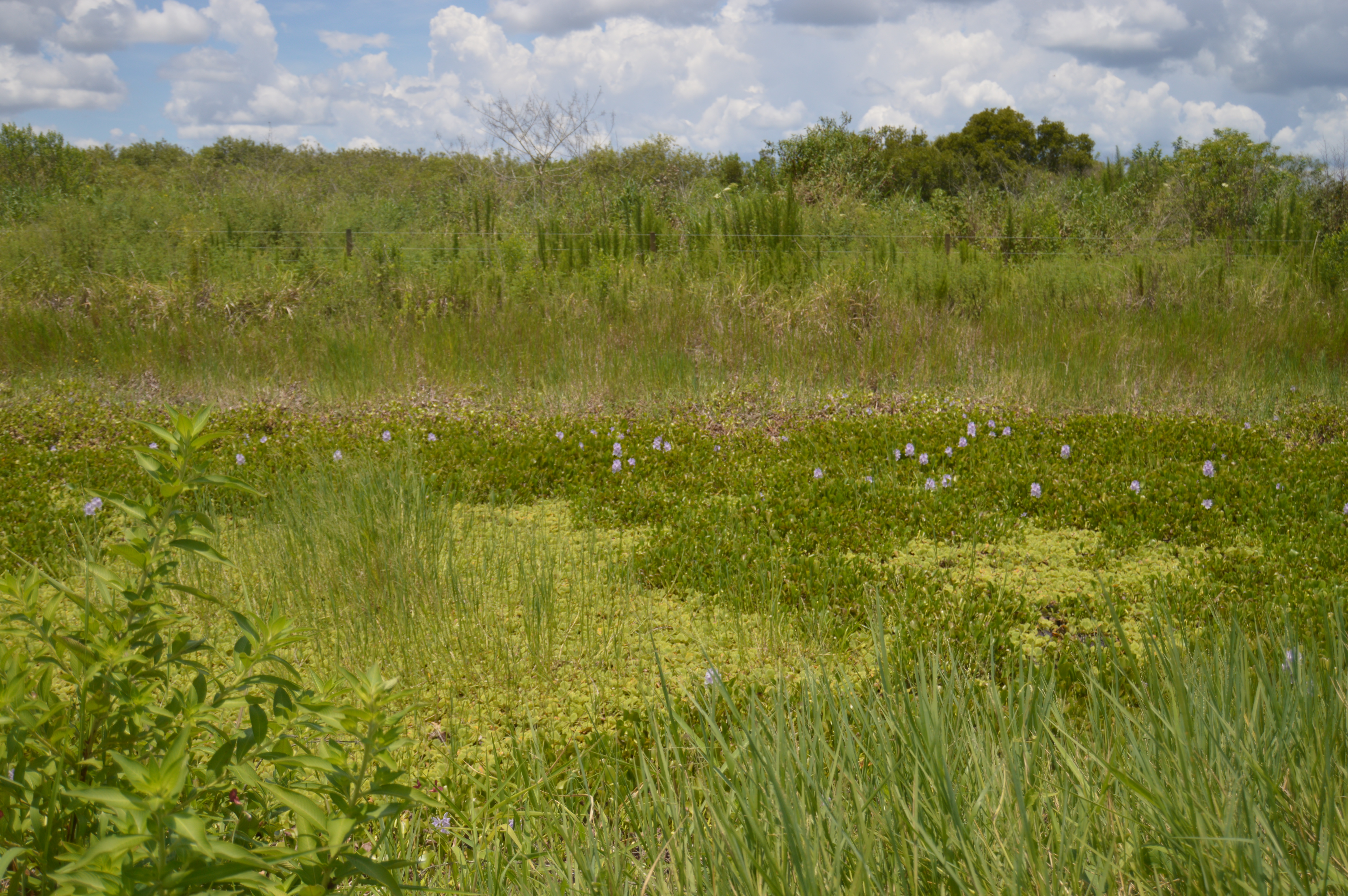
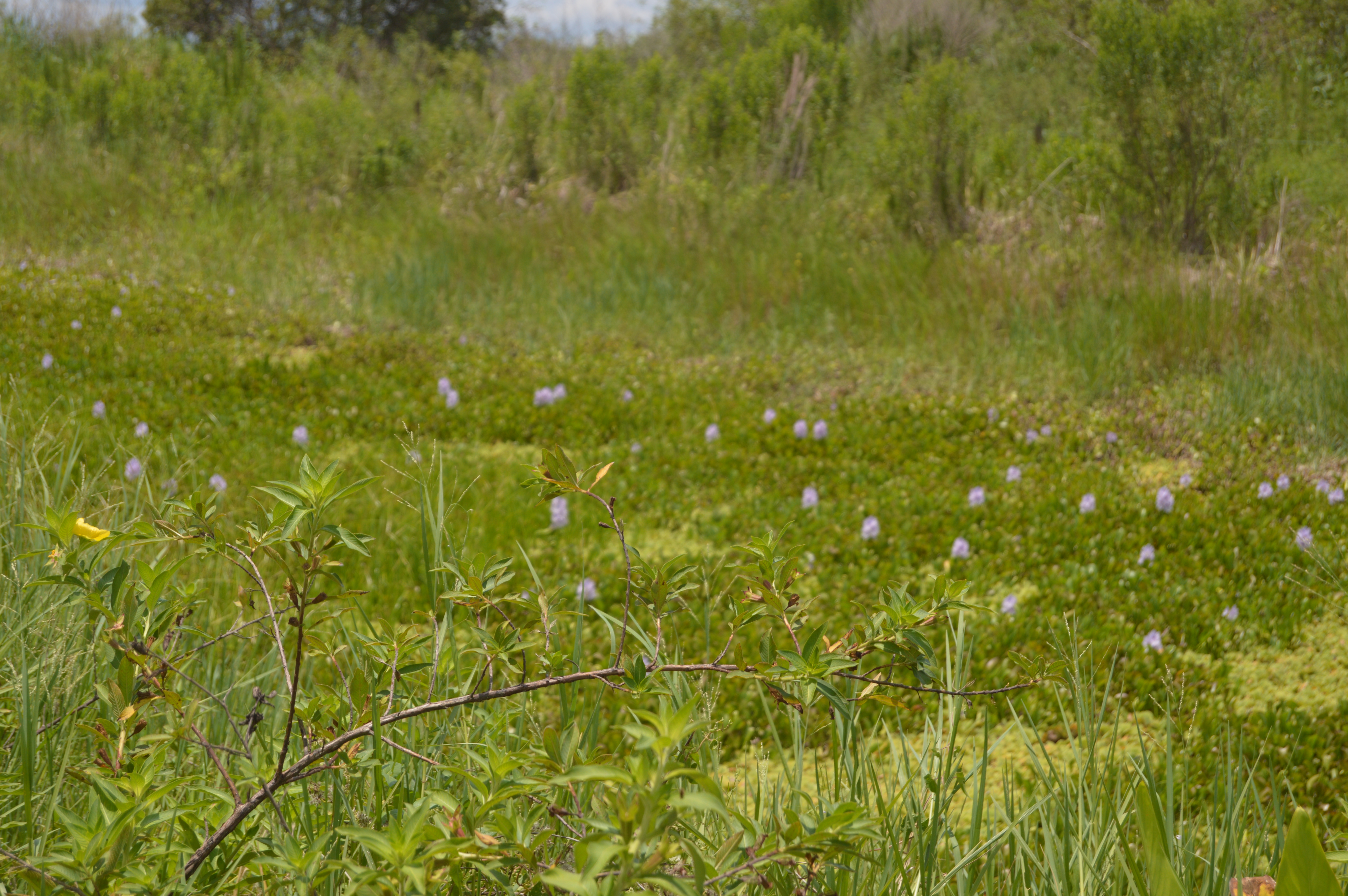
but then after the water looked like this.
Again no judgement I have no idea what I’m looking at
We drove up the the STA’s
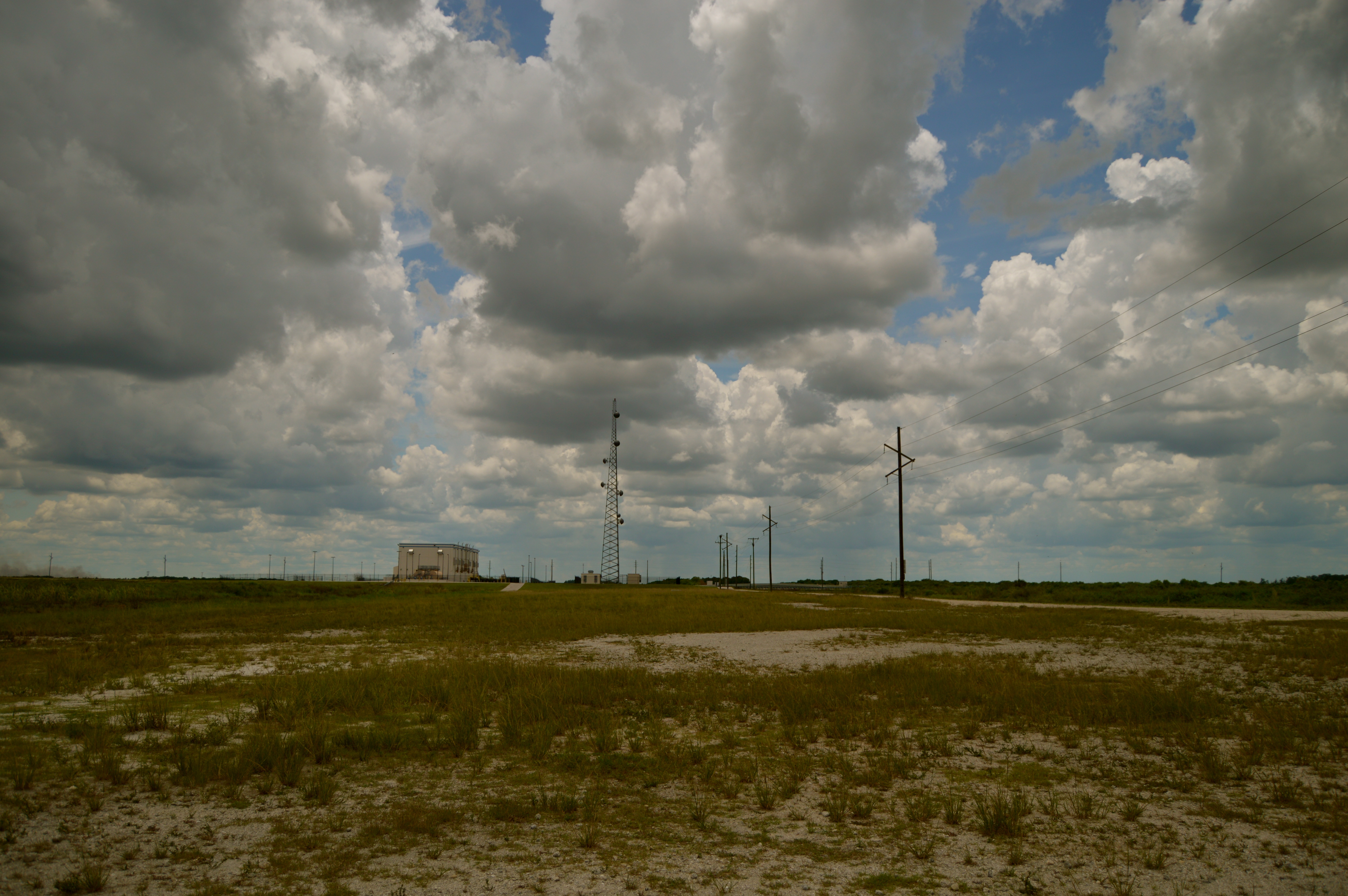
Building at STA 5/6
STA 5
sta 6
sta 5
STA-5 is accessible from the north or south.
From the north: Travel about one mile east of Clewiston on U.S. 27 to C.R. 835, (Evercane Road), or find this intersection about 13.5 miles west of South Bay.Once on C.R. 835 travel south and west about 26 miles to Deerfence Canal Road.
From the south: Use I-75, travel about 25 miles west of U.S. 27 on I-75 turn north at Snake Road exit. Follow this road northward 25 miles to C.R. 835 and turn east three miles to Deerfence Canal Road.Once at Deerfence Canal Road go east one mile to STA-5, cross the bridge and proceed to the east end of the public parking area.
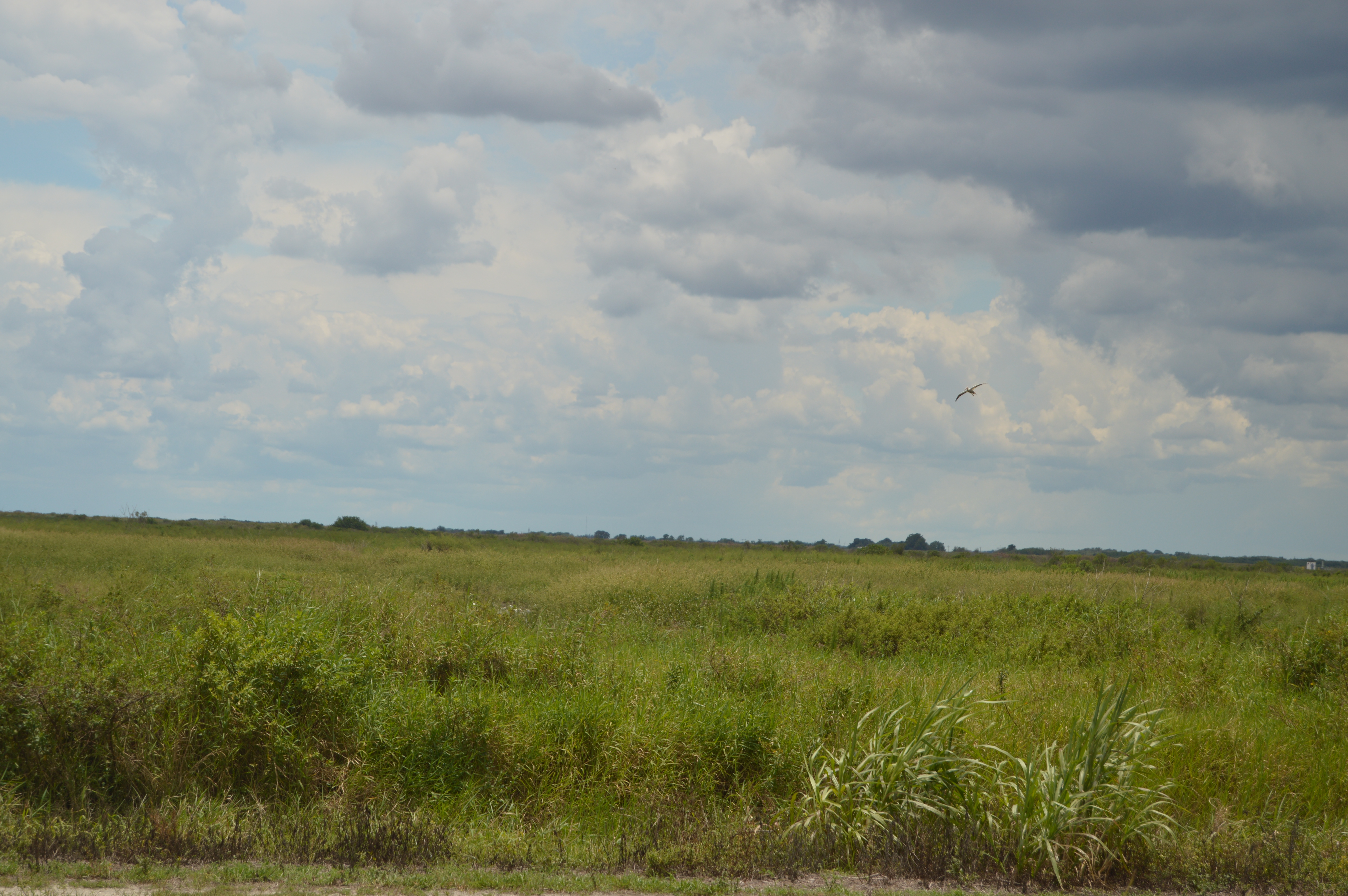
Again. I’m not a hydrologist or geologist but it seems very dry down there. The canals were low. What good fortune for US Sugar Corp to have all this water just next door! Isn’t it? Who needs a reservoir when you have all the water you need right next door. I could definitely see why no one wants to mess with this.
I’d definitely bring my own potty! and don’t forget to stop by the US Sugar Corp guardhouse that sits next to the STA and say hi.
In a few week we’ll be going to the Sugar Summit that is being put together by our great friends, the Florida SIerra Club. I thought it was a good time to bone up on who’z who and what’s what.
Please feel free to chime in. Even at sugarcard2 – we want to hear from you!
Yesterday, my friend Jules and I went out to Clewiston. The headquarters for US Sugar Corporation resides there.
They call themselves ” America’s Sweetest Town.” Maybe sweet in sugar but not sweet people. The last time I went out there was to shoot “The Sugarland Rally”
The Sugarland Rally was a really sincere effort to bring people together to discuss our water issues together. Lead by our friend Justin Riney. This was their message.
An open letter to Florida residents from The Sugarland Rally Committee:
Dear Florida,
Please read these important details regarding a bicoastal rally we have planned for September 1st on Lake Okeechobee. There are multiple organizations involved in planning this event, and we need your help immediately to get the word out.
The Sugarland Rally will unite the east and west coasts of Florida in a peaceful, historic demonstration to speak out against the pollution of our estuaries from Lake Okeechobee discharges. We support both immediate and long-term solutions, but ecosystems and communities along the St. Lucie and Caloosahatchee Estuaries are in crisis. We cannot afford to wait for ecological and economic collapse. We urge all stakeholders–especially local, state and federal governments–to act immediately.
We chose Clewiston as a central location to unify east and west at Lake Okeechobee, the source that is polluting our estuaries, and because we believe Florida’s sugar industry can be part of the solution. Please don’t misinterpret our intentions–we are NOT holding a rally at Clewiston to protest or point fingers at “Big Sugar.” It’s quite the opposite, actually. We invite Florida’s powerful sugar industry to join us in crafting an immediate solution to the ecological and economic crisis caused by discharges from Lake Okeechobee. Here’s a golden opportunity to earn the respect, loyalty, and trust of Floridians for generations to come–to squash the stereotypes–by standing with the people in support of a solution. Without the healthy longevity of Florida’s land and water, we’re all out of business. Our children and grandchildren are out of business. We invite Florida’s sugar industry to stand with us in support of preserving the wonderful land and water that keeps us all in business. We must think longer term, we must think sustainably, and the time to act is now.
Our message is a peaceful one to emphasize a powerful sense of unity needed among ALL Floridians, and to urge local, state, and federal governments to act immediately to stop the pollution of our estuaries from Lake Okeechobee discharges. We are all entitled to healthy land and water, and it is our responsibility as citizens, working with our government, to preserve these treasured assets and ensure their longevity for generations to come. Let’s all unite as Floridians in support of both immediate and long-term solutions. The Sugarland Rally will be a peaceful demonstration that we can all be proud of.
Join The Sugarland Rally conversation on the event page at http://www.bit.ly/sugarlandrally, and please share this post with as many concerned Floridians as possible. This is a call to action, and we need your help.
Respectfully,
The Sugarland Rally Committee
This was a rally to have a discussion to pull us all together. US= east coast, west coast, and the people of Clewiston. For us it was to make sure we respect the people that live in the south of the lake and make sure they are safe. Human being stuff. Community stuff.
Here is the video I shot. As you can see at the beginning we were quit stoked to be there.
After the rally we went on the invitation of the Mayor to the Roland Martin Marina for some food. When we got there they refused to serve us. Every person in the room stared us down and honestly if they had guns they would have shot us down.
We went next door where I met up with friends Bob and Lisa Riney (parents of justin) and ate lunch and my friends did end up getting a few drinks because Mayor Roland showed up.
Mind you, I’m the video girl, who’s only job was to document the event. And I was starving, hot, tired. So so much for Southern Hospitality. So much for olive branches.
Afterwards in the Clewiston New’s more hate came from the people who were quite verbal, quite nasty and totally unwilling to listen to any kind of reason.
To this day, I still believe in the mission of the Sugarland rally and our extended Olive Branch.
I can’t tell you why. I’m not a psychic. I can only tell you what happened.
In spit of that, I still worry about the people who live there and how much work is being done on the dike and always hope they will be safe.
When we went out yesterday I even wore my Marshall Tucker Band T shirt. I mean who would shoot a video girl with a Marshall Tucker Band Shirt? (Really didn’t stay there long enough to find out)
This stop BTW just a pit stop on our way to STA 5/6.
Robert Coker is Senior Vice President, Public Affairs, of United States Sugar Corporation. He is responsible for managing the company’s federal, state and local government affairs department and the company’s corporate and charitable giving programs encompassing numerous community and employee-relations activities. As a member of senior management, Coker also actively participates in corporate matters involving real estate, environmental regulation, budgeting and allocation of capital.
He is a former Chairman of the Board of Regents for Leadership Florida. He serves on the board of directors for the Florida Sugar Cane League, the Board of Trustees of BIZ-PAC of Palm Beach County and is a member of the Board of Governors for the Florida Chamber of Commerce. He is a member of the Board of Trustees and serves on the Executive Committee of Florida Taxwatch.
Malcolm “Bubba” Wade
Sugar execs, w/ Gaston Cantens of Florida Crystals and Robert Coker of US Sugar, just huddled in back room of #IndianRiverLagoon hearing.
Malcolm S. Wade, Jr. is Senior Vice President, Corporate Strategy and Business Development of United States Sugar Corporation. He has been employed by the Company for more than 27 years and has been a member of the senior management team for over 20 years. Wade, a certified public accountant, joined the company as Director of Internal Audit in 1982 and subsequently was named director, vice president and senior vice president of the Administrative Service Group and is currently senior vice president of sugar operations.
For more than 20 years, Wade has been involved in developing and overseeing the Company’s environmental responsibilities. Through his appointments by two governors and the South Florida Water Management District to working groups on South Florida environmental issues, Wade has helped shape public policy regarding Everglades Restoration.
In March 2005, Governor Bush appointed Wade to a four-year term on the South Florida Water Management District’s Governing Board, a position he resigned in 2008 due to the State’s proposed acquisition of U.S. Sugar.Previously, Wade was a member of the team representing South Florida farmers that spent more than a year negotiating with the Interior and Justice Departments, the State of Florida and the South Florida Water Management District to resolve the legal disputes over Everglades Restoration. He represented farmers on the technical mediation committee that crafted the Technical Mediated Plan for Everglades Restoration, which was adopted by the Florida Legislature in the spring of 1994.
He was appointed by Gov. Lawton Chiles to the Governor’s Commission for a Sustainable South Florida, which worked for four years to establish a consensus plan for Everglades Restoration. The work of the commission became the framework for the Comprehensive Everglades Restoration Plan (CERP) approved by Congress and is currently being implemented throughout south Florida.
Wade’s work on restoration issues continued with his appointment by Gov. Jeb Bush to the Governor’s Commission for the Everglades. He is a past member and co-chair of the South Florida Water Management District Water Resource Advisory Commission (WRAC) as well as a past member and chairman of the Lake Okeechobee Advisory Committee of the WRAC. He is also a past member of the District’s Lower East Coast Water Supply Planning Committee and the Budget Review commission. In addition, Wade served on the South Florida Agricultural Council Water Commission, the Caloosahatchee Water Management Advisory Committee and is a director of the Everglades Agricultural Area Environmental Protection District.
Wade is a Certified Public Accountant and a Certified Internal Auditor. He is a member of the American Institute of Certified Public Accountants, the Florida Institute of Certified Public Accountants and the Institute of Internal Auditors.
Judy C. Sanchez is the Senior Director of Corporate Communications and Public Affairs for United States Sugar Corporation. She joined U.S. Sugar in 1994, transferring from its South Bay Growers vegetable division where she worked as a Marketing Specialist.
Mrs. Sanchez attended the University of Florida College of Journalism and Communications and graduated from Florida Atlantic University with a degree in communications. A fourth generation farmer, she has spent most of her life in and around the sugar cane industry, both in Florida and Louisiana. She currently serves on the board of directors for the Western Palm Beach County Farm Bureau, Childcare of Southwest Florida, and the Agricultural Institute of Florida.
She lives in Belle Glade, Florida, with her husband and two sons.
Judy follows me on twitter so I hope she reads this. We night not like what Judy does or says but for her boss’s she does a great job! Check out the tweets!
So you know when you call someone on the phone and you talk and talk and then they interrupt and say ” You got the wrong number.” Then your embarrassed and apologize and try to figure out what number should have been called. Sometime’s you just dialed wrong and sometimes you have the wrong number.
Or you go to the wrong house and the kindly people at the door direct you to the correct place. That!
You know human things that we do. Honestly. Politeness. Respect of our fellow human beings. Every day life with our fellow travelers.
So, our good friend of the Indian River Lagoon and awesome blogger Jacqui Thurlow-Lippisch wrote this blog.
“A few months ago when the South Florida Water Management District was ignoring a desperate and pleading public that had come before them begging for the purchase of the US Sugar Option Lands through Amendment 1 monies, to help save the St Lucie River/Indian River Lagoon and Calooshatchee, I drove to West Palm Beach and met with high level officials. They were very nice but it was a frustrating meeting. Basically I asked them, “What are you doing?” “Why are you acting like this?”
The answer?
“Commissioner, you know the power isn’t in our hands anymore anyway…”
“What do you mean?” I inquired.
A conversation around the table ensured:
SFWMD: “Well after the debacle that occurred 2008-2010 with then Governor Charlie Christ, the recession, and the attempted buyout of all of US Sugar’s lands, basically a water district was trying to purchase a corporation…..the Florida Legislature got fed up. So later, in section 373.556 of Florida Statutes, the Florida Legislature made sure the District would never be in a position to do that again….Significant legislative changes have occurred related to water management budgeting with substantial ramification for Water Management District land transactions. In 2013, Senate Bill 1986 provided that certain District land transaction should be subject to the scrutiny of the Legislative Budget Commission. As this bill renewed the authority of the Governor to approve or disapprove the SFWMD budget, as with all water management budgets of the state, we can no longer do things we have done in the past like oversee giant land purchases using the monies from our ad-valorem taxes…There is a lot more to it but that’s the main difference now. You are talking to the wrong people….”
I stood there just staring…..”I didn’t know this gentlemen, so how do you expect the public to know this ? Are you telling me, the SFWMD has no power to purchase those Sugar Lands?”
“I am telling you the legislature is in charge of the budget and we don’t have enough money to buy the lands, and couldn’t without their approval….”
“So why don’t you explain that to the public?” I asked.
Stares….
Long awkward silence….
The reply was more or less: “It’s best not to get involved in such a discussion…..”
I lectured them on the importance of communication and education and said they certainly still have influence even if they say they “do not” …..but this did go over particularly well… the meeting ended. I shook their hands. I felt like an idiot. I drove home.”
Poor Jacqui.
We were the uninvited.
“Shall I tell you who taught you the things you’ve done. The things you’ve said”
So my question is who does that? Why not just say so. Why not just say “Your barking up the wrong tree?”
Frank Jackalone, Senior Organizing Manager, Sierra Club
Mary Barley, President, The Everglades Trust
The History of Big Sugar in the Everglades Agricultural Area
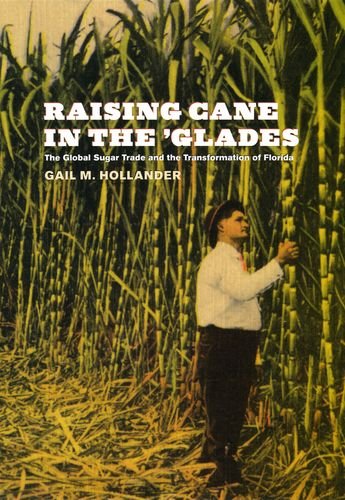
Dr. Gail Hollander, Associate Professor of Geography, Department of Global & Sociocultural Studies, Florida International University, Author, Raising Cane in the Glades: The Global Sugar Trade and the Transformation of Florida
Big Sugar’s Impact on the Everglades/Send it South
Stephen E. Davis III, Ph.D., Wetland Ecologist, The Everglades Foundation
Richard Grosso, Director, Environmental and Land Use
Law Clinic, Shepard Broad Law Center, Nova Southeastern Law Clinic, Shepard Broad Law Center, Nova Southeastern
As a nurse I have to be credentialed into order to work. I had to go to school, take my boards, pay for my license. I have to complete continuing education. That’ s just to keep my license. Then in order to be a nurse and have a job I have to do the following.
1. Have my level 2 back ground screening ; get fingerprinted (Florida and FBI) ; always be open to a drug test;
There’s more. There is a big long list of things you have to do even after you go to nursing, take your boards, pass the test, get the license.
Even to be a MRC volunteer you have to do these things.
I also have to have an active CPR certificate.
I don’t have problem a doing any of these things. I would want to the person taking care of me to have to do the same thing. If we had our politicians following the same rules I bet we could get rid of a good amounts of politicians out there.
There are many other employees in health care and other various fields that have to do the same thing. including: Various City Governments AND Water Management Facility Employees. Interesting.
A positive note is if your candidate is in health care or any of these other fields that require either level one or level two then you know they’ve been checked out!
So I wondered what do politicians have to do to run so they can be charge of all the rules and laws that essentially run our lives and I found this.
“To become a politician you would need to major in Deceit, lying, thieving and expenses or bribe taking.”
LOL
But really they don’t have to produce anything. Not even a CPR card.
FBI GUY: If your a politician and your taking money and your voting on matters that affect the people your taking money from you shouldn’t do that. It’s pretty simple.
Florida Bay needs clean water now
 Unless the South Florida Water Management District takes immediate action to restore flows of clean fresh water to the southern Everglades, its governing board and the man who appointed them, Gov. Rick Scott, will go down in history as the people who destroyed South Florida’s coastal fisheries.
Most estuaries in the district’s jurisdiction are on the verge of collapse. By assaulting the St. Lucie and Caloosahatchee rivers with billions of gallons of filthy runoff and depriving Florida Bay of clean fresh water, the district is knowingly destroying many of the iconic waters that make Florida the Fishing Capital of the World.
The discharges out the St. Lucie and Caloosahatchee rivers get the most media attention, since they’re urban waterways and always in the public eye. But what’s going wrong in Florida Bay is also reprehensible and costly, especially in the context of Florida Keys tourism. One of Florida Bay’s most popular and prolific fish species, the spotted sea trout or “speckled trout,” has virtually disappeared. Recent studies confirm what veteran anglers like me witness on the water — a near absence of the second most commonly caught fish in Florida Bay, which also happens to be the state’s most commonly targeted species.
You really have to work hard at destroying an estuary to crash spotted sea trout populations. Female trout spawn as frequently as each full and new moon from March through October, broadcasting hundreds of thousands of eggs into waters where they’ve spawned for millennia.
These offspring can survive in a pretty wide range of salinity levels. However, water that’s too salty causes brown algae blooms that block sunlight from reaching seagrass meadows, killing seagrasses and depriving juve- niles of essential cover. Annual hatches of shrimp and crabs, which provide nutrition for juvenile trout, depend upon spring- and summertime influxes of fresh water as well. Without clean, fresh water mixing in the bay, the little trout and many other species don’t get enough to eat. Extremely salty water also interferes with a juvenile trout’s ability to breathe.
Boating and fishing are two of Florida’s biggest economic engines. So you’d think the state that touts itself as the Fishing Capital of the World would bend over backwards to ensure that its most fertile coastal waters get the right amount of clean water at the right times, to maximize the numbers of fish and other marine life these waters can produce. After all, recreational fish- ing in salt water alone generates at least $7.6 billion, with more than $1 billion of that income generated in Everglades watersheds.
Instead, fishermen like me embrace science-based fisheries management and adhere to catch limits recommended by scientists, only to watch fisheries and the ecosystems they belong to crash because of water mismanagement.
We’re tired of being ignored. Florida Bay needs more fresh water, the same water that’s destroying the St. Lucie and Caloosahatchee. To restore our coastal fisheries, the district needs to expand water storage, clean the water and send it south from Lake Okeechobee to the Everglades and Florida Bay. … Our fisheries are running out of time, our jobs are on the line and our patience has run out.
Capt. Matt Bellinger, Bamboo Charters, Islamorada
One way you can help this weekend is to attend one of these rallies.
Where: 15935 NW US Hwy 441, Alachua, FL 32615
(Parking at Lowes, Sonny’s BBQ, or other nearby lots. This is the stretch of 441 that everyone uses to get to Spring Country!)
The Dolphin Ecology Project is establishing a long-term field research and monitoring program to collect these data and evaluate how dolphins respond to changes in ecosystem health. Throughout the year, Project staff, scientists and volunteers photograph individual dolphins for identification and observe their activities, along with sampling environmental parameters and identifying and measuring the abundance of important dolphin prey species. Over time the Project intends to gain a better understanding about how dolphins utilize the different habitats that comprise the Florida Keys. The Project’s educational goal is to increase public awareness about dolphins and the interrelated nature of the Florida Keys’ habitats and the importance of South Florida ecosystem restoration efforts.
Volunteer to help with this exciting Project! Contact the Volunteer Stewardship Exchange of The Nature Conservancy at 305-289-9060. Become a Dolphin Ecology Project Member. Your contribution will support the ProjectÕs research and education programs, ensuring a sustainable future for humans, dolphins, and the ocean environment.
If you go to the link above there is a membership form link on the left, you can print the form and send it in with your tax deductible contribution.
They also have a nice poster with all the local dolphins on them and their t-shirts are beautiful.
Let’s make sure we support this wonderful project that supports our neighbors, the dolphins of the southern indian river lagoon.
Most of all lets support our good neighbors the dolphins of the southern indian river lagoon.
Who could blame them if this happened?
“So long and thanks for all the fish” from the hitchhikers guide to the galaxy.
Alina Valdes “Left me wanting more. As a candidate, I learned quite a bit. I see why people have said to me that the more I do, the better I will get. I am ready for the next one.”
“The South Florida Water Management District is directed by nine Governing Board members who set policy for the agency. They reside within the agency’s 16-county region and represent a cross section of interests, including the environment, agriculture, local government, recreation and business. Governing Board members are unpaid citizen volunteers appointed by the Governor and confirmed by the Florida Senate. They generally serve four-year terms.
The South Florida Water Management District encompasses two major watershed basins, the Okeechobee Basin and the Big Cypress Basin. The Big Cypress Basin also has a Basin Board, with appointed members setting policy. One Governing Board member also serves as the chair of the Big Cypress Basin Board.
The Governing Board appoints the Executive Director, who directs all South Florida Water Management District activities. The Florida Senate confirms this candidate.”
Glades, Highlands, Okeechobee, Orange, Osceola and Polk counties
Education:
J.D., with honors – University of Florida College of Law
B.S. in Business Administration, Business & Finance – University of Florida
Occupation:
Attorney with Shutts and Bowen LLP
Professional, Business and Service Affiliations:
Board Member, Smart Growth Alliance
Wekiva River System Advisory Management Committee
Member, West Orange Chamber of Commerce
President, West Orange Political Alliance
Former Member, East Central Florida Regional Planning Council
From wikipedia:
“Shutts & Bowen LLP is an Am Law 200 Florida-based law firm with over 240 attorneys in seven offices in the State of Florida and one office in Europe. Shutts & Bowen was founded in 1910. Frank B. Shutts came to Miami in 1909 and became the legal representative of Henry M. Flagler and the Florida East Coast Railway Company. In 1910 he formed a professional association with Henry F. Atkinson. In 1912 Crate D. Bowen joined the firm which settled on the name Shutts and Bowen in 1919. In 1910 Shutts organized the Miami Herald Publishing Company and was its President and principal stockholder.[2] Shutts and Bowen is among the List of largest U.S. law firms by number of lawyers. Its offices are located in the Florida cities of Miami, Fort Lauderdale, West Palm Beach, Orlando, Tampa,[3] and Tallahassee. Its Tallahassee office is headed by Bobby Brantley.[4] According to statistics submitted to American Lawyer, Shutts & Bowen recorded $127.5 million in revenue for the year 2012 with profits per partner averaging $682,000.”
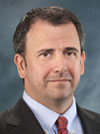
“Daniel O’Keefe, a real estate attorney in the Orlando office of Shutts & Bowen, is the new chairman of the South Florida Water Management District, the state agency that oversees water resources in the Everglades and 16 counties.”
What he wanted to do when he started.
Our runoff from (Orlando’s) Shingle Creek makes it to the Kissimmee chain and Lake Okeechobee, and that’s ultimately got to be cleansed. Storing more on private and public lands during the wet season, rather than just flushing it out — that’s been a successful and effective strategy, paying for that storage instead of just buying more land.
» Two other items also are a focus of mine: An assessment of lands — the district owns something like 1.4 million acres. We really need to take a serious look at that and ask ourselves, ‘Is it serving its purpose?’ If some is not, and we’re just paying to own it, should it be (sold as) surplus? We could take the money and find better ways to use those dollars. And the last thing is water supply. Just how much do we have? From all sources, surface, aquifer and alternatives such as reuse and desal, and what about the next 30 to 40 years? We expect to have a draft water-supply plan by September.
“Recognizing that a healthy ecosystem is vital to a healthy economy, the South Florida Water Management District (SFWMD) is making significant progress on dozens of initiatives and projects to improve water quality and increase storage.
“The most effective way to achieve restoration is by completing the host of projects now being designed or under construction across the region,” said SFWMD Executive Director Blake Guillory. “Major progress is being made, from wildlife returning to the Kissimmee to heavy construction work south of Lake Okeechobee on reservoirs and treatment wetlands that will help protect coastal estuaries and the Everglades.”
Reservoir south of lake Okeechobee? no kidding. do tell!
There are other Daniel O’Keefes.
This one is missing in Australia if you come across him.
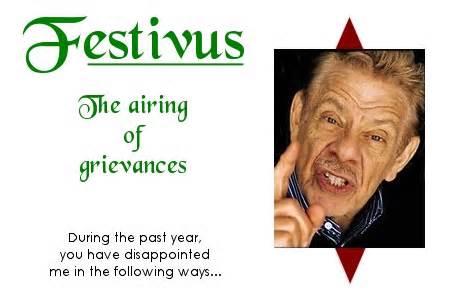
Daniel Lawrence O’Keefe (February 25, 1928 – August 29, 2012) was an editor at Reader’s Digest,[1] author, and the inventor of Festivus, an annual secular holiday now celebrated on December 23.[2] His son, Dan O’Keefe, was a writer for the Seinfeld[3] television show and incorporated the family holiday into an episode of the program,[1] and in 2005 published The Real Festivus.
Why bring this up? Because of Daniel Lawrence O’Keefe we have some great memes for Daniel O’Keefe Chair of the Board of Governors at SFWMD.
check em out.
Need I say more?
well just a little more.
I think Daniel O’Keefe understands our disappointment. My main one is his seeing us as “uneducated” and not taking the time or having respect to sit down and hash this out.
























 cyndi lenz