So you know when you call someone on the phone and you talk and talk and then they interrupt and say ” You got the wrong number.” Then your embarrassed and apologize and try to figure out what number should have been called. Sometime’s you just dialed wrong and sometimes you have the wrong number.
Or you go to the wrong house and the kindly people at the door direct you to the correct place. That!
You know human things that we do. Honestly. Politeness. Respect of our fellow human beings. Every day life with our fellow travelers.
So, our good friend of the Indian River Lagoon and awesome blogger Jacqui Thurlow-Lippisch wrote this blog.
“A few months ago when the South Florida Water Management District was ignoring a desperate and pleading public that had come before them begging for the purchase of the US Sugar Option Lands through Amendment 1 monies, to help save the St Lucie River/Indian River Lagoon and Calooshatchee, I drove to West Palm Beach and met with high level officials. They were very nice but it was a frustrating meeting. Basically I asked them, “What are you doing?” “Why are you acting like this?”
The answer?
“Commissioner, you know the power isn’t in our hands anymore anyway…”
“What do you mean?” I inquired.
A conversation around the table ensured:
SFWMD: “Well after the debacle that occurred 2008-2010 with then Governor Charlie Christ, the recession, and the attempted buyout of all of US Sugar’s lands, basically a water district was trying to purchase a corporation…..the Florida Legislature got fed up. So later, in section 373.556 of Florida Statutes, the Florida Legislature made sure the District would never be in a position to do that again….Significant legislative changes have occurred related to water management budgeting with substantial ramification for Water Management District land transactions. In 2013, Senate Bill 1986 provided that certain District land transaction should be subject to the scrutiny of the Legislative Budget Commission. As this bill renewed the authority of the Governor to approve or disapprove the SFWMD budget, as with all water management budgets of the state, we can no longer do things we have done in the past like oversee giant land purchases using the monies from our ad-valorem taxes…There is a lot more to it but that’s the main difference now. You are talking to the wrong people….”
I stood there just staring…..”I didn’t know this gentlemen, so how do you expect the public to know this ? Are you telling me, the SFWMD has no power to purchase those Sugar Lands?”
“I am telling you the legislature is in charge of the budget and we don’t have enough money to buy the lands, and couldn’t without their approval….”
“So why don’t you explain that to the public?” I asked.
Stares….
Long awkward silence….
The reply was more or less: “It’s best not to get involved in such a discussion…..”
I lectured them on the importance of communication and education and said they certainly still have influence even if they say they “do not” …..but this did go over particularly well… the meeting ended. I shook their hands. I felt like an idiot. I drove home.”
Poor Jacqui.
We were the uninvited.
“Shall I tell you who taught you the things you’ve done. The things you’ve said”
So my question is who does that? Why not just say so. Why not just say “Your barking up the wrong tree?”
Frank Jackalone, Senior Organizing Manager, Sierra Club
Mary Barley, President, The Everglades Trust
The History of Big Sugar in the Everglades Agricultural Area
Dr. Gail Hollander, Associate Professor of Geography, Department of Global & Sociocultural Studies, Florida International University, Author, Raising Cane in the Glades: The Global Sugar Trade and the Transformation of Florida
Big Sugar’s Impact on the Everglades/Send it South
Stephen E. Davis III, Ph.D., Wetland Ecologist, The Everglades Foundation
Richard Grosso, Director, Environmental and Land Use
Law Clinic, Shepard Broad Law Center, Nova Southeastern Law Clinic, Shepard Broad Law Center, Nova Southeastern
If its “our money” we’d like to keep it and not waste it on housing people. We need a real solution. Stop wasting our money on a solution that doesn’t work and hurts people.
“During the 1960s, there were well-intentioned public policies to close most mental health institutions, some of them dens of abuse and neglect, and replace them with community mental health centers, which could dispense medication to people who needed it. But states failed to follow through with either sufficient community mental health centers or funding for treatment.
As a result, many states, including Florida, shifted the burden of dealing with the mentally ill to counties, which lacked appropriate treatment options. Ultimately, jails became the first resort for people whose mental illness contributed to their commission of crimes.
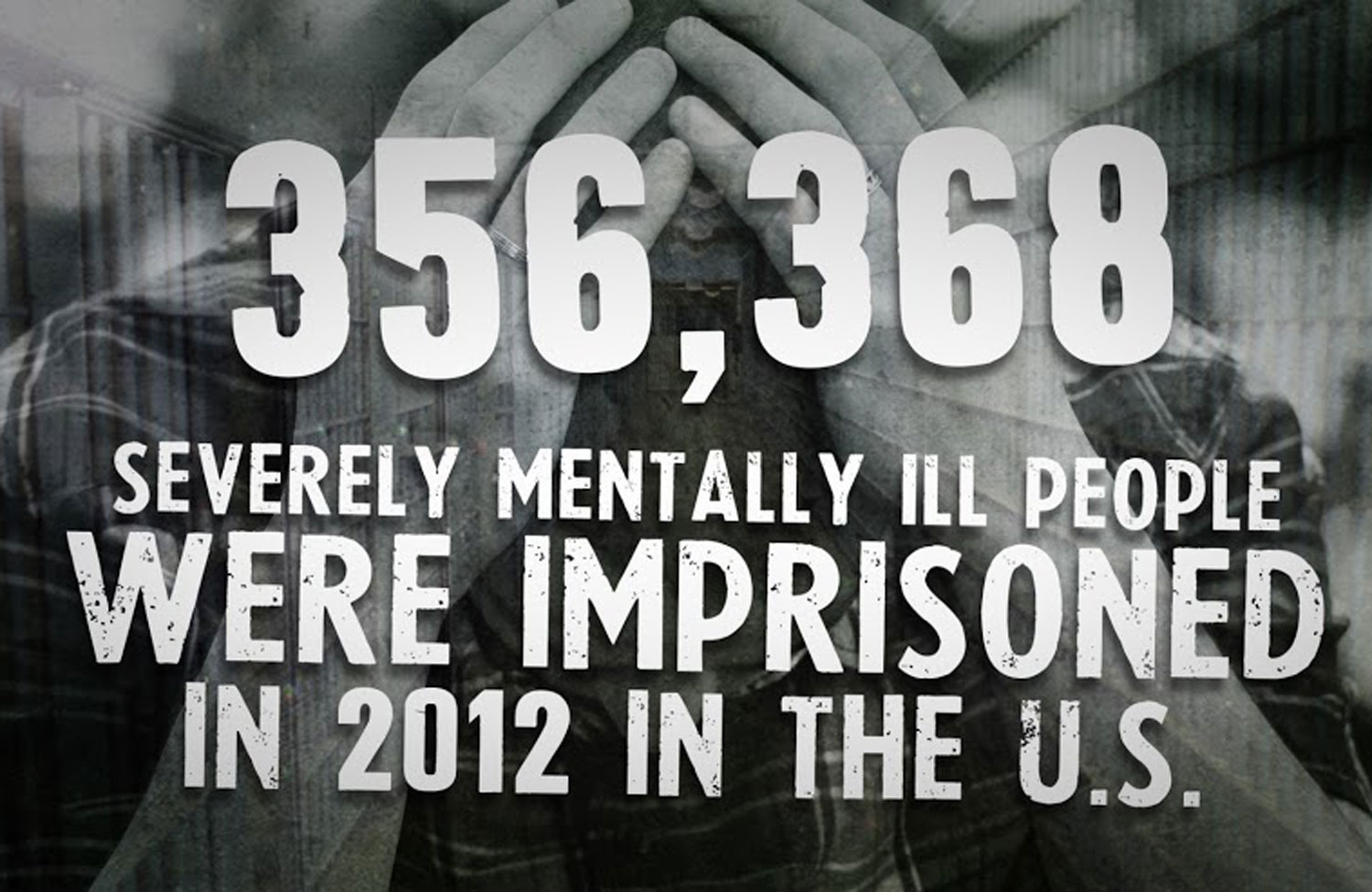
As a result, county jails have become de facto mental institutions at massive costs to taxpayers without resolving long-term problems of the ill, Treasure Coast sheriff’s spokesmen agreed.
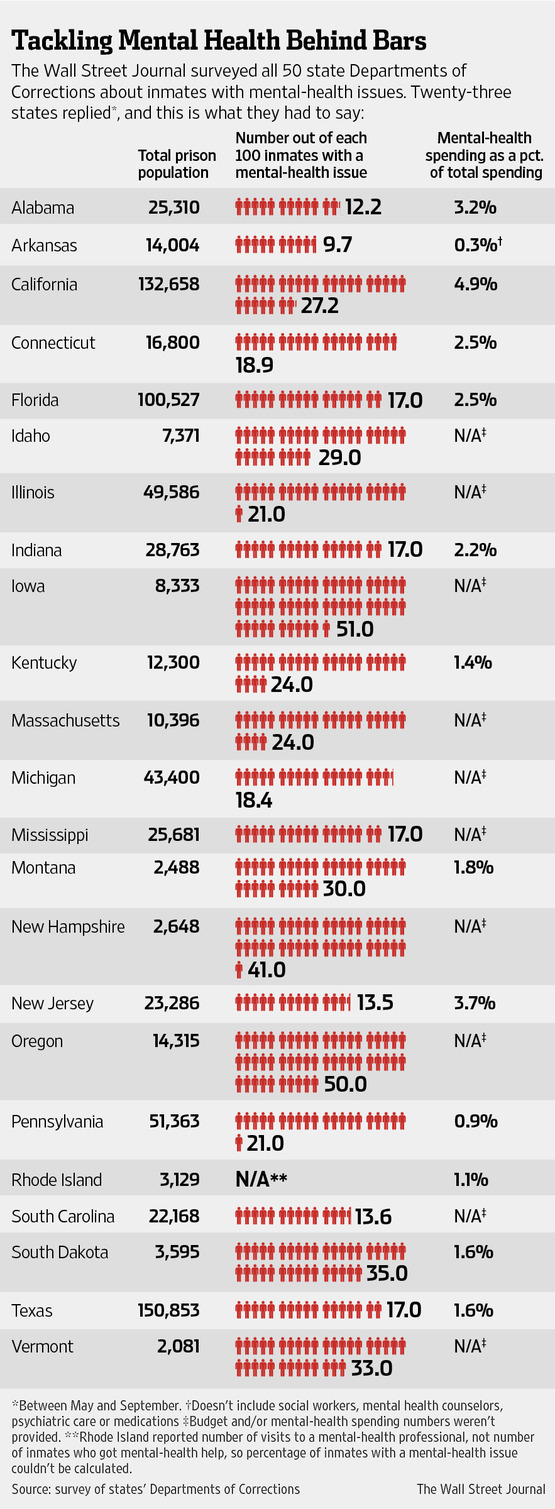
Nationally, about one in five inmates suffers from a diagnosed mental illness. Those numbers are even higher on the Treasure Coast, local officials said. And, the numbers have been climbing, in part because of the economic downtown as well as the rise in pain killer addictions.
The St. Lucie County Jail is the largest mental health institution in the county, housing about 240 mentally ill inmates daily. Over the past year, the jail housed 9,452 inmates with mental health issues, compared to 5,431 five years ago.
St. Lucie contracts for health, mental health and dental services at an annual cost to county taxpayers of about $4 million. Meantime, the mentally ill stay five times longer and cost six times more than other inmates, he said.”
And, while those with mental problems may stabilize with medication in jail, many cannot afford to medicate when they are released and find no other place for treatment.
“This causes havoc with the judicial system,” Tighe said. “The courts have no place to send them. It’s just a vicious cycle.”
Officials acknowledge that what’s happening in these wards is reminiscent of the mental asylums of the last century. But they say the only other option is to lock the mentally ill in solitary confinement for weeks on end.
This is, after all, a jail. And this is one of the few in the country with doctors and nurses, psychologists and correctional officers trained in how to handle psychotic episodes. And there are rules: Inmates can only be forcibly medicated with a doctor’s orders. Leather restraints and padded rooms have time limits.
“Sometimes I would even commit a crime just to make sure I would get my meds,” says inmate Joseph DeRiggi. “Here, there’s a little more understanding because they know us: ‘OK, DeRiggi, we know what you’re on. You’re good.’ That’s just the way it is.”
But jail is an expensive place to get medication. It costs almost $200 a night to house a mentally ill person here; health clinics cost a fraction of that.
Plus, their cases clog the courts with largely minor offenses. That lengthens jail time for everyone. The average stay is now eight days longer than it was a few years ago. Adding eight days costs county taxpayers $10 million more every year.
The Community Mental Health Act of 1963 (CMHA) (also known as the Community Mental Health Centers Construction Act, Mental Retardation Facilities and Construction Act, Public Law 88-164, or the Mental Retardation and Community Mental Health Centers Construction Act of 1963) was an act to provide federal funding for community mental health centers in the United States.
The CMHA provided grants to states for the establishment of local mental health centers, under the overview of the National Institute of Mental Health. The NIH also conducted a study involving adequacy in mental health issues. The purpose of the CMHA was to build mental health centers to provide for community-based care, as an alternative to institutionalization. At the centers, patients could be treated while working and living at home.
Only half of the proposed centers were ever built; none were fully funded, and the act didn’t provide money to operate them long-term. Some states saw an opportunity to close expensive state hospitals without spending some of the money on community-based care. Deinstitutionalization accelerated after the adoption of Medicaid in 1965. During the Reagan administration, the remaining funding for the act was converted into a mental-health block grant for states. Since the CHMA was enacted, 90 percent of beds have been cut at state hospitals.
The CMHA proved to be a mixed success. Many patients, formerly warehoused in institutions, were released into the community. However, not all communities had the facilities or expertise to deal with them. In many cases, patients wound up in adult homes or with their families, or homeless in large cities,but without the mental health care they needed.
Essentially we are spending a lot of money to house people when we could spend smarter money to treat people. In this day and age with all the good medications we have these folks could get jobs, have a life, be a part of the world. Instead they are ignored and live in a world which is really no better than the state hospitals that closed down. Another example of our legislators wasting our time and money and not advocating the people who must be advocated for.
prisons collectively are the biggest mental-health
facilities in the state. . . . Jails have
become asylums for thousands of inmates with
mental illnesses whose problems and needs
far exceed what jails can provide.”
Food for thought when we are all binge watching “Orange is the New Black.’
Excellent video about CIT (Crisis Intervention Team Training)
Which is great but we have to have a place where people are bought that not jails.
“Diversion programs work better than incarceration – for everyone. In cities like Seattle, San Antonio, and Salt Lake City, we see that successful solutions are a viable option to help end serious social problems. These services alter the course of people’s lives in a positive way and save taxpayers huge amounts of money. We cannot continue to isolate and imprison people who suffer from mental illness, substance abuse, or homelessness. We must treat them with compassion and care to better serve our communities and our pocketbooks.”
Most important information regarding SFWMD. They couldn’t have helped to buy the land if they wanted because that power was taken away. Amazing that they forget to tell us.
If there is one thing I have learned in my seven-year stint in local government, it is that for the public, the structure of government and how it works is unclear. In my opinion, this happens due to many reasons, but first and foremost is because government as a whole is terrible at being open and explaining itself, perhaps preferring to function behind a shroud of confusion. Also, governments’ sense of responsibility to communicate with the public is often nonexistent or skewed at best… plus communicating is expensive…This situation is compounded by the fact that every year there are new laws, and every few years new elected officials coming in….so the public is constantly having to “catch up.”
To make a point, let me give a simple example from the Town of Sewall’s Point, where I live and am a town commissioner. Prior…
“More specifically, state Sen. Joe Negron, R-Palm City, advocated cuts to so-called soft services, which include mental health and drug-addiction programs, because many of these services address what Negon views as “a lack of willpower, a lack of discipline, a lack of character.” Negron was the chair of appropriations for health and human services in the state Senate.”
This attitude has got to change. We cannot have legislators that do not believe in taking care of our most vulnerable people and do not believe in science.
Mental illness knows no parties. It is a bipartisan disease.
Let’s educate our legislators. Let’s make a difference.
Let’s make June “Educate your legislators on mental illness month.”
Society is Judged By How They Treat the Most Vulnerable.
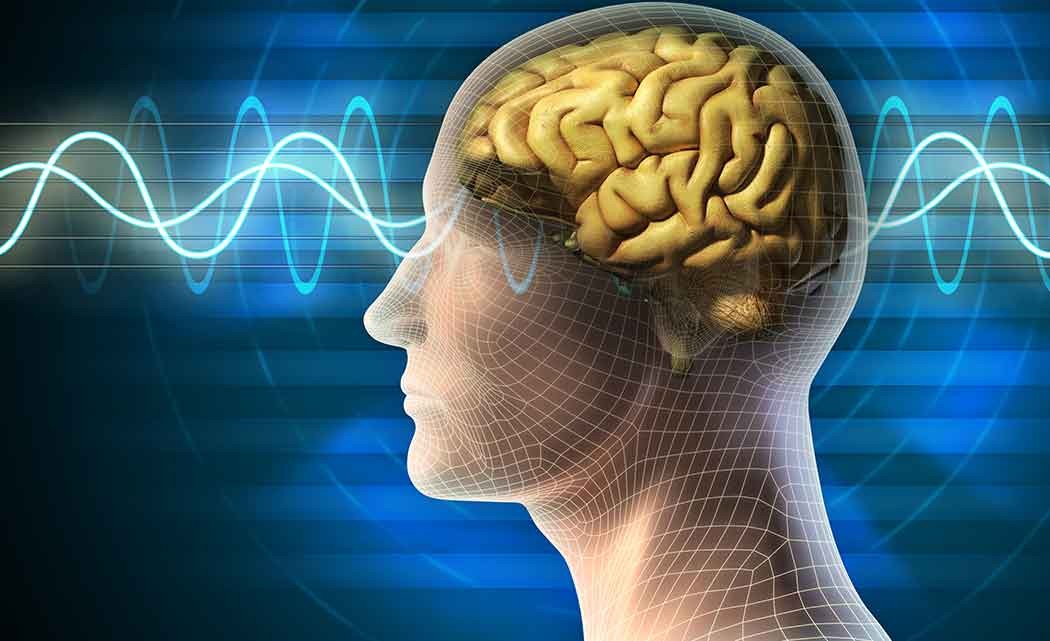
Brain circuit problem likely sets stage for the ‘voices’ that are symptom of schizophrenia
Scientists have identified problems in a connection between brain structures that may predispose individuals to hearing the ‘voices’ that are a common symptom of schizophrenia. Researchers linked the problem to a gene deletion. This leads to changes in brain chemistry that reduce the flow of information between two brain structures involved in processing auditory information.
Here is a video by ROCHE that is a simple explanation on schizophrenia.
The biology of schizophrenia.
Mental Disorders as Brain Disorders: Thomas Insel at TEDxCaltech
To Our Commissioners in Martin and St Lucie County.
This past Saturday I attended our annual disaster conference. Our area includes Martin County, Port St Lucie County, Okeechobee County and Indian River County. The MRC (Medical Reserve Corp) are volunteers who assist in disasters.
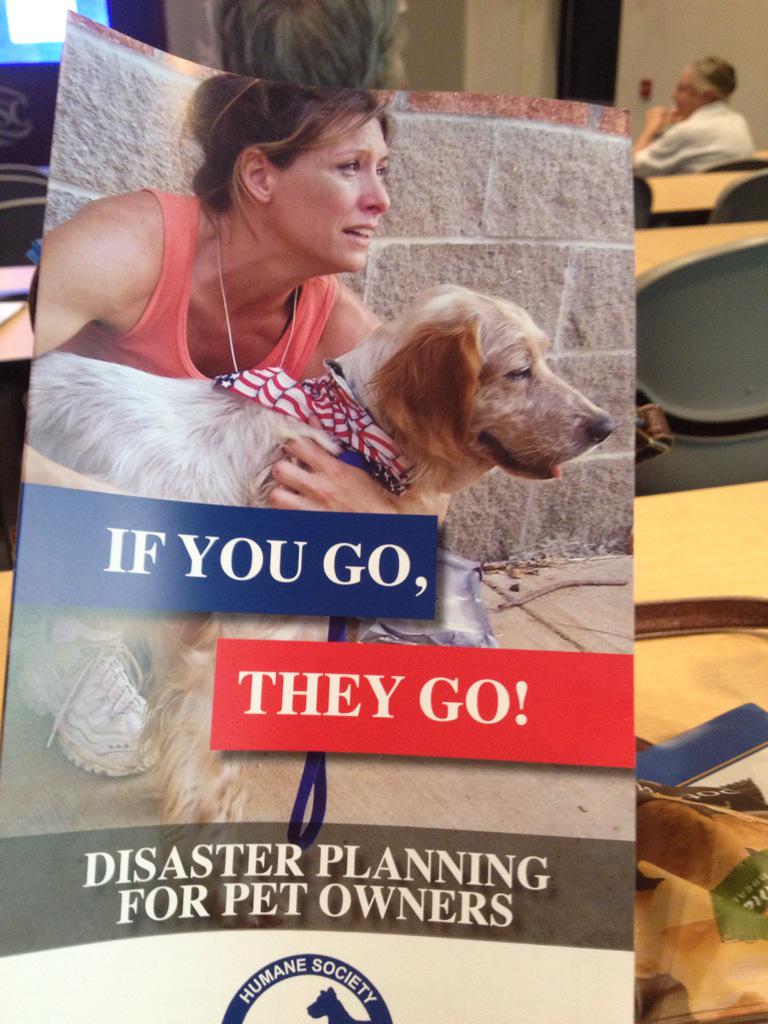
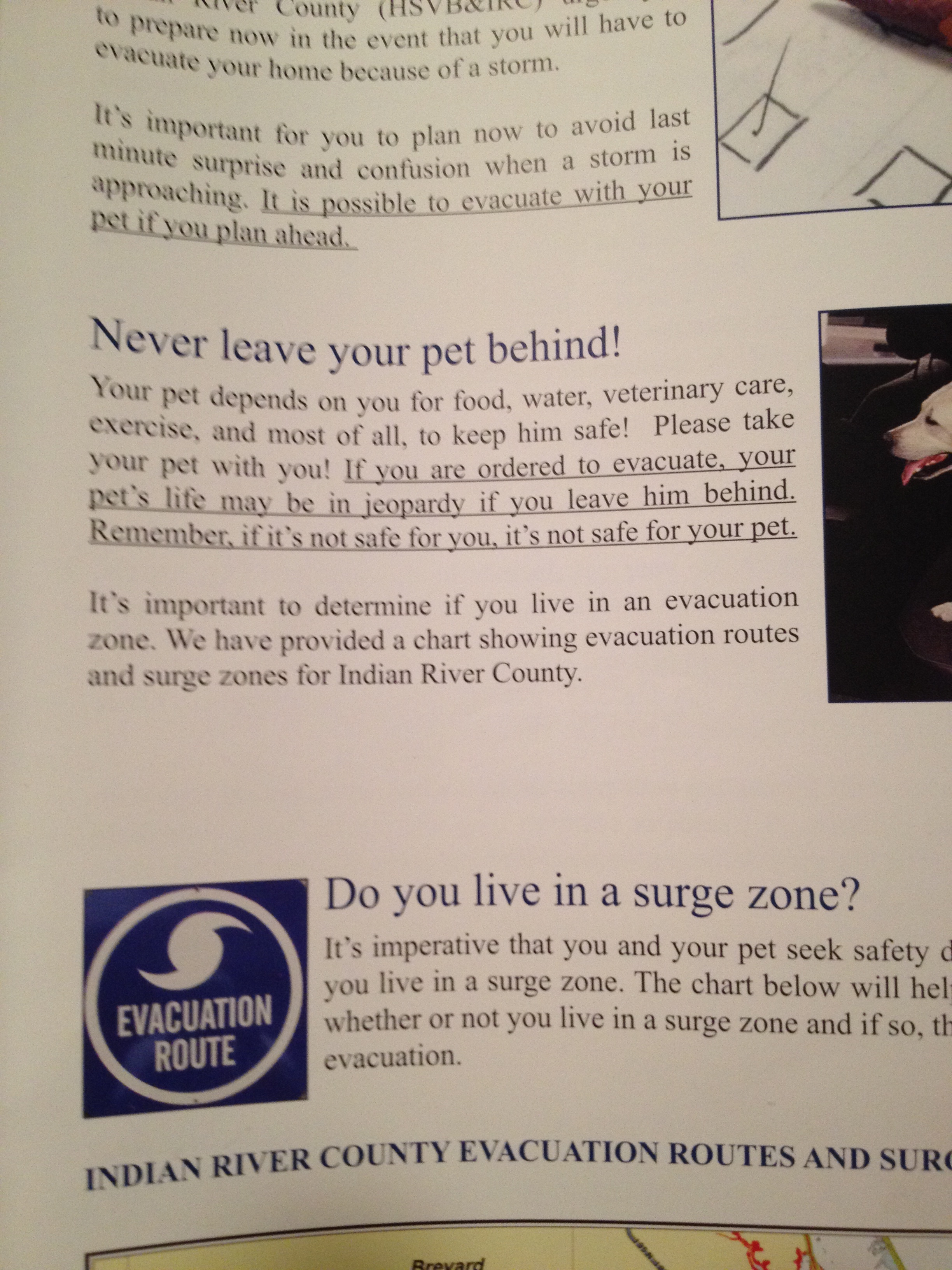
The only county that seemed to have it act together was Indian River County. They have this:
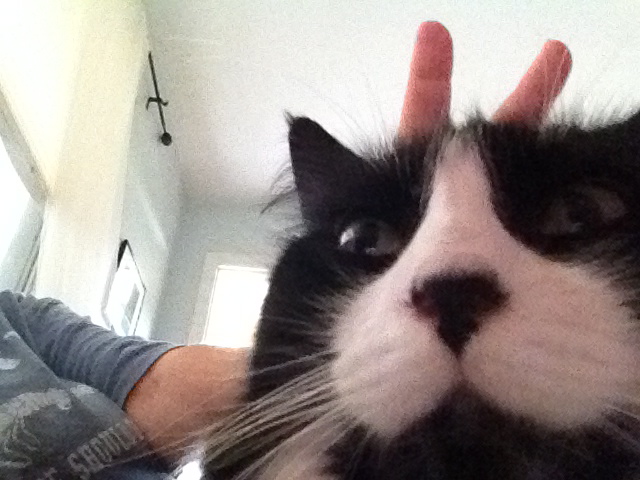
It was suggested you take a photo of yourself with you and your pet so no one can show up and say that your pet is their pet.
meme selfie (you should have your face in the photo)
Do not leave your pets if you have to evacuate. If you go they go!
don’t leave us food source your our only hope!
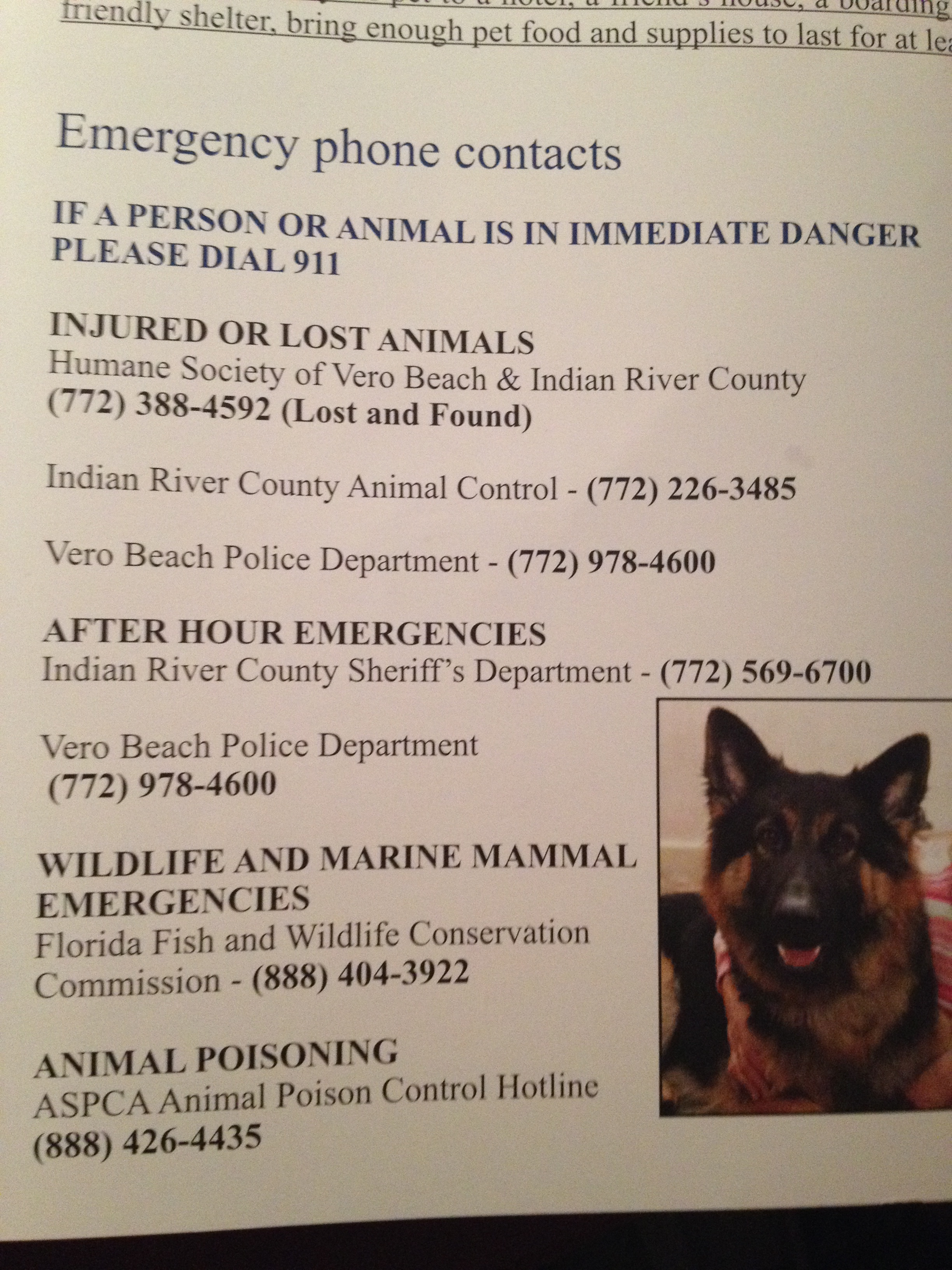
The number for the Humane Society of Vero Beach and Indian River County is 772-388-5492. Our commissioners can call them and get info on how to set up programs in our county. I bet they would be deee-lighted to come down and show you guys how to do this.
In a storm everything east of Federal Hwy is considered an evacuation zone. That means your veterinarians in that area are in a potential evacuation zone.
We still do not have pet friendly shelters in Martin or St Lucie County.
The Humane Society of the Treasure Coast in Palm City, the county’s first pet shelter, can withstand winds of 140 mph or more and accommodate as many as 200 cats and dogs.
The offering, free for up to five days, is a temporary solution that allows Martin County to comply with a new Federal Emergency Management Agency pet shelter strategy requirement, Holman said.
The county in the meantime is working to provide a similarly secure shelter for pets as well as their owners, Holman said.
It’s 2015- what’s the plan?
We really need a plan especially for our seniors who have pets. We have a lot of people who live by themselves with their dog or cat in substandard housing. What are we going to do to help them?
In Indian River County the first pets they take are the volunteers that work the shelter. HINTHINTHINT
Here is a list of pet friendly shelters for Florida. Plan now. Many of these place require that you pre register. Your pets must be up to date on their vaccinations and you need to bring a crate, food, basically everything your pet will need.
We also need an update list of hotels/motels that accept pets and I am told that some that usually don’t take pets will change their policy during a storm.
After Hurricane Katrina hundreds of pets were displaced. Please make sure your pet has at least a tag with a phone number.











 cyndi lenz