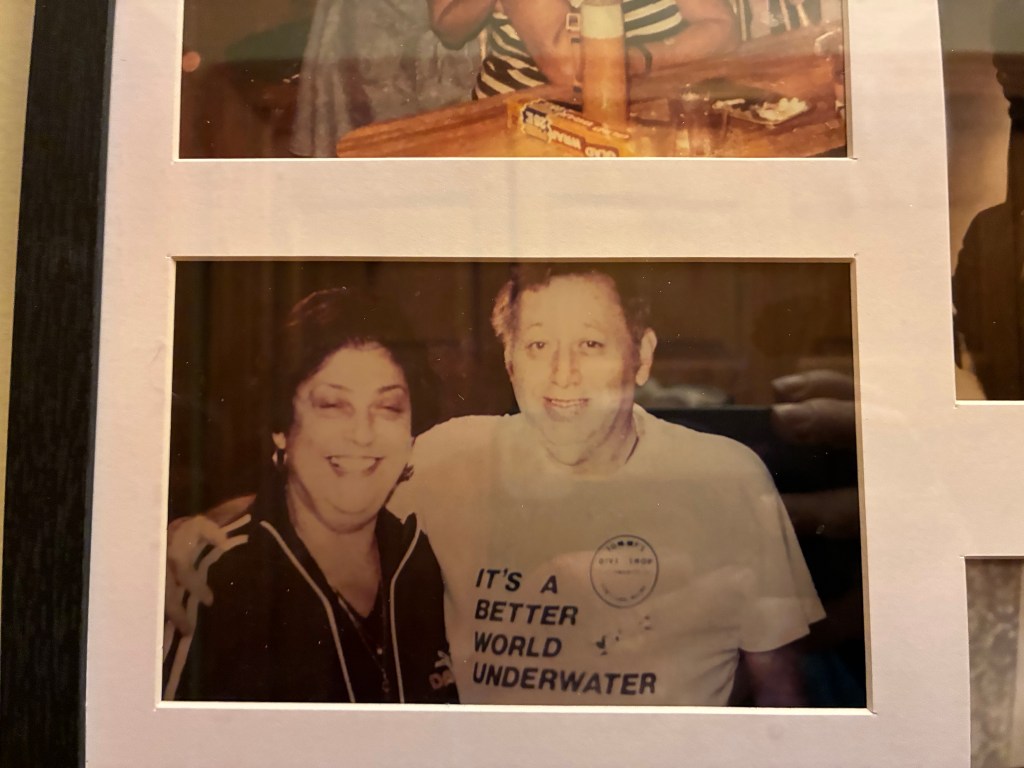
I’m publishing this so I can give access to my cousins so I can put a complete story together.
My Uncle was our uncle that we loved with an incredible life story but he had a story much bigger than all of us and that was bringing scuba to Maine and to his county sheriff and firemen.
If you knew him and have any stories please feel free to text me at 561-715-0477.
Bernard “Bernie” Freedman was a highly influential figure in the history of recreational scuba diving, specifically known for anchoring the early diving community in New England. [1 (https://seveke.de/tauchen/altes/vorfahren/time-line-scuba.pdf)%5D
In 1955, he began selling scuba diving gear out of Tommy’s Hardware in Portland, Maine. Over time, his passion transformed the business into what became known as Tommy’s Hardware and Dive Store, making it one of the earliest hubs for civilian scuba equipment and instruction in the region.
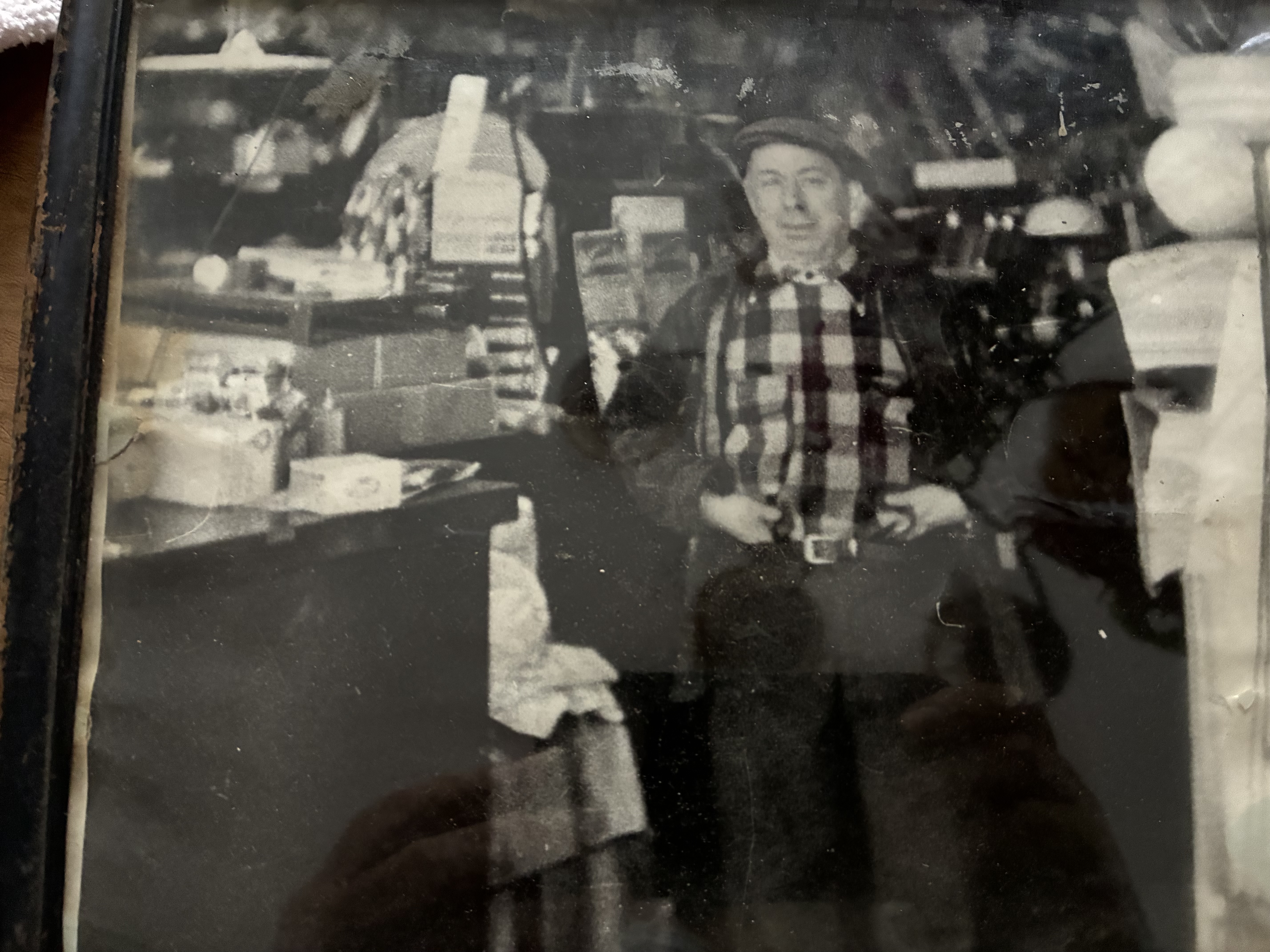
Bernard “Bernie” Freedman was not a formal employee or deputy of the local sheriff’s department, but his specialized dive equipment and expertise meant that local law enforcement heavily relied on him for emergency operations.
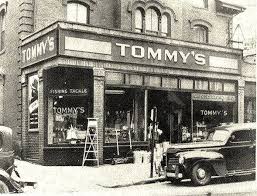
In the mid-20th century, before modern police departments had dedicated, professional underwater search and recovery units, sheriffs and police departments frequently turned to civilian pioneers for help. As the owner of Tommy’s Hardware and Dive Store in Portland, Maine, Bernie’s role with local sheriffs included: [1]
Underwater Search and Recovery: When local sheriff’s departments or state police needed to search lakes, rivers, or coastal waters for evidence, discarded weapons, or missing persons, they called on Bernie and his network of early civilian divers. [1, 2]
Equipping Early Dive Teams: As sheriff’s departments in Maine slowly began forming their own primitive volunteer rescue teams, Bernie supplied the hardware, refilled the air tanks, and provided early safety instruction for the officers learning how to dive. [1]
Essentially, Bernie acted as an unofficial technical advisor and emergency diver-on-call for Maine law enforcement during the formative years of public safety diving.
Just like his relationship with local sheriffs, Bernie Freedman’s work with fire departments was as an indispensable, unofficial technical specialist rather than as a uniformed firefighter.
During the 1950s and 1960s, fire-rescue services were expanding beyond putting out blazes into modern emergency medical and water-rescue operations. Because Bernie ran Tommy’s Hardware and Dive Store in Portland, he became the primary architect for early fire department water-rescue capabilities in Maine:
- Training the First Fire-Rescue Divers: Before formalized national standards existed for public safety diving, Bernie used his expertise to train early volunteer and career firefighters in the mechanics of SCUBA. He taught them how to navigate underwater, monitor their air, and stay safe in Maine’s famously cold, low-visibility lakes and coastal waters.
- The Go-To Hydrostatic Tester and Air Source: Fire departments already used compressed air tanks for their breathing apparatuses (SCBA) when entering burning buildings. Bernie’s shop was one of the only facilities in the region equipped to handle high-pressure air fills and the mandatory hydrostatic safety testing for these cylinders. He kept the local departments’ tanks safe and full.
- Outfitting Early Rescue Boats: Through Tommy’s Hardware, Bernie supplied fire departments with the foundational gear needed for waterfront emergencies, including early exposure suits, ropes, knives, and underwater lights.
Whenever a fire department in the Greater Portland or Sebago Lakes region needed to establish water safety protocols or execute a difficult underwater recovery, Bernie Freedman was almost always the first phone call they made.
- Outfitting Early Rescue Boats: Through Tommy’s Hardware, Bernie supplied fire departments with the foundational gear needed for waterfront emergencies, including early exposure suits, ropes, knives, and underwater lights.
Whenever a fire department in the Greater Portland or Sebago Lakes region needed to establish water safety protocols or execute a difficult underwater recovery, Bernie Freedman was almost always the first phone call they made.
Beyond his support for local law enforcement and fire departments, Bernie Freedman was a champion of community education, a foundational voice for early commercial diving, and a true local fixture in Portland. As the owner of Tommy’s Hardware and Dive Store, he balanced the roles of a neighborhood shopkeeper and an adventurous scuba pioneer.
His broader contributions to the region and the sport included:
- • Pioneering Civilian Scuba Instruction: In the 1950s and 60s, scuba diving was widely viewed as a dangerous military activity. Bernie was one of the first people in New England to open the sport to the public. He personally organized and taught early certification classes, converting casual hobbyists, spearfishers, and marine enthusiasts into skilled, safe divers.
- Supporting Early Commercial Operations: Long before specialized commercial diving companies were common in Southern Maine, Bernie served as a consultant for local maritime industries. He offered technical advice, custom gear setups, and support for underwater hull inspections, mooring work, and early marine construction projects around Casco Bay.
- Fostering New England’s First Dive Club Communities: Bernie didn’t just sell equipment; he actively built a local diving culture. Tommy’s Hardware became a social hub where early enthusiasts swapped stories, shared maps of local shipwrecks, and organized group dives, effectively laying the groundwork for the organized dive clubs that sprang up across Maine.
- Running a Classic Neighborhood Hardware Store: Even as the “Dive Store” side of the business grew into a regional phenomenon, Bernie never abandoned his roots as a neighborhood merchant. He continued to supply Portland residents with standard building materials, tools, and everyday hardware, serving as a trusted figure in the daily lives of the local community.
- In the 1950s, 60s, and 70s, Bernie Freedman and the early New England diving community pioneered the exploration of Casco Bay and Southern Maine’s coastal waters. Diving back then meant thick rubber suits, minimal instrumentation, and relying heavily on shore access or local charters. [1, 2, 3]
- The formative, iconic dive sites and shipwrecks that defined this early era of Maine scuba diving include:
- Notable Early Shipwrecks
- The Wreck of the Annie C. Maguire (Cape Elizabeth): On Christmas Eve in 1886, this British three-masted barque struck the ledges right at the foot of the Portland Head Light. By the time civilian scuba gear arrived in the 1950s, the ship had been broken apart by decades of heavy surf, but its scattered remains—including ballast stones, coal, and twisted metal—became a quintessential training ground for early local divers. [1]
- The Shallow Wreck at Fort Gorges (Portland Harbor): Located in the harbor just off the coast of Portland, the waters surrounding this Civil War-era stone fort hold the wooden bones of an old shallow wreck. It was a highly accessible target for early Casco Bay divers testing out new underwater navigation techniques.
- The Bohemian (Cape Elizabeth): This massive British iron steamship struck Alden’s Rock in 1864. It eventually broke up and settled in the waters near Cape Elizabeth. Because of its depth and the surrounding currents, it became a legendary objective for the region’s more advanced and adventurous early wreck divers.•
- •

