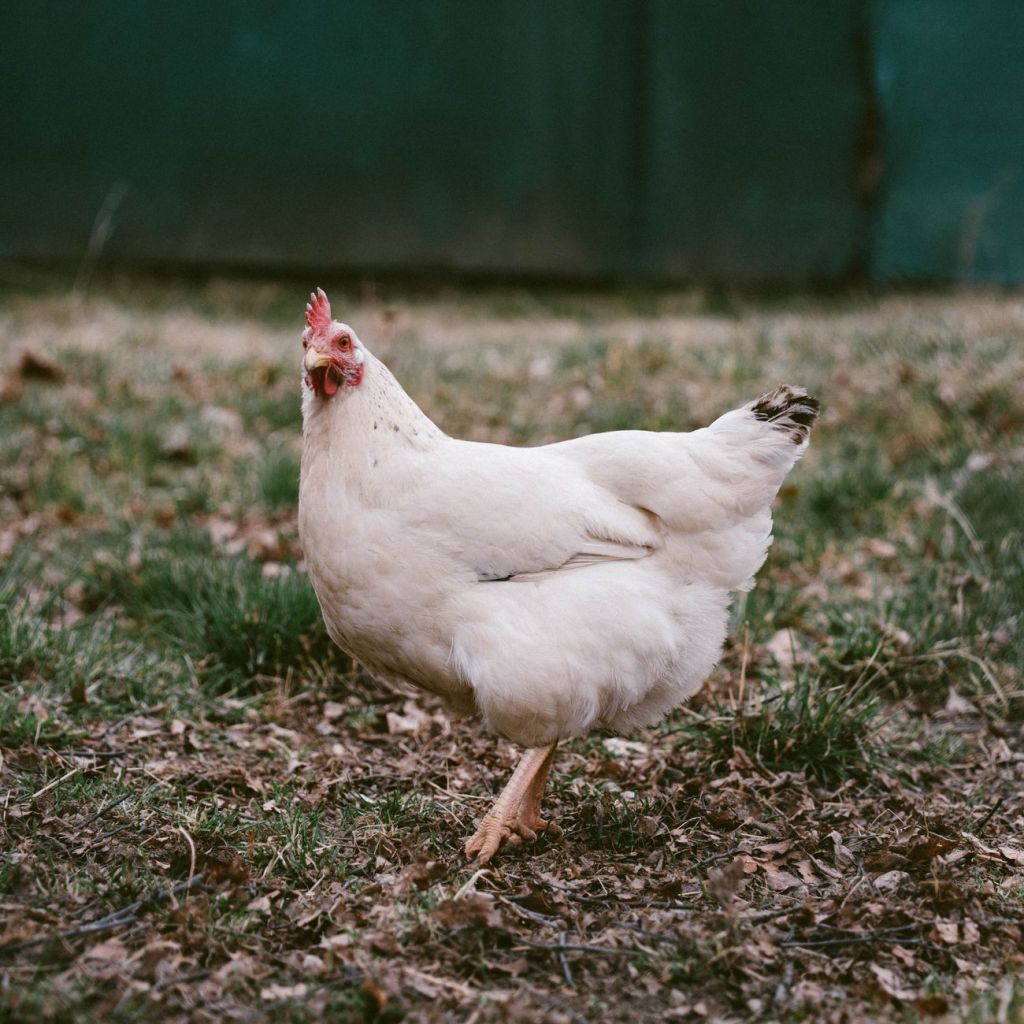
The Case for Backyard Chickens and why eggs are important!
What came first? The chicken or the egg?
Chickens originally evolved from the wild red jungle fowl in the tropical forests of Southeast Asia.
Domestication began roughly 8,000 to 10,000 years ago.
Ancient humans first kept chickens for cockfighting or ceremonial and religious rituals rather than for meat and eggs
They reached Europe by about 800 BCE and later spread across Africa, the Middle East, and the Americas through human migration and trade.
So that answers that age old question.
Now why are eggs so important?
Eggs are a nutrient-dense food that provide high-quality protein, essential vitamins and healthy fats in a low-calories package.
Key Health Benefits
- High-Quality Protein: One large egg has about 6 grams of protein with all nine essential amino acids to build and repair muscles.
- Eye Protection: Egg yolks contain antioxidants like lutein and zeaxanthin that lower the risk of cataracts and macular degeneration.
- Brain Health: Eggs are rich in choline, a vital nutrient that supports brain function, metabolism, and nervous system health.
- Bone Support: They are one of the few natural food sources of vitamin D, which helps your body absorb calcium.
- Weight Management: The combination of protein and fat keeps you full longer, which helps reduce overall calorie intake.
Why can’t I just eat eggs from the grocery store?
- Factory farm eggs are considered problematic due to severe animal welfare issues, environmental damage and potential public health risks.
- Hens are often kept in cramped battery cages stacked on top of each other, or packed by the thousands into filthy sheds where they cannot spread their wings or engage in natural behaviors like foraging and nesting
- Chicks often undergo painful debeaking (clipping the tip of the beak with no pain relief) to prevent them from pecking each other out of stress caused by overcrowding.
- Hens are bred and exposed to artificial light for up to hours a day to force them to lay 300 eggs a year. This extreme laying rate depletes the hens’ bodies of calcium, leading to widespread osteoporosis, brittle bones, keel bone fractures, and reproductive diseases.
Getting your eggs from a small farm where there is better hen welfare with outdoor access, sunlight and natural varied foraged diet. The eggs are usually collected within 24-48 hours keeping the bloom intact. Smaller, decentralized flocks face lower disease risks and less crowding.
When you have your own chickens you have fresh and and nutritious food. You get a steady supply of eggs with rich, bright yolks and superior taste. You get higher nutriants
- Backyard eggs often contain higher levels of vitamins A and E, omega-3 fatty acids, and beta-carotene compared to standard store-bought options.
- You control what your flock eats guaranteeing healthier eggs.
Hens eat kitchen scraps and vegetable peelings, turning household waste into valuable fertilizer and eggs. yard chickens are great for garden care and sustainability. They forage for ticks, slips, snails and other unwanted bugs in your yard. They create superior fertilizer which you can use in your garden to grown vegetables.
Raising a flock teaches children and adults about responsibility, sustainability, and where food comes from.
What about roosters?
They can be rehomed or processed for meat. “Winner, winner, chicken dinner!
I sent this question to the Humane society and will post when she answers me. Due to the incredible amount of stuff they have been doing I don’t expect an answer right away.
I believe in this day and age we need to be thinking about our own food security. Look at what happened to the price of eggs. Look at what happened to our vegetables this past summer. We can no longer depend on our supermarkets to keep us safe. For those of us that have access to local food coops and farmers we are so fortunate. Most people don’t.
One suggestion I do have is if you have a neighborhood or a few houses that want chickens it would a great family project. I also have thought about sponsoring a chicken -helping a 4-her have their chickens in exchange for some eggs.
One other thing that I thought of as it related to Stuart is that the children cannot participate in 4-h because they are not allowed to have chickens. Which is a shame. I hope if this passes that 4-h can reach out so more children can have this experience.
UF/IFAS Extension Offices: The University of Florida’s Institute of Food and Agricultural Sciences routinely offers regional poultry workshops through local county extension offices (such as Brevard and surrounding coastal counties). Check the UF/IFAS Extension Calendar for newly added virtual webinars or local farm open houses

